

Embarking on a cruise is an adventure filled with excitement and relaxation. However, safety is paramount to any voyage. In this comprehensive guide, we delve into the world of cruise ship security, addressing common questions and shedding light on the measures in place to safeguard passengers and crew.
Understanding Cruise Ship Security
Cruise ship security is a multifaceted system that integrates various protocols and technologies aimed at safeguarding passengers, crew members, and the vessel itself. This comprehensive approach includes the implementation of sophisticated onboard surveillance systems, which continuously monitor key areas of the ship to detect and deter potential threats. Additionally, cruise lines invest in trained security personnel who are equipped to respond promptly and effectively to any security incidents, ensuring a safe and secure environment for everyone onboard.
Security Measures on Cruise Ships
Surveillance Systems
Cruise ships are outfitted with state-of-the-art surveillance systems, featuring strategically positioned CCTV cameras that cover key areas like corridors, public spaces, and onboard facilities. These systems operate continuously, providing real-time monitoring and recording of activities, and bolstering situational awareness for crew members and security personnel. Their presence enables swift responses to security incidents, ensuring passenger safety and the overall security of the vessel.
Security Personnel
Cruise ships rely on extensively trained security personnel to uphold order, enforce safety measures, and swiftly address security concerns. Their training encompasses a comprehensive understanding of security protocols, adept conflict resolution skills, and proficient emergency response strategies. Through rigorous preparation, these personnel are equipped to handle diverse situations with efficiency and professionalism, ensuring the safety and well-being of passengers and crew members alike.
Access Control Measures
Access control measures are essential onboard cruise ships to maintain security and safety protocols. Keycards, biometric scanners, and security checkpoints are utilized to authenticate individuals and limit access to critical areas like the bridge, engine room, and crew quarters. These measures ensure that only authorized personnel can enter sensitive zones, minimizing the risk of unauthorized access and potential security breaches.
The Role of Security Personnel
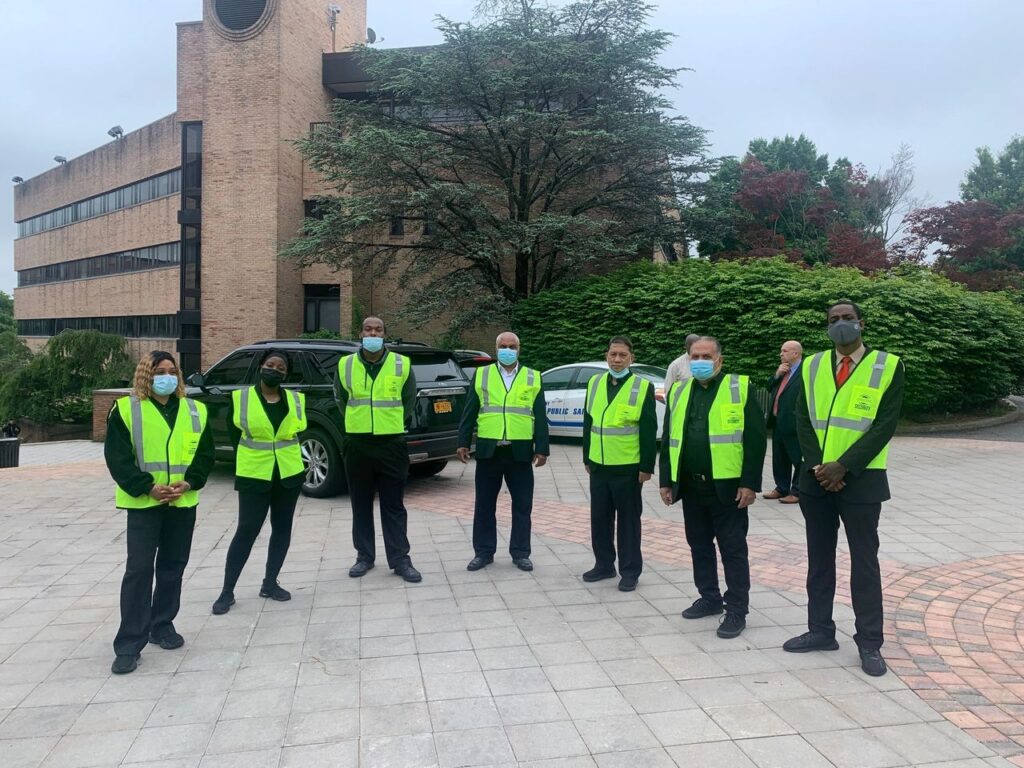
Security personnel play a crucial role in maintaining order and responding to any potential threats or emergencies onboard. Trained in conflict resolution and emergency procedures, these individuals are stationed strategically throughout the ship to ensure rapid response times in any situation.
Surveillance Systems and Technology
Modern cruise ships are fortified with state-of-the-art surveillance systems, integrating CCTV cameras and cutting-edge technology to oversee critical areas continuously. These systems operate around the clock, offering real-time monitoring and recording functionalities, bolstering security measures, and dissuading any unauthorized or illicit activities aboard the vessel. With their comprehensive coverage and advanced capabilities, these surveillance systems play a pivotal role in safeguarding passengers, crew, and the ship’s assets throughout the entirety of the voyage.
Enhancing Passenger Safety
Cruise lines prioritize passenger safety through comprehensive measures that encompass rigorous safety protocols, regular drills, and state-of-the-art navigation and communication systems. From extensive crew training to advanced medical facilities onboard, every aspect is meticulously designed to mitigate risks and provide reassurance to travelers. Additionally, constant monitoring of weather conditions and adherence to international maritime regulations further bolster the commitment to ensuring a secure and enjoyable experience for all passengers.
Emergency Drills and Training
Prior to departure, passengers are obligated to partake in compulsory safety drills, which acquaint them with emergency procedures and evacuation protocols. These drills are meticulously overseen by experienced crew members, guaranteeing that all individuals aboard are well-versed in the necessary actions should an emergency arise. By engaging in these drills, passengers can enhance their preparedness and contribute to the overall safety and security of the voyage.
Security Screening Procedures
Before passengers board, they undergo rigorous security screening procedures aimed at identifying and intercepting any prohibited items or substances that could jeopardize safety. These procedures encompass thorough examinations of luggage, the use of metal detectors to detect weapons or other metallic objects, and additional security measures designed to ensure the integrity of the onboard environment. By implementing these comprehensive screening protocols, airlines and airport authorities aim to mitigate potential threats and uphold the safety and security of all passengers and crew.

Safety Procedures
Emergency Drills
Cruise ships rigorously organize emergency drills to ensure both passengers and crew members are well-prepared for unforeseen circumstances like fires, collisions, or evacuations. These drills encompass hands-on practices, such as donning life jackets and identifying emergency exits, to equip individuals with essential safety protocols. Additionally, passengers are instructed to assemble at designated muster stations, where crew members provide vital instructions and guidance during emergencies.
Response to Threats
When security threats or suspicious activities occur, cruise ships enact rigorous protocols to swiftly respond and escalate the situation. This involves activating trained security teams, promptly alerting relevant authorities such as coast guards or law enforcement agencies, and implementing lockdown procedures to contain and mitigate any potential risks. These measures are crucial to ensuring the safety and security of both passengers and crew members aboard the vessel.
Collaboration with Authorities
Coordination with Coast Guard
Cruise ships maintain a close collaboration with maritime authorities, particularly the Coast Guard, facilitating the exchange of vital information and coordinated response efforts. This partnership extends beyond mere communication to include the sharing of security protocols and best practices, ensuring a robust framework for safeguarding maritime security. Through this cooperation, cruise ships and maritime authorities stand prepared to swiftly respond to emergencies at sea, fostering a safer environment for passengers and crew alike.
Port Security Partnerships
Cruise lines forge strategic alliances with port authorities and law enforcement agencies worldwide to bolster security measures and safeguard cruise ship operations. Through collaborative efforts, they exchange crucial intelligence, engage in joint training exercises, and deploy advanced security technologies to counter potential threats effectively. These partnerships serve as vital pillars in maintaining the safety and security of both passengers and crew during port visits, fostering confidence and trust within the cruise industry.

Case Studies
Notable Security Incidents on Cruise Ships
Security incidents on cruise ships, such as onboard theft, assaults, and unauthorized access to restricted areas, underscore the critical need for robust security measures. Implementing comprehensive security protocols is essential to safeguard the well-being of both passengers and crew members. Prompt and effective responses to such incidents are crucial to maintaining a safe and secure environment onboard.
Response and Lessons Learned
After experiencing security incidents, cruise lines undertake thorough reviews to assess their response procedures, pinpoint weaknesses, and enact necessary improvements. By analyzing past incidents, cruise ships aim to enhance their security measures and ensure a safe environment for passengers and crew. This ongoing process of learning from past experiences and adapting security protocols underscores the industry’s commitment to maintaining the highest standards of safety and security at sea.
FAQs (Frequently Asked Questions)
What security measures are in place to prevent onboard incidents?
Cruise ships employ a combination of surveillance systems, security personnel, and access control measures to prevent and respond to onboard incidents promptly.
Are cruise ship security personnel trained to handle emergencies?
Yes, security personnel undergo rigorous training in emergency response procedures, including conflict resolution and evacuation protocols.
How are passengers screened for security before boarding?
Passengers undergo comprehensive security screenings, including luggage checks and metal detector scans, to ensure the safety and security of all onboard.
Can passengers access restricted areas of the ship?
No, access to certain areas of the ship, such as crew quarters and operational zones, is restricted to authorized personnel only to maintain security and safety standards.
What happens during a safety drill onboard a cruise ship?
Safety drills familiarize passengers with emergency procedures, including muster station locations, life jacket usage, and evacuation protocols, ensuring preparedness in case of an emergency.
How do cruise lines collaborate with local authorities to enhance security?
Cruise lines work closely with local law enforcement agencies and maritime authorities at port destinations to coordinate security measures and response protocols.
Conclusion
Cruise ship security is a complex operation that encompasses various measures to safeguard passengers and crew. From employing advanced surveillance technologies to implementing strict access control protocols, cruise lines prioritize the protection of everyone on board. Furthermore, continuous training and cooperation with external authorities enhance the preparedness and responsiveness of security teams to effectively mitigate any potential risks or threats during the voyage.
Check other blogs
Are There Police on Cruise Ships? Truth Behind Security Measures
Tech Integration in Off-Duty Firefighter’s Toolkit
What Are the Legal Limitations of a Security Guard?
Cost Of Hiring A Personal Security Guard: Ways Save Without Risk
