


In today’s fast-paced construction industry, prioritizing the safety and security of job sites is essential. A construction site emergency action plan is not just a requirement but a critical necessity for protecting lives, property, and assets. This comprehensive guide will explore effective strategies, best practices, and key insights to ensure your construction site is well-prepared and secure in the event of an emergency.
The foundation of any successful construction project is not just in its architectural designs or engineering feats but also in the robustness of its emergency response planning. With the unique risks and challenges present in construction sites, prioritizing security can make all the difference in times of crisis. This segment emphasizes the critical importance of emergency response planning and provides an overview of what construction site security entails.
Understanding Emergency Response Planning
Emergency response planning is crucial for construction sites as it provides a systematic framework for managing and mitigating potential threats to safety and site integrity. The primary goals of an emergency response plan include minimizing risks, protecting personnel, and preserving property in the event of an incident. Essential elements of an effective plan encompass clear communication protocols, designated emergency roles and responsibilities, and comprehensive training and drills to ensure preparedness and swift action during emergencies.
Developing an Emergency Response Team
Roles and Responsibilities
- Site Manager: Oversees all site operations, including emergency response planning and coordination.
- Security Personnel: Monitor the site, manage access, and respond to security incidents.
- Construction Workers Must be aware of safety protocols and how to react in emergencies.
- Emergency Response Coordinator: Manages the emergency response team and liaises with external emergency services.
Training and Drills
- Security Protocols: Regular training on security measures and threat awareness.
- Emergency Procedures: Drills for fire, medical emergencies, and natural disasters.
- Communication Protocols: Ensuring precise and efficient communication channels during an emergency.
- First Aid and CPR Training: Essential for addressing immediate medical emergencies before professional help arrives.

Risks and Challenges at Construction Sites
Construction sites are fraught with various security risks, such as unauthorized access by trespassers, theft of equipment and materials, and vandalism. Moreover, emergencies like fires, structural collapses, and hazardous material spills can pose serious threats to both workers and nearby communities. To mitigate these risks, a well-structured construction site emergency action plan is essential. This plan should identify potential threats, outline preventive measures, and establish clear protocols for managing emergencies effectively, ensuring the safety of personnel and safeguarding property.
Understanding Potential Threats
Identifying Common Security Threats at Construction Sites
- Theft and Vandalism: Construction sites often store valuable materials and equipment, making them prime targets for theft. Vandalism can also occur, causing property damage and work delays.
- Trespassing: Unauthorized individuals entering the site can lead to theft and vandalism and even pose safety risks to themselves and others.
- Sabotage: Deliberate damage to equipment or structures can be motivated by malicious intent, industrial espionage, or labor disputes.
- Occupational Hazards: These include risks from unsecured construction areas, misuse of equipment, or inadequate safety measures, leading to accidents and injuries.
Assessing Vulnerabilities and Risks
- Site Location and Surroundings: The location can influence the likelihood of threats due to neighboring areas or isolated locations.
- Equipment and Material Inventory: Keeping detailed records helps monitor and protect valuable assets.
- Access Control Measures: Proper barriers, signage, and entry checkpoints reduce unauthorized access.
- Personnel Security: Employee verification, training, and awareness programs help in maintaining a secure environment.
Emergency Response Planning for Construction Site Security
Integrating emergency response planning with construction site security is crucial for a holistic safety strategy. This section addresses how to seamlessly integrate security measures into emergency planning and the importance of coordination with local law enforcement and emergency services. It’s about creating a symbiotic relationship between all stakeholders for optimal safety and response efficiency.

Developing an Emergency Response Team
Roles and Responsibilities
- Site Manager: Oversees all site operations, including emergency response planning and coordination.
- Security Personnel: Monitor the site, manage access, and respond to security incidents.
- Construction Workers Must be aware of safety protocols and how to react in emergencies.
- Emergency Response Coordinator: Manages the emergency response team and liaises with external emergency services.
Training and Drills
- Security Protocols: Regular training on security measures and threat awareness.
- Emergency Procedures: Drills for fire, medical emergencies, and natural disasters.
- Communication Protocols: Ensuring precise and efficient communication channels during an emergency.
- First Aid and CPR Training: Essential for addressing immediate medical emergencies before professional help arrives.
Establishing Emergency Response Protocols
Creating a Comprehensive Emergency Response Plan
- Incident Reporting Procedures: Clear steps for reporting emergencies and security incidents.
- Evacuation Plans: Safe and efficient procedures for evacuating the site in various scenarios.
- Emergency Contact Information: List of key contacts, including site management, local emergency services, and utility companies.
- Coordination with Local Authorities: Establishing communication lines and cooperation plans with police, fire departments, and emergency medical services.
Implementing Access Control Measures
- Secure Perimeter Fencing: Ensures that only authorized personnel can enter the site.
- Surveillance Systems: Cameras and alarms to monitor activities and deter unauthorized access.
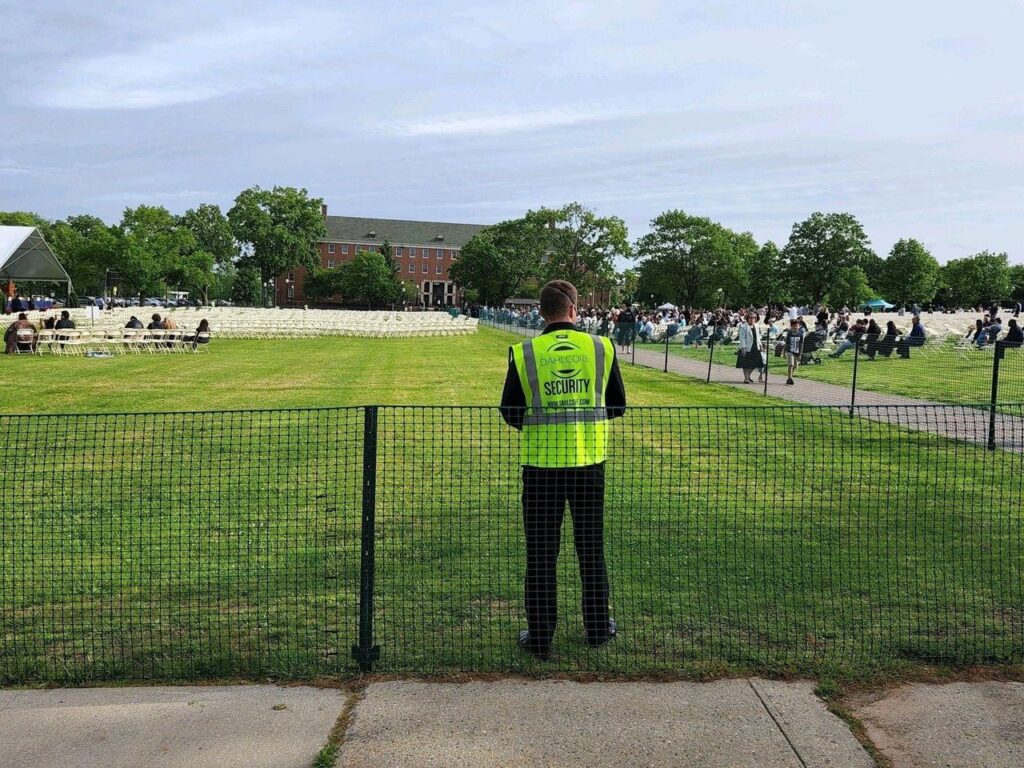
- Security Patrols: Regular patrols to inspect the site and respond to incidents.
- Visitor Management Procedures: Systems to identify, authorize, and monitor visitors.
Communication and Training
Effective emergency response relies heavily on the establishment of clear communication channels, enabling swift dissemination of crucial information during crises. Regular training sessions play a pivotal role in ensuring all personnel understand their roles and responsibilities, fostering a cohesive and efficient response to emergencies. By prioritizing both clear communication strategies and comprehensive training, construction sites can mitigate risks, enhance safety measures, and effectively manage emergencies when they occur.
Response and Recovery Strategies
In the wake of an emergency, swiftly implementing a comprehensive response plan to mitigate further damage and ensure the safety of individuals and infrastructure is crucial. This entails executing predefined protocols, allocating resources efficiently, and coordinating with relevant authorities to address immediate needs. Following the resolution of the crisis, conducting thorough reviews and assessments enables organizations to identify strengths, weaknesses, and areas for improvement, fostering a culture of resilience and preparedness for future emergencies.
Legal and Regulatory Considerations
Ensuring compliance with safety regulations is imperative within the construction industry, as failure to do so can result in severe legal consequences. The legal and regulatory framework governing construction site safety mandates strict adherence to standards to protect workers and the public from potential hazards. Proper documentation and meticulous record-keeping are essential components of this framework, serving as evidence of compliance and providing a crucial defense in the event of an incident or inspection.
Regular Review and Improvement
Conducting Periodic Risk Assessments
Regular evaluations are essential to proactively identify emerging threats and vulnerabilities, allowing organizations to adapt and enhance their security measures accordingly. By continuously assessing their systems and protocols, businesses can maintain an up-to-date understanding of potential risks and ensure that their defenses remain robust and effective against evolving security challenges.
Evaluating Emergency Response Drills
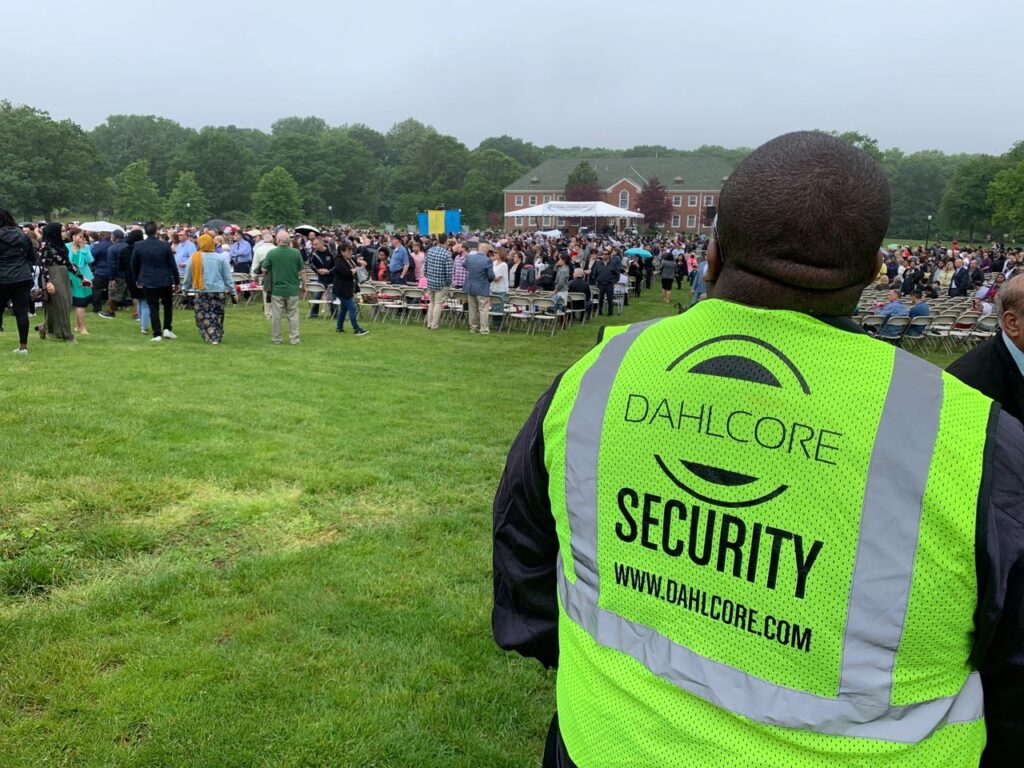
Drills designed to enhance response times and procedures based on real-life scenarios are highly effective in improving preparedness and efficiency. By integrating feedback from participants, these drills can be tailored to address specific weaknesses and continuously improve emergency response capabilities. This process is crucial in the development of a robust construction site emergency action plan, ensuring the safety of workers and effective management of potential crises.
Updating Emergency Response Plans
Updating emergency plans regularly is crucial to ensure they remain effective in response to changes such as new construction phases, personnel turnover, and insights gained from incidents and drills. By incorporating lessons learned from past experiences, organizations can refine their procedures and mitigate potential risks more efficiently. This proactive approach not only enhances overall preparedness but also fosters a culture of continuous improvement in emergency management practices.
Incorporating Lessons Learned
Continually improving safety and emergency response strategies involves a systematic analysis of past incidents and near-misses. By thoroughly examining these events, organizations can identify weaknesses and areas for improvement in their safety protocols and response plans. This iterative process enables the implementation of more effective measures to prevent future accidents and mitigate the impact of emergencies.
FAQs
What is the primary goal of emergency response planning at construction sites?
The primary goal is to ensure the safety and security of all personnel and assets on the construction site by preparing for and effectively managing potential emergencies.
How often should emergency response plans be updated?
Emergency response plans should be reviewed and updated regularly, at least annually, or whenever there are significant changes to the construction site or project.
Who should be involved in creating the emergency response plan?
The plan should be created with input from site managers, security personnel, local emergency services, and any other relevant stakeholders.
What is the role of training in emergency response planning?
Training ensures that all site workers and management know their roles during an emergency, improving the overall effectiveness and speed of the response.
How can we ensure all workers understand the emergency response plan?
Regular training sessions, drills, and accessible, explicit communication materials can help ensure all workers understand and can follow the plan.
What should be done after an emergency incident occurs?
After an incident, it’s crucial to conduct a debriefing to review the response’s effectiveness and make necessary adjustments to the emergency plan.
Conclusion
In conclusion, a well-prepared construction site emergency action plan is essential for ensuring the safety and security of all personnel. By proactively addressing potential risks and creating a comprehensive response strategy, construction managers can safeguard against unforeseen events. Adopting an effective emergency action plan will greatly enhance preparedness and minimize potential hazards on site.
Check other blogs
Security Strategies for Urban Dispensaries: Safe & Trustworthy
Drug Testing and Employee Termination
Enhancing Mobile Workforce Security in Commercial Environments
The Role of Security Guards: Duties & Responsibilities
