
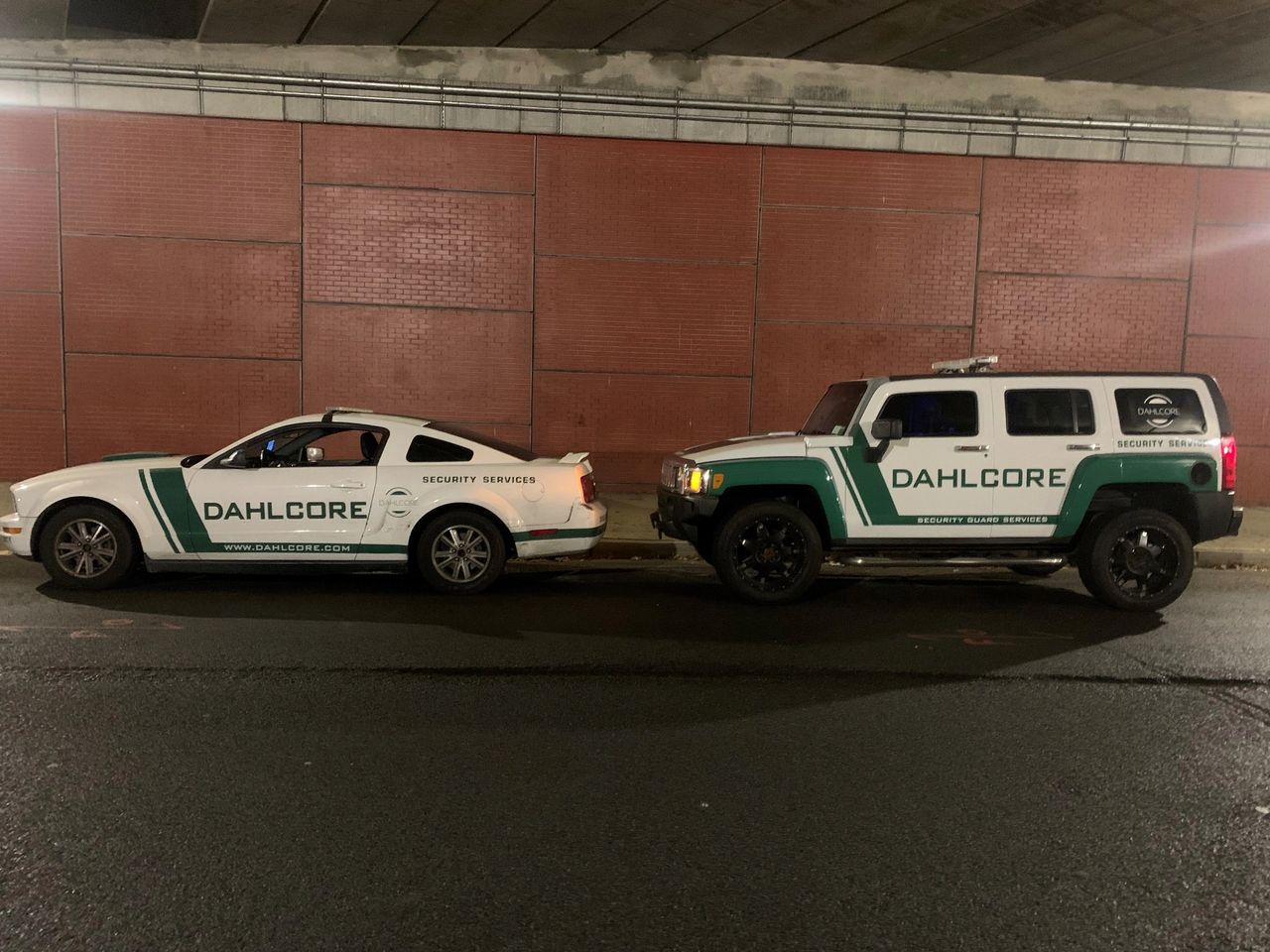
Fire protection security in Queens is mostly asked for by two kinds of building. The first is not finished yet: the towers rising in Long Island City, Flushing and Jamaica, where crews are welding and cutting every day and the sprinklers and alarms are not yet in service. The second is finished and full, and has nobody whose job is fire safety — a six-storey co-op in Forest Hills with its sprinkler riser being replaced, a mixed-use block in Astoria with the alarm panel out, a warehouse in Maspeth with a drained standpipe — where the responsible person is a superintendent or a managing agent. Dahlcore Security Guard Services supplies the certified fire guards both need: F-02 for hot work, F-01 for a system out of service, and, for the Queens buildings tall enough to require one, F-89 Fire Life Safety Directors. We are a licensed New York security guard agency; the company is veteran-owned, was founded in 2018, and is led by Ian Dahlberg, who brings more than 23 years of security experience. Queens is served from the Staten Island headquarters and the Manhattan office. We post the watch, walk the rounds and keep the log. We do not install, monitor, inspect, test or maintain any fire system.
Before and After the Certificate of Occupancy
The same certificate on the guard’s lanyard, and a very different post. Here is how a fire watch differs between a Queens site still under construction and a Queens building that is occupied but has no fire-safety staff of its own.
On a site under construction
- Who declares it: the general contractor’s site safety manager or superintendent, from the day’s hot-work permits and the state of the temporary systems
- The certificate: F-02 fire guards for welding, cutting and torch work; F-01 where a temporary standpipe or alarm is out of service
- Who the guard reports to: the site safety manager, and the trade foreman whose torch they are standing beside
- What the log looks like: tied to the permit — start of work, checks during, the cooling period after, and who signed the area off
- What the day is like: the guard moves with the work — a different floor, a different trade, several permits a day — and the post ends when the last torch is cold
- When it ends: when the permit closes, or when the building’s permanent systems are accepted and the post becomes a different one
In an occupied building with no FLSD
- Who declares it: the superintendent or managing agent, usually because the fire protection contractor has just told them a system is coming out of service
- The certificate: F-01 fire guards for the impaired system; F-02 added for any hot work the repair involves
- Who the guard reports to: the super or agent — there is no Fire Command Center and no FLSD, so the brief and the escalation are settled with them directly
- What the log looks like: timed rounds of the affected floors and stairs, what was seen, and the guard’s name — kept for the building, in the form the FDNY asks for
- What the day is like: residents are home, the corridors are theirs, and the rounds are walked so that they are noticed as little as possible
- When it ends: when the contractor restores the system and the responsible person confirms it — not when the estimate ran out
The building in between
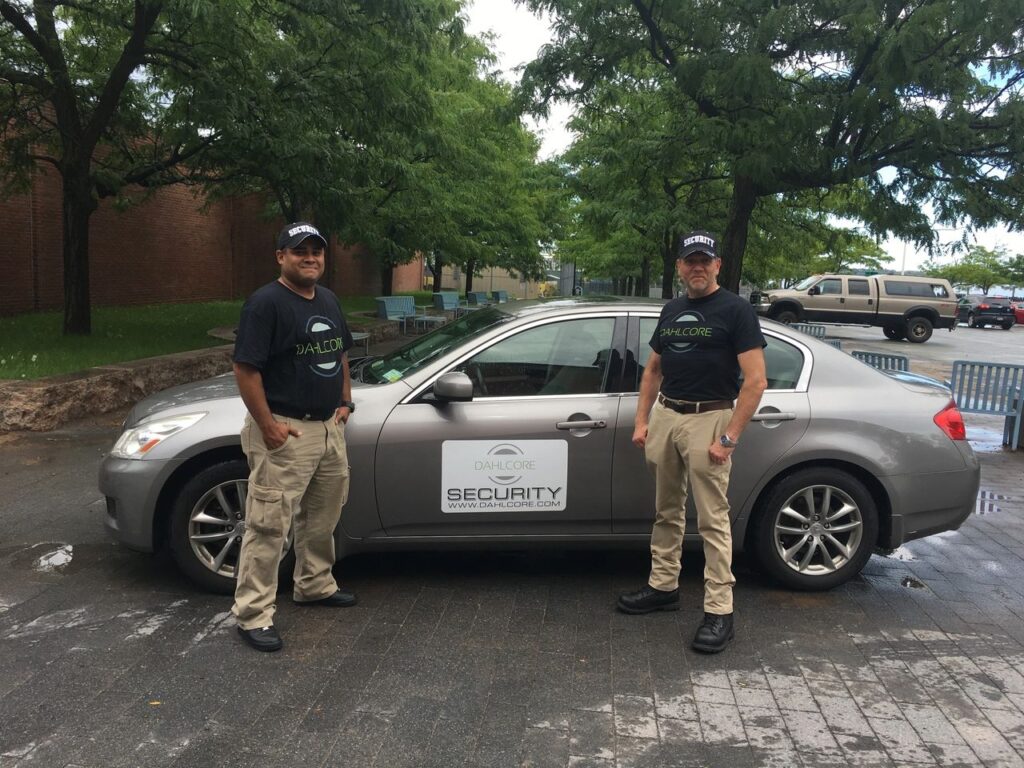
Queens has a third kind of building, and it is the hardest one: the tower that is both. A temporary certificate of occupancy has been issued for the lower floors, the first residents or tenants have moved in, and the upper floors are still under construction with hot work going on above people’s heads. The permanent fire systems serve some floors and not others; the site safety manager is responsible for the construction and a brand-new managing agent for the occupied part, and the two do not always talk. The watch there is two posts run as one: F-02 guards with the trades above, F-01 rounds on the occupied floors below, one log that both responsible people can read, and one account manager who makes sure the permit schedule upstairs and the impairment downstairs are known to each other. This is the Long Island City post more than any other, and it is the one we plan most carefully.
The Four Queens Buildings That Call for a Watch
Queens is not one market. The post is set by what the building is, who is responsible for it, and what is happening to its systems.
New construction and conversions
The residential and hotel towers of Long Island City, the mixed-use developments around downtown Flushing, and the commercial rebuilding around Jamaica. Hot work every working day, temporary systems that go in and out of service as floors are built, and a site safety manager who needs a fire guard on the permit rather than a promise. This is F-02 work first and F-01 work second, and it runs on the contractor’s schedule.
Mid-rise co-ops and rentals
The six-storey and twelve-storey apartment buildings of Forest Hills, Rego Park, Jackson Heights, Kew Gardens and Elmhurst, most of them decades old and most of them replacing a sprinkler riser, an alarm panel or a standpipe at some point in the next few years. No FLSD, no Fire Command Center, a superintendent who has never arranged a fire watch before, and residents who are home all day. F-01 rounds, walked quietly, with the brief settled with the super.
Mixed-use and hotels
Retail below, apartments or hotel rooms above, along the commercial streets of Flushing, Astoria, Jamaica and Sunnyside — buildings where an impairment on the ground floor affects the floors above, and where a restaurant’s kitchen suppression and the building’s sprinkler are two different systems with two different contractors. The watch is briefed on which system is out and which occupancy it serves. Where a hotel is tall enough to require a Fire Life Safety Director, the F-89 post is a separate matter, and we supply it.
Warehouses and industrial buildings
The distribution and light-industrial stock of Maspeth, Long Island City and Woodside — large floor plates, high racking, sprinkler systems designed for what is stored, and standpipes that are drained for repair more often than owners expect. A fire watch there is a long walk on an interval with a lot of floor to cover, and the log is what the tenant’s insurer asks to see afterwards. The rounds are set from the floor plan, not from a template.
What a Queens Super, Agent or Site Safety Manager Can Check
Most of the people who book a Queens fire watch have not booked one before. These are the four things worth checking on any provider, and what the answer is for Dahlcore.
Does the guard hold the certificate the post needs?
Fire guards carry the FDNY Certificate of Fitness that matches the assignment — the F-01 for a system out of service, the F-02 for hot work — and the certificate is on them, on site, for the site safety manager or the FDNY to see. Where a Queens building is tall enough to require a Fire Life Safety Director, that post is held by an F-89 holder who has passed the on-site exam for that specific building. We match the certificate to the post; we do not treat one as cover for another.
Is the company a licensed agency, and can I verify it?
Dahlcore is a licensed New York State security guard agency. Officers are registered under the New York Security Guard Act (General Business Law Article 7-A) with the NY Department of State, Division of Licensing Services, and their training is DCJS-approved. The agency licence can be checked publicly at dos.ny.gov. Licensed, insured and bonded, with a certificate of insurance on request in the form a general contractor’s or a co-op’s insurer specifies, naming the additional insureds they require.
Who are the people, and how are they prepared?
Every guard is background-checked before assignment and certified in CPR, AED and First Aid. Before the first round or the first permit they are briefed on the site or the building — the responsible person, the floors, the stairs, what residents or trades should expect — and on the line between their job and the fire protection contractor’s. Directors and guards who work Queens regularly know its building types, because the brief is different in a Maspeth warehouse and a Forest Hills co-op.
What will I actually be able to see?
The log, as it is written. Timed rounds, permit-tied hot-work entries, observations and names go into the reporting portal, and the responsible person has a login; attendance is confirmed with GPS and geofenced verification, so a super in Rego Park or a site safety manager in Long Island City knows the post was held without standing next to it. A named account manager knows every post we are covering for you. A backup and relief bench keeps a watch continuous through a guard’s illness or a schedule that overruns.
Arranging one for the first time
A Manhattan managing agent has usually booked a dozen fire watches. A Queens superintendent has often booked none, and the call comes the afternoon the sprinkler contractor says the riser will be out from Monday. So the first conversation is not a sales call; it is a short, plain description of what the post is. Which system is coming out, and on which floors? Who at the building is the responsible person the FDNY will look to? Which hours does the watch need to cover — occupied hours, overnight, or continuous? Is there any hot work in the repair? Where should the log live, and who needs to read it? Those answers set the post. Dispatch is reachable around the clock for the riser that lets go on a Saturday, and guards are posted the same day where availability allows; we do not publish a response window, because the honest answer depends on what is already posted across the city that day.
Queens Fire Protection Security FAQ
Answers for Queens superintendents, co-op boards, managing agents, general contractors and site safety managers. For what fire protection security is, the F-01 and F-02 credentials, what triggers a watch and what the log contains, see our main Fire Protection Security Services page.
Our tower in Long Island City has a temporary certificate of occupancy for the lower floors while the upper floors are still being built. Whose fire watch is it?
Both parties’ — and that is the problem to solve before the first shift. The site safety manager is responsible for the hot work and the temporary systems upstairs; the managing agent is responsible for the occupied floors and the permanent systems downstairs. We take a brief from each, run the F-02 posts above and the F-01 rounds below as one assignment with one log, and give both responsible people a portal login so neither is finding out about the other’s floors after the fact.
I am the super of a co-op in Forest Hills and the sprinkler riser is out from Monday. I have never arranged a fire watch. What do you need from me?
Five things, and a phone call covers them: which system is out and on which floors; the contractor’s estimate for the work; the hours the building needs covered; the name of the responsible person the FDNY would look to, which is often the managing agent; and where you would like the log kept. We settle the rounds, the escalation and what residents will see from that, and the guards arrive briefed. Whether the watch is required is a question the Fire Code and your contractor answer; we post what is declared.
Our building has no Fire Life Safety Director and no Fire Command Center. Who does your guard report to?
The responsible person you name — usually the superintendent by day and the managing agent’s emergency line by night — and that is written into the brief with a phone number. Where there is no Fire Command Center, the guard’s rounds and log are the building’s whole picture of the impairment, so the escalation path matters more, not less. If something is found on a round, the guard calls 911 first and the responsible person second, in that order.
The contractor doing our roof work says they have their own fire watch. Do we still need you?
Possibly not — but check what they mean. Hot work on a roof needs an F-02 fire guard at the torch, and some roofing contractors carry their own certified person for that. What they usually do not cover is an impairment to the building’s own system that the work causes, or the occupied floors below it, which is an F-01 post that belongs to the building. Ask the contractor for the guard’s certificate and what their permit covers; where there is a gap, that is the post we fill.
We own a warehouse in Maspeth and the tenant’s insurer wants proof the standpipe impairment was covered. What do they get?
The log. Every round with its time, the floor area covered, what was seen and the guard’s name; the impairment’s declared start and its clearance; and the certificate of the guard who walked it. It is kept through the reporting portal as the watch runs, so it exists from the first round rather than being reconstructed afterwards, and it is in the form the FDNY asks for, which is generally what an insurer accepts.
I own a house in Bayside. Can you provide fire protection for my home?
Honestly, no — not in the way this page describes. Fire watch and Fire Life Safety Directors are building services tied to fire systems and the NYC Fire Code, and we do not install, monitor or service alarms or detectors in a home or anywhere else. For a private residence what we offer is residential security, which is a different service. If your building is a multi-family property with a sprinkler or alarm system coming out of service, then this page applies to you.
Our restaurant is on the ground floor of a mixed-use building in Flushing. The kitchen suppression is being replaced. Is that a fire watch?
A kitchen hood suppression system and the building’s sprinkler and alarm are separate systems, and what the Fire Code requires when each is out of service is a question for the building’s responsible person and the contractor. Where a watch is declared for the restaurant’s system, its hours, or for the building’s system above it, we post to that declaration — briefed on which system it is, because a guard walking the apartments upstairs for a kitchen impairment is covering the wrong thing.
Our site runs a night shift with hot work. Is the watch there for the night shift too?
If there is a torch, there is an F-02 guard beside it, whatever the hour; hot work at two in the morning needs the same post as hot work at two in the afternoon, plus the cooling period after it. Night posts are set from the permit schedule the site safety manager gives us, and covered from the bench so that a guard who has walked the site by day is not asked to also stand the night. The log does not distinguish shifts; the permit does.
Where in Queens the watch gets posted
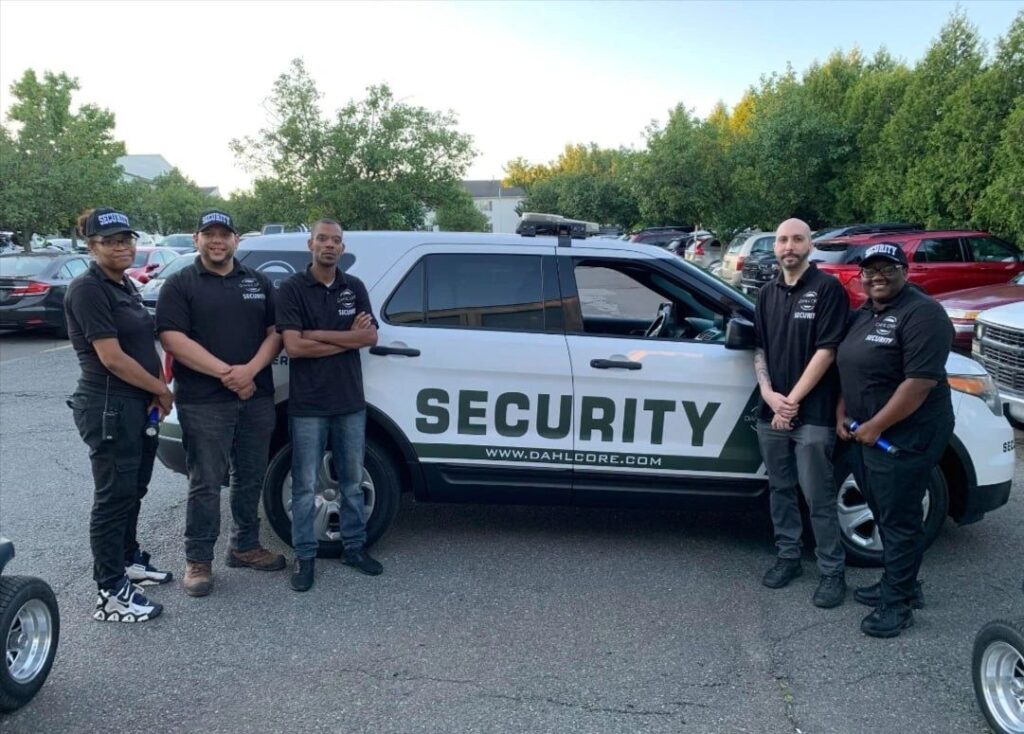
The construction floors of Long Island City, downtown Flushing and Jamaica; the mid-rise apartment stock of Forest Hills, Rego Park, Kew Gardens, Jackson Heights and Elmhurst; the mixed-use streets of Astoria, Sunnyside and Flushing; the warehouses of Maspeth and Woodside; and the low-rise commercial and residential neighborhoods east and south of them, from Bayside to Richmond Hill, Ozone Park and the Rockaways. Wherever the post is, the same three things are settled first: who declared the impairment or permit, who the guard reports to, and where the log lives.
What Clients Say About Dahlcore
Explore real feedback from clients, and from people in the industry, on how Dahlcore’s management and officers hold a post.
“Highly recommended. I’ve worked alongside Dahlcore management with another agency. They have a track record of proven leadership, integrity and professionalism. Utilizing Dahlcore for your security is a smart choice.”
“Ian and Dahlcore are the best. Professional, courteous and the staff really seem to be passionate and enjoy their job. Highly recommend Dahlcore for security.”
“Never been happier with a security company. Great people all around, I recommend them highly.”
Post the Watch on Your Queens Site or Building
Tell us whether it is a site under construction or an occupied building, which system is out or what hot work is planned, on which floors, from when and for how long, and who the responsible person is. We will describe the post back to you in plain terms, agree the brief, and put a coverage recommendation in front of you before the first shift. For a system that has already failed, call dispatch now. Consultations are free.
Direct Contact
212-208-0900Serving all of Queens · Dispatch 24/7
Office Hours: 8:00 AM – 8:00 PM · Dispatch available 24/7
Our Offices
1110 South Avenue, Staten Island, NY 10314
250 Park Avenue, New York, NY 10177
Queens · Manhattan · Brooklyn · The Bronx · Staten Island · Long Island