
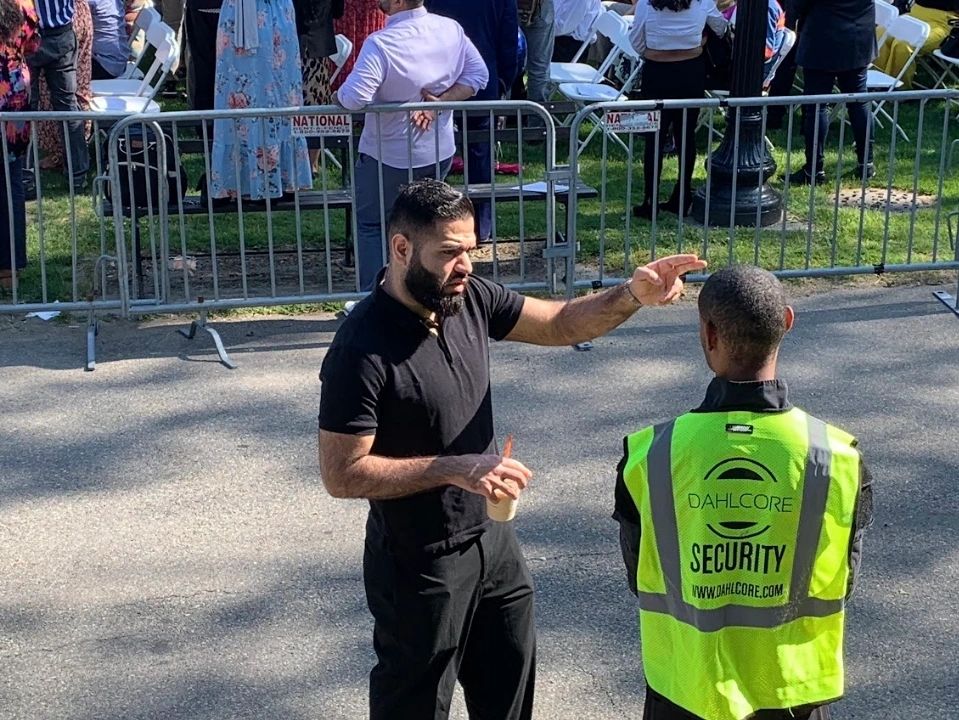
In Manhattan a fire watch is rarely the result of something breaking. It is the result of something being built: a tenant fit-out that takes the alarm off three floors for six weeks, a sprinkler riser replaced one floor at a time, welding in a mechanical room while the standpipe is drained. The building is occupied throughout, it already has a Fire Life Safety Director and a Fire Command Center, and the impairment has a contractor’s schedule attached to it. Dahlcore Security Guard Services supplies the fire guards for that watch — holding the FDNY Certificate of Fitness the post requires, F-01 for a system impairment and F-02 for hot work — and the F-89-certified Fire Life Safety Directors the same buildings need the rest of the year, from an office at 250 Park Avenue. We are a licensed New York security guard agency; the company is veteran-owned, was founded in 2018, and is led by Ian Dahlberg, who brings more than 23 years of security experience. We post the watch, walk the rounds and keep the log. We do not inspect, test or maintain the systems that are down.
An Impairment in an Occupied High-Rise, Start to Finish
Four stages, and a different person in charge of each. Knowing which one you are in tells you what the watch is doing that day and who decides when it stops.
1. Declared
The building’s responsible person — usually the Fire Life Safety Director or the chief engineer, sometimes the contractor’s superintendent — declares which system is out of service, on which floors, from when, and makes whatever notification the current NYC Fire Code requires of the building. That declaration is the brief: it sets where the watch is posted, which hours it covers, and how the rounds are timed. We do not decide that a system is impaired, and we do not restore it. We take the declaration and staff it.
2. Posted
Fire guards holding the F-01 arrive with the building’s declaration and their own log. Posts are set from the affected floors, the stairs that serve them and the Fire Command Center; rounds are walked on a set interval, and each is recorded with the time, the floor, what was seen, and the guard’s name. On a fit-out floor that means checking the work area after the crew leaves; on a residential floor it means rounds that tenants notice as little as possible. Attendance is confirmed with GPS and geofenced verification, so the log is corroborated rather than asserted.
3. Worked around
A Manhattan impairment almost always has work going on inside it: the contractor cutting in the new panel, the plumber on the riser, the welder in the mechanical room. Hot work during an impairment raises its own requirement, and an F-02 fire guard is posted for it — before the torch is lit, through the work, and for the cooling period after — as a separate post from the F-01 rounds. The two logs reference each other, and the building’s FLSD sees both, because the person operating the Fire Command Center needs to know where the torch is.
4. Cleared
The watch ends when the system is back in service and the building’s responsible person says so — not when the contractor packs up, and not when the estimate ran out. The final log entry records who cleared it and when; the complete log, every round and every hot-work entry, goes to the building in the form the FDNY will ask for if they ask. An impairment that overruns its estimate is simply a longer watch, covered from the same bench, with the same guards where the schedule allows.
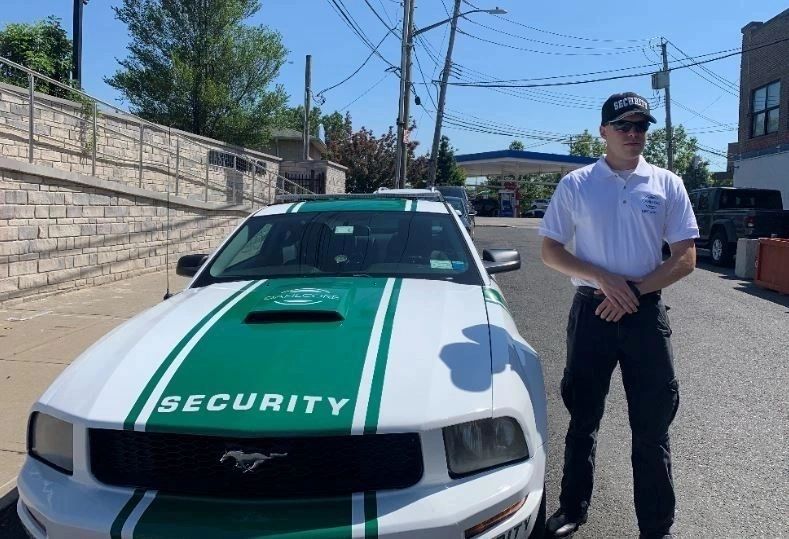
The building never empties
What makes a Manhattan fire watch different from one on a construction site is that everyone is still there. Tenants on the floors above and below the fit-out are working; residents in a co-op on the Upper West Side are home; a hotel in Midtown is full. The rounds have to be thorough enough to satisfy the log and quiet enough that a law firm does not notice a guard in its corridor at eleven at night. Guards are briefed on the building’s own rules before the first round — which stairs, which freight elevator, which floors are off-limits, what the lobby desk expects to be told — and they work under the FLSD, who is the person in the building with authority over the plan. The watch is there so that the building can keep operating with a system down. It is not there to be noticed.
What the Watch Brief Needs From the Building
Twelve things settled before the first round, most of them from the building’s declaration and its Fire Life Safety Director. A brief with all twelve means the guards are useful from the first hour rather than the second day.
The Credentials Behind a Manhattan Watch
What a managing agent, a co-op board or a hotel’s engineering office will want to see before guards are on the floors — and what a landlord’s insurance requires.
The right certificate for the post
Fire guards hold the FDNY Certificate of Fitness that matches the assignment: the F-01 for a system impairment, the F-02 for hot work. Where the same building needs a Fire Life Safety Director, that post is held by an F-89 holder who has passed the on-site exam for that building. We match the certificate to the post rather than treating one as cover for another, because the FDNY will check exactly that.
A licensed agency with an office in the borough
Dahlcore is a licensed New York State security guard agency. Officers are registered under the New York Security Guard Act (General Business Law Article 7-A) with the NY Department of State, Division of Licensing Services, and their training is DCJS-approved. Licensed, insured and bonded, with a certificate of insurance on request naming the landlord and managing agent as their lease requires, and public verification of the agency licence at dos.ny.gov. The Manhattan office is at 250 Park Avenue.
Background-checked, and briefed on your building
Every guard is background-checked before assignment and certified in CPR, AED and First Aid. Before the first round they are briefed on the building’s declaration, its FLSD, its stair and elevator rules and its lobby protocol, so that the watch fits the building rather than the building adjusting to the watch. Guards are trained to work alongside a fire protection contractor without doing that contractor’s job.
A log that survives the question
Every round is recorded with time, floor, observation and name; hot-work entries are kept as their own record; attendance at the post is confirmed with GPS and geofenced verification; and the complete log is available to the building through the reporting portal as it is written, not assembled afterwards. A named account manager knows every impairment we are covering for you. A backup and relief bench keeps the watch continuous through a guard’s illness or a schedule that overruns.
Planned in the spring, posted in the summer
Because a Manhattan impairment usually begins with a contractor’s schedule, the watch can be arranged the way the work was — weeks ahead, with the floors, the hours and the hot-work windows known. Managing agents who bring us in at the planning stage get guards who have walked the building before the alarm comes off, a log format agreed with the FLSD, and a bench sized to the estimate plus the overrun that fit-outs usually produce. The other kind of impairment — the alarm panel that fails at six on a Friday evening, the riser that lets go — is handled from the same office and the same bench, with dispatch reachable around the clock and guards posted the same day where availability allows. We do not publish a response window, because the honest answer depends on what is already posted that night. We do answer the phone.
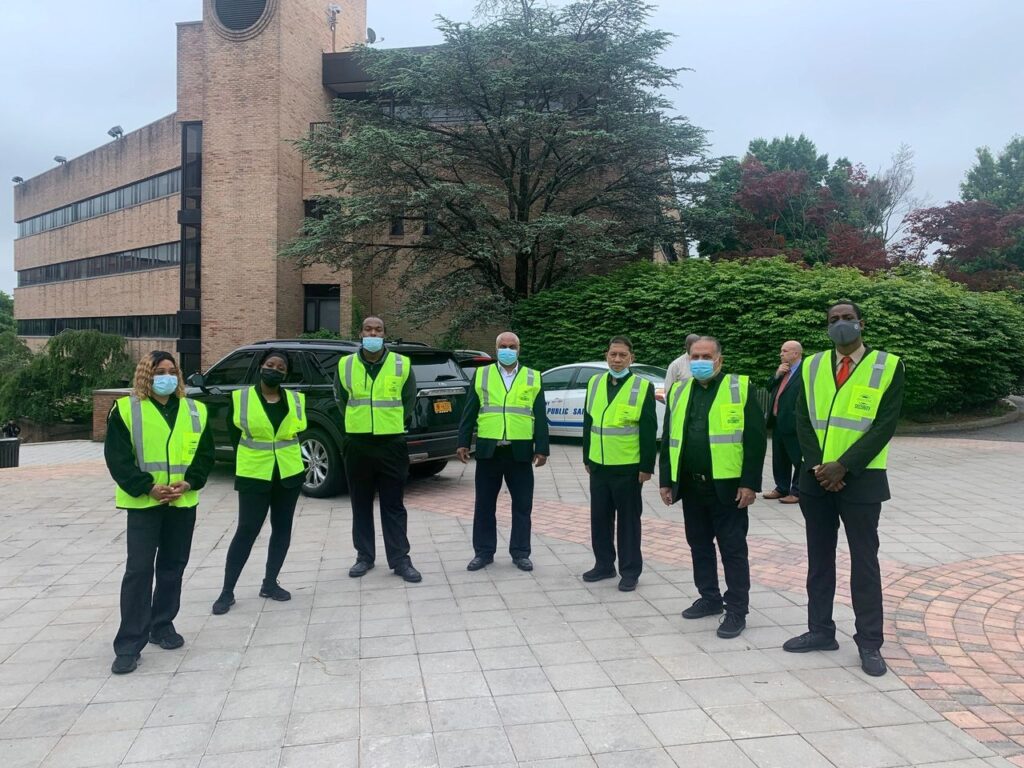
Manhattan Fire Protection Security FAQ
Answers for Manhattan managing agents, co-op boards, hotel engineering offices and general contractors. For what fire protection security is, the F-01 and F-02 credentials, what triggers a watch and what the log contains, see our main Fire Protection Security Services page.
Our tenant’s contractor is replacing the alarm on three floors next month. Is the fire watch ours to arrange or theirs?
That is decided by the lease and the alteration agreement, not by us, and it is worth settling before the work starts — the building is the one the FDNY holds responsible for the impairment either way. In practice we are engaged by whichever party the agreement names, we take the brief from the building’s Fire Life Safety Director regardless of who is paying, and the log goes to the building. Where the tenant’s contractor engages us, the managing agent still gets the portal login.
Our FLSD says the sprinkler is impaired on two floors only. Does the watch cover the whole building?
The watch covers what the declaration says is impaired, on the interval the declaration and the Fire Code set for it — so a two-floor impairment is a two-floor watch, plus the stairs that serve those floors and the Fire Command Center. If the contractor’s work later reaches a third floor, the FLSD amends the declaration and the watch grows with it. We post to the declaration; we do not decide its extent.
Can the building’s own lobby guard just do the fire watch?
Only if they hold the F-01 and can leave the desk to walk the rounds on the required interval, which a lobby post almost never allows. A fire watch is a walking post with a log; a lobby post is a fixed one with a different job. Where a building’s own desk contractor has certified staff and the numbers to spare, that can work; where it does not, a dedicated watch is posted and the two coordinate through the FLSD.
The impairment was supposed to last a week and is now in its second month. What changes?
The watch continues; what changes is the roster. A long impairment is covered from the bench so that the same guards hold it where possible — a guard who has walked the same floors for six weeks knows the building in a way a fresh one cannot — with relief built in for days off and illness. The log runs continuously from the first day to the clearance, however long that turns out to be, and the account manager checks the estimate with the FLSD as it moves.
Contractors are welding in the mechanical room while the sprinkler is out. One watch or two?
Two posts, usually two people. The F-01 fire guard is walking the impaired floors on the round interval and cannot also be standing beside the torch; the F-02 fire guard is at the hot work before it starts, during it, and through the cooling period after, and goes nowhere else. Each keeps a log and each log notes the other. Where the hot work is on the impaired floor itself, the FLSD decides how the two coordinate, and it is written into the brief.
Our building has a Fire Command Center and an FLSD on duty. What does a fire watch add?
Feet on the affected floors. The FLSD is at the Fire Command Center operating a building whose alarm is now blind on part of it; the fire watch is the part of the system that the impairment took away — the eyes on those floors, on an interval, with a record. The FLSD directs the watch and receives its log; the watch does not replace the FLSD, and the FLSD cannot walk rounds and staff the Fire Command Center at once.
Who notifies the FDNY about the impairment — you or us?
The building. Whatever notification the current NYC Fire Code requires when a system goes out of service is made by the building’s responsible person, and we do not file it on your behalf or interpret what it must contain. What we supply is the watch that the notification says is in place, and a log that shows it was — which is what the FDNY asks to see if they ask at all.
The alarm failed at six on a Friday evening. What happens between now and Monday?
Call dispatch, which is staffed around the clock. We will need the declaration from your FLSD or engineer — which system, which floors, from when — and we post from the bench that night where availability allows; the honest answer on timing depends on what is already posted across the city that evening, which is why there is no promised window on this page. The Monday conversation is about the estimate, the contractor and the roster; the weekend is about getting certified guards on the floors and a log started.
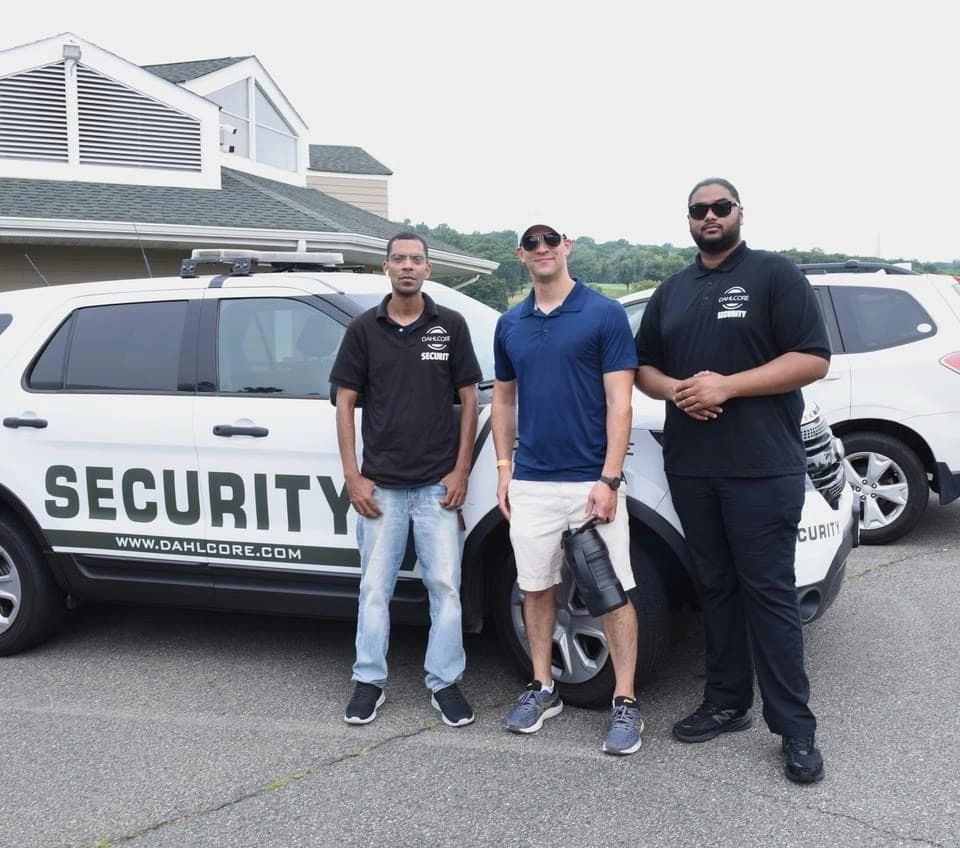
Where in Manhattan the watch gets posted
Midtown office towers and hotels through their fit-out seasons; the Financial District’s conversions and mixed-use towers with systems being replaced floor by floor; the co-ops and rental buildings of the Upper East Side and Upper West Side, where a riser replacement means a watch on residential floors for weeks; the loft buildings of SoHo and Tribeca, whose older systems are the ones most often out of service for upgrade; and the residential stock of Harlem. Wherever the building is, the same things are true: it is occupied, it has a responsible person, and the watch answers to them. The office at 250 Park Avenue is where the account manager sits.
What Manhattan Clients Say About Dahlcore
Explore real feedback from clients on the Manhattan office’s Google profile, from property owners who use Dahlcore across their buildings.
“Amazing service we use them all the time for our properties. Highly recommended!”
“Since joining Dalhcore they’ve always provided a great experience. I genuinely recommend this security company for your needs.”
“I proudly stand behind Dahlcore Security! Highly recommended.”
Post the Watch in Your Manhattan Building
Tell us which system is coming out of service, on which floors, from when and for how long, and who your Fire Life Safety Director is. We will walk the post and the plan with them, agree the brief, and put a coverage recommendation in front of you before the alarm comes off. For a system that has already failed, call dispatch now. Consultations are free.
Direct Contact
212-208-0900Serving all of Manhattan · Dispatch 24/7
Office Hours: 8:00 AM – 8:00 PM · Dispatch available 24/7
Our Offices
250 Park Avenue, New York, NY 10177
1110 South Avenue, Staten Island, NY 10314
Manhattan · Brooklyn · Queens · The Bronx · Staten Island · Long Island