

Queens is mostly a low-rise borough, and the buildings in it that the current NYC Fire Code requires to have a Fire Life Safety Director are the exceptions — clustered in Long Island City, Flushing and Jamaica, with older high-rise pockets around Forest Hills and Rego Park. Many have had the post for decades, held by the same director or handled informally by a long-serving superintendent, and the moment that person retires the building discovers how much of its fire safety lived in one head. Dahlcore Security Guard Services supplies F-89-certified Fire Life Safety Directors and Emergency Action Plan Directors to Queens buildings, and a good deal of that work is taking over a post someone else held for a long time. The company is veteran-owned, was founded in 2018, and is led by Ian Dahlberg, who brings more than 23 years of security experience; Queens is served from the Staten Island headquarters and the Manhattan office.
The Queens Buildings That Carry the Requirement
Whether a building needs an FLSD turns on its height, its occupancy classification and its certificate of occupancy under the current NYC Fire Code. In Queens the buildings that do are few, scattered, and often the tallest thing for several blocks.
Long Island City’s newer towers
The office, hotel and mixed-use buildings that went up along the East River and around Court Square over the last fifteen years. Newer stock, but no longer new — the first directors are moving on, the first plans are due a real rewrite, and the first generation of wardens has mostly changed jobs.
Flushing and Jamaica hotels
The borough’s two hotel clusters, occupied around the clock by guests who do not know the building and, in Flushing especially, may not read the signage in English. The post is covered whenever the building is occupied, and the plan is written for people who need to be told everything.
Older commercial buildings changing hands
Flushing’s and Jamaica’s commercial towers and the mixed-use buildings around Forest Hills and Rego Park, many of them with a director or a super who has held the fire safety role since long before the current Fire Code. The plan exists, the records exist, and both are in a filing cabinet nobody but the outgoing person can navigate.
The one qualifying building in a low-rise portfolio
Queens owners often hold one building with an FLSD requirement among a dozen without. There is no fire-safety department behind it, no sister building to borrow a relief from, and the requirement is a thing the owner deals with once a year at inspection and forgets in between. The director is the building’s only fire-safety professional, and has to act like it.
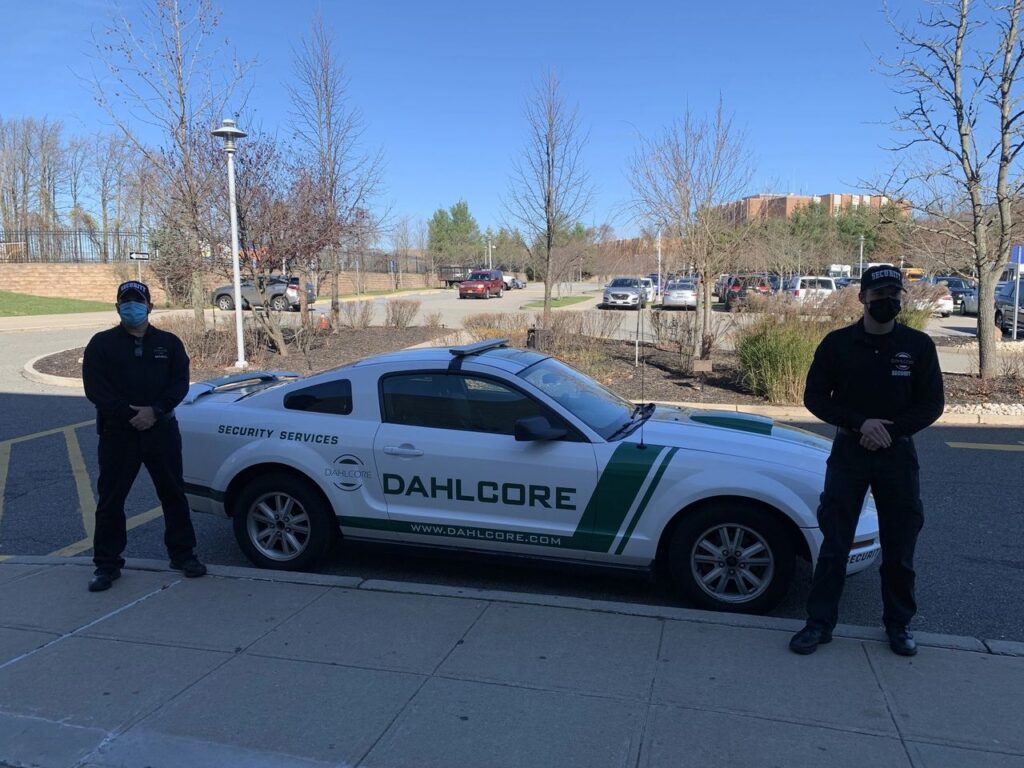
The building has habits. Nobody wrote them down.
A new building’s problem is that it has no history. An older Queens building’s problem is the opposite: it has twenty years of history and most of it is in the memory of one person who is about to retire. The drill has always been run a particular way because of a stair that was rebuilt in the nineties. The warden on eleven is really the office manager on twelve, who covers both. The FDNY company that responds knows the building as “the tall one by the station” and expects a certain face at the door. None of this is in the plan on file, which was last rewritten before half the tenants moved in. Taking over that post is not a matter of showing up with a certificate. It is a matter of finding out what the building actually does, writing it down, and then deciding what should change.
Taking Over a Post Someone Else Held
Six things a new director has to do in a building with a long fire-safety history and a thin file. None of them involves the fire systems, which stay with the contractor who has always serviced them.
1. Find out what is in the file and what is in someone’s head
Before the outgoing director or super leaves, if at all possible. An hour with the person who has held the post is worth more than a week with the cabinet — which stair is locked from the wrong side, which tenant never sends a warden, which alarm zone always shows a fault. We ask for that hour.
2. Reconcile the plan with the building as it is
The Fire Safety and Emergency Action Plan on file describes the building as it was when it was written. The director walks the building against it — tenants, exits, relocation floors, the Fire Command Center’s current configuration — and rewrites what no longer matches. That is a plan revision, not a system inspection.
3. Find the wardens who still work there
The warden roster from a previous decade is a list of people who have mostly left. The director goes floor by floor, confirms who is actually there, names and briefs replacements, and produces a roster that matches the building directory rather than a memory of it.
4. Reconstruct the drill history, then run one
Whatever drill records exist are gathered and put in order. Then the director runs a drill — not to satisfy anyone, but to see what the building actually does when the alarm sounds, which is the only reliable way to learn a building’s habits from the outside.
5. Introduce the building’s new face to the people who expect the old one
Building management, the security desk, the tenants’ office managers and, when they next attend, the FDNY unit that responds — all of them expect a particular person at the Fire Command Center. The director makes those introductions early rather than at the next alarm.
6. Leave a file the next director can inherit
The point of all of it: when this director eventually moves on, the plan, the roster, the drill records and the building’s quirks are written down where the next person can find them, so the building never again depends on one person’s memory.
Credentials a Queens Building Can Verify
What an owner, a managing agent or an FDNY inspector will check — and, for a building taking over from a long-serving director, the things that were never checked before.
The certificate the previous person may not have had
Every director we place holds the F-89 Certificate of Fitness issued by the FDNY, which is the credential the Fire Code requires for the role, and Emergency Action Plan Directors are supplied where the plan calls for one. In an older building the first useful thing a new provider does is establish whether the post was ever formally held at all — and the certificate is where that starts.
A licensed New York security agency
Dahlcore is a licensed New York State security guard agency. Officers are registered under the New York Security Guard Act (General Business Law Article 7-A) with the NY Department of State, Division of Licensing Services, and their training is DCJS-approved. Licensed, insured and bonded, with a certificate of insurance on request and public verification of the agency licence at dos.ny.gov.
Fluent at a panel they did not install
Older buildings have older Fire Command Centers, often upgraded piecemeal over the years. Our directors are trained to operate these systems from the FLSD’s post — zones, annunciators, communications to every floor, evacuation and relocation sequences — whatever generation of equipment the building has, and are certified in CPR, AED and First Aid. What they learn on arrival is this panel’s particular history.
Records that outlast the person keeping them
Drills, warden rosters, plan revisions and incidents are logged as they happen, in the form an FDNY inspector expects, and attendance at the post is confirmed with GPS and geofenced verification. Your named account manager and a reporting portal login give you sight of it — and the file stays with the building, not with the director.
The only fire-safety professional in the building
A Manhattan tower’s FLSD works inside a system — a property management firm with a fire-safety lead, a portfolio with a shared standard, a relief bench down the street. A Queens owner with one qualifying building among a dozen low-rise ones has none of that. The director is the whole fire-safety function: the person who keeps the plan, knows the wardens, runs the drills, meets the inspector and remembers what happened last time. That is a different job from being one director among many, and it needs a provider that supplies the structure around the post — the account manager, the relief bench, the records — rather than assuming the building already has it.
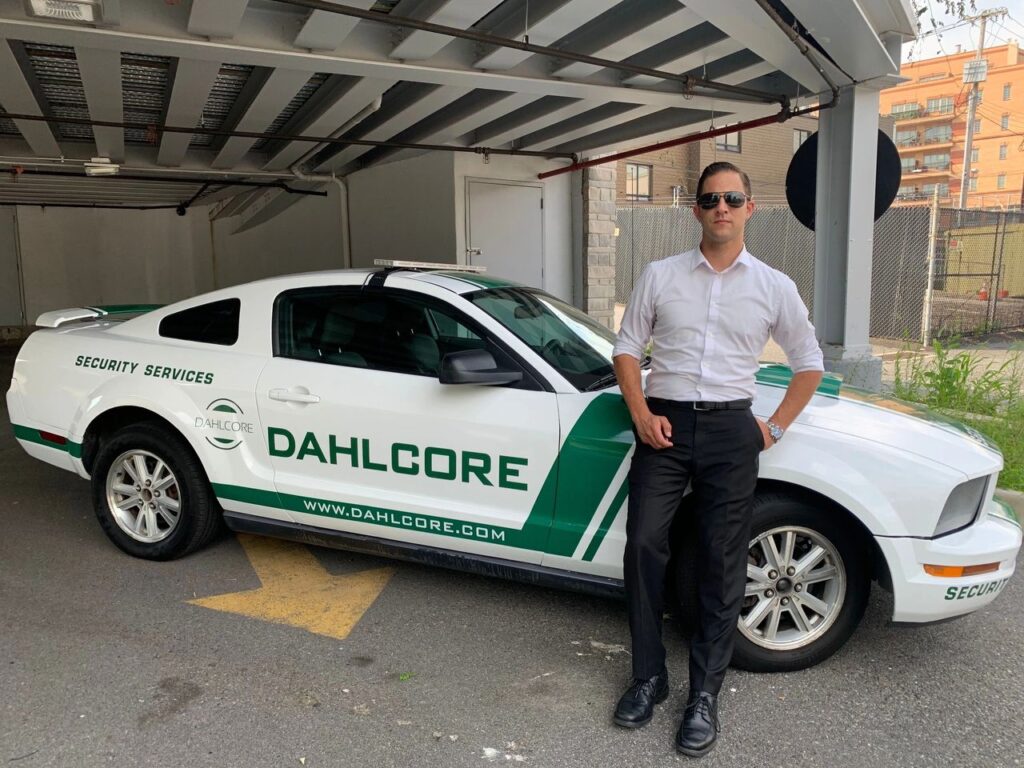
Queens Fire Life Safety Director FAQ
Answers for Queens owners and managing agents. For what an FLSD is, when one is required, the F-89 credential and how coverage is structured, see our main Fire Life Safety Director page.
Our director has been here for fifteen years and is retiring. What do we actually have?
Probably more than is in the file and less than you think. A long-serving director carries the building’s fire-safety history in memory — the quirks, the wardens, the way the drill really runs — and the file on the shelf is usually years behind it. The most valuable thing you can arrange is an hour between the outgoing director and the incoming one before the handover; after that, the new director walks the building against the plan and writes down what the file never captured.
The plan on file was written years ago. Does it need rewriting or just updating?
It needs reconciling with the building as it is now, and how much that turns out to be depends on how much has changed. Tenants, exits, relocation floors and the Fire Command Center’s configuration are checked against the document; whatever no longer matches is rewritten. That is a plan revision — the director’s job under the Fire Code — and it is done from the building, not from a template.
Our superintendent has handled the fire safety informally for years. Can he keep doing it?
Only if he holds the F-89 Certificate of Fitness. The Fire Code requires the post to be filled by someone certified for it, and knowing the building well — which a long-serving super genuinely does — does not substitute for the certificate. If he holds it, he may well be your best director. If he does not, the post is empty in the Fire Code’s eyes, and the best use of his knowledge is the handover hour with whoever fills it.
We only have one building that needs an FLSD. Is that too small for you?
No, and it is the most common Queens situation. A single qualifying building in an otherwise low-rise portfolio has no fire-safety department behind it, so what it needs from a provider is the structure a portfolio would have had — a named account manager, a relief bench so the post is never empty, and records kept properly all year rather than assembled before the inspection. That is exactly what we supply to a one-building client.
Our hotel’s guests mostly do not read English. Does the plan account for that?
It has to, because the plan is for the people who will actually be in the building when the alarm sounds. The director writes guest-facing procedures for people who need to be told everything, briefs the hotel’s own front-desk and housekeeping staff — who are the ones guests will turn to — on their roles, and we can often accommodate a language request for the director themselves, confirmed at the brief rather than promised here.
The previous director “also checked the sprinklers.” Will yours?
No, and if the previous one did, that was outside the role. Inspection, testing and maintenance of sprinklers, alarms and suppression systems is your fire protection contractor’s licensed work under its own contract; Dahlcore does not do it and does not supply NICET technicians. What our director does with those systems is operate them from the Fire Command Center and know what every signal means. Keeping the two roles separate is not a limitation — it is what a properly run building looks like.
The FDNY company down the road has been coming to our building for years. Does a new director start from scratch with them?
The building does not, and that is what matters. The FLSD is the building’s point of contact for the FDNY under the Fire Code, and a new director introduces themselves to the responding unit early — at the first drill or inspection rather than the first alarm — with the plan and the records in order. What the FDNY expects to find is a building that knows itself; the records carry that continuity, not the face at the door.
Our building is a hotel on the lower floors with offices above. One director or two?
How the requirement applies to a mixed-occupancy building turns on the current NYC Fire Code, the building’s certificate of occupancy and the way the Fire Command Center is configured — the building’s own fire safety plan and the FDNY are the authority on that, not a web page. What we can say is that a single Fire Command Center usually means a single post and a plan that has to know which floors fall under which procedures, and that we will look at your building’s specifics with you rather than guess from a description.
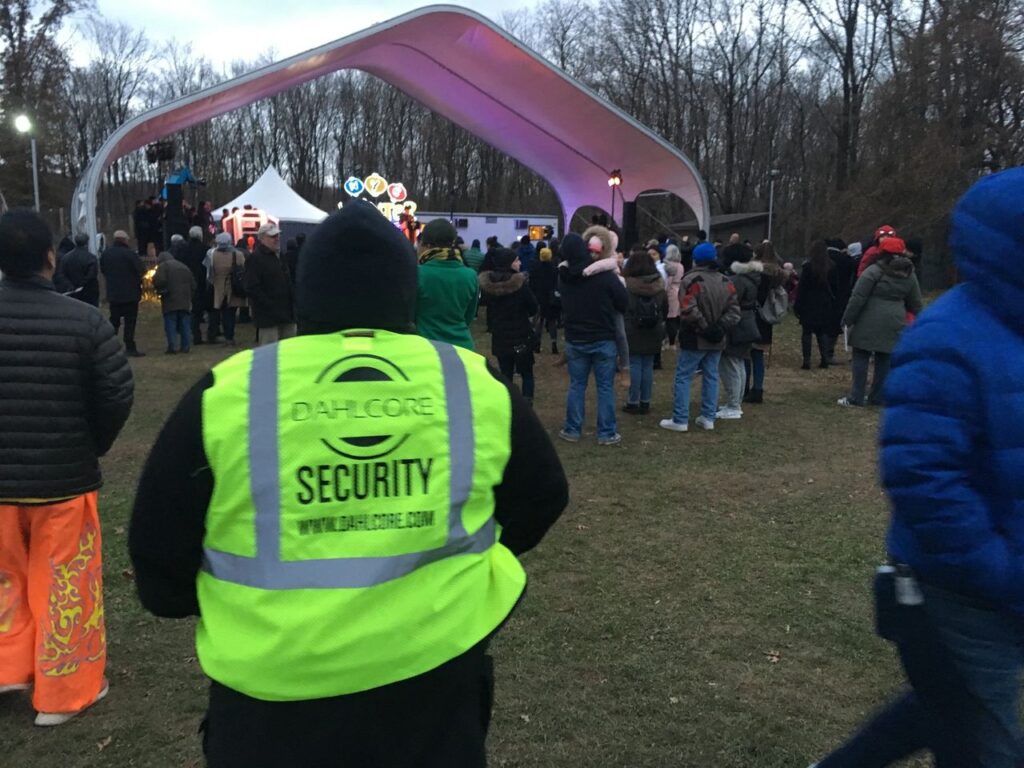
Where in Queens the requirement lives
Long Island City’s office, hotel and mixed-use towers along the river and around Court Square; Flushing’s commercial buildings and hotel cluster; Jamaica’s hotels and commercial towers; and the older high-rise pockets around Forest Hills and Rego Park. Elsewhere in the borough the qualifying buildings are scattered and usually the tallest thing in sight — and in nearly all of them the question is the same: who has been holding this post, what did they write down, and who takes it over.
What Clients Say About Dahlcore
Explore real feedback on how Dahlcore officers conduct themselves on a post.
“Dahlberg Security is the top choice for bodyguard and security services. Their highly professional team is super reliable, delivering unmatched peace of mind with every job. No need to look elsewhere—Dahlberg Security is highly recommended for their exceptional protection and service.”
“Guards is cube were 100% respectful. Greeted while walking in & out the store, and showed mannerisms throughout my visit in cube. I even watched a guard called Raven (I believe his name is) diffuse a situation involving rowdy customers causing an inconvenience to the employees of the store without causing a bigger commotion than it was already. Definitely will visit again!!”
“The security guards at qube are wonderful and respectful. Raven helped me get home safe and sound when i was intoxicated he was Very helpful I thank him very much!!”
Fill the FLSD Post in Your Queens Building
Tell us the building, its occupancy, who has been holding the post and for how long, and whether they are still available to hand over. We will walk the building and the file with your team and put a coverage recommendation in front of you before you commit. Consultations are free.
Direct Contact
212-208-0900Serving all Queens · Dispatch 24/7
Office Hours: 8:00 AM – 8:00 PM · Dispatch available 24/7
Our Offices
1110 South Avenue, Staten Island, NY 10314
250 Park Avenue, New York, NY 10177
Queens · Manhattan · Brooklyn · The Bronx · Staten Island · Long Island