

“What Do Hospital Security Guards Do? Their Role and Responsibility”
Security Guard for Hospital
The Importance of Security in Healthcare Settings
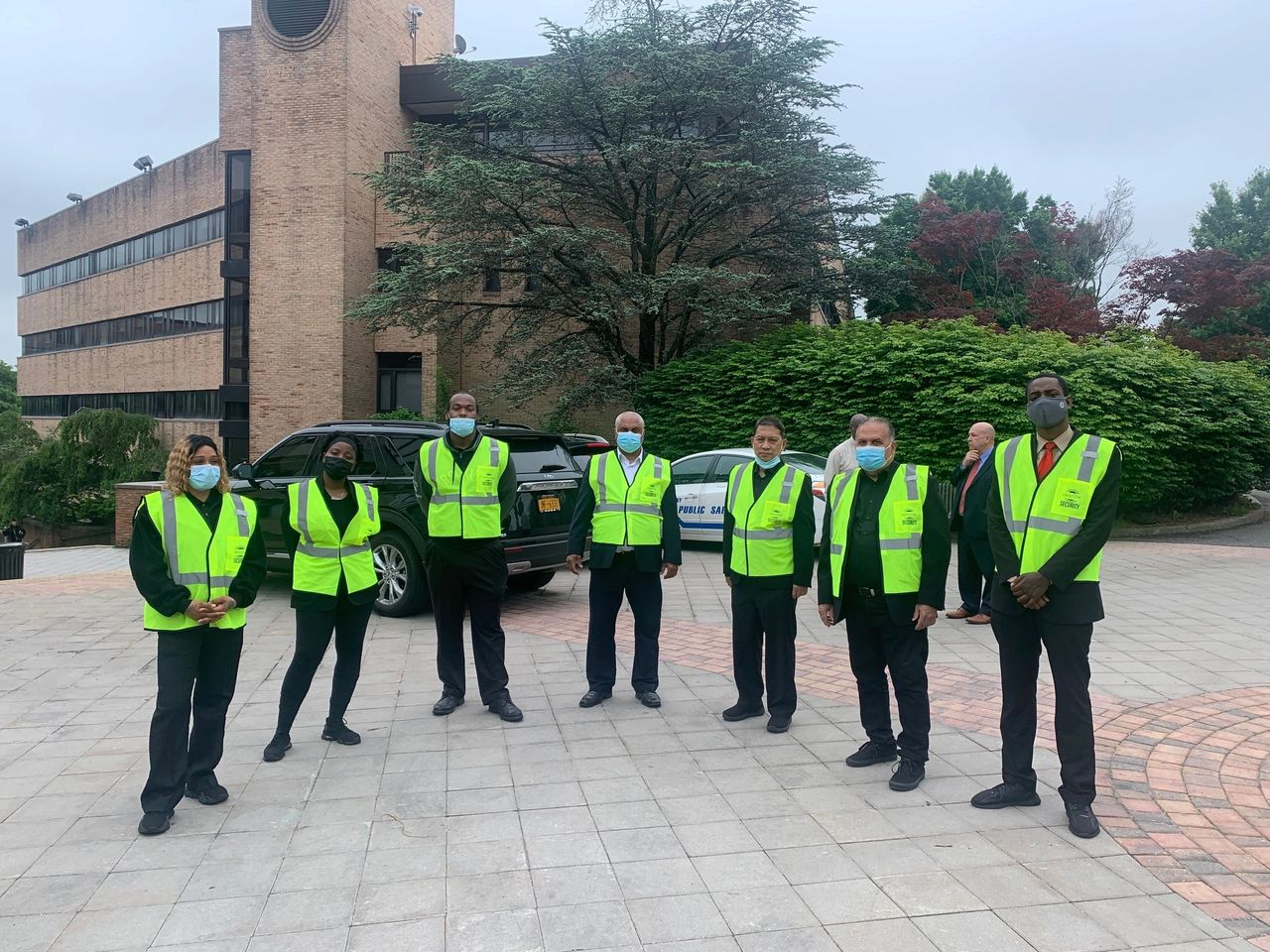
Due to rising threats and challenges, the safety and security of healthcare facilities have become increasingly vital. Professional hospital security guard services play a crucial role in maintaining a secure environment for both patients and staff by actively monitoring the premises and responding to incidents. Their presence extends beyond protecting physical assets; it fosters a sense of safety that is essential for effective medical care and patient well-being.
Role of Security Guards in Hospitals
Hospital security guards handle a wide range of duties, including overseeing surveillance cameras, controlling access to restricted areas, and ensuring the safety of patients and staff. They play a vital role during emergencies by coordinating responses, assisting with evacuations, and managing crisis situations. Additionally, their presence helps to deter potential threats and maintain a secure environment within the hospital.
Roles and Responsibilities
Patrolling Hospital Grounds
Hospital security guards have a critical role in maintaining a safe environment. They regularly patrol the premises to identify and address any unusual or suspicious behavior. They inspect various areas to ensure they are secure and report any security concerns or hazards. Their visible presence also acts as a deterrent to potential threats, helping to prevent incidents before they occur.
Ensuring Safety in Emergency Rooms
Emergency rooms can often become chaotic, making them susceptible to security risks due to the high volume of patients and visitors. A security guard for hospital plays an essential role in maintaining order in this environment. They help deter potential threats, respond to emergencies quickly, and ensure that only authorized personnel have access to restricted areas. Their presence significantly contributes to the overall safety of both hospital staff and patients.
Managing Access to Restricted Areas
Hospitals designate specific areas as restricted to protect patient confidentiality and ensure safety protocols are followed. Security guards are responsible for monitoring these zones to prevent unauthorized access and to respond to any security breaches. By controlling entry, they help maintain a secure and private environment for patients and staff.
Schedule 24/7 coverage with professional hospital Security in New Jersey.
Surveillance and Monitoring
Modern hospitals utilize advanced surveillance systems, including high-definition cameras and motion detectors, to ensure the safety and security of patients and staff. Security guards are responsible for monitoring these systems in real time, analyzing the footage, and detecting any suspicious activity. They are trained to respond swiftly to potential threats and coordinate with emergency services if needed to address security breaches effectively.

Responding to Alarms and Incidents
Hospital security guards are usually the initial responders to alarms or security incidents, which requires them to quickly evaluate the situation and take immediate action. Their responsibilities include managing the scene, providing first aid if needed, and ensuring the safety of patients, staff, and visitors. They also work closely with law enforcement and emergency medical teams to handle incidents effectively and coordinate any necessary follow-up actions.
Skills and Training
Required Skills for Hospital Security Guards
To be effective, hospital security guards must possess unique skills, including sharp observational abilities to detect and respond to potential threats quickly. They need strong decision-making skills to assess situations accurately and act appropriately under pressure. Additionally, physical fitness is crucial for handling emergencies and maintaining a visible, authoritative presence.
Specialized Training and Certifications
A security guard for hospital settings undergoes specialized training to effectively navigate the unique environment of healthcare facilities such as hospitals and clinics. They are educated on hospital protocols, including patient privacy laws and appropriate interaction with medical staff. Furthermore, security guards are trained in emergency response procedures and security measures specific to healthcare environments, ensuring both safety and compliance with healthcare regulations.
Crisis Intervention and De-escalation Techniques
Dealing with agitated, distressed, or aggressive individuals presents a significant challenge, requiring security guards to remain calm and composed. They must utilize effective crisis intervention strategies and de-escalation techniques to prevent situations from escalating further. Training in these skills ensures that security personnel can handle such encounters safely and professionally.
First Aid and Emergency Response Training
Basic first aid and emergency response skills are essential for hospital security guards to ensure they can address medical emergencies promptly. These skills allow them to stabilize patients and manage situations effectively until trained medical professionals arrive. This readiness can significantly impact patient outcomes and overall safety in the hospital environment.
Interacting with Patients and Staff
Communication Skills and Patient Interaction
Effective communication in a hospital is essential for maintaining a supportive environment and ensuring smooth operations. Security guards play a crucial role by engaging with patients empathetically and coordinating efficiently with staff, especially during high-pressure or delicate scenarios. Clear communication helps address concerns promptly and maintain overall safety and comfort.
Collaborating with Medical Staff
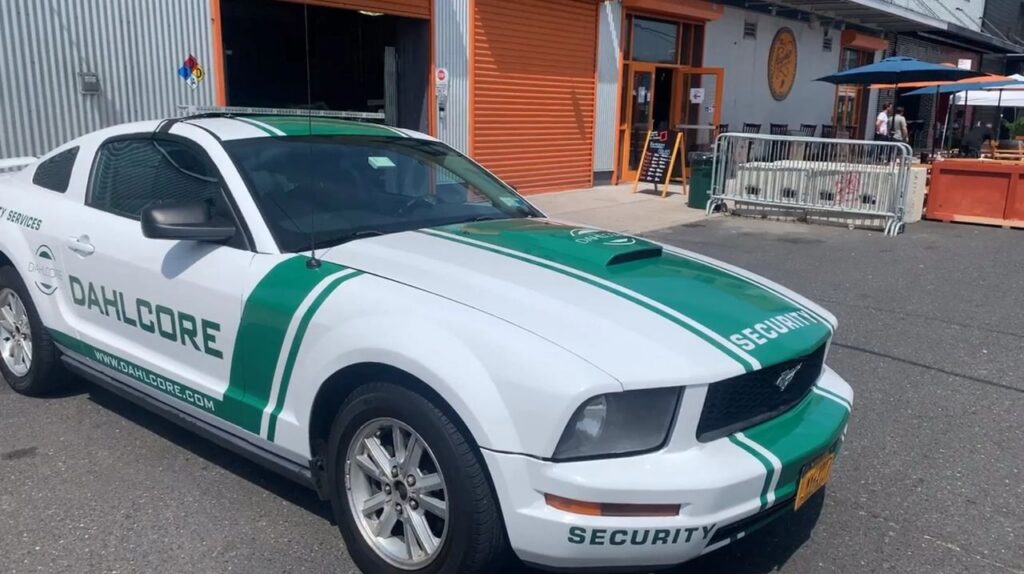
Collaboration with medical staff is essential for hospital security guards to create a safe and supportive environment. Guards need to coordinate with healthcare professionals to ensure that security protocols do not interfere with patient care and that emergency responses are efficient. Effective communication between security and medical teams enhances overall hospital safety and patient well-being.
Handling Sensitive Situations with Empathy
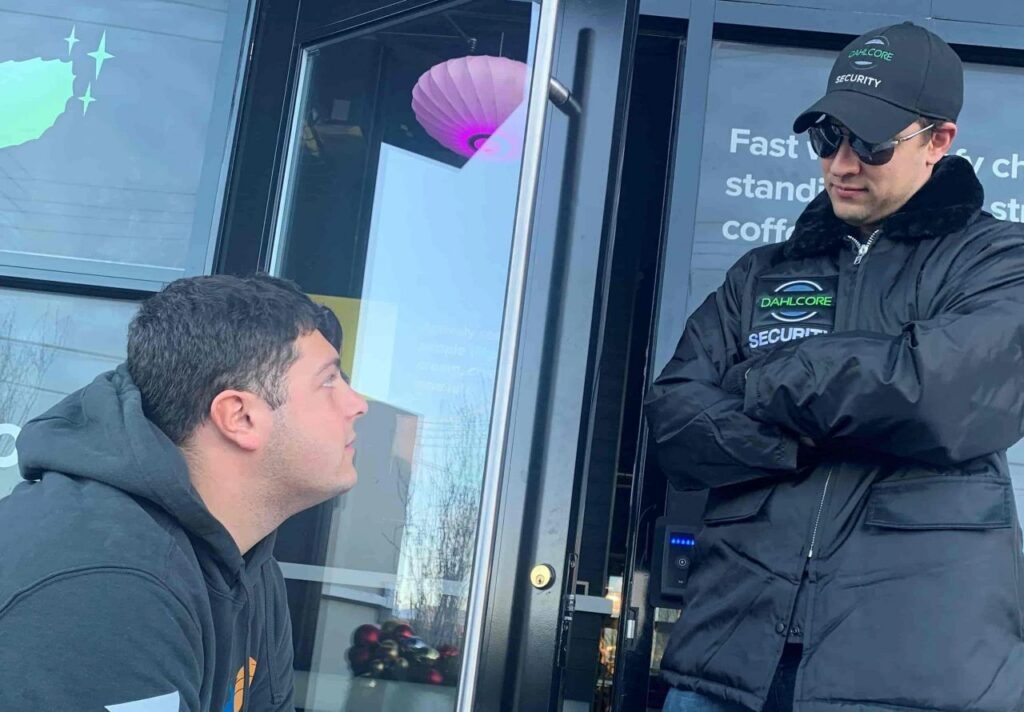
Security guards frequently encounter upset or distressed individuals. Approaching these situations with empathy and compassion is essential, as it helps de-escalate tensions and ensures a safe and supportive atmosphere. Effective communication and understanding can significantly impact the overall safety and comfort of everyone involved.
Emergency Response and Crisis Management
Role in Emergency Evacuations
In an emergency requiring evacuation, security guards play a crucial role in directing and guiding patients and staff through the safest evacuation routes. They are responsible for coordinating with emergency services and managing crowd control to prevent chaos and ensure a smooth evacuation process. Additionally, their presence helps maintain order and provide reassurance to those involved, contributing to a more effective and organized emergency response.
Coordination with Law Enforcement
In situations requiring law enforcement intervention, hospital security guards serve as a crucial link between the hospital and external agencies, facilitating smooth communication. They ensure that relevant information is relayed accurately and promptly to law enforcement, which helps in the efficient handling of the situation. This role is essential for maintaining safety and coordinating the response of various parties involved.
Handling Medical Emergencies and Violent Situations
Security guards are trained to handle a range of high-pressure situations, from violent confrontations to medical emergencies. Their prompt and decisive actions can stabilize a situation, providing critical time for additional help to arrive. By managing these crises effectively, they play a crucial role in ensuring safety and potentially saving lives.
Protect patients and staff—start hospital Security in New Jersey services today.
Technology in Hospital Security
Advanced Surveillance Systems
A security guard for hospital settings undergoes specialized training tailored to the unique demands of healthcare environments like hospitals and clinics. They are trained in hospital protocols, including patient privacy laws and how to interact appropriately with medical staff. In addition, a security guard for hospital settings is equipped with emergency response skills and knowledge of security measures specific to healthcare facilities, ensuring the safety of both patients and staff while maintaining compliance with healthcare regulations.
Access Control Technologies
Technological advancements have significantly enhanced access control in hospitals by integrating sophisticated surveillance systems and biometric scanners. Security guards now employ these technologies to monitor real-time footage and manage entry points more efficiently. Additionally, automated systems help restrict access to sensitive areas, ensuring a higher level of security and safety for patients and staff.
The Use of Security Software and Databases
Security software and databases are crucial for hospital security guards as they streamline the process of tracking incidents, enhancing overall responsiveness. They enable efficient visitor management, ensuring that only authorized individuals gain access. Additionally, these tools facilitate better coordination among security personnel, improving the overall effectiveness of security operations.
Legal and Ethical Considerations
Understanding Healthcare Laws and Regulations
Hospital security guards must be well-versed in laws and regulations related to healthcare to ensure compliance with patient privacy laws, such as HIPAA, which protects sensitive patient information. They must also understand safety regulations to effectively manage and respond to emergencies and ensure a secure environment for both patients and staff. Knowledge of these regulations helps security guards maintain legal standards while safeguarding the hospital’s operations.
Ethical Considerations in Hospital Security
Ethical considerations are crucial in hospital security to ensure that patient care and safety are maintained without compromising individual rights. Security guards must navigate the delicate balance between implementing necessary security measures and upholding patient privacy and dignity. This involves using non-intrusive surveillance methods and respectfully interacting with patients and staff.
Privacy and Confidentiality in Healthcare
Maintaining patient privacy and confidentiality is crucial in hospital security to prevent unauthorized access to sensitive information. Security personnel are responsible for safeguarding personal health data and ensuring that it is only accessed by authorized individuals. Effective protocols and vigilant monitoring help to uphold these standards and protect patient trust.
Challenges Faced by Hospital Security Guards
Managing Stress and High-Risk Situations
Hospital security guards frequently encounter intense situations that require quick, decisive action under pressure. Balancing these demands while ensuring patient and staff safety tests their ability to remain calm and professional. The complexity of their role underscores the importance of both training and experience in handling various emergencies effectively.
Dealing with Difficult or Aggressive Individuals
Encounters with brutal or aggressive individuals are not uncommon in hospitals due to the high-stress environment and emotional strain on patients and their families. Security guards must be adept at de-escalating tense situations while maintaining a composed demeanor to ensure the safety of everyone involved. Their ability to manage such encounters effectively is crucial in preventing harm and preserving a safe and orderly environment within the hospital.
Balancing Security and Patient Care
Hospital security guards must implement strict security protocols while maintaining a reassuring and supportive presence for patients and staff. They must enforce safety measures without disrupting the calm and healing atmosphere crucial for patient recovery. Striking this balance requires skillful communication and sensitivity to the unique needs of a healthcare setting.
Impact of Hospital Security on Patient Care
Creating a Safe Environment for Healing
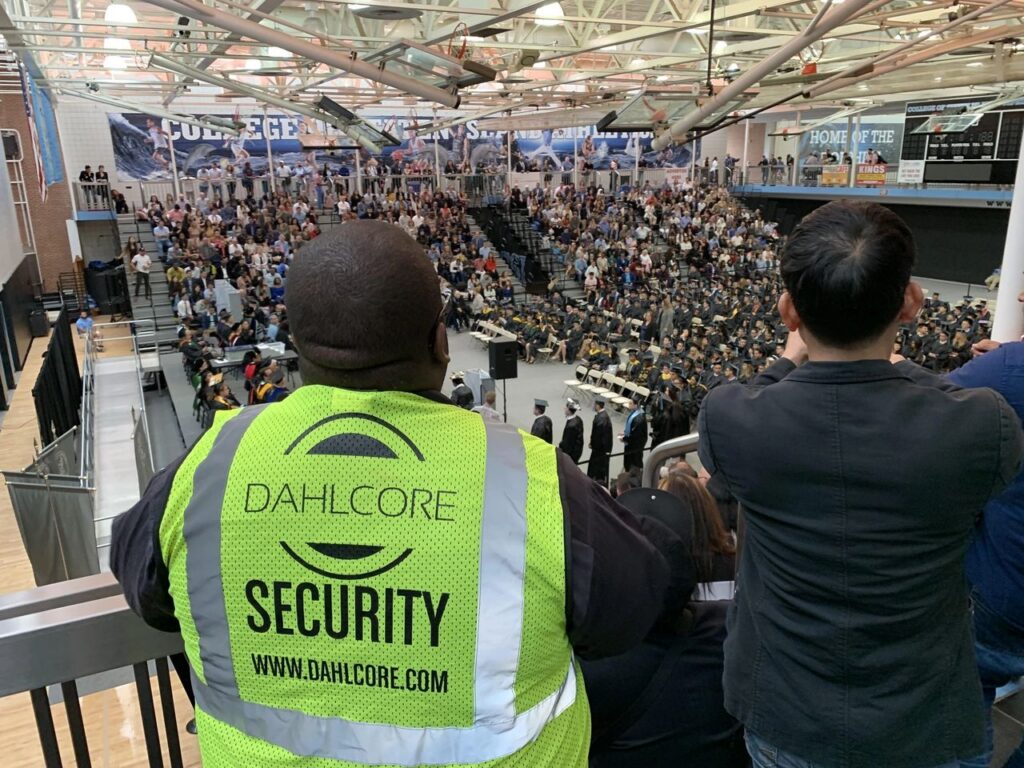
Hospital security guards play a crucial role in maintaining a secure atmosphere, which is essential for patient recovery. They ensure that the premises are safe from potential threats and manage access to sensitive areas. Handling disturbances and enforcing safety protocols contribute significantly to the overall healing environment.
Trust and Confidence in Healthcare Security
Adequate security measures foster trust by protecting sensitive patient information from unauthorized access and breaches. This assurance of confidentiality and data integrity strengthens relationships between patients and healthcare providers. Consequently, both patients and staff experience a safer and more reliable healthcare environment.
Advancements and Future Trends
Innovations in Hospital Security
Hospital security is advancing rapidly, integrating advanced technologies like AI-driven surveillance systems and biometric access controls to improve safety. Innovations in data analytics and cybersecurity are also enhancing the protection of sensitive information and patient records. Additionally, evolving training programs and response strategies are helping security personnel better manage emergencies and prevent incidents.
The Future Role of Technology in Healthcare Safety
The future of hospital security will likely involve sophisticated technology to enhance safety and efficiency. Advanced surveillance systems will provide real-time monitoring and predictive analytics, while automated access control will streamline entry and reduce unauthorized access. Integrating these technologies will create a more secure environment and improve response times to potential incidents.
What Do Hospital Security Guards Do?
A Day in the Life of a Hospital Security Guard
A typical day for a hospital security guard involves conducting regular patrols to ensure all areas are secure and free of hazards. They also monitor surveillance systems and assist staff and visitors with various needs. In emergencies, security guards respond swiftly to incidents, coordinate with medical and law enforcement personnel, and help maintain a safe environment for everyone.
Beyond the Basics: Unique Duties and Responsibilities
Hospital security guards frequently take on roles beyond mere protection, such as aiding in medical emergencies by facilitating quick access to critical areas. They may also assist with patient transportation, ensuring that patients are moved safely and efficiently within the facility. Additionally, they help maintain order and support hospital staff in various non-security tasks, contributing to the overall smooth operation of the hospital.
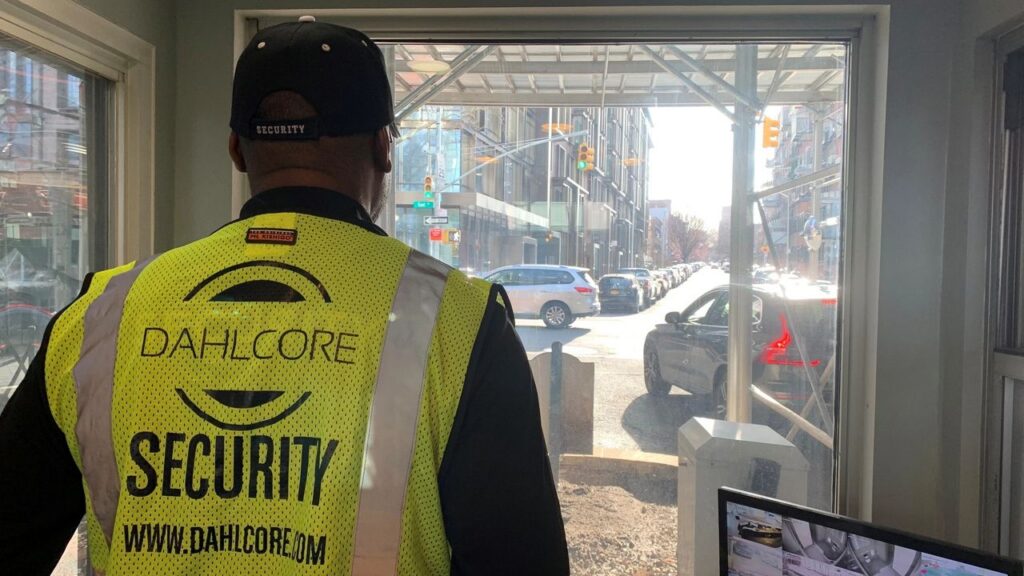
FAQs About Hospital Security Guards
Do hospital security guards carry weapons?
While some hospital security guards may be armed, this varies depending on the facility’s policies and local laws. The primary focus is always on safety and de-escalation.
How do security guards handle violent situations in hospitals?
Hospital security guards are trained in crisis intervention and de-escalation techniques. They work to resolve situations calmly and safely, often coordinating with medical staff and law enforcement.
What kind of training do hospital security guards receive?
Hospital security guards undergo extensive training, including crisis management, emergency response, and specific healthcare security protocols.
Can hospital security guards access patient information?
Security guards have limited access to patient information and are trained to adhere to strict privacy and confidentiality standards.
How do hospital security guards collaborate with law enforcement?
Hospital security guards are the link between the hospital and law enforcement, coordinating efforts and providing essential information during incidents.
Are hospital security guards involved in patient care?
While not directly involved in medical care, hospital security guards play a supportive role in ensuring a safe environment for patient care.
Conclusion
Summing Up the Vital Role of Hospital Security Guards
Hospital security guards are an indispensable part of the healthcare system. Their multifaceted role encompasses protecting property and people and supporting the overall mission of healthcare institutions – to provide care and healing in a secure and safe environment. By effectively balancing the demands of security with the sensitivities of a healthcare setting, these professionals ensure that hospitals remain sanctuaries for those needing medical attention.
Check other blogs
How Hotels Can Ensure Guest Privacy and Data Security
10 Unbelievable Ways to Spot Loss Prevention at Walmart
Access Control in Cloud Security: The Ultimate Guide
Crowd Management Services: Safety and Efficiency at Scale
