

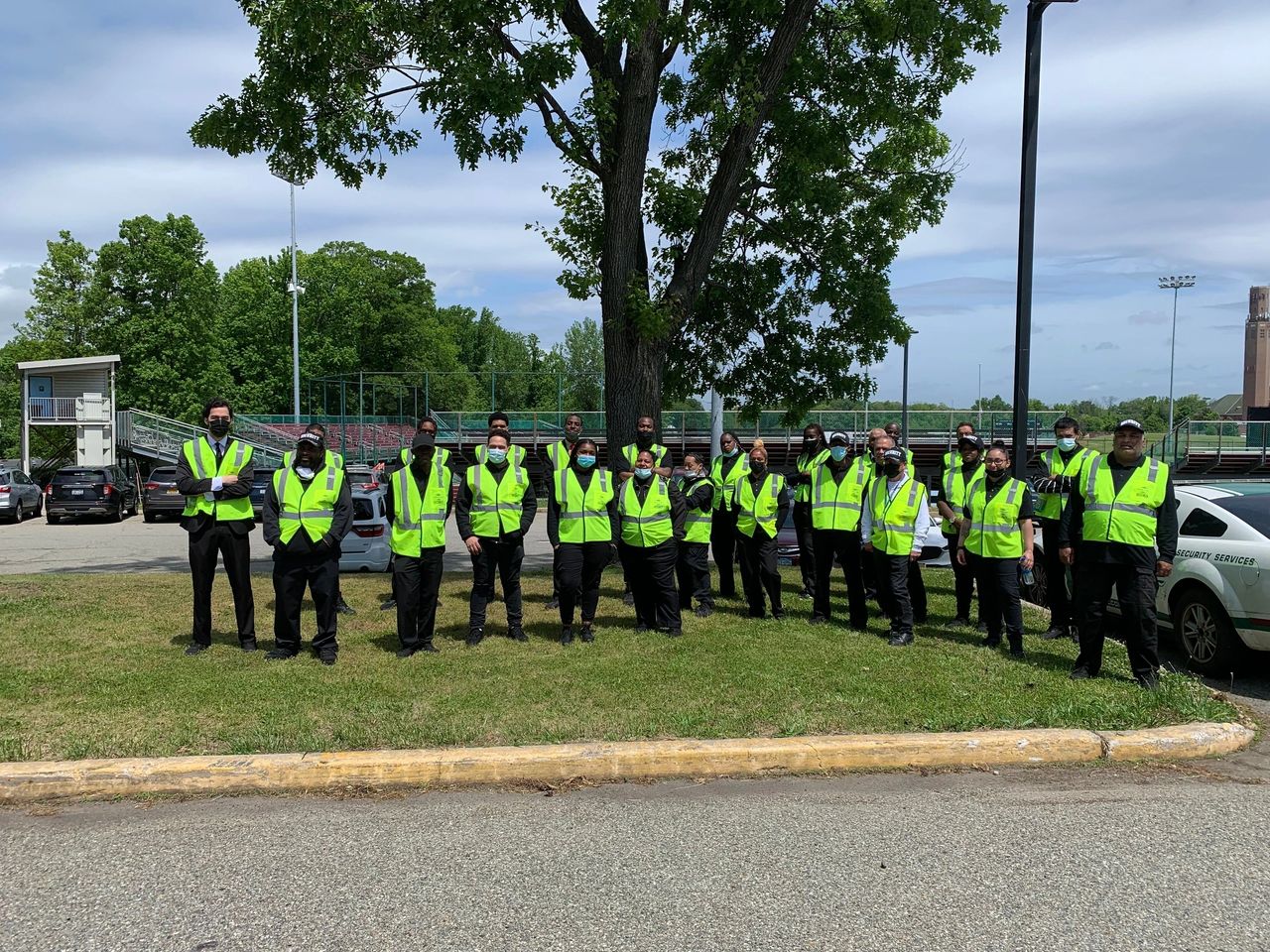
Security is a paramount concern in large-scale construction projects. With the evolving nature of threats, the one-size-fits-all approach to security no longer suffices. This article delves into the importance of tailored security solutions, offering a comprehensive guide to implementing bespoke strategies that cater to the unique challenges faced by large-scale construction sites.
Tailored Security Solutions for Large-Scale Construction Projects
Every construction project is unique, facing distinct challenges and risks. Tailored security solutions allow for a customized approach that addresses specific vulnerabilities, ensuring a safer and more secure environment. This segment will explore how to assess risks and design a security plan that aligns with the project’s specific needs.
Understanding Security Needs in Large-Scale Construction Projects
Risk Assessment
Risk assessment in large-scale construction projects involves identifying potential security threats and evaluating their likelihood and impact. This process should begin with a thorough analysis of the project’s scope, location, and duration. Risks can range from theft and vandalism to cyber-attacks and natural disasters. The assessment should include:
- Historical data analysis of previous incidents in the area.
- Stakeholder interviews to understand specific concerns and assets.
- Evaluation of the potential impact of identified risks on the project’s timeline, budget, and safety.
This comprehensive approach ensures that all potential vulnerabilities are identified and addressed before they can affect the construction project.
Identifying Vulnerabilities
Identifying vulnerabilities within large-scale construction projects is crucial for maintaining security. This process involves:
- Physical site inspections to identify weak points in fencing, lighting, and other physical barriers.
- Reviewing digital infrastructures for cybersecurity weaknesses.
- Employee vetting to prevent insider threats.
By systematically identifying these vulnerabilities, construction managers can develop targeted strategies to mitigate risks effectively.
Regulatory Compliance Requirements
Compliance with regulatory requirements is essential for construction projects. This involves understanding and adhering to the following:
- Local and national building codes and safety standards.
- Environmental protection regulations.
- Data protection laws affect the handling of sensitive information.
Staying compliant not only ensures the safety and security of the construction site but also protects the company from legal repercussions and fines.
Comprehensive Risk Assessment
A thorough risk assessment is fundamental to crafting a robust security strategy for any construction site. This process involves meticulously identifying potential threats and vulnerabilities unique to the site’s location, layout, and operations. Armed with this understanding, stakeholders can effectively prioritize security measures, allocating resources where they are most needed to mitigate risks and safeguard personnel, equipment, and assets.
Customized Security Planning
Developing a customized security plan involves meticulously assessing identified risks and tailoring solutions to mitigate them effectively. This encompasses selecting cutting-edge technologies aligned with the organization’s needs, implementing robust physical security measures such as surveillance systems or access controls, and integrating comprehensive cybersecurity protocols to safeguard digital assets. By creating a cohesive and adaptable security strategy, businesses can proactively address evolving threats and ensure the resilience of their infrastructure against potential breaches or vulnerabilities.
Key Components of Tailored Security Solutions
Physical Security Measures
- Access Control Systems: Implement biometric scanners, ID card readers, and security checkpoints to ensure that only authorized personnel can enter the site.
- Perimeter Security: Erect fencing, barriers, and signage around the construction site to deter unauthorized access and define secure boundaries.
- Surveillance Cameras: Install cameras at strategic locations to monitor activities around the clock, providing real-time surveillance and recorded evidence.

Cybersecurity Measures
- Network Security: Secure the construction project’s network with firewalls, encryption, and intrusion detection systems to prevent unauthorized access.
- Data Protection: Implement data backup procedures, secure data transfer methods, and access controls to protect sensitive information from breaches.
- Incident Response Plans: Develop and maintain plans to respond to cybersecurity incidents promptly to minimize damage and recover operations quickly.
Personnel Training and Awareness
- Security Training for Staff: Conduct regular training sessions to educate employees on security protocols, threat recognition, and preventive measures.
- Emergency Response Drills: Simulate emergency scenarios to prepare staff for actual incidents, improving reaction times and coordination.
- Reporting Procedures: Establish clear procedures for reporting security incidents and concerns, ensuring timely and effective responses.
Advanced Security Technologies
In the contemporary digital landscape, integrating cutting-edge technology is imperative for bolstering security measures. Surveillance systems now feature advanced AI algorithms capable of real-time threat detection and anomaly identification, heightening proactive security protocols. Additionally, access control systems leverage biometric authentication and cloud-based management, ensuring only authorized personnel can access sensitive areas. At the same time, drone monitoring offers dynamic aerial surveillance, enhancing situational awareness across expansive construction sites. Integrating these advancements into construction security plans fortifies defenses against emerging threats, fostering safer working environments and protecting valuable assets.
Physical Security Measures
Physical security measures such as fencing serve as a visible barrier, deterring potential intruders and preventing unauthorized access to construction sites. Adequate lighting enhances visibility during both day and night, reducing blind spots and creating a safer environment for workers and equipment. Regular security patrols provide an additional layer of protection by actively monitoring the premises, identifying any suspicious activity, and responding promptly to security breaches, thereby safeguarding assets and personnel.
Cybersecurity in Construction
As construction projects increasingly adopt digital tools and platforms for tasks like project management, design, and communication, the risk of cyber threats becomes more pronounced. Securing data and digital infrastructure within the construction industry is paramount to safeguarding sensitive project information from potential breaches or unauthorized access. Implementing robust cybersecurity measures not only protects the integrity and confidentiality of data but also helps maintain trust among project stakeholders, ensuring smooth project execution and completion.

Integration and Implementation of Tailored Security Solutions
Customization to Project Requirements
Tailoring security measures to fit the specific needs and scale of a construction project involves conducting a comprehensive risk assessment that takes into account factors such as the project’s location, duration, and potential threats. For instance, a construction site in a high-crime area may require heightened security measures such as perimeter fencing, surveillance cameras, and security patrols. In contrast, a project in a relatively safe neighborhood may necessitate fewer precautions. Additionally, the duration of the project influences the type and duration of security measures deployed, with long-term projects often requiring more robust and sustainable security solutions compared to short-term endeavors.
Is this conversation helpful so far?
Coordination with Construction Processes
Integrating security planning with construction schedules and processes involves aligning security measures seamlessly within the construction timeline. This entails incorporating safety protocols and security features at each stage of the construction process, from planning and design to implementation and completion. By integrating security considerations early on, projects can maintain operational efficiency while ensuring the safety of workers, assets, and the eventual occupants of the constructed facility.
Installation and Testing
During the early stages of construction, it’s imperative to integrate robust security systems such as surveillance cameras, access control systems, and perimeter fencing to mitigate potential risks. Thorough testing should be conducted to verify the effectiveness of these measures in detecting and deterring unauthorized access or activities. This proactive approach ensures that security protocols are in place and fully functional before full-scale operations commence, thereby safeguarding the site and its assets from potential threats.
Management and Monitoring of Security Measures
24/7 Surveillance and Monitoring
To implement round-the-clock monitoring solutions for the construction site, it’s essential to establish manned security posts strategically positioned throughout the premises. These security posts will serve as physical deterrents and allow for immediate response to any security threats or breaches on-site. Additionally, integrating remote surveillance technologies such as CCTV cameras and motion sensors will provide continuous monitoring, enabling real-time alerts and ensuring comprehensive coverage of the entire construction area.
Regular Security Audits
Periodic audits of both physical and cyber security measures are essential for maintaining the integrity of a company’s defenses. By systematically reviewing these measures, potential weaknesses or compliance gaps can be identified and promptly addressed. This proactive approach ensures that the organization remains resilient against evolving threats and maintains adherence to relevant regulations and standards.
Adaptation to Changing Threats
Regularly updating security measures and protocols is imperative to staying ahead of evolving threats in today’s dynamic digital landscape. By incorporating the latest security technologies and practices, organizations can bolster their defense mechanisms against sophisticated cyber attacks. This proactive approach not only enhances the overall security posture but also ensures the protection of sensitive data and preserves stakeholders’ trust.

Employee Training and Awareness
In any organization, ensuring security goes beyond the realm of dedicated security personnel—it’s a collective responsibility that involves all stakeholders. By providing comprehensive training to employees on security protocols, organizations empower their workforce to recognize and respond effectively to potential threats. Moreover, raising awareness about emerging security risks fosters a culture of vigilance and preparedness, enhancing the overall security posture of the organization.
Regulatory Compliance and Standards
Ensuring adherence to local laws and industry regulations within construction projects is paramount not only for legal compliance but also for bolstering security and safety measures. By navigating the intricate landscape of regulatory requirements, construction professionals can mitigate risks and prevent potential hazards. Implementing robust compliance measures not only safeguards against legal repercussions but also fosters a culture of accountability and diligence in maintaining construction site safety standards.
Collaborative Security Efforts
Partnering with local law enforcement agencies enables access to additional resources, expertise, and intelligence-sharing, bolstering the effectiveness of security protocols. Engaging with the community fosters trust, encourages reporting of suspicious activities, and facilitates the dissemination of safety information, creating a network of vigilant stakeholders. By leveraging these partnerships and community connections, organizations can cultivate a proactive approach to security, effectively deterring threats and promoting a safer environment for all.
Cost-Effective Security Solutions
In construction projects, achieving a balance between effective security measures and cost management is crucial. One cost-effective approach is to prioritize security measures based on risk assessment, focusing resources where they are most needed. Additionally, leveraging technology such as surveillance cameras and access control systems can provide efficient monitoring without significant infrastructure costs, contributing to a practical yet budget-conscious security plan.
Monitoring and Response
Continuous monitoring enables organizations to detect security incidents in real-time, mitigating potential damage by swiftly identifying and addressing threats. Incident reporting serves as a crucial mechanism for employees to promptly communicate any security breaches or suspicious activities, facilitating a timely response from the security team. Implementing a systematic approach to managing and responding to security incidents ensures consistency and efficiency, allowing organizations to minimize the impact of breaches and maintain the integrity of their systems and data.

Frequently Asked Questions
How can construction projects ensure cybersecurity?
Construction projects can ensure cybersecurity by implementing solid data encryption, secure authentication methods, and regular cybersecurity training for employees. Additionally, employing up-to-date antivirus software and firewalls helps protect against cyber threats.
What are some cost-effective security measures for construction sites?
Implementing access control systems and regular security audits can be cost-effective ways to enhance site security. Additionally, investing in good lighting and signage can deter unauthorized access without breaking the bank.
How can technology enhance physical security on construction sites?
Technology such as CCTV cameras, motion sensors, and access control systems can significantly enhance physical security by providing real-time monitoring and restricting unauthorized access. Drones and AI-powered surveillance can also offer comprehensive site overviews and detect anomalies faster.
What steps should be taken in the event of a security breach on a construction site?
In the event of a security breach, immediately alert the security team and law enforcement if necessary, then follow the pre-established incident response plan. Secure the area, gather all relevant information, and conduct a thorough investigation to prevent future breaches.
Conclusion
Tailored security solutions are not just a luxury but a necessity for large-scale construction projects. By understanding the specific risks and implementing a bespoke security strategy, construction sites can not only safeguard against threats but also enhance overall project efficiency and safety.
Check other blogs
Secure Your Event Center with Professional Security Services
The Impact and Importance of Residential Security Guards
Fire Watch Training Requirements (Hot Work, NFPA/OSHA, Guards)
Utilizing Security Know-How to Safeguard Asset & Cut Retail Theft
