

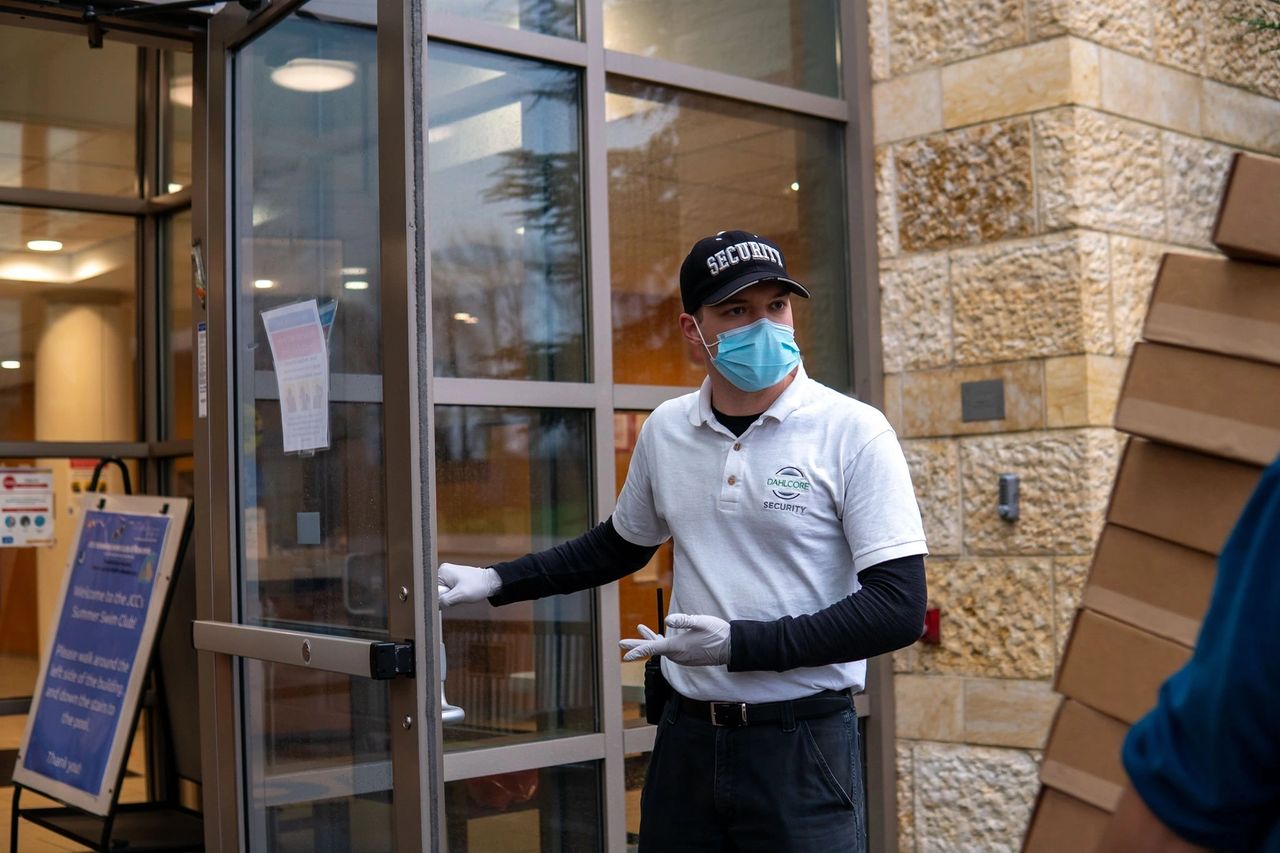
Healthcare facilities face unique security challenges due to the sensitive nature of the environment and the critical importance of protecting both people and data. Whether it’s patient privacy, expensive medical equipment, or safeguarding staff, security in a healthcare setting requires a multi-layered approach. This article will explore the various aspects of effectively securing your healthcare facility, from physical barriers to cybersecurity solutions, ensuring a safe and secure environment for everyone.
Understanding the Risks
Healthcare facilities are highly susceptible to a variety of security threats, ranging from external intrusions to internal misconduct. Physical attacks, theft of expensive equipment, cyberattacks targeting patient records, and unauthorized access to restricted areas are just a few of the common concerns. Understanding these risks is the first step toward creating an environment where patients and staff can feel safe.
Healthcare facilities must also consider the unique risks posed by the nature of their operations. For instance, emergency rooms often serve as entry points for a wide range of individuals, making them particularly vulnerable to security breaches. By identifying the specific risks within each department, security strategies can be tailored accordingly.
Assessing Vulnerabilities in Healthcare Settings
To secure a healthcare facility effectively, it’s crucial to conduct a thorough vulnerability assessment. This process involves identifying high-risk areas within the facility, such as emergency rooms, pharmacy storage, and medical record departments.
A vulnerability assessment should cover physical security weaknesses, such as unlocked doors, insufficient lighting, and inadequate surveillance. It should also consider cyber vulnerabilities, including outdated software and unsecured patient data systems. By identifying these vulnerabilities, healthcare facilities can develop targeted solutions to address them.
Importance of Comprehensive Security Policies
Security policies form the backbone of any effective security system. A comprehensive security policy should include clear guidelines for staff behavior, emergency procedures, and protocols for handling security incidents. It should be regularly updated to reflect new threats and changes in the healthcare landscape.
Developing security protocols for staff is essential. Employees should know exactly what to do in the event of a security breach, how to identify potential risks, and how to protect patient data. Regular training sessions and updates on security policies are necessary to ensure that all staff members are prepared for any eventuality.
Physical Security Measures
Physical security is one of the most visible forms of protection in healthcare facilities. Access control systems play a key role in preventing unauthorized individuals from entering sensitive areas. These systems may involve ID badges, electronic locks, or biometric scanning technologies to control who has access to certain parts of the facility.
Surveillance cameras and monitoring are equally important. Cameras should be strategically placed to monitor entrances, exits, and high-risk areas like pharmacies and patient rooms. Continuous monitoring ensures that any suspicious activity can be quickly identified and addressed.
The Role of Security Personnel
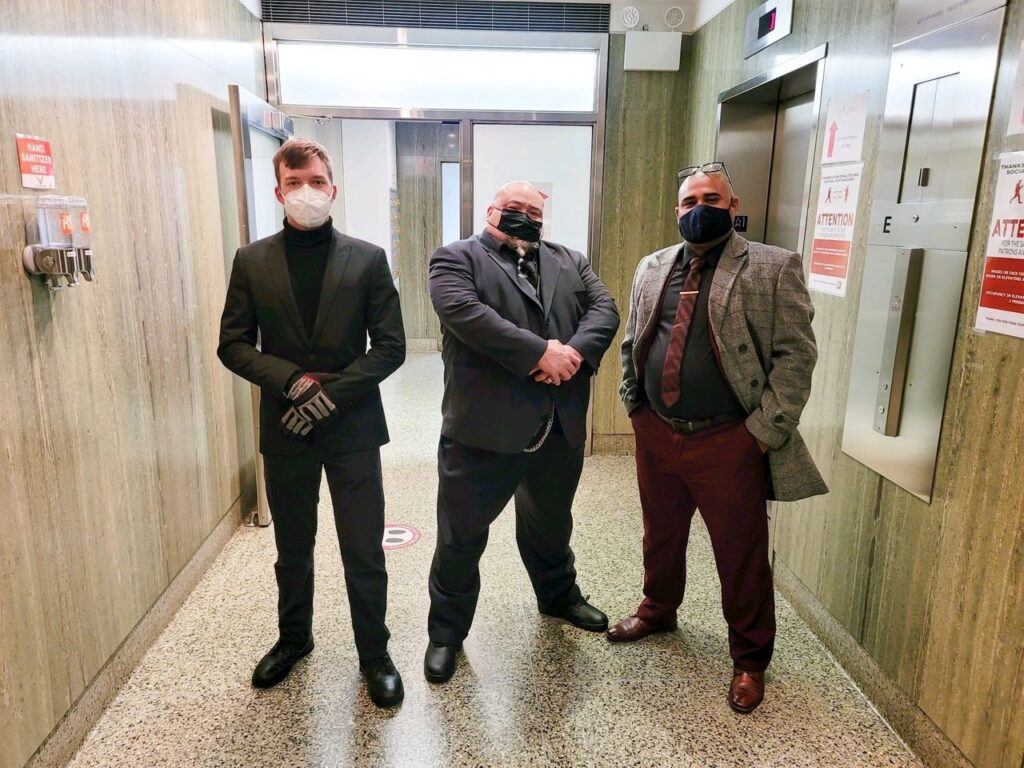
No matter how advanced a facility’s technology is, trained security personnel remain an indispensable part of any security plan. Security staff should be present at key points within the hospital, such as entrances and emergency rooms, to control access and respond to any incidents.
Hiring trained security staff is vital, as they are often the first line of defense in case of a security breach. In addition to physical presence, staff training programs should include instruction on de-escalation techniques, managing complex patients or visitors, and spotting potential threats before they escalate.
Cybersecurity in Healthcare
In today’s digital age, healthcare facilities must take cybersecurity just as seriously as physical security. Protecting patient data is critical, as cyberattacks targeting sensitive health information have been on the rise. Facilities must ensure they are compliant with healthcare data regulations like HIPAA and employ secure systems to store and manage patient information.
Implementing secure systems and software is also important. Regular software updates, firewalls, and encryption techniques are crucial to safeguard against unauthorized access to digital records. Additionally, staff should be educated on how to recognize phishing attempts or other cyber threats.
Emergency Preparedness and Response Plans
Emergencies can occur at any time in a healthcare setting, whether due to natural disasters, violent intrusions, or internal accidents. Having a robust emergency preparedness plan ensures that staff know how to react swiftly and effectively.
These plans should be tested regularly through drills that simulate different emergency scenarios. Involving all departments in these drills can help refine response strategies and ensure that everyone is familiar with the correct protocols.
Securing High-Risk Areas
Some areas of a healthcare facility require heightened security measures due to the sensitive nature of the materials or information stored there. For example, pharmacies hold valuable medications that could be a target for theft, while IT departments handle confidential patient records.
In high-risk areas, access should be strictly limited and monitored. Installing additional security measures, such as reinforced doors or biometric scanners, can further ensure the protection of these zones.
Technological Solutions for Healthcare Security
Innovations in security technology have greatly enhanced healthcare facilities’ ability to protect themselves. Biometric access systems, which require fingerprints or retinal scans, are becoming increasingly common in high-security areas like laboratories and data storage rooms.
Alarms and emergency notification systems also crucially alert staff to potential threats. These systems can be integrated with surveillance cameras and access controls, providing a comprehensive security solution.
Patient and Visitor Security
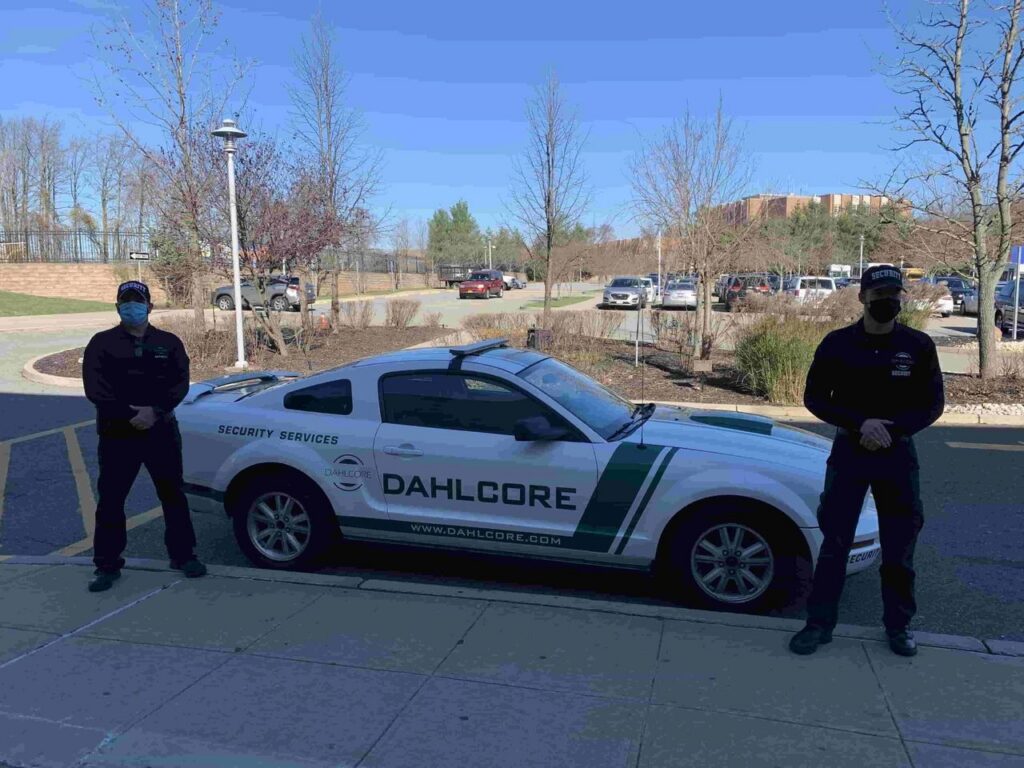
Patients and visitors should feel secure in the healthcare facility. Monitoring visitor access through ID checks or visitor passes can prevent unauthorized individuals from entering sensitive areas.
At the same time, facilities must ensure that patient privacy is respected. Keeping patient records secure and ensuring that treatment areas are private helps build trust between the patient and the healthcare provider.
Benefits of Implementing Advanced Security Systems
Implementing advanced security systems offers numerous advantages, particularly for businesses and homeowners looking to enhance safety and protect assets. These benefits extend beyond essential crime prevention, providing a comprehensive approach to safeguarding people, property, and data. Here are the key benefits:
1. Enhanced Protection
- Real-time Monitoring: Advanced systems allow for 24/7 surveillance, enabling real-time monitoring of both internal and external premises. Security cameras, motion detectors, and smart sensors can alert users instantly to suspicious activity.
- Immediate Alerts and Responses: Advanced systems ensure swift action when threats are detected, with features like alarms and direct notifications to law enforcement or security companies.
- Customizable Solutions: Tailored security solutions meet specific needs, ensuring maximum protection for homes, offices, or industrial sites.
2. Deterrence of Criminal Activity
- Visible Security Measures: The mere presence of high-tech security, such as surveillance cameras, can deter potential intruders or criminals, reducing the likelihood of break-ins.
- Remote Access: Property owners can monitor security footage remotely via mobile apps, which increases accountability and minimizes the risks of crime going unnoticed.
3. Increased Efficiency
- Automation: Advanced systems integrate with automation tools, enabling lights, locks, and cameras to operate seamlessly. Automated systems not only enhance security but also optimize energy use, locking doors and turning off lights when not needed.
- Reduced Human Error: Automated security minimizes the chances of mistakes like leaving doors unlocked, ensuring consistent protection.
4. Cost Savings in the Long Run
- Lower Insurance Premiums: Many insurance companies offer reduced premiums to homeowners or businesses that install advanced security systems, recognizing the reduced risk of theft and property damage.
- Protection from Expensive Losses: These systems help avoid costly repairs or losses due to theft or vandalism by preventing break-ins and other security breaches.

5. Data Security and Cyber Protection
- Cybersecurity Integration: Advanced security systems can incorporate firewalls, encryption, and other cybersecurity measures to protect against digital threats.
- Access Control Systems: These systems limit who can access certain areas or data, adding another layer of protection against unauthorized entry.
Implementing advanced security systems provides peace of mind while enhancing safety, efficiency, and long-term savings.
Collaboration with Law Enforcement and Emergency Services
Healthcare facilities should work closely with local law enforcement and emergency services. By establishing solid relationships, facilities can ensure quicker response times and better coordination in the event of an incident.
Collaborating on security assessments and emergency plans can also help facilities stay ahead of potential threats. Regular communication between the facility and law enforcement can keep security protocols up-to-date and effective.
Regular Audits and Security Assessments
Security is not a set-it-and-forget-it operation. Regular security audits are necessary to ensure that all systems and protocols are functioning as they should. These audits help identify weaknesses that have developed over time, allowing for timely updates to security procedures.
Updating security protocols based on audit results ensures that the facility remains protected against both new and evolving threats. This proactive approach to security is critical to maintaining a safe environment for everyone.
The Importance of Staff Vigilance
No security system is foolproof without staff cooperation. Employees should be empowered to report security concerns, whether they notice a suspicious individual or spot a potential cyber vulnerability.
Creating a culture of vigilance and open communication around security can make a significant difference in preventing incidents before they occur.
Cost-Effective Security Solutions
While security is an essential part of healthcare operations, it doesn’t have to break the bank. Many cost-effective security solutions are available that can provide comprehensive protection without straining the budget. For example, investing in multipurpose technology like surveillance cameras that integrate with access control systems can save money in the long run.
Facilities can also seek out government grants or partner with community organizations to fund necessary security upgrades. Balancing budget with security needs is key to maintaining a secure environment.

FAQs
How can healthcare facilities improve physical security?
Healthcare facilities can enhance physical security by implementing access control systems, installing surveillance cameras, and securing high-risk areas such as pharmacies. Regular monitoring and trained security personnel further ensure that potential threats are quickly identified and addressed.
Why is cybersecurity critical in healthcare settings?
Cybersecurity is critical to protect sensitive patient data from breaches, which can lead to identity theft or compromised medical records. Secure systems, encryption, and staff training help prevent unauthorized access to digital information.
What are the common security threats in healthcare facilities?
Common threats include unauthorized access, theft of medical equipment, cyberattacks targeting patient data, and physical attacks on staff or patients. Emergency rooms and pharmacies are particularly vulnerable areas that require additional safeguards.
How can staff contribute to improving security in healthcare?
Staff can improve security by following protocols, reporting suspicious activity, and participating in regular security training. Their vigilance helps identify potential risks before they escalate into serious incidents.
What role do emergency drills play in healthcare security?
Emergency drills prepare staff to respond effectively to different security threats, such as natural disasters or intrusions. Regular drills ensure that protocols are practiced and refined, leading to faster, more coordinated responses.
How can visitor management be improved in healthcare facilities?
Visitor management can be enhanced through sign-in procedures, ID checks, and restricted access to sensitive areas. These measures help prevent unauthorized individuals from entering critical zones, ensuring patient and staff safety.
Conclusion
Securing a healthcare facility effectively involves a combination of physical security measures, cybersecurity protocols, trained personnel, and the cooperation of staff. By addressing both the digital and physical threats that healthcare environments face, facilities can ensure a safe space for patients, visitors, and healthcare professionals alike. Regular assessments and updates, combined with the right technology and trained personnel, will help create a secure and trustworthy environment for all.
Check other blogs
Secure Your Super Yacht: Essential Safety Measures
Executive Protection Agent: Key Requirements & Skills
