


Neighborhood security is a growing concern for many communities. Whether you live in a bustling urban area or a quiet suburban enclave, ensuring safety for residents is paramount. One effective way to achieve this is by hiring a neighborhood security patrol. However, understanding the costs involved is crucial for making informed decisions. In this article, we’ll break down the expenses, benefits, and considerations surrounding neighborhood security patrols.
Understanding Neighborhood Security Patrols
What Are Neighborhood Security Patrols?
Neighborhood security patrols are professional services designed to enhance safety and deter crime in residential areas. They often involve trained personnel who monitor neighborhoods through regular patrols, either on foot, by vehicle, or using other means. These patrols act as a visible deterrent to potential criminals while providing residents with a sense of security.
Why Are They Important for Community Safety?
Security patrols play a vital role in reducing crime rates. Studies show that neighborhoods with visible patrols experience fewer break-ins and acts of vandalism. Moreover, these services foster a safer environment, encouraging social cohesion and trust among residents.
Factors Affecting Neighborhood Security Patrol Costs
Patrol Type: Armed vs. Unarmed Personnel
The choice between armed and unarmed personnel has a direct effect on the overall cost structure of security services. Armed patrols not only necessitate specialized training and certifications, but they also incur additional expenses for weapons, insurance, and higher liability coverage.
Hours of Operation and Frequency of Patrols
24/7 patrol services require a higher level of staffing and resources, resulting in increased costs compared to limited hourly services. Additionally, the frequency of patrols, whether conducted on an hourly, daily, or weekly basis, directly impacts the overall cost, as more frequent patrols lead to higher expenses.
Geographic Size and Neighborhood Layout
Larger areas or neighborhoods with intricate layouts often require more time for thorough patrolling, leading to higher operational costs. Additionally, the increased effort needed to cover these areas effectively, especially in hard-to-reach spots, contributes to the overall cost of security services.
Level of Training and Certification of Personnel
Highly trained personnel with law enforcement or military experience often bring specialized skills and expertise that are critical for certain services. As a result, their advanced qualifications and experience justify higher salaries, which ultimately increase the overall cost of services.
Types of Security Patrol Services
Dedicated Patrols vs. Shared Patrols
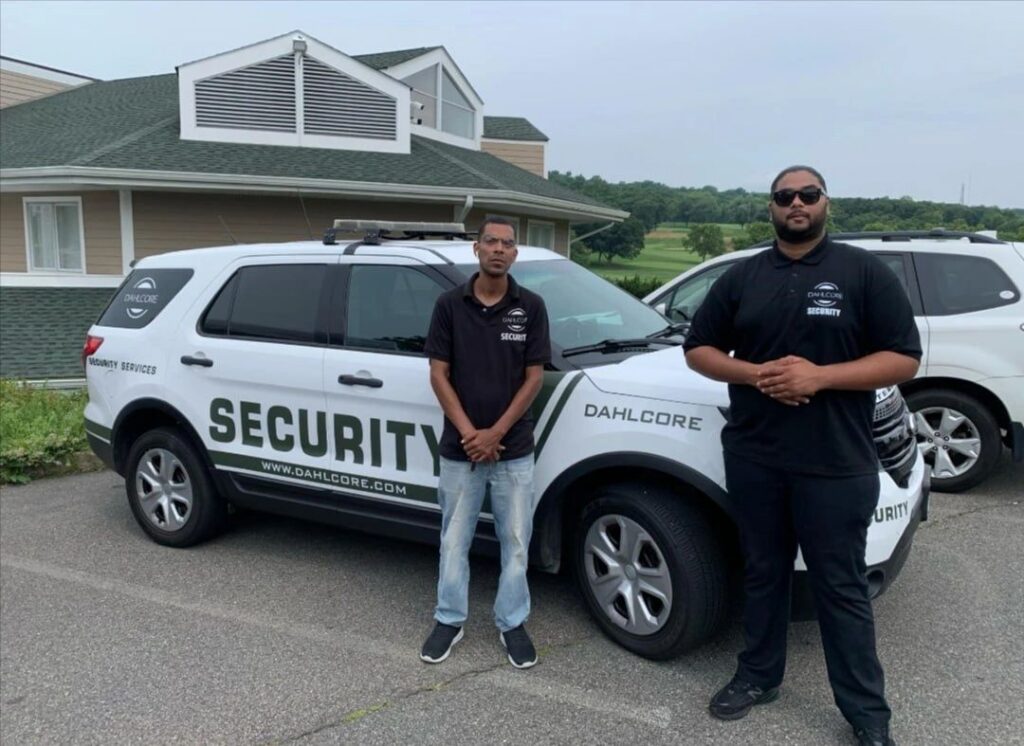
Dedicated patrols provide exclusive security for your neighborhood, ensuring a higher level of attention and responsiveness, but at a premium price. In contrast, shared patrols divide their time across several areas, offering a more economical solution while still maintaining a reliable presence.
Foot, Vehicle, and Bicycle Patrols
The mode of patrol plays a significant role in determining costs, as vehicle patrols require additional expenses for fuel, insurance, and regular maintenance. In contrast, foot and bicycle patrols tend to be more cost-effective because they eliminate these vehicle-related expenses, making them a more affordable option for many security services.
How Security Patrol Costs Are Calculated
Hourly Rates vs. Flat Fees
Some service providers charge based on hourly rates, where the cost varies depending on the time spent, while others offer flat fees for a defined scope of services, which can be more predictable. By understanding these pricing models, businesses and individuals can better plan and allocate their budgets, ensuring that they make informed financial decisions.
Contract Duration and Flexibility
Long-term contracts often come with discounts as a way to secure ongoing business, benefiting both parties with consistent terms. On the other hand, short-term or flexible agreements tend to have premium rates to compensate for the lack of long-term commitment and potential for price fluctuations.
Hidden Fees and Additional Services
When considering a service, it’s important to ask about any potential hidden costs that could increase the overall expense, such as administrative fees or charges for add-on services. These extra fees can often be overlooked, but they can significantly affect your final bill if not clarified upfront.
Average Cost of Neighborhood Security Patrols
National Averages and Regional Differences
On average, neighborhood security patrols cost between $25 and $50 per hour, with variations depending on factors such as location, security company, and the level of service required. In urban areas where demand is higher and the cost of living is greater, rates tend to be on the upper end of the spectrum, while rural or suburban areas typically see lower costs.
Cost Comparison: Small vs. Large Neighborhoods
Smaller neighborhoods typically have fewer residents to share the cost of services, leading to higher per-household expenses. In contrast, larger communities can leverage their size to spread the costs across a larger population, reducing the financial burden on individual households.
Benefits of Hiring Security Patrols
Enhanced Safety and Crime Deterrence
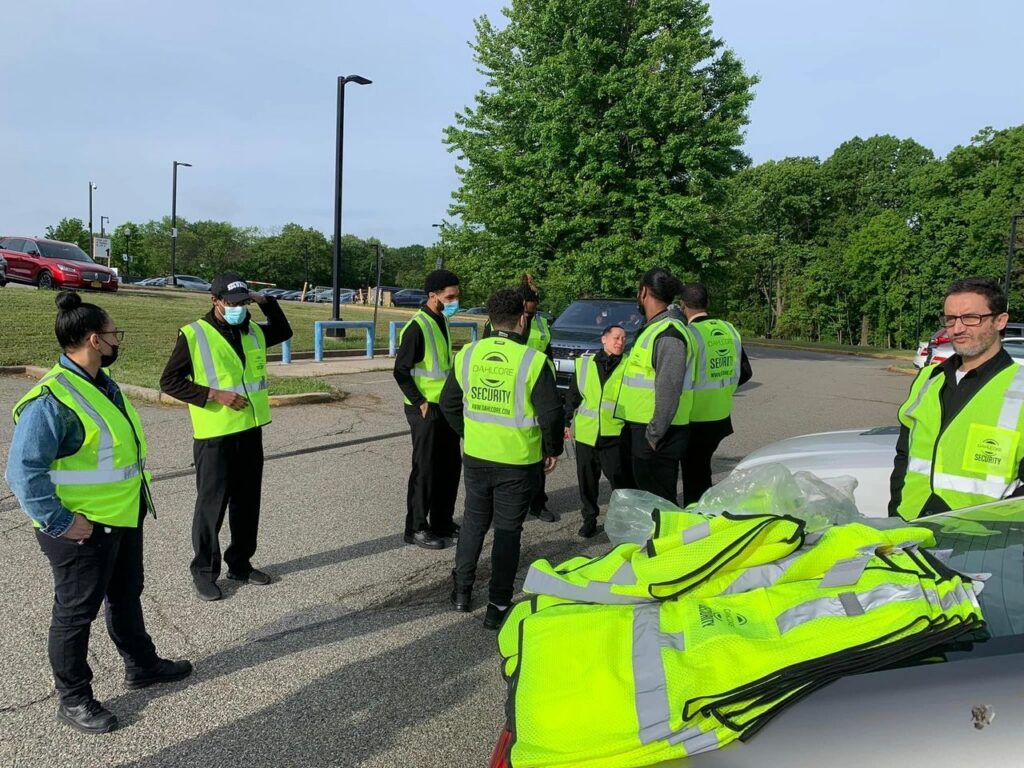
A visible security presence not only deters potential criminals but also reassures the community, fostering a safer environment. Regular patrols enable prompt responses to incidents, minimizing risks and maintaining a sense of security for all residents.
Improved Community Trust and Engagement
When residents are aware that a dedicated security team is ensuring their safety, they feel more secure and confident in their environment. This heightened sense of security promotes open communication and cooperation, strengthening community bonds and enhancing overall safety efforts.
Drawbacks to Consider
Financial Impact on Residents
For neighborhoods funding patrols through association fees or contributions, the financial burden can be significant, especially for residents on fixed incomes or those already facing economic challenges. This added cost may lead to dissatisfaction within the community, potentially affecting overall participation and support for the program.
Potential Overreach and Privacy Concerns
Overzealous patrols may lead to security personnel becoming too intrusive, which can cause residents to feel their personal space is being violated. This can result in heightened tensions, discomfort, and potential conflicts within the community.
Tips to Reduce Security Patrol Costs
Negotiating Contracts
Negotiating with providers allows businesses to secure better rates, especially when committing to larger contracts or extended service agreements. By discussing terms such as volume or duration, companies can often unlock significant savings and optimize their expenses.
Leveraging Technology for Cost Savings
Surveillance cameras and automated systems can provide real-time monitoring of areas, enhancing security and reducing the need for constant human presence. By automating routine tasks, these systems allow security personnel to focus on more complex or critical situations, improving overall efficiency and safety.
Community Partnerships and Shared Expenses
By partnering with nearby neighborhoods, communities can pool resources, reducing the overall cost for everyone involved. This collaborative approach allows for shared expenses, making essential services more accessible and affordable to a wider range of residents.

How to Choose the Right Security Patrol Provider
Key Criteria for Selecting a Reliable Provider
When hiring service providers, ensure they have the necessary licenses and insurance to protect against liability and ensure quality service. A reputable provider will also have extensive training and a proven history of success, backed by positive client testimonials that reflect their reliability and expertise.
Importance of Customer Reviews and Testimonials
Reading reviews helps potential customers assess the provider’s track record and customer satisfaction. They offer valuable firsthand experiences that highlight strengths and weaknesses, aiding in informed decision-making.
Role of Residents in Community Security
Complementing Patrol Efforts with Vigilance
By staying vigilant and actively engaging with local law enforcement, residents can help create a safer community. Attending safety meetings also allows individuals to stay informed and contribute ideas to improve neighborhood security.
Creating a Collaborative Safety Culture
Encouraging regular dialogue between residents and security personnel helps build trust and ensures that concerns are addressed promptly. This collaborative approach enables proactive measures that enhance the overall security of the neighborhood.
Insurance and Legal Considerations
Liability Issues for Patrol Providers
It is crucial to verify that all security providers maintain sufficient liability insurance to protect against any damages, injuries, or accidents that may occur during patrols. This insurance should cover the costs of legal defense, settlements, and medical expenses resulting from such incidents.
Coverage for Community Security Programs
Many insurance providers offer discounts to homeowners in neighborhoods with professional patrol services, as these areas are considered lower risk for theft or vandalism. This proactive security measure can help reduce the likelihood of claims, leading to cost savings on premiums.
Questions to Ask Before Hiring
- What training and certifications do your personnel have?
- Do you offer armed and unarmed patrol options?
- Are there any hidden fees in your contracts?
- Can you provide references or testimonials from past clients?
- How do you handle emergencies or escalation of incidents?
FAQs
What is the average cost of neighborhood security patrols?
The cost typically ranges from $25 to $50 per hour, depending on factors like location and services offered.
Are armed security patrols worth the extra cost?
Armed patrols provide enhanced security but may not be necessary for all neighborhoods.
Can technology reduce petrol costs?
Yes, integrating technology like cameras can complement patrols and reduce manpower expenses.
Do all neighborhoods need security patrols?
Not necessarily. The need depends on crime rates, community size, and resident preferences.
How can small neighborhoods afford security patrols?
By sharing services with nearby communities or negotiating flexible contracts, smaller areas can manage costs.
What should I look for in a security patrol provider?
Check for licensing, insurance, customer reviews, and transparent pricing structures.
Conclusion
Neighborhood security patrols provide a proactive approach to reducing crime and ensuring the safety of residents by increasing visibility and deterrence. The cost of these patrols can fluctuate depending on factors such as the size of the area, frequency of patrols, and level of service required, making it important to assess your specific needs. By carefully evaluating the balance between security requirements and budget constraints, neighborhoods can foster a secure, supportive atmosphere that benefits all residents.
Check other blogs
Which Access Control is Better in Security for Information
How to Hire a Bodyguard: Step‑by‑Step Guide to Staying Safe
Becoming a Pro Fire Watch Guard: Skills, Training, Certification
