

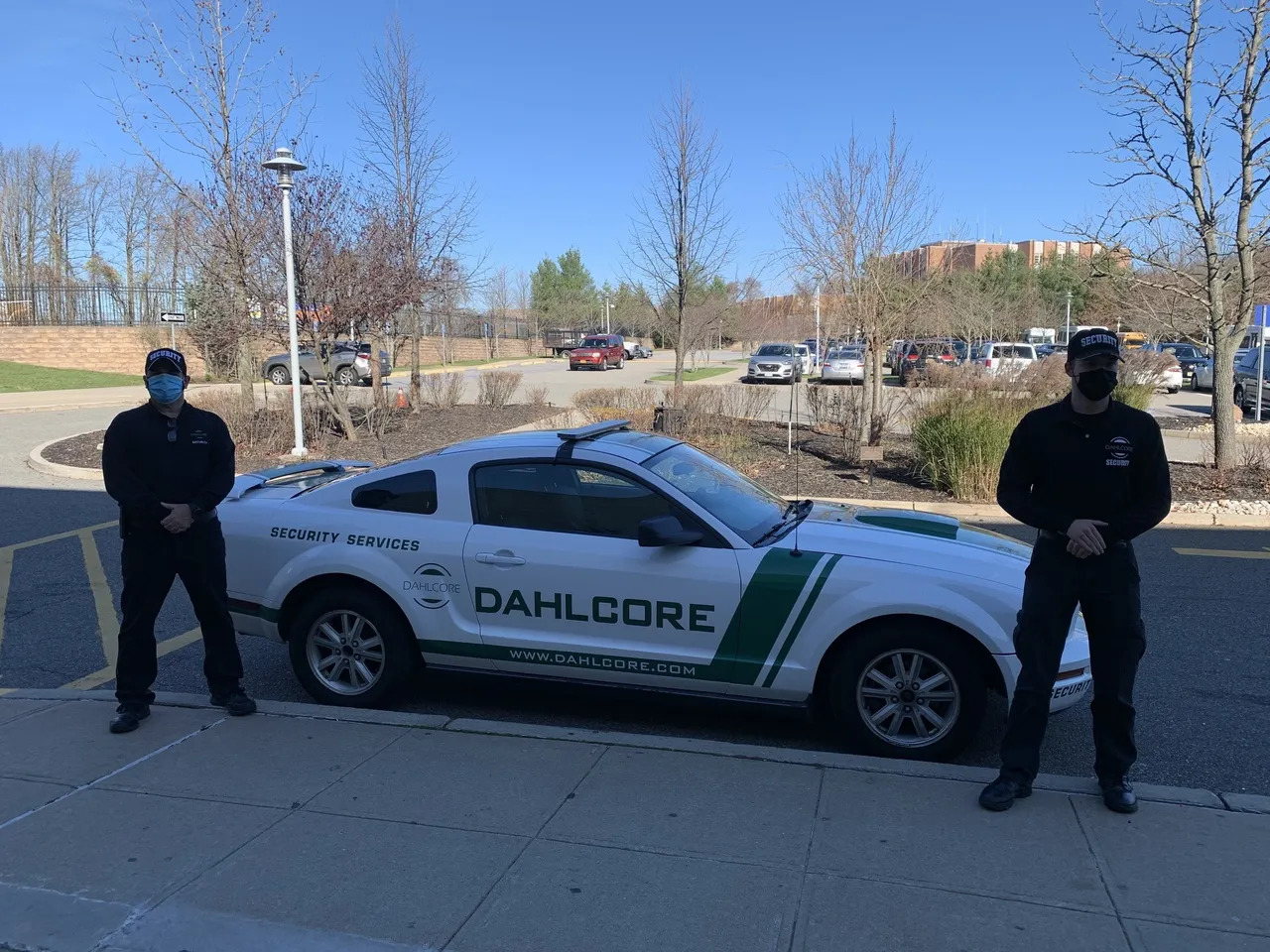
Private maritime security contractors (PMSCs) are specialized security firms that protect commercial vessels, ports, and offshore infrastructure from piracy, terrorism, smuggling, and other maritime threats. Ship owners, charterers, insurance companies, cruise operators, and port authorities hire PMSCs to deploy armed vessel protection teams, conduct risk assessments, and ensure regulatory compliance in high-risk areas like the Gulf of Aden, Red Sea, Indian Ocean, and Gulf of Guinea. Dahlcore Security provides licensed, highly trained maritime security services in New York and beyond, delivering 24/7 risk intelligence, armed and unarmed guards, and customized security plans that align with the International Ship and Port Facility Security (ISPS) Code and Best Management Practices version 5 (BMP5).
Secure your vessel today with trusted Maritime Security Services in New York. Contact us now for a free consultation.
What Are Private Maritime Security Contractors?
Private maritime security contractors (PMSCs) are licensed security companies that offer armed and unarmed protection services to the maritime sector. Ship owners, operators, charterers, insurance underwriters, luxury yacht owners, cruise liners, and port operators hire PMSCs to mitigate threats that include piracy, armed robbery, terrorism, smuggling, illegal fishing, and sabotage of subsea infrastructure. With over 80% of global trade moving by sea, PMSCs have become essential to maintaining safe passage, business continuity, and compliance with international maritime law.
PMSCs deploy privately contracted armed security personnel (PCASP) and unarmed security teams directly aboard vessels or at port facilities. These professionals conduct real-time threat monitoring, execute anti-piracy protocols, and coordinate with naval forces and regional maritime security centers to protect crew, cargo, and marine environments.
Key Services Provided by PMSCs
PMSCs deliver a comprehensive suite of maritime risk management and operational security services tailored to the unique challenges of international waters:
- Armed Vessel Protection Teams (VPTs): Onboard armed guards who deter, detect, and respond to piracy attacks, hijackings, and armed robbery
- Anti-Piracy Patrols and Escort Operations: Dedicated security vessels that accompany high-value ships through dangerous corridors such as the Gulf of Aden and Somali Basin
- Maritime Risk Assessment and Intelligence Analysis: Pre-voyage threat briefings, route planning, and real-time updates on piracy hotspots, regional conflicts, and maritime security incidents
- Security Training and Crew Preparedness: Tactical training in ship hardening, evasive maneuvers, hostage survival, and emergency response for ship masters and crew
- Compliance and Regulatory Advisory: Guidance on implementing the ISPS Code, BMP5 protocols, flag state requirements, and use-of-force rules under the United Nations Convention on the Law of the Sea (UNCLOS)
- Port and Offshore Infrastructure Security: Armed and unarmed guards for ports, terminals, offshore platforms, and critical coastal installations
- Rapid Emergency Response and Crisis Management: Hijack negotiation support, hostage recovery coordination, and incident investigation
Legal and Regulatory Framework
PMSCs operate within a complex web of international conventions, flag state laws, and port state regulations.
International Ship and Port Facility Security (ISPS) Code
The ISPS Code, adopted in 2004 as part of the Safety of Life at Sea (SOLAS) Convention, mandates security measures for ships and port facilities engaged in international trade. The Code requires vessel security assessments (VSAs), vessel security plans (VSPs), and the designation of company security officers (CSOs) and ship security officers (SSOs). PMSCs help ship operators develop and implement ISPS-compliant plans, conduct drills, and maintain documentation for port state control inspections.
Best Management Practices (BMP5)
BMP5 provides industry guidance for vessels transiting the Red Sea, Gulf of Aden, Indian Ocean, and Arabian Sea. BMP5 emphasizes risk assessment, self-protection measures such as razor wire and secure citadels, timely reporting to the United Kingdom Maritime Trade Operations (UKMTO) and Maritime Security Centre Horn of Africa (MSCHOA), and the engagement of PMSCs when risk levels are elevated. Unlike its predecessor, BMP4, BMP5 applies to a broader geographic scope and addresses threats beyond Somali piracy, including terrorism, regional armed conflicts, and attacks on vessels by extremist groups.
United Nations Convention on the Law of the Sea (UNCLOS) and Use of Force
UNCLOS establishes the legal framework for maritime operations, including transit passage through international straits and the rights of flag states. PMSCs and PCASP must understand the rules governing the use of force at sea: force must be necessary, proportional, and used only in self-defense to protect life or prevent imminent harm. Boarding, seizing, or using lethal force against a vessel can be interpreted as a use of force under international law, requiring strict adherence to flag state guidance, rules of engagement (ROE), and post-incident reporting protocols.
Flag State and Port State Requirements
Each flag state (the country under whose laws a ship is registered) sets specific rules for the embarkation, disembarkation, and carriage of firearms by PMSCs. Some states, such as Nigeria and Sierra Leone, prohibit armed guards entirely. Ship operators must obtain flag state approval, verify PMSC credentials and insurance, and ensure all weapons are properly documented and stored in compliance with port state regulations.
Protect your maritime operations with expert Maritime Security Services New York businesses rely on. Get your custom quote today.
When and Why to Hire a PMSC
Ship owners, charterers, and operators should consider hiring a PMSC when:
- Transiting High-Risk Areas (HRAs): The Maritime Security Chart Q6099 defines regions at elevated risk of piracy, including waters up to 600–800 nautical miles off the coast of Somalia, the Gulf of Aden, the Red Sea, and the Gulf of Guinea.
- Carrying High-Value or Sensitive Cargo: Vessels transporting oil, chemicals, luxury goods, or military equipment face a higher targeting risk
- Operating Slow or Low-Freeboard Vessels: Ships with low speed, low freeboard, or limited self-defense capabilities are more vulnerable to boarding and hijacking
- Insurance Premiums and War-Risk Coverage: Many underwriters require documented security measures, including PMSCs, to maintain coverage or reduce premiums in designated war-risk zones
- Regulatory and Contractual Obligations: Charterers, port authorities, or flag states may mandate PMSC protection as a condition of access or compliance.
Failing to employ adequate maritime security in high-risk waters can result in crew kidnapping, vessel hijacking, cargo theft, extended detention, environmental damage from pirate-caused oil spills, and severe reputational and financial losses.
How PMSCs Safeguard Oceans and the Environment
Beyond protecting vessels and personnel, PMSCs contribute to the broader security and sustainability of the marine environment.
Combating Illegal Fishing and Environmental Crime
PMSCs support coast guard and fishery protection operations by detecting and deterring illegal, unreported, and unregulated (IUU) fishing, which depletes fish stocks and harms marine biodiversity. Armed and unarmed security teams aboard patrol vessels monitor protected areas, enforce exclusion zones, and gather intelligence on smuggling networks that traffic wildlife and pollutants.
Protecting Subsea Infrastructure
Submarine cables, pipelines, and offshore energy platforms are critical to global communications and energy supply. PMSCs provide site security, surveillance, and rapid response to sabotage attempts, including deliberate damage by hostile actors or terrorists. By preventing disruptions, PMSCs help maintain energy security and reduce the risk of large-scale pollution from damaged offshore installations.
Preventing Pollution and Dumping
Pirates, smugglers, and organized crime groups sometimes deliberately cause oil spills, dump toxic waste, or sabotage tankers to extort payments or create diversions. PMSCs equipped with real-time monitoring technology and trained in environmental response protocols can detect suspicious activity, alert authorities, and minimize environmental harm.
Step-by-Step: Hiring a Private Maritime Security Contractor
1. Conduct a Pre-Voyage Risk Assessment
Review the latest threat intelligence from the Office of Naval Intelligence (ONI), MSCHOA, UKMTO, and regional reporting centers. Identify your vessel’s vulnerabilities (speed, freeboard, route, cargo type) and confirm whether your planned route crosses a designated high-risk area per Chart Q6099.
2. Verify Flag State and Port State Requirements
Consult your flag state registry for rules on PMSC contracting, weapons carriage, and PCASP credentials. Confirm that destination and transit ports permit armed guards and obtain necessary permissions or exemptions.
3. Select a Reputable PMSC
Research PMSCs with proven track records, industry certifications, comprehensive insurance, and transparent use-of-force policies. Request references, review past client testimonials, and verify that the PMSC’s personnel hold relevant training certifications in firearms proficiency, maritime law, crisis management, and first aid.
4. Negotiate a Clear Contract
Define the scope of services (armed or unarmed guards, number of personnel, embarkation and disembarkation points), liability and insurance coverage, rules of engagement, incident reporting procedures, and payment terms. Ensure the contract includes provisions for post-voyage debriefs and lessons-learned reviews.
5. Integrate PMSC Operations into Your Vessel Security Plan
Update your VSP to reflect PMSC presence, communication protocols, and coordination with the ship security officer. Conduct joint drills with the PMSC team and ship crew to practice piracy response, citadel procedures, and emergency medical care.
6. Execute the Transit with Continuous Monitoring
Maintain 24/7 communication with the PMSC command center, regional maritime security centers, and naval forces. Report all suspicious activities, sightings of skiffs or motherships, and changes in threat level immediately.
7. Conduct a Post-Voyage Debrief
Review the effectiveness of security measures, document any incidents or near-misses, and update risk assessments and security plans based on lessons learned. Share anonymized intelligence with industry partners to improve collective maritime security.
Risks of Sailing Without a PMSC in High-Risk Areas
Operating without professional maritime security in designated HRAs exposes vessels to severe consequences:
- Piracy and Hijacking: Pirates armed with automatic weapons and rocket-propelled grenades can board vessels, take crew hostage, and demand multimillion-dollar ransoms; some hostages have been held for years and subjected to violence
- Crew Safety and Trauma: Unarmed crews lack the training and equipment to repel attacks, leading to injuries, fatalities, and long-term psychological harm
- Cargo Loss and Theft: Hijackers often steal high-value cargo, siphon fuel, and disable vessels, resulting in total constructive losses
- Regulatory and Insurance Penalties: Failing to implement BMP5 measures or hire PMSCs when required can void insurance coverage, trigger port state detentions, and lead to flag state sanctions
- Environmental Disasters: Hijacked or damaged tankers can spill oil or chemicals, causing irreversible harm to marine ecosystems and coastal communities.
Tools, Technology, and Training
Modern PMSCs leverage advanced systems and rigorous training to deliver effective maritime protection.
Communication and Surveillance Technology
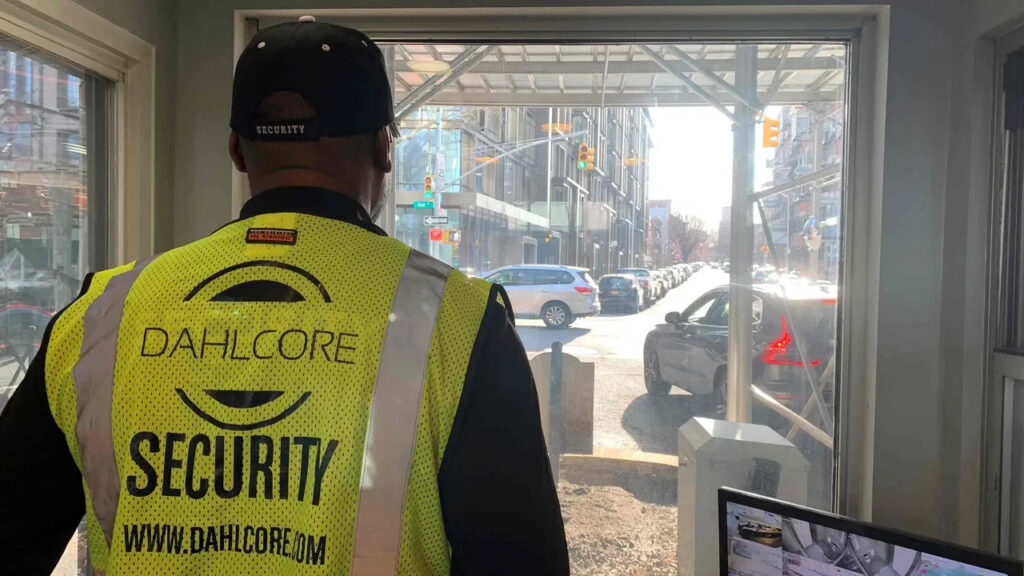
PMSCs use satellite communication systems with encrypted channels to maintain constant contact with vessels, shore-based command centers, and naval forces. Radar, CCTV cameras, thermal imaging, night vision goggles, and unmanned aerial vehicles (UAVs) enable 24/7 surveillance of vast maritime areas, early detection of suspicious vessels, and real-time intelligence sharing.
Protective Gear and Defensive Equipment
PCASP are equipped with ballistic vests, helmets, tactical firearms, non-lethal deterrents (such as long-range acoustic devices), and secure communication devices. Vessels are hardened with razor wire, anti-boarding barriers, secure citadels, and fire hoses to delay or deter boarders.
Training and Certification
PMSC personnel undergo rigorous military, law enforcement, or maritime security backgrounds and complete specialized courses in firearms proficiency, maritime law, de-escalation and conflict resolution, first aid and trauma care, and crisis management. Dahlcore Security provides ongoing advanced training in handling sensitive maritime operations, ensuring that guards remain current on evolving threats and regulatory changes.
Cost Considerations and ROI
The cost of hiring a PMSC varies based on route, duration, threat level, number of guards, and whether the service is armed or unarmed. Typical factors include:
- Geographic Risk: Transits through the Gulf of Aden or Somali Basin command higher rates than lower-risk regions
- Duration and Distance: Longer voyages or multi-leg transits increase personnel and logistical costs
- Level of Service: Armed VPTs with advanced technology cost more than unarmed advisory services
Conducting a Cost-Benefit Analysis
When evaluating PMSC investment, shipowners should weigh direct costs against potential losses from piracy (ransom payments, vessel downtime, cargo loss, crew ransom insurance, legal fees) and indirect costs (increased insurance premiums, reputational damage, loss of charterer confidence, regulatory fines). In most high-risk scenarios, the cost of a PMSC is a fraction of the financial and human toll of a successful pirate attack.
Budgeting Tips
- Request detailed quotes from multiple reputable agencies and compare scope, insurance, and track records
- Negotiate multi-voyage or annual contracts for cost savings if you operate regular routes through HRAs
- Work with your insurance broker to confirm that PMSC deployment will reduce war-risk premiums and maintain coverage

Why Choose Dahlcore Security
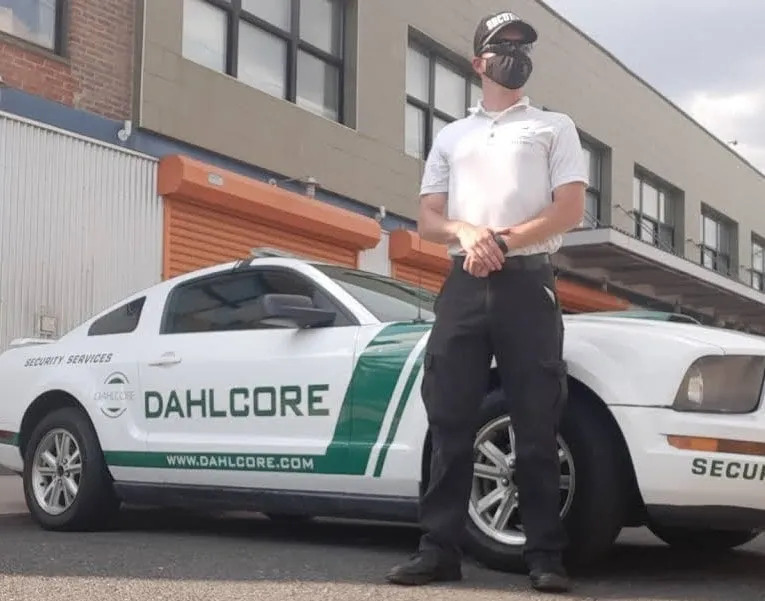
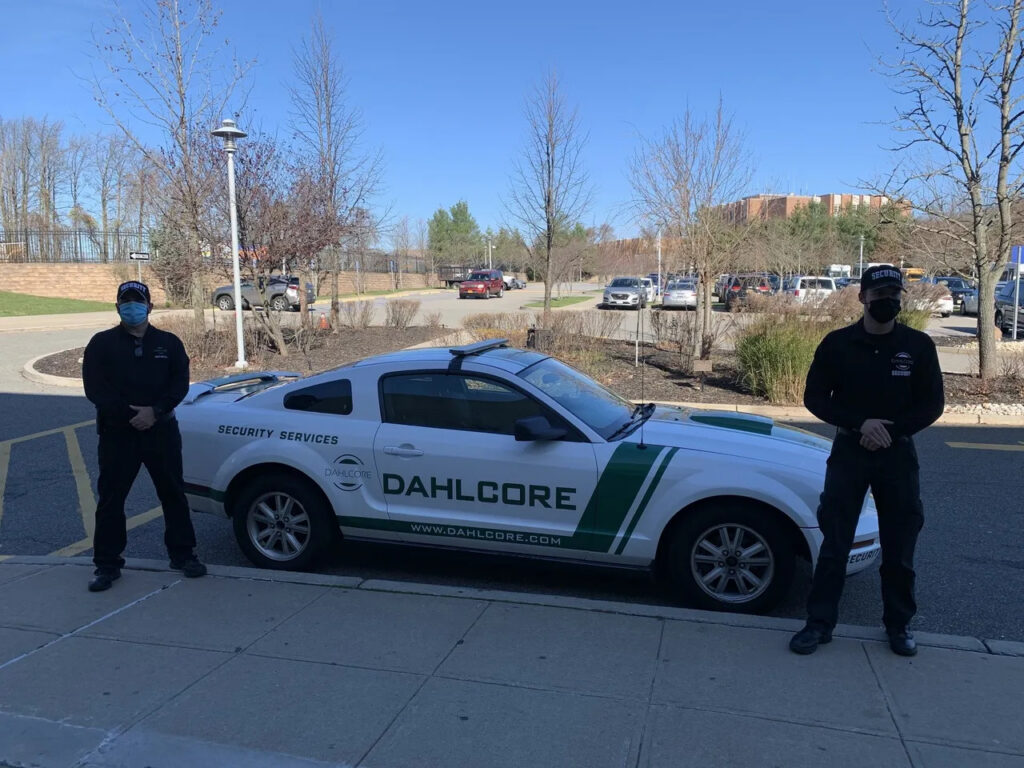
Dahlcore Security Guard Services is a fully licensed and insured security firm based in New York, offering elite maritime security services tailored to the needs of ship owners, port operators, and offshore asset managers. Our maritime security team brings extensive military, law enforcement, and private security experience, combined with deep knowledge of international maritime law, ISPS Code compliance, and BMP5 best practices.
Our Maritime Security Offerings
- Armed and Unarmed Vessel Protection Teams for transits through high-risk areas
- Port and Terminal Security with 24/7 surveillance, access control, and emergency response
- Risk Assessment and Intelligence Briefings customized to your vessel, route, and cargo profile
- ISPS Code Compliance Support, including VSP development, drills, and audits
- Maritime Security Training for crew and officers in anti-piracy tactics, emergency procedures, and communication protocols
Proven Track Record
Dahlcore has a reputation for transparent communication, rigorous training, and a record of zero major security breaches across our maritime and commercial security operations. We maintain rapid response capabilities and coordinate seamlessly with the Coast Guard, Port Authority, and international maritime security agencies.
Get Started
Request a no-obligation maritime security assessment by calling +1 212-208-0900 or visiting Maritime Security Services. Protect your crew, cargo, and investment with Dahlcore’s world-class maritime security solutions.
Frequently Asked Questions
Are Private Maritime Security Contractors Legal?
Yes, PMSCs are legal and widely used throughout the global shipping industry. However, their operations must comply with the laws of the flag state under which the vessel is registered, the regulations of port states where the vessel calls, and international frameworks such as UNCLOS, SOLAS, and the ISPS Code. Some countries prohibit armed guards on vessels in their territorial waters, so ship operators must verify local rules before embarkation.
What Do Armed Security Guards Do on Ships?
Armed security guards, or privately contracted armed security personnel (PCASP), serve as the last line of defense against piracy and armed attacks. They conduct continuous surveillance using radar, thermal imaging, and visual lookouts; deter attackers through visible armed presence and warning shots; execute defensive maneuvers and use proportional force to repel boarders; coordinate with the ship’s master, regional security centers, and naval forces; and provide first aid and medical care in the event of injuries.
How Much Do Private Maritime Security Services Cost?
Costs vary significantly based on threat level, route, voyage duration, number of guards, and whether services are armed or unarmed. A typical armed VPT for a high-risk transit (e.g., Gulf of Aden) may range from several thousand to tens of thousands of dollars per voyage, while unarmed advisory services and risk assessments cost less. The investment is typically far smaller than the financial and human cost of a piracy incident.
What Is the Difference Between Naval Forces and Private Maritime Security?
Naval forces are government-operated military units authorized to conduct law enforcement, patrol international waters, and engage hostile actors under rules of engagement set by their nation’s defense policies. PMSCs are private companies contracted by ship owners to provide onboard or shore-based security services focused on deterrence, detection, and defense of specific vessels or facilities. Naval forces operate area patrols and may escort convoys, while PMSCs provide dedicated, vessel-specific protection and are hired directly by commercial clients.
How Do PMSCs Protect the Marine Environment?
PMSCs contribute to environmental protection by deterring illegal fishing and poaching of endangered marine species; preventing sabotage of subsea cables, pipelines, and offshore platforms that could cause oil spills or pollution; detecting and reporting illegal dumping of toxic waste or hazardous materials; and supporting coast guard and regulatory agencies in enforcing marine protected areas and environmental regulations.
What Training Do Private Maritime Security Personnel Receive?
PMSC personnel typically have military, law enforcement, or maritime security backgrounds and complete specialized training in firearms and defensive weapons proficiency; international maritime law, UNCLOS, and flag state regulations; crisis management, hostage survival, and hijack response; advanced first aid, trauma care, and emergency medical procedures; and communication protocols, ship security systems, and coordination with naval and coast guard forces.
Need reliable port or vessel protection? Choose the leading Maritime Security Services in New York — call our team now.
Check other blogs
Security Guard vs. Security Officer – What’s the Difference?
What Makes a Good Security Guard: Key Traits and Responsibilities
Professional Security Systems: Top Home Security Options for 2026
