


Last updated: January 29, 2026
If you are searching for practical examples of loss prevention you can deploy right now, you are in the right place. Loss prevention is the process of reducing losses from theft, fraud, and operational errors so you can protect profits, people, and property.
At Dahlcore Security Guard Services, this guide walks through real-world loss prevention examples, from CCTV and inventory audits to security guards and remote video monitoring, with clear steps to implement each one.
What Is Loss Prevention?
Loss prevention is a coordinated program designed to reduce inventory shrink, cash loss, and damage to assets caused by shoplifting, internal theft, fraud, vandalism, and process errors. In retail and other industries, an effective loss prevention program combines people (loss prevention officers, security guards), processes (audits, training, policies), and technology (CCTV, POS exception reporting, EAS, access control).
Retail loss prevention is especially important as many retailers face rising shrinkage from shoplifting, organized retail crime (ORC), and employee theft, prompting increased investment in security guard services and technology-based theft prevention.
Types of Loss Prevention
- Operational loss prevention: Focuses on preventing losses caused by admin mistakes, inventory errors, mismatched purchase orders, and vendor disputes through better processes and audits.
- Retail theft and shoplifting prevention: Targets external theft, ORC, and return fraud using surveillance, guards, store design, and customer‑facing controls.
- Internal / employee theft prevention: Addresses risks from staff using audits, POS controls, access restrictions, and a strong culture of accountability.
- Fraud prevention: Reduces losses from returns fraud, discount abuse, promotion scams, and payment fraud using POS exception reporting, policy controls, and monitoring.
- Technology-based loss prevention: Uses tools like CCTV, EAS, AI video analytics, remote guarding, RFID, and inventory management systems to detect and deter incidents.
Top 5 Quick-Start Loss Prevention Examples
- CCTV and remote video monitoring for high-risk aisles, entrances, exits, and loading docks.
- Electronic Article Surveillance (EAS) tags and pedestals at retail exits.
- POS exception reporting to flag suspicious discounts, voids, and refunds.
- Physical security guards/loss prevention officers in-store and at doors.
- Regular inventory cycle counts and spot checks in backrooms and warehouses.
Examples of Loss Prevention in Retail
This section highlights retail loss prevention examples you can implement in stores, shopping centers, and specialty environments like dispensaries or electronics retailers.
Retail Loss Prevention Examples
- CCTV monitoring and remote video surveillance
CCTV cameras combined with remote monitoring focus on entrances, exits, POS stations, and high-value areas to deter and detect theft. This example of loss prevention helps identify shoplifters, verify incidents, and support investigations.
- How to implement it: Install cameras with clear coverage of doors, aisles, and registers; integrate with a remote video monitoring or virtual guard service; assign a loss prevention manager or security vendor to review alerts.
- Electronic Article Surveillance (EAS) tags and pedestals
EAS tags attached to merchandise and antennas at exits sound an alarm if unpaid items leave the store, which is a classic example of loss prevention in retail apparel and electronics. This reduces casual shoplifting and forces ORC groups to work harder to remove tags.
- How to implement it: Tag high-risk items, position pedestals at main exits, train staff on alarm response, and review alarm trends monthly.
- Visible security guards and loss prevention officers
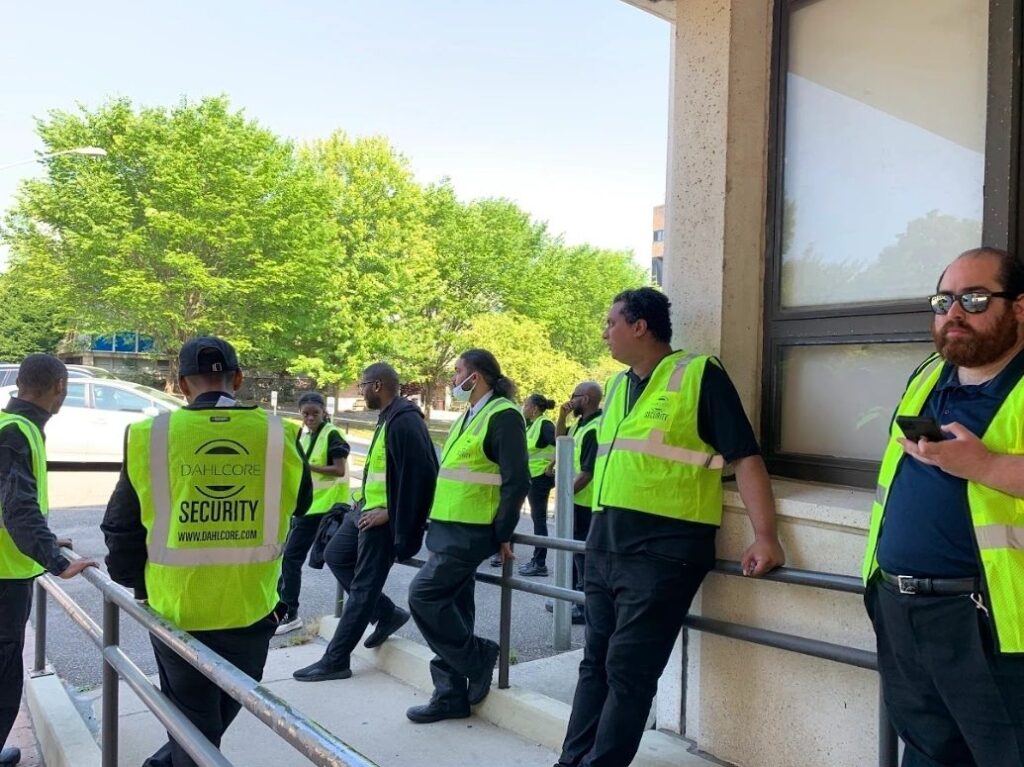
Professional security guards or dedicated loss prevention officers patrol the sales floor, greet customers, and monitor suspicious behavior, which acts as both a visible deterrent and a rapid response resource. This example of loss prevention is especially effective in malls, big-box retail, and high-shrink locations.
- How to implement it: Partner with a licensed provider like Dahlcore for security guards for loss prevention; define post orders, patrol routes, and incident reporting procedures.
- POS exception reporting and integrated video
POS exception reporting software flags unusual transactions such as high-value refunds, excessive discounts, no‑sale events, or after-hours transactions, often reducing internal shrink significantly. When combined with CCTV, this loss prevention example helps verify exactly what happened at the register.
- How to implement it: Enable exception reports in your POS, set thresholds for alerts, integrate with video, and assign a manager or LP officer to review exceptions weekly.
- Returns and refund controls
Standardizing ID checks, receipt requirements, and refund limits reduces returns fraud, a major source of retail shrinkage. This example of loss prevention also supports honest customers by making policies clear and consistent.
- How to implement it: Publish a clear returns policy, require receipts or digital lookup, train staff to spot suspicious patterns, and restrict high-risk items.
- Mystery shoppers and compliance checks
Mystery shoppers test whether staff are following loss prevention procedures like checking bags, verifying IDs, and locking display cases. This example helps identify training gaps and stores with elevated risk.
- How to implement it: Use internal staff or a third party to perform periodic mystery shops, document results, and address issues with targeted training.
- Access control for stockrooms and high-value areas
Electronic access control systems, keys, or card readers limit who can enter stockrooms, cash offices, and secure cages. This loss prevention example reduces internal theft and ensures better accountability for who accessed inventory and when.
- How to implement it: Install card readers or smart locks, configure access levels by role, log access, and review logs for anomalies.
- Incident reporting and case management
Standardized incident reports and digital case files help you document theft, disorderly conduct, and safety issues consistently. This example of loss prevention improves follow‑up, trend analysis, and coordination with law enforcement.
- How to implement it: Adopt a digital incident reporting tool, create standard fields and categories, and train managers and guards on timely reporting.

Examples of Loss Prevention in Other Industries
Loss prevention examples also apply to warehouses, logistics, construction sites, and hospitality, where inventory, equipment, and people all need protection.
Operational Loss Prevention Examples
- Inventory management systems and cycle counts
Regular cycle counts and real‑time inventory management detect discrepancies early, reducing shrink from process errors and unnoticed theft. This is a strong example of operational loss prevention for warehouses and retail backrooms.
- How to implement it: Schedule weekly cycle counts for high-risk SKUs, use barcode or RFID scanners, reconcile discrepancies, and adjust procedures based on findings.
- Receiving and vendor verification tools
Matching purchase orders, packing slips, and invoices at receiving docks helps catch vendor short-ships, over-billing, and mislabeling. This example limits losses that come from incorrect deliveries and billing errors.
- How to implement it: Use digital checklists, require sign-off at receiving, and periodically audit vendor accuracy and dispute patterns.
- Standard operating procedures (SOPs) and training
Clear SOPs for cash handling, key control, opening/closing, and high‑risk tasks reduce losses from mistakes and policy violations. This example of loss prevention is critical for logistics hubs and hospitality venues with high staff turnover.
- How to implement it: Document procedures, train all staff, and conduct periodic refreshers and spot checks.
Technology-Based Loss Prevention Examples
- AI‑enabled video analytics
AI analytics layered on CCTV can flag loitering, crowding, perimeter breaches, or behavior linked to theft and safety risks. This technology example supports both threat detection and operational insights.
- How to implement it: Enable analytics with your video platform or virtual guard service, configure rules for your environment, and refine alerts over time.
- Remote guarding / virtual guard services
Remote guards monitor live video feeds, audio speakers, and analytics to deter crime and intervene in real time without always being on‑site. This example of loss prevention is powerful for warehouses, logistics yards, construction sites, and after‑hours retail.
- How to implement it: Deploy cameras and speakers at key points, connect them to a virtual guard loss prevention solution, and define escalation rules for alarms.
- RFID and smart shelves
RFID tags and smart shelves can automatically track item movement, helping detect unusual removals and misplaced items in warehouses or high-value retail. This loss prevention example blends inventory accuracy with theft detection.
- How to implement it: Tag high‑value or high‑shrink SKUs, deploy readers at doors and shelves, and integrate alerts into your inventory system.
Loss Prevention Strategies and Best Practices
Beyond individual examples, a strong loss prevention strategy brings all of your measures into a coordinated, repeatable program.
Core Loss Prevention Strategies
- Build a formal loss prevention program with defined goals, KPIs, and ownership, including a loss prevention manager or external security partner.
- Combine retail theft prevention, internal theft controls, fraud controls, and operational loss prevention under one strategy, not separate silos.
- Use data from CCTV, POS exception reporting, inventory, and incidents to focus on high‑risk stores, time periods, and SKUs.
Staff Training and Culture
- Train employees to recognize suspicious behavior, follow cash and key control procedures, and respond appropriately to alarms and incidents.
- Reinforce a culture where safety and asset protection are shared responsibilities across managers, security guards, and frontline staff.
- Include data loss prevention basics when staff handle customer information and payment data to reduce cyber and privacy risks.
Summary of Loss Prevention Examples
CCTV & remote video monitoring
- Main purpose: Deter and detect theft and incidents
- Typical environment: Retail stores, malls, warehouses, logistics yards
EAS tags and pedestals
- Main purpose: Reduce shoplifting and ORC
- Typical environment: Apparel, electronics, big-box retail
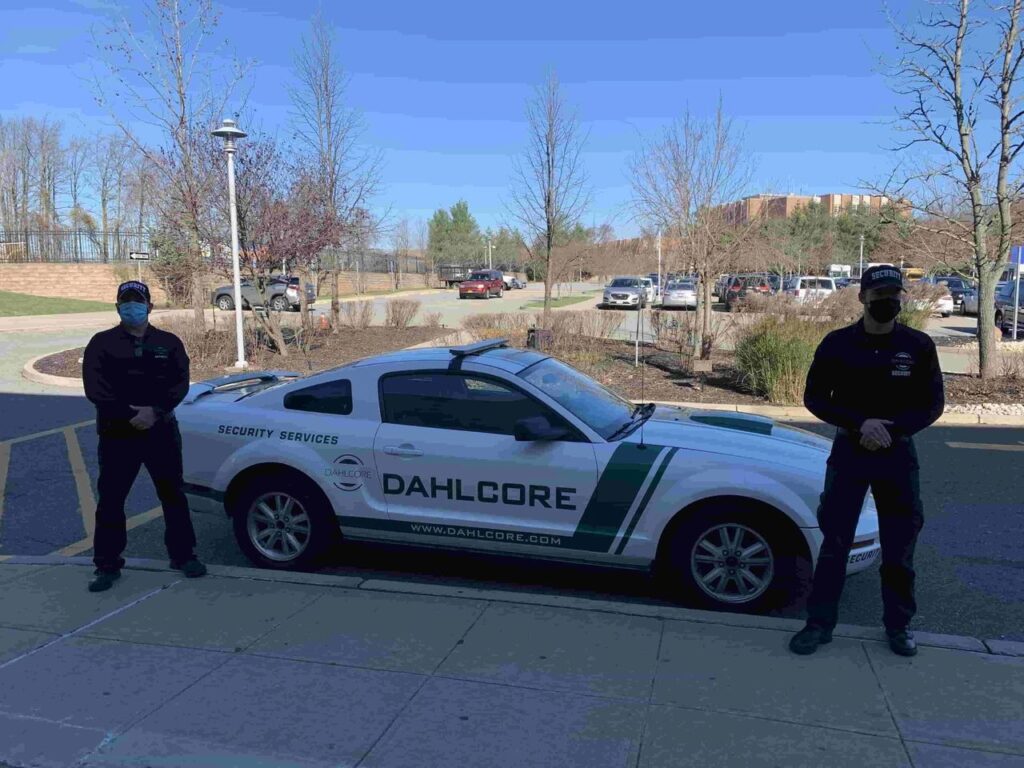
Physical security guards / loss prevention officers
- Main purpose: Visible deterrence, incident response
- Typical environment: Malls, big-box retail, dispensaries, construction sites
Inventory cycle counts
- Main purpose: Reduce shrink from errors and theft
- Typical environment: Retail backrooms, warehouses, distribution centers
POS exception reporting
- Main purpose: Detect fraud and policy abuse
- Typical environment: Any brick-and-mortar retail or hospitality
Access control systems
- Main purpose: Prevent unauthorized entry
- Typical environment: Stockrooms, cash offices, construction sites
Remote guarding / virtual guard services
- Main purpose: After-hours deterrence and response
- Typical environment: Warehouses, yards, construction, logistics hubs
FAQs About Loss Prevention Examples
What are common examples of loss prevention in retail?
Common retail loss prevention examples include CCTV monitoring, EAS tags, security guards, POS exception reporting, inventory audits, and strict returns controls. Together, these examples reduce shrinkage from shoplifting, internal theft, and fraud while improving employee and customer safety.
What is an example of operational loss prevention?
An example of operational loss prevention is using inventory management systems and regular cycle counts to catch discrepancies before they become large losses. Another example is verifying vendor deliveries against purchase orders to prevent short shipments and overbilling.
What is the role of security guards in loss prevention?
Security guards support retail loss prevention by acting as a visible deterrent, monitoring high-risk areas, and responding quickly to incidents like shoplifting, disorderly conduct, or trespassing. They also help enforce policies, protect staff, and document incidents for follow‑up and law enforcement.
What are examples of technology used in loss prevention?
Technology-based loss prevention examples include CCTV, AI video analytics, EAS systems, POS exception reporting, access control, RFID, and remote guarding platforms. These tools help detect suspicious activity faster, reduce reliance on manual checks, and improve the effectiveness of security guard services.
Talk to a Loss Prevention Expert
If you are dealing with rising shrinkage, theft, or security concerns, Dahlcore can design a tailored loss prevention program for your retail stores, warehouses, or construction sites. See how our security guard services support retail loss prevention and virtual guard loss prevention solutions, or contact us today to discuss your locations and risks.
Check other blogs
How to Hire a Bodyguard: Tips to Safeguard Your Peace of Mind
Becoming a Pro Fire Watch Guard: Skills, Training, Certification
The Unseen Benefits of Constant Surveillance on Construction Site
