


“Leveraging Technology in Hospital Security Operations: A Comprehensive Guide”
In today’s rapidly evolving digital landscape, the importance of robust security measures in hospitals cannot be overstated. The healthcare sector, being a critical component of our society, demands an impenetrable security apparatus to protect its patients, staff, and sensitive data. This article delves into how technology is revolutionizing hospital security operations, ensuring a safer environment for everyone.
The Significance of Advanced Security in Healthcare Facilities
Healthcare institutions are sanctuaries of healing and care. Yet, they face unique security challenges ranging from protecting patient data to ensuring physical safety. The integration of cutting-edge technology in hospital security operations has emerged as a game-changer in addressing these challenges.
The Role of Technology in Enhancing Hospital Security
Incorporating technology into hospital security strategies offers a multi-faceted approach to safeguarding these vital institutions. From surveillance systems to data protection, technological advancements provide a comprehensive shield against various security threats.
Innovative Security Solutions in Modern Healthcare Facilities
Modern hospitals are now equipped with advanced security systems that include high-definition surveillance cameras, biometric access controls, and sophisticated cybersecurity measures. These technologies work in tandem to create a secure and efficient environment for patients and healthcare providers.
Digital Surveillance Systems in Hospitals
Digital surveillance plays a pivotal role in hospital security. High-resolution cameras and real-time monitoring systems act as vigilant eyes, deterring potential security breaches and ensuring patient safety.
Advancements in CCTV and Monitoring Technologies
The evolution of CCTV from mere recording devices to intelligent systems equipped with facial recognition and motion detection illustrates the technological strides made in surveillance. These tools provide hospital security teams with enhanced capabilities to monitor and respond to incidents promptly.
Access Control Mechanisms
Controlling access to sensitive areas in hospitals is crucial. Advanced access control systems, including biometrics and smart ID cards, ensure that only authorized personnel can enter these zones, thus safeguarding patients and critical infrastructure.
Biometric Systems and Smart ID Cards
Biometric systems, such as fingerprint and retina scanners, offer a high level of security, ensuring that access is granted only to verified individuals. Smart ID cards, on the other hand, provide a convenient yet secure way to manage the access rights of staff and visitors.
Cybersecurity in Hospital Operations
As hospitals store vast amounts of sensitive patient data, cybersecurity is a top priority. Protecting this data against cyber attacks is crucial for maintaining patient trust and compliance with legal standards.
Protecting Patient Data and Hospital Networks
Implementing robust firewalls, intrusion detection systems, and regular security audits are essential in defending against cyber threats. Educating staff on cybersecurity best practices is equally important in creating a secure digital environment.
Integration of AI and Machine Learning
Artificial intelligence (AI) and machine learning are transforming hospital security operations. These technologies enable predictive analytics, which can identify potential security threats before they materialize.
Predictive Analytics for Threat Assessment
By analyzing vast amounts of data, AI algorithms can detect unusual patterns and alert security personnel about potential security breaches, allowing for preemptive action.

Mobile Security Applications
Mobile applications enhance communication and coordination among security staff. In emergencies, these apps facilitate rapid response, ensuring immediate action is taken to mitigate risks.
Enhancing Communication and Response Times
Through mobile apps, security teams can receive real-time alerts, share information quickly, and coordinate effectively, significantly improving response times in critical situations.
Emergency Response Systems
Technological integration plays a vital role in emergency response. Modern hospitals are equipped with systems that can immediately alert staff and security personnel in the event of an emergency, ensuring a swift and organized response.
Technological Integration for Swift Action
These systems can include automated alarms, lockdown protocols, and emergency communication networks, all designed to respond effectively in crises.
Training and Simulation Technologies
Training in hospital security is crucial, and technology has made it more effective. Simulation technologies provide realistic scenarios for security personnel to train in, preparing them for real-world challenges.
Preparing Staff for Security Challenges
Through virtual reality and other simulation tools, security teams can experience and react to various security scenarios. This training is invaluable in developing the skills and confidence needed to handle actual security incidents.
Patient Safety and Technology
The safety of patients is the primary concern of any healthcare facility. Technological innovations, particularly in patient monitoring, play a crucial role in ensuring patient well-being and security.
Innovations for Patient Monitoring and Protection
Technologies such as wearable health monitors and electronic patient tagging systems provide continuous monitoring of patient health and location, enhancing overall safety within the hospital.
Inventory and Asset Management
Effective management of hospital assets and inventory is essential for smooth operations. RFID (Radio-Frequency Identification) technology has revolutionized the way hospitals track and manage their equipment and supplies.
RFID Technology in Equipment Tracking
RFID tags attached to hospital assets enable real-time tracking and inventory management, reducing the risk of loss or theft and ensuring that critical equipment is always available when needed.
Collaboration with Law Enforcement
Collaboration with local law enforcement agencies is critical to maintaining a secure hospital environment. Sharing information and resources enhances the overall security framework and readiness to tackle threats.
Sharing Information for Enhanced Security
Through collaborative efforts, hospitals can access additional resources and expertise, bolstering their security measures and response capabilities.
Future Trends in Hospital Security Technology
The field of hospital security is continually evolving, with new technologies emerging regularly. Staying abreast of these developments is essential for maintaining a state-of-the-art security infrastructure.
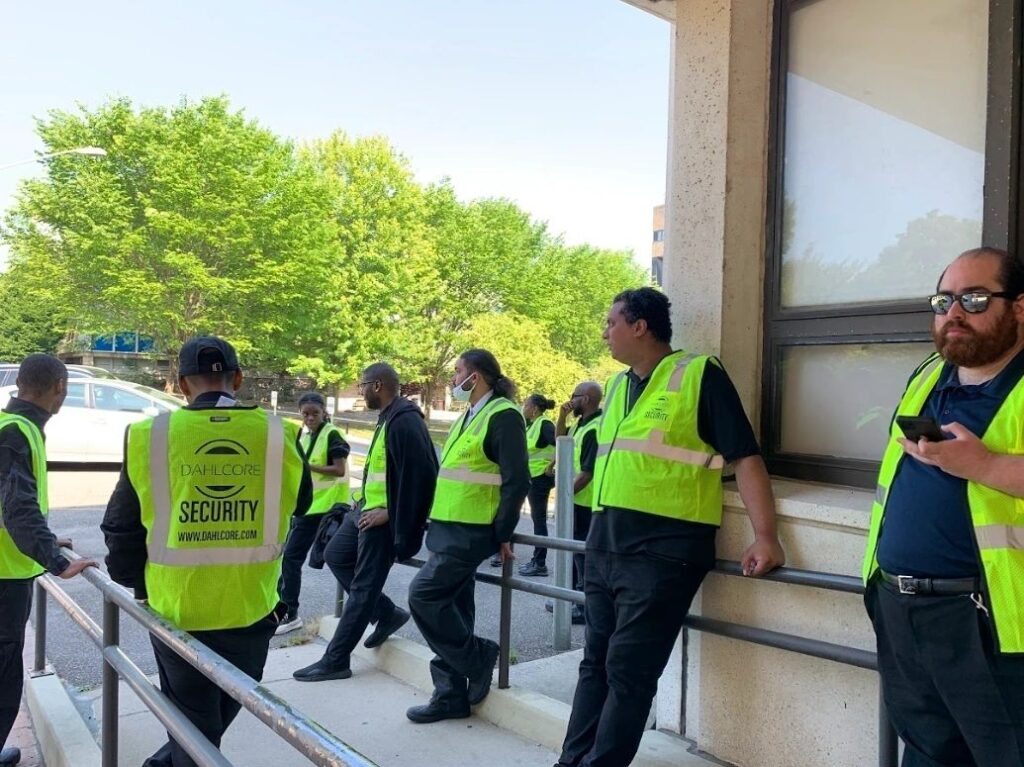
Emerging Technologies and Potential Impact
Future trends in hospital security technology may include more advanced AI applications, drone surveillance, and even robotic security personnel, offering new possibilities for safeguarding healthcare facilities.
Challenges in Implementing New Security Technologies
Despite the benefits, integrating new technologies into existing hospital security systems can take time and effort. Issues such as budget constraints, staff training, and adapting to new protocols must be addressed.
Addressing Budget and Staff Training Needs
Finding the balance between cost and effectiveness is vital. Additionally, ensuring staff are adequately trained to use new technologies is critical for their successful implementation.
Frequently Asked Questions
What are the key technologies used in hospital security today?
Advanced surveillance systems, biometric access controls, cybersecurity measures, AI and machine learning applications, and RFID technology are some of the critical technologies used in modern hospital security.
How does AI contribute to hospital security?
AI contributes to hospital security by providing predictive analytics for threat assessment, helping to identify potential security issues before they occur.
Can technology secure a hospital entirely?
While technology plays a crucial role in securing hospitals, it should be complemented with well-trained personnel and robust protocols for maximum effectiveness.
Are there privacy concerns with the use of surveillance technology in hospitals?
Yes, privacy concerns exist, and hospitals must balance the need for security with respecting patient and staff privacy. Regulations and ethical guidelines must be adhered to in the use of surveillance technology.
How do mobile security applications enhance hospital security?
Mobile security applications enhance hospital security by providing real-time communication, alerts, and coordination tools for security teams, leading to faster response times in emergencies.
What future technologies are expected to impact hospital security?
Future technologies that may impact hospital security include more advanced AI and machine learning applications, drone surveillance, and the use of robotics in security operations.
Conclusion
The integration of technology in hospital security operations is not just a trend but a necessity in our digital age. By embracing these advancements, healthcare facilities can ensure a safe and secure environment for their patients and staff.
Check other blogs
Commercial Property Security: Essential Measures
The Importance of Fire Watch Guards in High-Risk Industries
Understanding Hospital Security Guard Salaries: 10 Key Insights
What Is a Fire Guard? Essential Guide to Fire Watch Services
Check also our Hospital Security
