


Last Updated: January 14, 2026
Legal Responsibilities, Liabilities, and Public Liability Insurance for Security Guard Services
Updated for 2026 legal and insurance standards
Security guard services are critical for protecting people, property, and businesses. But did you know that your security company could face major financial risks from everyday operations—like injury to a passerby or accidental property damage—without proper insurance?
Public liability insurance for security guards is the cornerstone of legal and financial protection. It shields your business from third‑party claims arising during security duties and ensures you remain compliant with industry regulations. This guide explains the legal duties, liabilities, and insurance policies that every security company should understand—especially those looking to partner with Dahlcore, your trusted provider for insured and compliant security guard services.
What Is Public Liability Insurance for Security Guards?
Public liability insurance for security guards indemnifies a security company—or in some cases, individual guards—against third‑party claims for bodily injury, property damage, or other losses sustained while performing security duties.
In simpler terms, if your guard accidentally injures a person or damages property while on duty, your public liability policy covers the resulting legal defense costs and compensation. For example:
- A pedestrian slips during crowd control at a venue that your guards manage.
- A guard accidentally scratches a client’s luxury vehicle while escorting a suspect.
- A bystander files a claim for injury during a physical intervention.
Without this coverage, your business could face lawsuits, settlement costs, and damage to your professional reputation.
Legal Duties of Security Guards
Security guards must perform their duties within the boundaries of law and corporate policy. Their legal responsibilities include:
- Protecting individuals and property from harm.
- Reporting incidents to law enforcement appropriately.
- Respecting individuals’ rights (avoiding discrimination, excessive force, or false detention).
- Maintaining licensing and certification compliance.
Failure to follow these duties can expose both the guard and employer to vicarious liability, where a company is legally responsible for its employee’s actions.
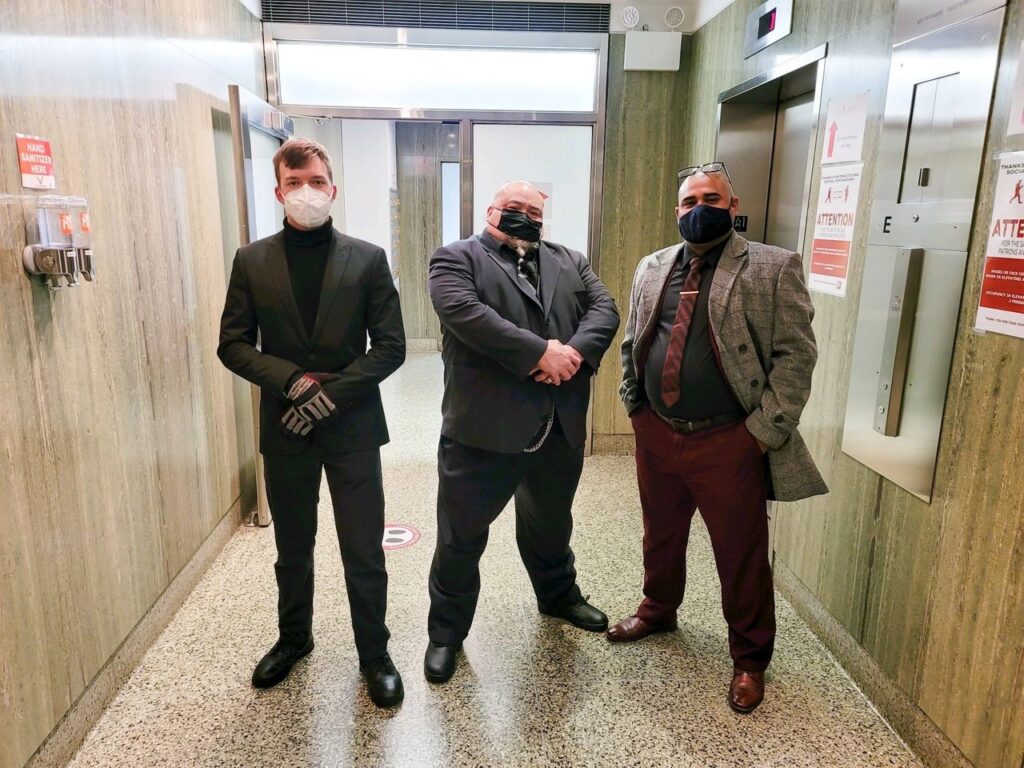
Types of Liability Security Guards Face
Security professionals encounter multiple forms of liability, including:
- Negligence – Failing to act with reasonable care during an incident.
- Wrongful detention or false arrest – Detaining individuals beyond legal authority.
- Property damage – Breaking or damaging client or public property while on duty.
- Bodily injury – Causing physical harm during security operations.
These risks demonstrate the necessity of comprehensive public liability and professional liability insurance.
Why Public Liability Insurance Matters for Security Guards
Public liability insurance plays a vital role in managing the financial impact of accidents and claims. It provides:
- Third‑party injury coverage – Pays for medical expenses and compensation.
- Property damage protection – Covers costs of repairing or replacing damaged items.
- Legal defense – Covers attorney fees and settlements.
- Peace of mind – Let’s your guards work confidently, knowing they are legally protected.
Real‑World Example
A retail security firm faced a claim when a shopper tripped over cables during a surveillance setup. Thanks to their comprehensive public liability insurance, all medical expenses and legal fees were covered—preserving the firm’s finances and reputation.
Key Insurance Types for Security Guards
Security companies often combine several policies for complete protection:
1. Public or General Liability Insurance
This insurance covers costs related to third-party injuries or property damage caused during security operations, such as incidents occurring while on patrol or during an intervention. It shields the company from expensive legal claims and compensation payouts that could arise from accidents or mistakes on duty.
2. Professional Liability Insurance (Errors & Omissions)
This policy protects your company if clients file claims for negligence, wrongful arrest, or failure to perform security duties as expected. It’s essential for maintaining professional credibility and minimizing financial loss from lawsuits tied to performance or judgment errors.
3. Workers’ Compensation and Business Auto
Workers’ compensation ensures employees receive medical care and wage replacement if injured while performing job duties. Business auto coverage adds protection for vehicles used in patrols or site visits, covering potential damages, accidents, or liability claims.
Together, these policies ensure your company is protected against both operational and professional risks.
Common Claims Against Security Companies
Public liability and general liability claims commonly arise from incidents such as:
- Accidental injury to a customer or bystander.
- Damage to vehicles or equipment during patrols.
- Excessive use of force or wrongful detention.
- Slips, trips, or crowd‑control incidents.
Each of these scenarios highlights why public liability insurance for security guard companies is essential—not optional.

How Liability Insurance Mitigates Legal Risk
Proper insurance acts as your financial safeguard when legal responsibilities are breached. It supports:
- Negligence coverage – When an error or omission leads to loss or injury.
- Vicarious liability defense – When your business is held accountable for employee actions.
- Wrongful detention cases – Providing financial coverage for legal settlements.
This integrated risk management approach reflects Dahlcore’s commitment to proactive compliance and client safety.
Why Public Liability Insurance Is Essential for Security Guards
You need this insurance if your guards:
- Interact with the public during patrols or events.
- Work in crowded, high‑risk, or property‑sensitive locations.
- Handle physical intervention or detainment situations.
Checklist for Security Companies:
- Maintain valid licensing and certifications.
- Provide staff training on use‑of‑force and reporting protocols.
- Keep confidential records secure and GDPR‑compliant.
- Maintain proof of public liability insurance and renewal dates.
- Conduct regular audits for safety compliance.
If You Are a Client vs If You Are a Guard
If you’re a client:
Choose a security provider that can show proof of public liability insurance and professional indemnity. It protects you from shared liability if something happens on your premises.
If you’re a guard or business owner:
Ensure your coverage includes general liability and professional liability clauses. These protect you against personal financial exposure from lawsuits or claims.
How Dahlcore Reduces Legal Risk
At Dahlcore, we combine top‑tier operational standards with robust insurance protection. Our services include:
- Fully insured guards with public and professional liability coverage.
- Ongoing compliance audits to meet Texas and federal regulations.
- Transparent documentation and incident reporting systems.
- Custom risk‑assessment solutions for your property or business.
Contact Dahlcore today to discuss properly insured, compliant, and reliable security guard services.
FAQs About Public Liability Insurance for Security Guards
Do security guards need public liability insurance?
Yes. It’s one of the core business protections for any security company dealing with the public. Without it, even a minor incident can lead to devastating claims.
What does public liability insurance cover for security officers?
It covers injury or property damage caused to third parties during professional duties—plus legal defense, compensation, and settlement costs.
Is public liability the same as general liability for a security company?
They are closely related. Public liability focuses on injury or property claims from public interactions, while general liability may include broader business exposures like advertising injury or product damage.
Check other blogs
How CCTV Systems Are Employed Globally
The Challenges of Providing Security in Busy Shipping Lanes
