


Security guards are often the unsung heroes of public safety, silently protecting people, assets, and properties. But is being a security guard easy? While it might seem straightforward to the untrained eye, this role is far more complex and demanding than many realize. Let’s delve into the realities, shedding light on the true nature of security work.
What Security Guard Work Is Really Like
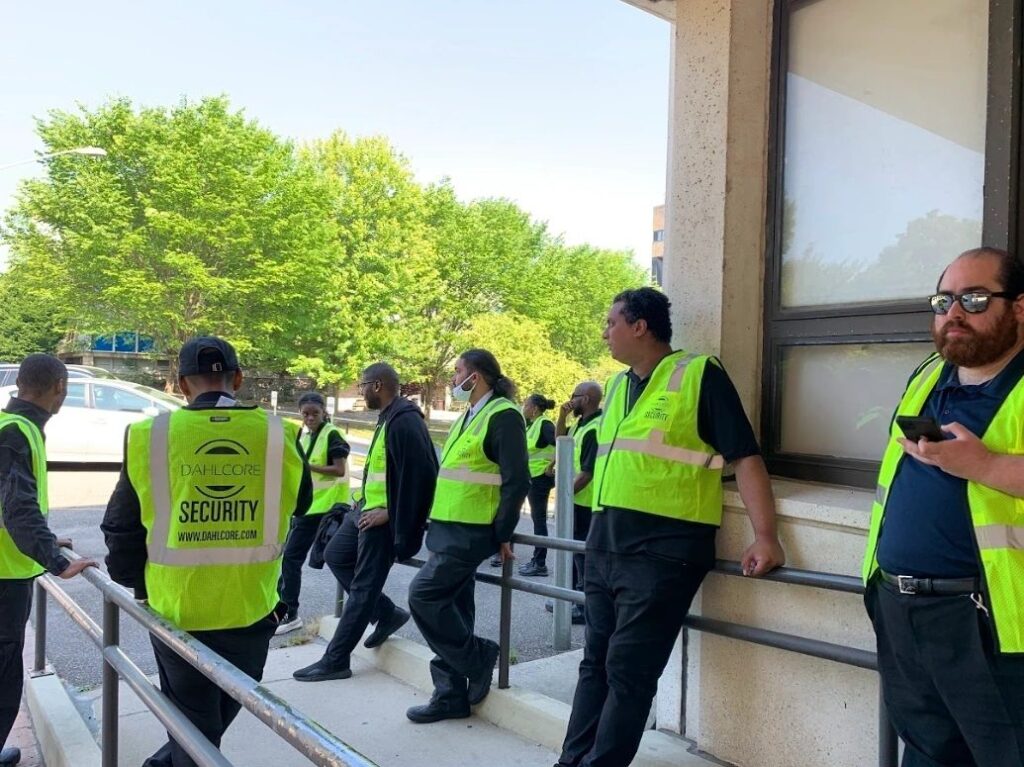
Security guard work is dynamic and multifaceted, involving more than just standing at a post. A typical day depends on the location, type of security required, and the risks involved. Here’s a closer look:
- Patrolling: Guards patrol designated areas to ensure safety and spot unusual activity. This could mean walking or driving around, depending on the premises.
- Monitoring Surveillance: Many security guards work indoors, monitoring CCTV cameras and ensuring no suspicious activity is overlooked.
- Incident Response: Responding to alarms or emergencies is a critical aspect. This includes managing fire alarms, assisting during evacuations, or neutralizing threats.
- Customer Interaction: Guards often interact with employees, customers, or visitors, providing directions and ensuring their safety.
- Writing Reports: After shifts, security guards compile reports documenting the day’s activities, incidents, and observations.
- Challenges Faced: Security guards often deal with long hours, unpredictable incidents, and occasional confrontations, requiring patience, alertness, and problem-solving skills.
While rewarding for those who enjoy safeguarding people and property, the role demands vigilance and a strong sense of responsibility.
The Responsibilities of a Security Guard
More Than Just Standing Watch
At first glance, the role of a security guard might appear monotonous—watching CCTV screens or standing at entrances. However, their duties are extensive. Security guards deter crime, monitor safety protocols, manage emergencies, and provide excellent customer service. Whether it’s performing regular patrols or intervening during suspicious activity, security guards ensure safety in various environments.
Their responsibilities may vary depending on the job. For instance, mall guards might deal with shoplifters, while industrial site guards focus on preventing trespassing or vandalism. Regardless of the specifics, the role demands vigilance and quick decision-making.

Can Anyone Be A Security Guard?
Becoming a security guard might seem accessible, but it requires specific traits, qualifications, and legal clearances. Here’s what to consider:
- Physical and Mental Fitness: Guards must be physically fit and mentally alert. Quick reflexes and strong problem-solving abilities are crucial.
- Legal Requirements: Most regions require guards to pass background checks, obtain licenses, and meet minimum age requirements.
- Skills and Training:
- Basic first aid and emergency response training.
- Conflict resolution skills for de-escalating tense situations.
- Technical knowledge for operating surveillance systems.
- Soft Skills: Communication, empathy, and the ability to remain calm under pressure are essential.
- Limitations: While no advanced degree is needed, some roles require prior experience, especially for high-risk sites like banks or VIP protection.
In short, while many can meet the requirements, not everyone is suited for the role due to the mental and physical demands.
Skills Required to Succeed
Key Traits for Excellence in Security Work
Being an effective security guard calls for a unique blend of physical, mental, and interpersonal skills. Critical thinking is vital when assessing potential threats, while strong communication skills enable guards to handle conflicts or coordinate with law enforcement. Physical fitness is also essential for patrolling large areas or responding to emergencies.
Moreover, empathy and patience play a significant role in resolving disputes calmly, whether dealing with an angry customer or a distressed individual in need of assistance.
Types of Security Guard Roles
From Corporate to Event Security
Security guards serve in various capacities, each with unique challenges and requirements. Some common roles include:
- Corporate Security Guards: Ensuring the safety of employees, visitors, and assets in office buildings.
- Event Security Guards: Managing crowds, checking tickets, and ensuring order during concerts, sports events, and festivals.
- Residential Security Guards: Monitoring apartment complexes or gated communities.
- Retail Security Guards: Preventing theft and maintaining peace in stores and shopping malls.
Each role demands tailored approaches, showcasing the diversity within the security profession.

Physical Demands of the Job
The Importance of Fitness and Stamina
Security work can be physically demanding. Guards often spend long hours on their feet, patrol extensive areas, or respond to physical altercations. While some roles may be sedentary, others require exceptional stamina and strength. Regular exercise and maintaining good health are crucial to meet these physical demands and reduce injury risks.
Emotional and Mental Challenges
Staying Calm Under Pressure
A significant part of the job involves handling high-stress situations. From de-escalating conflicts to managing emergency evacuations, guards must remain composed and decisive. The ability to think clearly during crises is non-negotiable. Some may also face psychological stress from monotony or dealing with difficult individuals, requiring a strong mental framework and support systems.
Training and Certifications
What You Need to Get Started
Becoming a security guard often requires specific training and certifications. Most employers mandate a high school diploma and completion of a state-approved security training program. Certifications like First Aid, CPR, or specialized courses in surveillance enhance employability. For armed guards, firearm training and licensing are mandatory.
Continuous learning, such as courses in conflict resolution or advanced security techniques, helps guards stay competitive in the field.
Can You Be A Self-Employed Security Guard?
Yes, security guards can work independently by offering services directly to clients rather than through a company. Here’s how to become self-employed in this field:
- Steps to Start:
- Obtain required licenses, such as a Private Patrol Operator (PPO) license in the U.S.
- Set up a legal business entity (LLC or sole proprietorship).
- Secure insurance for liability and business coverage.
- Skills Needed:
- Marketing your services to potential clients.
- Negotiating contracts and fees.
- Managing your schedule and finances.
- Target Clients:
- Small businesses.
- Event organizers.
- VIPs need personal protection.
- Advantages:
- Flexibility to choose jobs and clients.
- Higher earnings potential by cutting out middlemen.
- Challenges:
- Building a client base.
- Handling administrative tasks like taxes and invoicing.
- Investing in personal equipment, such as uniforms and tools.
Self-employment offers independence but requires entrepreneurial skills and discipline.
The Pros of Being a Security Guard
Why It Can Be a Rewarding Career
- Job Stability: With rising concerns over safety, security jobs are in demand across industries.
- Flexibility: Many roles offer varied shifts, accommodating different lifestyles.
- Personal Fulfillment: Protecting others can bring a deep sense of purpose.
- Career Progression: Opportunities to advance to supervisory or specialized roles are abundant.
For individuals seeking a role that combines responsibility with independence, security work can be a fulfilling choice.
The Cons of Being a Security Guard
Common Challenges and How to Overcome Them
While rewarding, the role isn’t without its challenges:
- Monotony: Extended periods of surveillance can feel tedious.
- Safety Risks: Confronting threats can be dangerous.
- Irregular Hours: Night shifts or long hours might disrupt the work-life balance.
However, embracing these challenges as opportunities to grow professionally can make the job more manageable.
A Day in the Life of a Security Guard
A Glimpse Into Daily Duties
A typical day may start with a briefing on potential threats or areas to monitor. Throughout their shift, guards conduct patrols, handle incidents, and interact with the public. They may also write reports, collaborate with law enforcement, or use technology like drones and access control systems to enhance security measures.
Misconceptions About Security Work
Clearing Up Stereotypes
Many assume security guards have an easy, uneventful job. However, reality involves constant vigilance, quick reflexes, and the ability to act under pressure. Guards play an active role in deterring crime and ensuring public safety, a far cry from the passive roles they are often stereotyped into.
Career Growth Opportunities
Advancing in the Security Field
Security jobs offer various paths for advancement. With experience, guards can become supervisors, risk managers, or specialize in cyber security. Additional certifications, such as Certified Protection Professional (CPP), can open doors to lucrative roles in corporate or international security.

What Is It Like To Be A Security Guard?
Being a security guard varies based on the job’s setting, yet some experiences are universal:
- Daily Responsibilities:
- Conducting rounds to inspect doors, windows, and locks.
- Ensuring compliance with safety protocols.
- Reporting irregularities to supervisors or law enforcement.
- Work Environments:
- Retail stores to deter theft.
- Construction sites to prevent unauthorized access.
- Corporate offices for safeguarding personnel and assets.
- Pros:
- Job stability in a growing industry.
- Opportunities to learn emergency management.
- Building communication and conflict resolution skills.
- Cons:
- Irregular hours, including nights and weekends.
- Dealing with potential risks, such as confrontations.
- Monotony during quiet shifts.
Ultimately, the job offers a mix of structure, responsibility, and occasional adrenaline, appealing to those who enjoy protecting others.
The Role of Technology in Security
Modern Tools for Enhancing Security
Technology has significantly transformed the security industry, enabling security personnel to handle complex tasks with greater precision and effectiveness. With innovations like biometric scanners, AI-powered surveillance systems, and real-time data analytics, security measures are more proactive, ensuring quicker response times and enhanced protection for both people and property.

FAQs About Being a Security Guard
How long does it take to become a security guard?
The time it takes to become a security guard typically ranges from a few weeks to a few months, depending on the training requirements and licensing process in your state or country. Basic training usually involves 20-40 hours, and background checks may add additional time.
Is being a security guard physically demanding?
Yes, being a security guard can be physically demanding, especially if the job involves long hours of standing, patrolling, or responding to emergencies. It may also require physical strength for restraining individuals or handling equipment.
Can security guards carry weapons?
Security guards may carry weapons if authorized by law and their employer, typically requiring additional training and certification. Regulations vary by jurisdiction and the specific duties of the security guard.
What skills are most important for a security guard?
Key skills for a security guard include strong observational abilities, attention to detail, and effective communication. Additionally, physical fitness, problem-solving, and knowledge of security systems are crucial for ensuring safety and handling emergencies.
Are there growth opportunities in security work?
Yes, security work offers growth opportunities, especially in specialized roles like cybersecurity or management positions. Advancing through certifications and gaining experience can lead to higher-paying jobs and leadership roles.
Is the job stressful?
The job can be stressful, depending on the workload and environment. However, with proper time management and support, it can be manageable.
Conclusion
Being a security guard is far from easy—it requires physical stamina, mental resilience, and a diverse skill set. However, it’s also a role filled with opportunities for personal and professional growth. By understanding and embracing the challenges, individuals can find a fulfilling career in this vital field. Whether you’re considering this path or simply curious, it’s clear that security guards play an indispensable role in society.
Check other blogs
The Evolution of Hotel Security in the Digital Age
Best Practices for Hotel Security During Peak Seasons
