

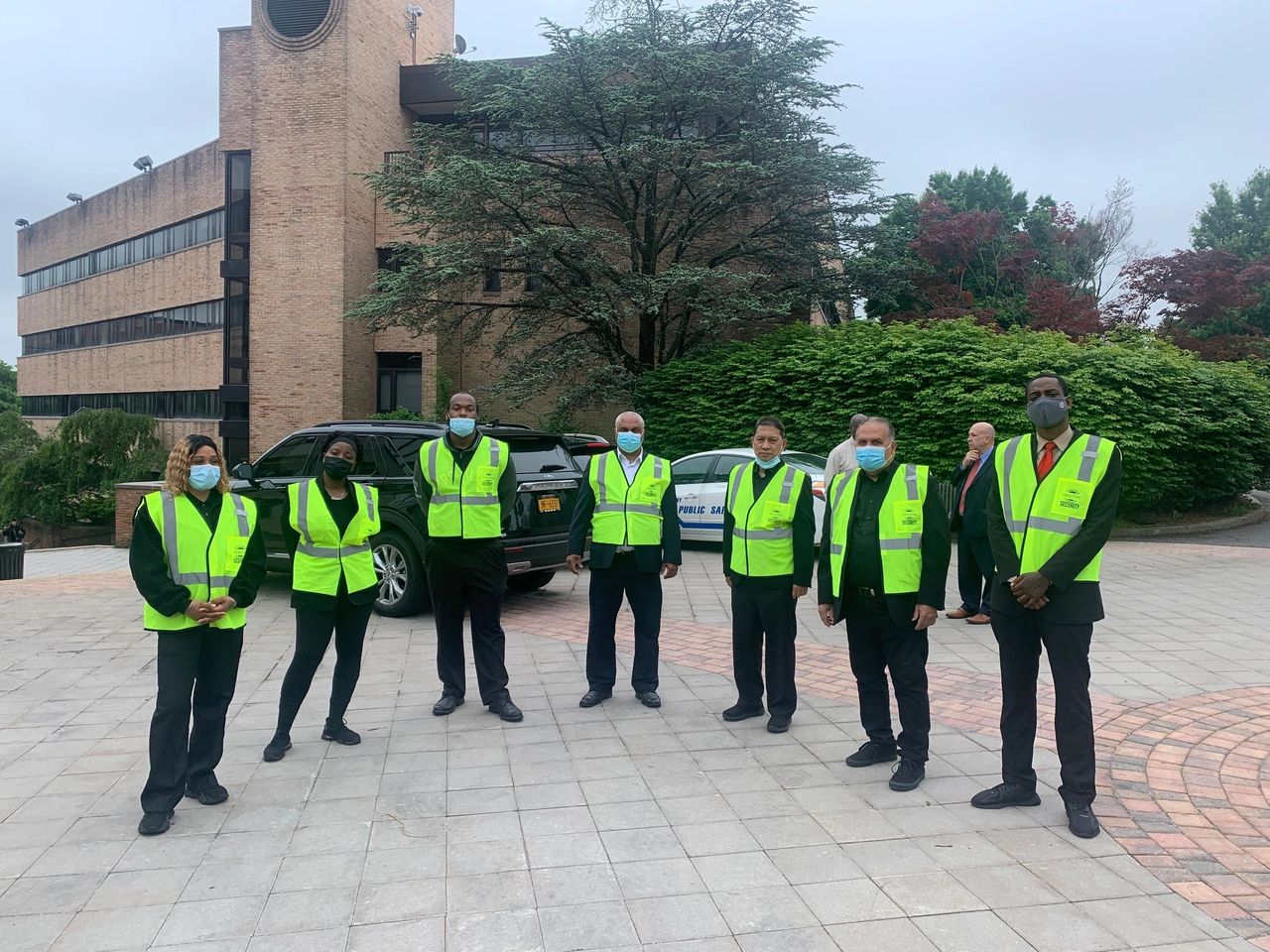
Last updated: December 26, 2025
“Customer Service Responsibilities of Security Guards (Customer-Facing Security Services)“
Customer security services are customer-facing security guard services that protect people and property while delivering helpful, professional interactions. Security guards provide customer service by greeting visitors, giving directions, enforcing access rules respectfully, communicating safety information, documenting incidents, and using de-escalation techniques—without losing situational awareness.
Customer Security Services
Customer security services means customer-facing physical security services—security guards who protect the site while serving as a calm, helpful, professional first point of contact for visitors, tenants, employees, and customers.
These guards blend safety tasks (access control, patrol visibility, incident response) with hospitality behaviors (greeting, directions, answering questions, and de-escalation) so the property feels both secure and welcoming.
Why Customer Service Matters in Security
Security officers often get approached for help because people view them as knowledgeable, visible, and safe to ask—so customer service becomes part of the security “front line,” not a separate role.
Customer-focused security also supports day-to-day operations by reducing friction at entrances, lowering complaint volume, and preventing small issues from escalating into bigger incidents.
Customer Service Responsibilities (Practical List)
Security guards deliver customer service best when responsibilities are clear and repeatable:
- Warmly greet visitors while scanning for safety issues and policy violations (tone matters, but awareness stays on).
- Provide directions and visitor assistance (restrooms, offices, elevators, parking, check-in steps) without leaving posts unattended.
- Support visitor management and access control by explaining sign-in rules, badge requirements, restricted areas, and after-hours procedures in plain language.
- Communicate safety information clearly (hazards, closures, alarms, evacuation routes) and confirm understanding.
- Use de-escalation techniques (calm voice, respectful language, active listening, offering options) to reduce conflict without unnecessary force.
- Document incidents and interactions with objective, detailed reporting so clients can make risk decisions and follow-up actions are clear.
- Maintain a professional appearance that matches the site’s expectations (uniform standards, clean presentation, identifiable presence).
- Protect the brand while enforcing rules by staying courteous-but-firm, especially during denied entry, removals, or policy violations.
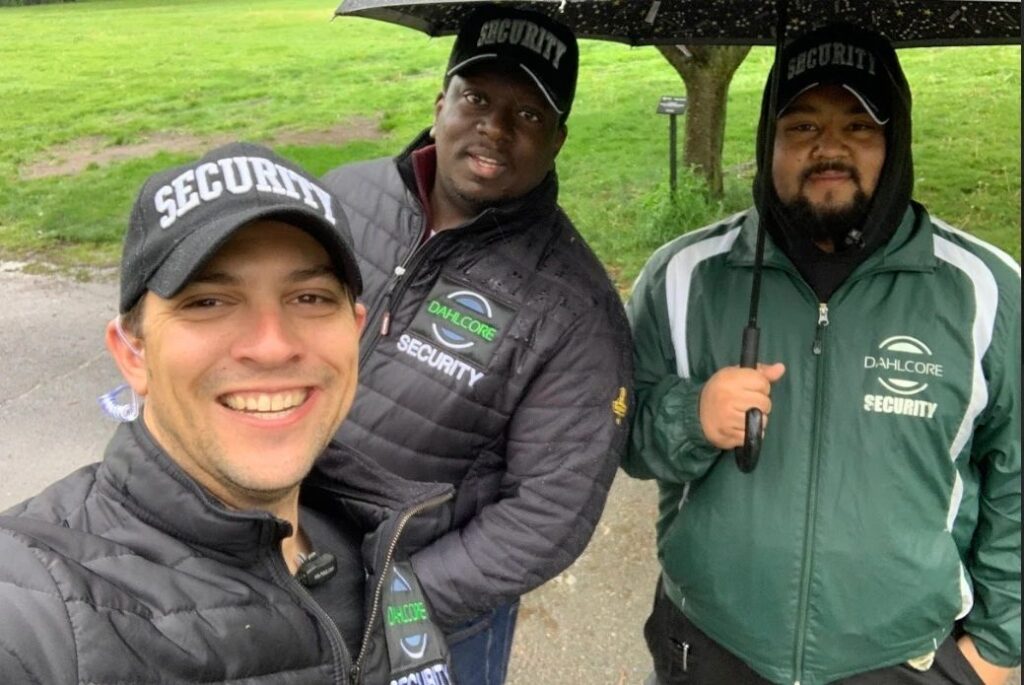
Responsibilities Checklist
Greeting & presence
- Why it matters: Sets a calm tone and deters problems early
- Example in the field: “Good afternoon—how can I help you today?” while observing body language and foot traffic
Visitor assistance
- Why it matters: Reduces confusion and complaints
- Example in the field: Giving clear directions and confirming where a visitor is headed
Access control
- Why it matters: Keeps unauthorized people out without escalating
- Example in the field: Explaining sign-in and ID rules and offering the next step (call tenant, reschedule, alternate entry)
De-escalation
- Why it matters: Prevents arguments from turning into incidents
- Example in the field: Active listening + options + supervisor escalation when needed
Incident reporting
- Why it matters: Creates a reliable record for decisions and liability
- Example in the field: Writing a clear narrative with who/what/when/where and follow-up needs
Emergency support
- Why it matters: Protects life safety during alarms/medical events
- Example in the field: Guiding people to exits and communicating instructions calmly
Top Customer-Facing Security Scenarios
Use these playbooks to keep interactions consistent across officers and shifts.
1) Lost Visitor
- Ask: “Who are you here to see?” and “Do you have an appointment?”
- Provide directions or escort instructions based on site policy.
- If an escort is not allowed, give a simple route + landmarks + where to check in.
2) Denied Access (no ID / not on list / restricted area)
- State the policy first, not the person’s fault: “This area requires authorization.”
- Offer options: check-in, call tenant/host, reschedule, alternate entrance, wait area.
- If agitation rises, switch to de-escalation and request supervisor support as needed.
3) Medical Incident
- Call EMS per site protocol, control the scene, and guide bystanders away.
- Provide support within training (first aid/CPR if trained and authorized).
- Document timeline and actions taken for the client and responders.
4) Angry Guest or Customer Complaint
- Use active listening: summarize the concern in one sentence before responding.
- Set boundaries respectfully: “I want to help, but I need you to lower your voice.”
- If needed, move to a safer area, involve management, or escalate per policy.
5) Hazard Notice (spill, obstruction, unsafe behavior)
- Verbally warn, then create a safe boundary (standby, cones/signage if available).
- Notify the responsible party (maintenance/management) and stay until the risk is reduced.
- Record what was seen, what was done, and who was notified.
6) After-hours entry request
- Verify authorization (approved list, tenant confirmation, work order, ID check).
- Log entry details (name, time, purpose, areas accessed).
- If uncertain, deny entry politely and escalate to the site contact.
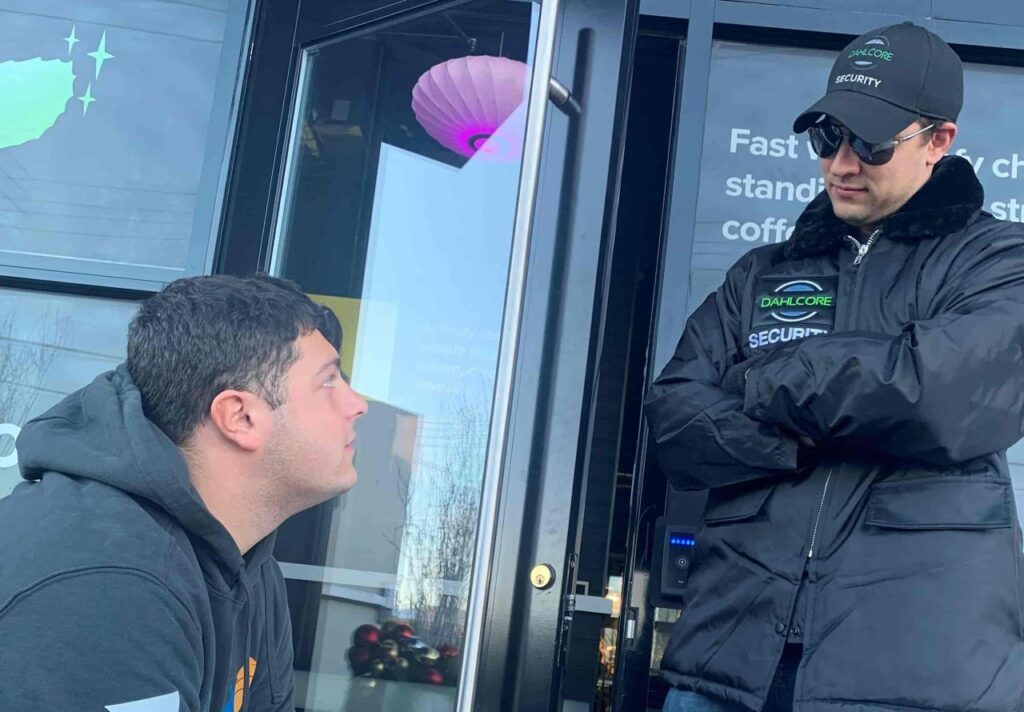
De-Escalation Do/Don’t Guide
De-escalation works best when the goal is to reduce tension while keeping safety and policy enforcement intact.
Do
- Speak slowly and keep instructions simple.
- Use respectful, non-confrontational language and acknowledge emotions (“Understood—you’re frustrated”).
- Offer choices that still fit policy (wait area, supervisor review, alternate steps).
- Keep distance and position for safety while continuing to communicate.
Don’t
- Don’t match volume, sarcasm, or insults (it escalates the interaction).
- Don’t over-explain policy during peak agitation—repeat the next step instead.
- Don’t let a long conversation pull attention away from urgent safety concerns (call support if needed).
What Clients Should Expect
Property managers and business owners should expect customer-focused guards to deliver consistent behaviors, not vague “good service.”
- Professional first contact: Greeting, clear answers, and calm control at entrances.
- Predictable enforcement: The same access rules are applied consistently, with polite scripts that protect the brand.
- Actionable reporting: Clear, usable incident narratives that help leadership make decisions and reduce repeat issues.
- Safety-first communications: Clear instructions during hazards, alarms, or emergency situations.
For higher-risk environments (construction and hot work/fire watch), customer-facing communication still matters—but life safety procedures and continuous hazard monitoring remain the priority.
Dahlcore Security Guard Services provides customer-focused security coverage that protects your property while supporting a professional, welcoming visitor experience. Contact Dahlcore today to discuss guard coverage, post orders, and a customer-service-forward security plan tailored to your site.
FAQs
1) What are “customer security services”?
Customer security services are customer-facing security guard services that combine protection with helpful, professional interaction—greeting visitors, managing access, giving directions, reducing conflict, and responding to incidents.
2) Is customer service part of a security guard’s job?
Yes—industry guidance commonly frames security as part of being a good “host” to visitors, because guards are frequently approached for help and represent the organization’s professionalism.
3) How do security guards provide customer service without reducing safety?
Guards keep interactions short, stay positioned for visibility, and call for support when a conversation becomes lengthy—so customer service complements security instead of distracting from it.
4) What customer service skills should security guards have?
Core skills include verbal/nonverbal professionalism, active listening, complaint handling, basic problem solving, and knowing when to involve a supervisor.
5) What are examples of customer service responsibilities for security guards?
Common examples include greeting visitors, giving directions, explaining access rules, assisting during emergencies, and writing clear incident reports for management.
6) What should a client look for in customer-focused security guard services?
Look for consistent greeting/entry procedures, documented escalation paths, clear reporting standards, and training that covers both service and safety behaviors.
Explore our other blog posts here
NYC Doorman: What It’s Like to Be a Doorman in New York City
Guard Services Combined with Advanced Technology: Key Benefits
Top 10 Qualities to Look for in a Professional Security Guard
