


“Can Mall Security Arrest You? Understanding Powers and Limits”
In bustling shopping malls, the presence of mall security guards is a common sight. These uniformed personnel are responsible for maintaining a safe environment for shoppers and employees. However, a key question often arises: Can mall security arrest you? The answer may seem more complex than it is. While they play an essential role in safeguarding property, their powers, especially concerning arrests, are limited. This article explores the authority of mall security, where it begins and ends, and what you should know about your rights when interacting with them.
What Is Mall Security?
Mall security refers to the team of personnel hired by shopping centers to maintain order, prevent theft, and ensure the safety of visitors and employees. Unlike police officers, these guards typically do not have official law enforcement training. Instead, their role is more preventive than punitive. They monitor activity within the mall, deter crime through their presence, and step in to resolve disputes or incidents. Their main objective is to maintain peace, but legal boundaries frame their responsibilities.
What is the role of a mall security guard?
The role of a mall security guard encompasses various responsibilities focused on maintaining a safe and secure environment for shoppers, employees, and visitors. Primarily, these guards are tasked with patrolling the property, monitoring surveillance equipment, and being the first point of contact in emergency situations. They also enforce mall policies and laws within the property to prevent theft and vandalism. Additionally, mall security guards assist in managing crowds during busy periods or special events to ensure the safety and comfort of all visitors. Their presence serves as a deterrent to potential security threats and helps to create a welcoming atmosphere.
The Legal Powers of Mall Security
Mall security operates within the private property of a shopping center, meaning they are limited by the rules set by the mall management and local law. These guards are not government officials, so they do not possess the same powers as police officers. Security guards are empowered to monitor, report, and intervene in situations like theft or disturbances. However, they operate under the legal framework of private security personnel, which means their actions, particularly in terms of detention or arrest, must align with the law.
Can Mall Security Arrest You?
The short answer is no; mall security cannot arrest you in the same way that police officers can. Legally speaking, security guards have no formal authority to “arrest” someone. However, they can detain individuals under specific circumstances, often under the legal principle of a citizen’s arrest. This occurs when a person is caught committing a crime such as shoplifting. In such cases, mall security can hold the individual until police arrive. It’s important to know that this detention is temporary, and excessive force or prolonged detention can lead to legal consequences for the security personnel involved.
What Mall Guards Can and Can’t Do
Mall guards play a crucial role in maintaining safety and order within shopping centers. Here’s what they can and can’t do:
What Mall Guards Can Do:
- Observe and Report: Mall guards are trained to keep a watchful eye on activities within the mall. They report any suspicious behavior or criminal activity to law enforcement immediately.
- Provide First Aid: Many mall guards are trained in basic first aid and CPR. They can assist in medical emergencies until professional medical help arrives.
- Assist Shoppers: Guards can provide directions, help locate lost property, and assist shoppers who may have special needs.
- Manage Crowds: During busy periods or events, mall guards manage the flow of people to ensure safety and prevent overcrowding.
- Enforce Mall Policies: Guards ensure that mall policies are followed, such as prohibiting smoking or enforcing parking regulations.
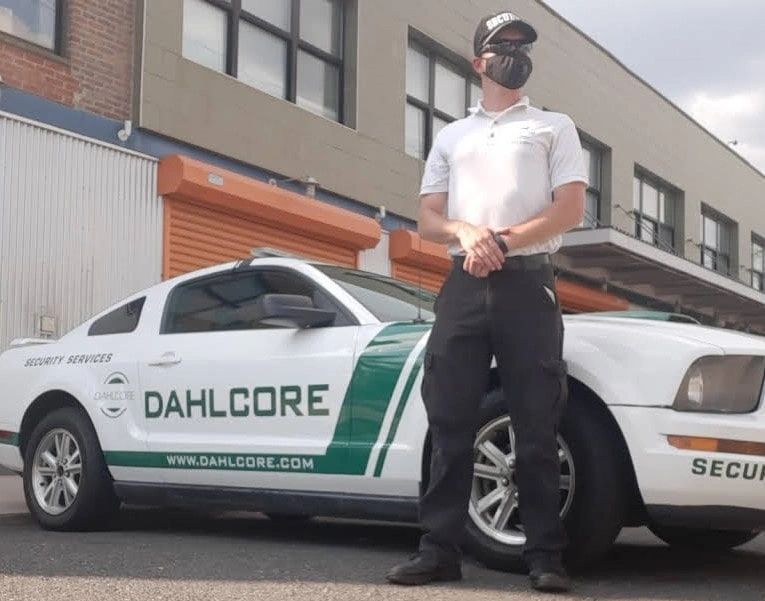
What Mall Guards Can’t Do:
- Make Arrests: Mall guards do not have the same powers as police officers and cannot make formal arrests.
- Use Excessive Force: They must use the minimum force necessary to handle a situation and only within the bounds of the law.
- Invade Privacy: Guards are not allowed to conduct personal searches or enter private areas without consent.
- Detain Without Cause: They cannot legally detain anyone without reasonable grounds that a law has been broken.
- Impersonate Law Enforcement: It is illegal for mall guards to present themselves as police officers or carry badges that imply they are.
Differences Between Mall Security and Law Enforcement
The most significant difference between mall security and law enforcement lies in their legal authority. Police officers are sworn public servants with extensive training and the ability to enforce the law. They have the power to arrest individuals, use force within legal limits, and carry firearms. Mall security, on the other hand, is tasked with protecting private property and ensuring a safe shopping environment. While they can detain individuals under certain conditions, their authority is far more restricted than that of police officers.
The Limits of Mall Security’s Authority
Mall security guards cannot stop and search anyone at random or arrest someone without just cause. They must observe a crime being committed or have reasonable suspicion of illegal activity. Even when they detain someone, it is typically for a short period while waiting for the police. Security guards must follow legal procedures and cannot use excessive force or violate an individual’s rights. Overstepping these boundaries can expose the mall and security personnel to lawsuits or legal action.
The Role of Citizen’s Arrest
A citizen’s arrest is a legal mechanism that allows ordinary people, including mall security guards, to detain someone they witness committing a crime. However, the scope of this is limited. Mall security may use this option in cases like theft or vandalism, but they must immediately hand the individual over to law enforcement. A citizen’s arrest should be used sparingly and only in clear situations where a crime has been committed.
What Happens If Mall Security Detains You?
If mall security detains you, it is usually because they believe you have committed or are involved in a crime. You may be asked to remain in a designated area while the security team contacts law enforcement. While detained, you have the right to remain silent and request that the police be called. Detention should be brief, and security cannot hold you indefinitely. If you feel your rights are being violated, it’s important to stay calm and cooperative, but know you can challenge improper treatment later through legal channels.
Rights of Individuals in a Mall
When visiting a mall, you have several rights, even in interactions with security personnel. You are only required to answer questions from mall security if the police are present, and you must be forcibly searched with your consent. If detained, you have the right to know the reason for your detention. Being on private property does not mean you lose your basic civil rights, and if you believe you’ve been mistreated, you can file a complaint or take legal action.
What is the security system in shopping malls?
The security system in shopping malls typically includes a comprehensive setup of technologies and processes designed to protect people, assets, and infrastructure. Key components of this system often include:
- CCTV Surveillance: Cameras placed throughout the mall to monitor activities and deter criminal behavior.
- Access Control: Systems that restrict entry to employee-only areas and sensitive locations within the mall.
- Alarm Systems: Alarms triggered by unauthorized access or emergencies like fires.
- Patrols: Regular patrols by security personnel to check for any suspicious activity or safety hazards.
- Communication Systems: Tools that enable quick response and coordination among security staff during incidents.
This multi-layered approach helps in early detection of potential threats and effective management of security operations.

Dealing with Mall Security: Best Practices
If confronted by mall security, it’s essential to stay calm and respectful. Listen to their concerns, but remember that you can provide only what is necessary. Cooperate if asked to leave the premises, as malls have the right to ban individuals for breaking their rules. In cases of detention, ask if the police have been contacted, and don’t resist. Following these steps can help resolve the situation smoothly and avoid further complications.
Security Camera Surveillance in Malls
Many malls rely heavily on surveillance cameras to monitor activity. This footage is often used by mall security to identify suspicious behavior, particularly in cases of theft or vandalism. Security cameras act as both a deterrent and a tool for gathering evidence. If you are detained by mall security, surveillance footage may be used as evidence against or in defense of your actions. It’s essential to remember that most areas within a mall are under constant surveillance.
The Role of Mall Security in Shoplifting Incidents
Shoplifting is one of the most common crimes in shopping centers, and mall security is trained to handle these situations. They often collaborate with individual store staff to monitor potential thieves. If a person is caught shoplifting, mall security can detain them until police arrive. This involves escorting the individual to a secure area and preventing them from leaving the premises. However, security personnel must act within the bounds of the law and cannot force a confession or engage in physical altercations without cause.
Can Mall Security Use Force?
Mall security personnel can only use reasonable force when detaining someone, and even then, only if the situation warrants it. Excessive use of force, such as physical restraint without justification, can lead to serious legal consequences for the security personnel involved. In most cases, security guards are trained to de-escalate situations and only use force as a last resort when they or others are at risk of harm.
Mall Security Protocols for Handling Disputes
Mall security frequently encounters disputes between shoppers or between shoppers and store employees. Their primary goal in these situations is to de-escalate the conflict and ensure that no one is hurt. Security guards are trained to mediate disputes, ask individuals involved to leave the premises if necessary, and involve the police if the situation cannot be resolved peacefully.
When Do Mall Security Call the Police?
Mall security is trained to call law enforcement in situations that exceed their authority or pose a risk to public safety. This includes cases of physical violence, serious theft, or any illegal activity that requires immediate intervention. In most situations, if a person is detained for a crime like shoplifting, the police will be called to handle the matter formally. Mall security acts as a first line of defense but relies on law enforcement for legal authority.
Legal Recourse If Mall Security Oversteps
If mall security oversteps its boundaries, such as detaining someone unlawfully or using excessive force, individuals have the right to seek legal recourse. This can involve filing a complaint with the mall or pressing charges against the security company. Lawsuits can be pursued in cases of false arrest, battery, or violation of civil rights. It’s essential to document any improper behavior, including gathering witness statements and requesting access to surveillance footage.
What is the main responsibility of security?
The main responsibility of security personnel, whether they are stationed at a mall, office building, or public event, is to ensure the safety and security of the premises and its occupants. This involves preventing unauthorized access, deterring criminal activity, and maintaining order within the environment. Security guards are also responsible for responding to emergencies, providing assistance during evacuations, and collaborating with local law enforcement when necessary. Their ultimate goal is to create a secure atmosphere where business activities can proceed without interruption and individuals can feel safe.
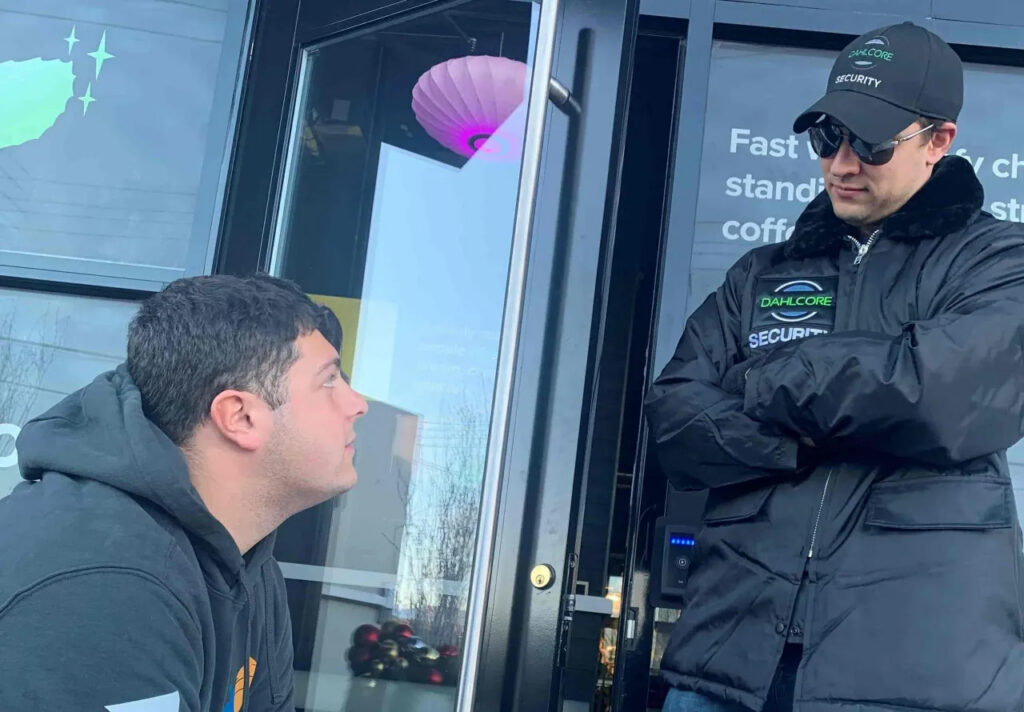
Can a Mall Guard Use a Weapon?
The ability of mall guards to carry and use weapons depends on several factors, including local laws, the policies of the mall, and the training they have received. Here’s a general outline:
When They Can Use a Weapon:
- Licensed and Trained: Only if the guards are properly licensed and trained in the use of firearms or other weapons.
- Company Policy: The mall’s security protocol must explicitly allow the carrying of firearms.
- Defensive Purpose: Weapons can be used in situations where the guard or others face immediate threats to their safety.
When They Cannot Use a Weapon:
- Unlicensed Guards: Guards without the appropriate license and training are prohibited from carrying weapons.
- Non-Threatening Situations: Weapons should not be used to enforce mall policies or handle non-violent incidents.
- As a Threat: Guards cannot use weapons to intimidate or threaten individuals under any circumstances.
In summary, whether mall guards can carry weapons and under what circumstances can be a complex issue, heavily regulated to ensure the safety of all mall patrons and staff.
What are the 5 basic functions of a security guard?
The five basic functions of a security guard include:
- Surveillance: Monitoring the environment to detect and respond to potential security threats.
- Prevention: Deterring crimes through visible presence and awareness of the surroundings.
- Response: Reacting quickly to incidents, providing first aid, and summoning additional help when necessary.
- Reporting: Documenting all incidents and irregularities observed during the shift.
- Assistance: Offering help to visitors and employees, such as providing directions or escorting people to their cars during late hours.
These functions are crucial in maintaining an environment that is not only safe but also conducive to the activities of the venue they are protecting.
Legal Framework for Mall Security Operations
To further understand the authority and limitations of mall security personnel, it’s valuable to reference reputable sources that outline their legal powers and responsibilities.
Understanding the Legal Powers of Mall Security
Mall security personnel often operate under powers similar to those of a private citizen, particularly in their ability to make arrests and detain suspects. They generally do not possess law enforcement authority unless specifically deputized or given special police status. This limitation means their ability to arrest is generally confined to situations where a misdemeanor is committed in their presence, and in some jurisdictions, it must also involve a breach of the peace. The detailed guidelines and scope of authority for mall security can be explored through the Department of Justice’s Office of Justice Programs, which provides insights into the specific legal constraints and allowances for these personnel ojp.
Emergency Preparedness and Security in Malls
In addition to legal boundaries, the overall preparedness of mall security to handle emergencies, including potential threats, is critical. An assessment by the National Institute of Justice highlights that many shopping malls have vulnerabilities in their emergency preparedness and that the training of mall security staff in preventing and responding to threats could be significantly improved. This source discusses how mall security interacts with law enforcement and the importance of having a well-coordinated emergency response plan ojp.
FAQs
Can mall security legally detain you?
Yes, mall security can detain individuals temporarily if they believe a crime has been committed, but they must call the police to make an official arrest.
Do you have to show ID to mall security?
You are not legally required to show your ID to mall security, but refusing to cooperate might escalate the situation.
Can mall security search your bags?
Mall security cannot search your bags without your consent unless you are being lawfully detained for a suspected crime.
What happens if you refuse to leave a mall?
If you refuse to leave when asked, mall security can contact law enforcement, who may issue a trespass notice or make an arrest.
Is security footage used in mall investigations?
Yes, security camera footage is commonly used by mall security and police to investigate incidents and verify claims.
What should you do if you feel mistreated by mall security?
If you feel mistreated, you can file a complaint with mall management or seek legal advice to explore potential legal actions.
Conclusion
Mall security plays a vital role in maintaining safety in public spaces, but their authority has clear limitations. While they can detain individuals for suspected crimes, their powers stop short of formal arrests, which the police must carry out. Understanding your rights in these situations is crucial for protecting yourself from potential overreach. If you ever feel that mall security has overstepped its boundaries, legal options are available to ensure your rights are upheld.
Check other blogs
Security Guard Equipment: Ensuring Safety with the Right Gear
Why You Need a Private Home Security Patrol Service
Enhance Hospital Security: A Detailed Job Description Guide
Why You Should Install Security Cameras in a Construction Site
