

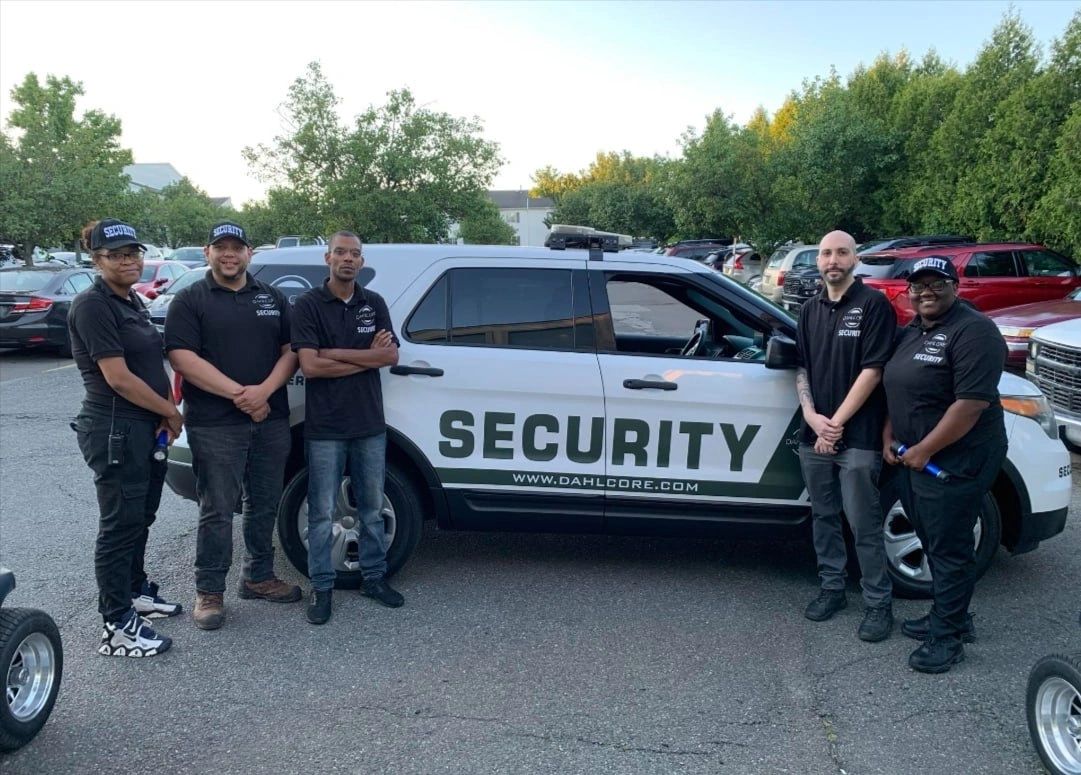
“5 Ways to Keep Guests Safe in NJ Hotels (Essential 2026 Guide)”
When travelers choose a place to stay, they’re not just booking a room—they’re trusting you with their well-being. In New Jersey, that trust comes with clear legal duties and smart, practical steps hotels can take. In this guide, we outline 5 Ways to Keep Guests Safe in NJ Hotels, blending state requirements with modern best practices. You’ll find quick wins (like guest-facing tips and stronger front-desk ID checks) and long-horizon projects (like water management programs and technology upgrades). The result? Fewer incidents, better reviews, safer teams, and a brand that guests actively recommend.
Comply with NJ Panic Button Law (Hotel Staff Safety Devices)
New Jersey was the first state to require hotels with 100+ guest rooms to provide personal panic devices to housekeepers and other staff working alone in guest rooms. These devices must enable immediate, on-scene assistance from security or supervisors and come with clear anti-retaliation protections. Hotels must also maintain records if a guest is accused of violence or harassment and retain names on a list for five years. Building compliance here doesn’t just meet the law—it sends a message to guests that the property takes safety seriously.
Operational tips to strengthen impact
- Map every floor with Bluetooth beacons or location-aware gateways so responders reach staff fast—even in blind spots.
- Train staff to activate devices at the first sign of trouble (not after). Reinforce non-retaliation rules in your handbook and onboarding.
- Drill monthly: simulate a distress signal, run response, time it, and debrief.
How to Roll Out Panic Devices Without Disruption
Rolling out wearables across a large property can be smooth if you plan the change. Start with a pilot (two floors for two weeks), gather feedback on device comfort and signal strength, then scale. Integrate your panic system with your incident management platform so alerts automatically log location, response time, and resolution. Update SOPs for guest interactions after an incident—front-desk scripts, security escorts, and, when appropriate, refusal-of-service procedures. Post discrete notices in back-of-house areas reminding staff of their rights and how to test devices at the start of a shift. Include the law summary in your LMS and require annual refreshers (with an attestation checkbox).
Fire & Life Safety Readiness (NFPA, NJ Fire Code, CO Detectors)
Fire and life safety remain non-negotiable. NJ hotels are subject to the Hotel and Multiple Dwelling Law and the NJ Fire Code, which reference national standards such as NFPA 13 (sprinklers) and life-safety provisions common to transient occupancies. Keep sprinklers, alarms, standpipes, and smoke detection inspected on schedule. Don’t forget carbon monoxide: where fuel-burning appliances or attached garages exist, CO detection is a must, and devices should be tested and logged. Beyond hardware, guests need simple instructions—clear evacuation maps on doors and illuminated exit signage. Consider adding a QR code on the guest directory linking to your emergency plan—concise, friendly, and multilingual.
Guest-facing fire safety
- Door-back placards: evacuation route + stair location.
- 60-second in-room TV safety clip: “How to exit, where to assemble.”
- Quarterly drill with night-shift emphasis; measure floor-clear times.
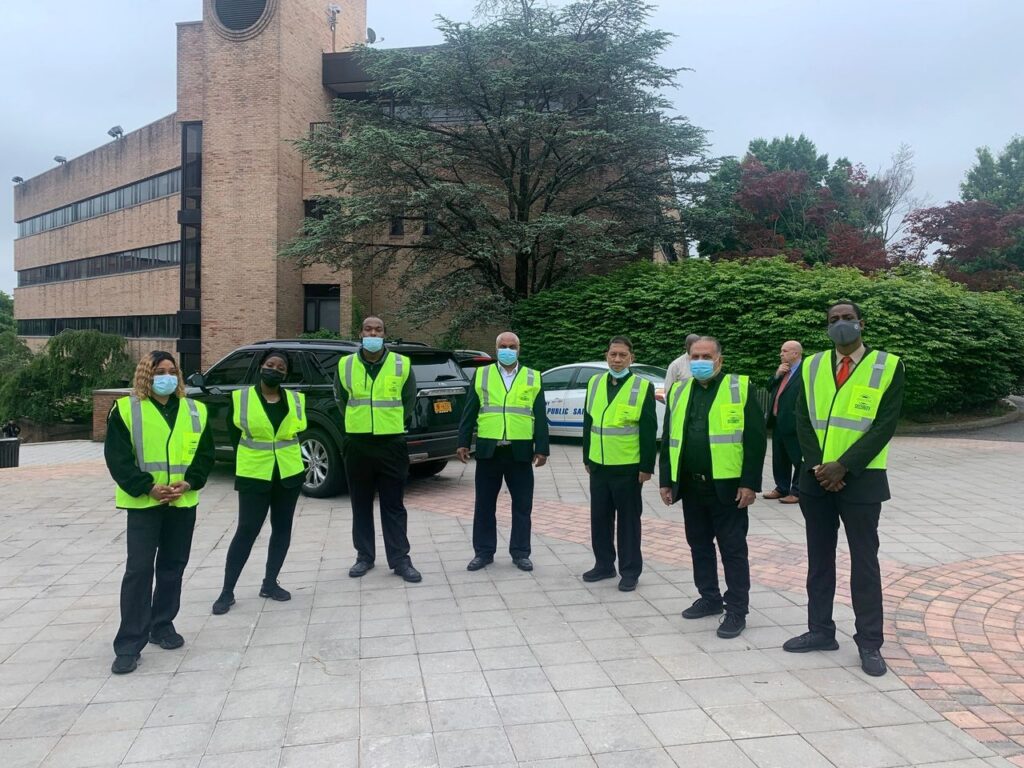
Guest-Facing Fire Safety: Clear Signage, Drills, and In-Room Tips
Guests can panic when alarms sound. Set expectations early:
- At check-in, provide a one-liner: “In an alarm, use stairs A or B—never elevators.”
- In-room collateral: add icons for “Check door heat with back of hand” and “Stay low under smoke.”
- For families and older adults, offer quick assistance cards at the desk—staff can explain assembly points in 20 seconds.
- Reinforce monthly stairwell checks: lighting, door closers, and obstruction-free routes.
Legionella & Water Safety Programs (NJ S2188 Compliance)
New for 2026: New Jersey’s S2188 (P.L. 2024, c.66) requires public community water systems and covered buildings—including hotels—to implement Legionella risk management, with timelines for best practices, monitoring disinfectant residuals, and adopting building water management programs aligned with ASHRAE 188. Building owners/operators must maintain written programs and records, and newly constructed or repurposed facilities must confirm their program mitigates Legionella risks before commissioning. This is a big shift for hospitality: showers, spas, decorative fountains, and hot water loops can all harbor risk without regular flushing, temperature control, and residual disinfectant monitoring.
Action plan for hotels
- Form a Water Management Team (engineering, housekeeping, F&B).
- Map systems: domestic hot/cold water, hot tubs, cooling towers, ice machines.
- Set control limits: hot water ≥ 124–140°F (per your program), maintain disinfectant residuals per NJ guidance.
- Monitor and document; trigger corrective actions (e.g., thermal disinfection, shock chlorination) when limits drift.
- Post public notices if required and keep records for 5+ years.
Pools, Spas & Hot Tubs: Public Recreational Bathing Code Essentials
If you operate a pool or spa, NJ’s Public Recreational Bathing Code (N.J.A.C. 8:26) sets standards for trained operators, water chemistry, signage, and emergency gear. Post spa “CAUTION” signs, keep rescue equipment visible, log tests, and ensure a trained pool operator is on call for mechanical issues. For hot tubs, hyper-chlorination after bio-contamination events is essential. Tie these practices into your Legionella plan for a cohesive water-safety approach that covers both comfort and compliance.
Smart Access Control & Surveillance (Keycards, Mobile Keys, CCTV)
Physical security is evolving. Modern properties blend mobile keys, anti-tailgating turnstiles to guest areas, and smart CCTV with privacy-aware policies. Consider upgrading to encrypted locks (e.g., modern keycard protocols or smartphone credentials) and audit door events in real time. Place cameras at entrances, elevators, and parking areas, but avoid in-room or privacy-sensitive zones. Pair cameras with lighting, mirrors, and clear sightlines. A simple improvement: assign parking close to entrances for late-night arrivals and escort guests on request. Publish a short “Your Safety, Our Priority” card at check-in explaining how keys, escorts, and lost-key procedures work.
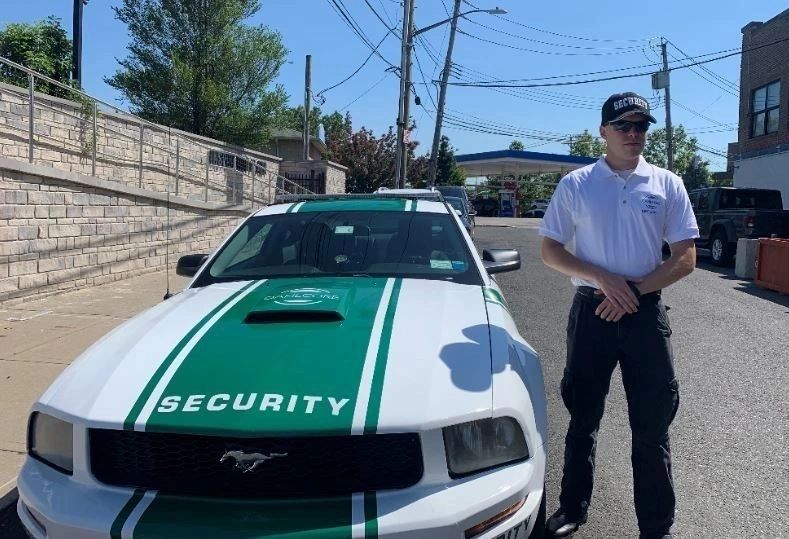
Front Desk Identity Verification & Visitor Management
Your front desk is a safety checkpoint. Always verify photo ID at check-in and match it to the reservation profile. For third-party bookings, request the primary guest’s ID and a credit card in the same name. Avoid verbalizing room numbers; write them or point discreetly. Offer “no-knock” lists for solo travelers who prefer housekeeping only when present. Log visitor passes for non-registered guests and require escorted access to guest floors outside of normal hours. This balances hospitality with risk control.
Cleanliness, Infection Control & Food Safety (2026 Best Practices)
Clean isn’t cosmetic—it’s clinical. Focus on high-touch disinfection (remotes, switches, handles) and increase cleaning frequency during outbreaks (e.g., norovirus seasons). The CDC advises stepped-up disinfection and rigorous hand hygiene when gastroenteritis is circulating; align your SOPs to those thresholds. For F&B, enforce time-temperature control and allergy labeling. Use color-coded microfiber and EPA-listed disinfectants appropriate to the surface and organism. Track room-turn times alongside quality spot checks. A clean hotel feels safer—and is.
Housekeeping Checklists, Turnover Protocols & Norovirus Response
Create a standard, laminated checklist in every cart: “top-to-bottom, clean-to-dirty,” with verification boxes for remotes, phones, safes, and CO detectors. During any GI illness reports, have a rapid response: isolate the room, PPE for staff, disinfect with correct contact times, and hold the room until cleared. Share micro-training videos by QR code for just-in-time refreshers. Track defects per 100 rooms to spot trends and retrain early.
Human Trafficking Awareness & Response Protocols
Hotels can be key in identifying and responding to trafficking. Train teams (front desk, housekeeping, security) on red flags: multiple young guests tied to one payer, refusal of housekeeping, cash-only payments, and signs of coercion. Establish a discreet escalation path to management and law enforcement. Federal and NJ efforts continue to expand training resources; pair law-enforcement guidance with brand standards and your local police liaison’s suggestions. Keep victim-centered scripts: staff should never confront suspected traffickers directly—safety first.
Accessibility & Emergency Planning for Guests with Disabilities
Safety must be inclusive. Under ADA Title III, ensure accessible egress routes, refuge areas, visual/tactile alarms, and staff trained to assist guests who use wheelchairs, are blind/low-vision, or deaf/hard of hearing. Offer to add a “Priority Assistance” note in the PMS so responders know which rooms may need help. Practice evacuations that include carrying devices or evacuation chairs where permitted. Make accessible rooms the closest to stairwells and exits when feasible.
Cybersecurity & Wi-Fi Safety for Guests
Security isn’t just physical—guest data and devices need protection. Segment guest Wi-Fi from back-office systems, use strong captive portal authentication, and keep AP firmware updated. Train staff never to read card details over the phone and to recognize phishing targeting the front desk (e.g., “IT” calling to “verify” PMS credentials). Use PCI DSS-compliant payment tech and tokenization. Offer a simple guest tip card: “Use hotel Wi-Fi named [Network] only; avoid unknown look-alikes.”
Weather, Power Outages & Severe Event Preparedness in NJ
New Jersey properties face nor’easters, heat waves, and the occasional tropical storm. Build a hazard plan with backup power (at least for life-safety systems, elevators, pumps, and refrigeration), bottled water reserves, and a communication tree (SMS + app). Stock cots and comfort kits for stranded travelers. Coordinate with local emergency management and keep hard-copy contact lists at the desk. A once-a-quarter “dark hotel” drill (simulate power loss for 15 minutes) will spotlight surprising gaps—flashlights, mag-locks, or emergency lighting weaknesses.
Bed Bug Prevention, Detection & Guest Communications
Bed bugs can damage reputation quickly—but a proactive plan protects guests and your brand. Train room attendants to check mattress seams, headboards, and luggage racks daily. Use encasements, keep a small stock of interceptor traps, and partner with a pest firm for canine inspections quarterly. If a guest reports bugs, move them compassionately, heat-treat or isolate belongings, and comp as appropriate. Share a calm, factual script to reduce anxiety and show control.
Smoke-Free Air Act Signage & Room Policies
NJ’s Smoke-Free Air Act requires proper “No Smoking” signage at public entrances and where smoking is prohibited (and signage in any designated areas). Consistent signage reduces confusion and conflicts, and it’s a safety issue—smoking drives false alarms and real fires. Update your property map and ensure e-cigarette policies are included. Train staff on polite but firm enforcement.
Drills, Table-Tops & Just-In-Time Training for Staff
Great plans fail without practice. Run monthly micro-drills: a panic-button response, a fire alarm on night shift, a medical emergency in the lobby. Log metrics (time to respond, time to resolve) and recognize teams for improvements. Use 10-minute huddles to refresh one policy per week: ID checks, elevator holds, or severe-weather steps. Record all training in your LMS; auditors love evidence.
Safety Tech Stack & Vendors: What to Look For
When choosing safety tech—panic devices, water monitoring, access control—prioritize:
- Accuracy & coverage: Proven location accuracy on all floors.
- Integration: Works with your incident and maintenance platforms.
- Uptime & support: 24/7 monitoring, NJ-time-zone support options.
- Compliance features: Audit trails, retention settings, and exportable logs for inspectors.
Request pilot periods and SLAs tied to response times. For water management, ensure vendors align with ASHRAE 188 and NJ S2188 deliverables (written plan, control limits, documentation).
Working with NJ Inspectors, Fire Marshals & Health Departments
Build relationships before you need help. Add the local fire marshal and health inspector to your contacts and invite them for a pre-season walkthrough. They’ll flag issues early—extinguisher placements, exit lighting, pool logs—that keep fines (and risk) low. The NJ Bureau of Housing Inspection administers the Hotel & Multiple Dwelling Law; stay responsive to notices and schedule re-inspections quickly. Keep a “compliance binder” at the desk with permits, test logs, and training rosters.

Audits, KPIs & Safety Dashboards
What gets measured gets managed. Build a simple dashboard:
- Panic-button drills: average response time.
- Fire & life safety: % on-time inspections, deficiencies open >14 days.
- Housekeeping: defects per 100 rooms, re-clean rates.
- Water safety: % control-limit adherence, number of corrective actions.
Share monthly with managers, quarterly with owners. Celebrate wins—closing a persistent deficiency gap is as PR-worthy as a renovation.
5 Ways to Keep Guests Safe in NJ Hotels — A Quick Recap
Here’s the streamlined playbook you can start using today:
- Implement and drill staff panic devices (required for 100+ rooms) and enforce non-retaliation.
- Harden fire & life safety—sprinklers, alarms, CO detection, clear guest instructions.
- Adopt a written Legionella water management program and sync with the pool/spa code.
- Upgrade access control & surveillance—mobile keys, coverage at entries/elevators, strong ID checks.
- Elevate cleaning & infection control with CDC-aligned outbreak steps and transparent guest comms.
Frequently Asked Questions
Does the NJ panic device law apply to all hotels?
It applies to hotel employers with 100 or more guest rooms and requires panic devices for staff assigned to work alone in guest rooms, among other responsibilities.
What’s new about Legionella compliance in New Jersey?
S2188 (P.L. 2024, c.66) phases in statewide requirements for public community water systems and covered buildings to implement water management programs aligned with ASHRAE 188, maintain records, and meet disinfectant residual and plan milestones into 2026.
How often should we test and log pool/spa water?
Follow N.J.A.C. 8:26: maintain a trained pool operator, required signage, and routine chemistry testing with logs available for inspectors.
Do we need special smoke-free signs?
Yes. Under NJ’s Smoke-Free Air Act, “No Smoking” signs must be prominently posted at public entrances and where smoking is prohibited; maintain them in good condition.
What should we tell guests about emergency procedures?
Keep it simple and visible: door-back evacuation maps, a 60-second TV clip, and a one-liner at check-in that directs guests to stairs and assembly points (never elevators). Travel.State.gov offers a helpful room safety checklist you can adapt.
What quick upgrades deliver the biggest safety ROI?
Panic devices (with drills), CO detectors in applicable areas, mobile key upgrades, and a documented water management program. These cut response times, prevent incidents, and reduce regulatory risk.
Your Next Steps to Raise Safety Standards
- Book a free compliance consult to map your panic device rollout and drill cadence.
- Request a water safety assessment to meet S2188 timelines and consolidate your pool/spa SOPs.
- Schedule a staff safety workshop (front desk + housekeeping) focused on ID checks, incident scripts, and guest communications.
Check other blogs:
NYC Doorman: What It’s Like to Be a Doorman in New York City
What Does FDNY Require For Fire Watch?
How Fast Can You Deploy Fire Guards in NYC? Facts You Must Know
