


Last updated: December 22, 2025
A security guard is usually assigned to a specific post or site and focuses on visible deterrence, access control, patrol, and incident reporting, while a security officer often has broader responsibility—such as coordinating posts, handling escalations, writing more detailed reports, or supervising other staff. Exact job duties, authority, and training requirements vary by employer and by local/state/provincial licensing rules, so always confirm the rules for your jurisdiction.
Where Terms Overlap
Many employers use “security officer” and “security guard” interchangeably, especially for unarmed, front-line roles that follow post orders, monitor CCTV, control access, and document incidents. For compliance-sensitive details (training hours, what “officer” means, required permits), rely on your state regulator and your contract’s post orders rather than job titles alone (this page is general information, not legal advice).
Comparison at A Glance
Primary focus
- Security guard (typical): Visible deterrence + site safety on a specific post (fixed or foot patrol).
- Security officer (typical): Site/program coverage across shifts/areas; coordinating people + process.
Responsibilities
- Security guard (typical): Patrol, access control, CCTV monitoring, basic incident reporting, escalation.
- Security officer (typical): Risk assessment input, incident coordination, reporting QA, training drills, supervising/relieving posts.
Authority
- Security guard (typical): Usually observe, deter, report, and follow escalation procedures; authority depends on state/company policy.
- Security officer (typical): May act as lead/supervisor on shift; authority still depends on licensing, policy, and assignment.
Mobility
- Security guard (typical): Often fixed post or assigned route.
- Security officer (typical): Often multi-post, roving oversight, or operations coverage.
Reporting line
- Security guard (typical): Reports to a site supervisor/lead.
- Security officer (typical): May be the lead/supervisor or report directly to a security manager.
Training expectations
- Security guard (typical): Often baseline state/company training + site-specific post orders.
- Security officer (typical): Often additional leadership, reporting, emergency response, and operations training.
Common worksites
- Security guard (typical): Retail, construction, events, residential, warehouses.
- Security officer (typical): Hospitals, corporate campuses, industrial sites, multi-tenant facilities, higher-complexity operations.
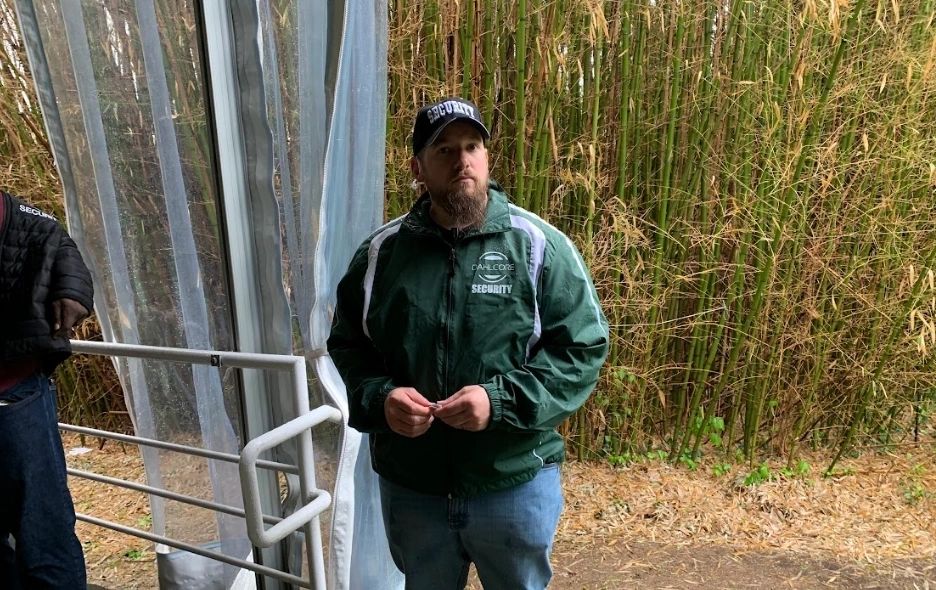
Definitions
- Security guard:
- Performs deterrence, patrol (mobile vs fixed post), access control, CCTV monitoring, and incident reporting.
- Executes post orders and escalates issues per procedure.
- Security officer:
- Performs all guard basics plus coordination duties (shift leadership, response coordination, reporting standards, training drills, and basic risk assessment input).
- May supervise guards or manage security operations on a site/shift.
Scenarios (Who Does What)
- Retail loss-prevention shift: Guard/officer monitors entrances, CCTV, and suspicious behavior; documents incidents and calls law enforcement per policy; an “officer” title often signals the person also coaches staff on de-escalation and ensures reports meet client standards.
- Construction site fire watch / after-hours site: Guard executes fixed-post patrols, checks doors/gates, and logs rounds; an officer/lead typically verifies patrol coverage, adjusts routes, and coordinates with site management on hazards.
- Hospital security: Guards control access points and respond to calls; officers/leads frequently coordinate emergency response, ensure handoffs between posts, and maintain incident report quality (while still following hospital policy and local regulations).
Not legal advice: Legal authority, use-of-force rules, detainment/citizen’s arrest rules, and required training are jurisdiction-specific—check your local laws and licensing regulator before relying on any general guidance.
Which Should You Hire?
Use this quick decision tree when the business intent is unclear:
- Need 1–2 people to deter issues at a single fixed post (lobby, gate, retail entrance)?
- Hire a security guard.
- Need coverage across multiple posts, a roving responder, or someone to coordinate patrols and escalation?
- Hire a security officer (or site supervisor/shift lead, depending on your org chart).
- Need weapons, executive protection, or high-risk response requirements?
- Consider related roles (below) and confirm licensing/training requirements in your jurisdiction.
Related roles (to prevent pogo-sticking):
- Armed guard / commissioned security officer (jurisdiction-specific licensing and training).
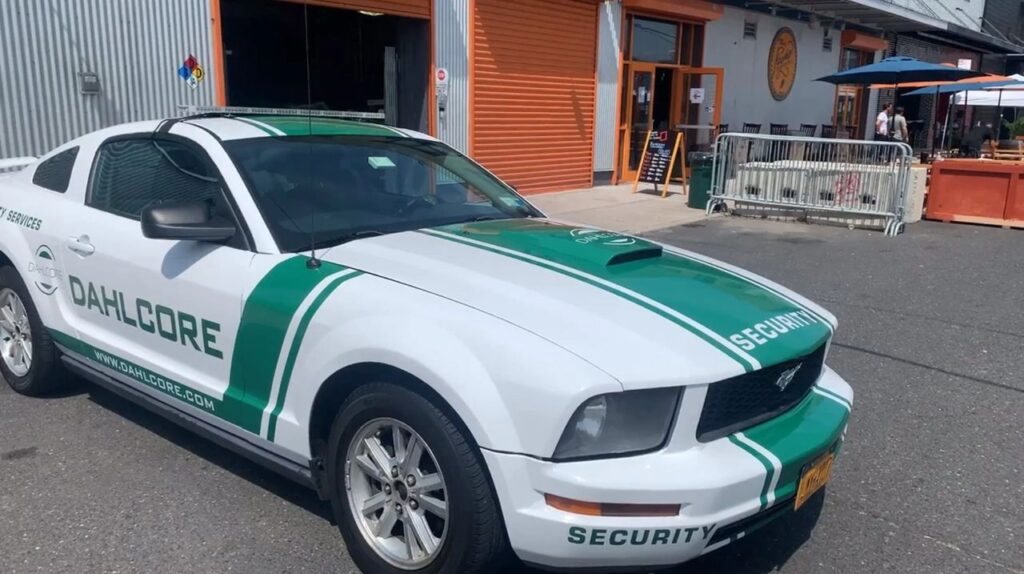
- Mobile patrol/rover (vehicle-based patrol and alarm response)
- Proprietary/in-house security officer (employed directly by the site owner, not a contract firm)
- Security supervisor/site lead (scheduling, coaching, QA, incident review)
- Access control specialist/dispatcher (CCTV, radios, call-handling, logs)
FAQs
What are the primary differences between security officers and guards?
Guards are typically post-focused (patrol, access control, monitoring, reporting), while officers often have broader operational responsibilities such as coordination, escalation handling, and sometimes supervision.
Is a security officer “higher” than a security guard?
Often yes in practice (more responsibility or leadership), but titles vary by employer and do not automatically imply law enforcement authority.
Do security guards report to security officers?
Commonly, guards report to a lead/officer/supervisor on shift, but reporting lines depend on the employer’s org chart and the site contract.
Do titles and licensing differ by state (or province)?
Yes—training and licensing requirements vary widely by jurisdiction (for example, California and New York outline different required training structures, and Texas uses “Level” training tied to license categories).
Are security officers required to have more training?
Sometimes, but not always—some jurisdictions set baseline training for all entry-level personnel, and employers may add leadership or site-specific training on top.
Can either role make an arrest?
This is jurisdiction-dependent and usually limited; many roles are best described as “observe, deter, report,” and follow site policy—confirm local rules and training requirements.
What skills matter most for both roles?
Post orders knowledge, incident reporting, access control, de-escalation, CCTV monitoring, radio procedure, and emergency response basics.
What’s the best choice for a small business?
If the goal is visible deterrence and basic access control at one location, a guard is usually the simplest fit; if you need coordination, multiple posts, or a lead who can manage incidents and documentation, hire an officer/lead.
Check other blogs:
What Do Hospital Security Guards Do? Their Role and Responsibility
Pros and Cons of Physical Access Control: 10 Key Insights
What Happens If Security at a Concert Finds My Weed?
7 Warning Signs of an Unhappy Employee ( How to Spot Them Early)
