

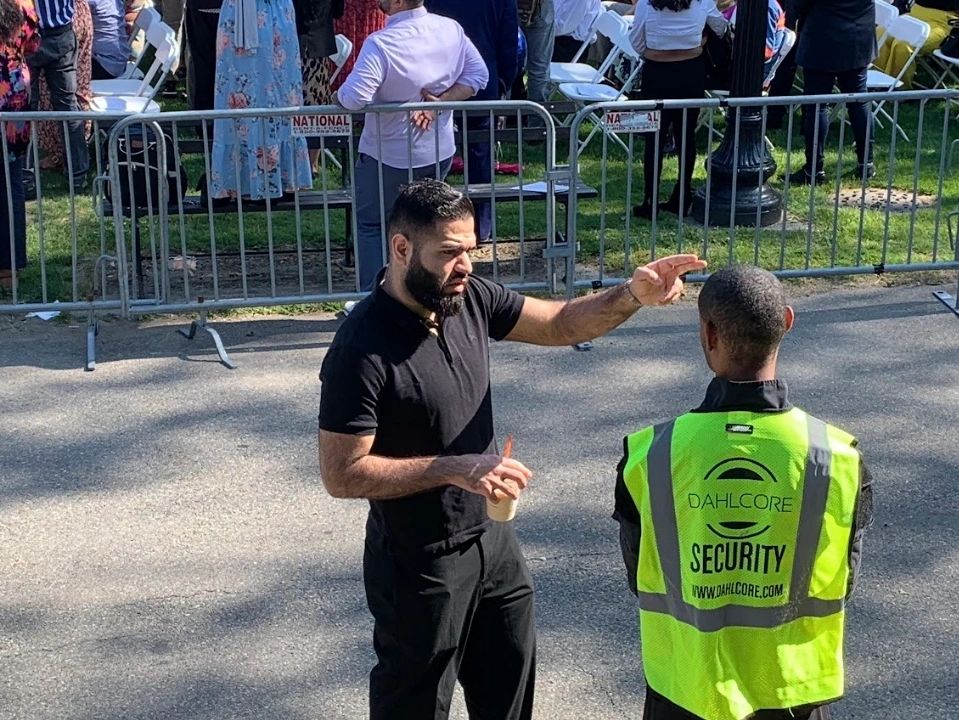
Yes—security guards may detain in narrow situations, usually as private citizens under citizen’s arrest rules or shopkeeper’s privilege for suspected theft, but only with reasonable grounds, reasonable force, and a prompt call to police under local law. If those limits are ignored, the detention can become unlawful and expose the guard or employer to false imprisonment claims.
Security Guards vs Police Powers
Security guards are private citizens, not sworn police, so their arrest powers are limited to what local citizen’s arrest or property-protection laws allow. That usually means acting only when a crime is being committed or has just been committed and turning the person over to police quickly.
Reasonable Grounds and Reasonable Force
Detention must rest on reasonable grounds—facts that would make a typical person believe a crime occurred—and force must be no more than needed to hold the situation safely. Excessive force or long delays can make an otherwise lawful detention illegal.
Citizen’s Arrest: The Big Picture
In Canada, any person may arrest someone found committing an indictable offence, and non‑police must deliver the person to a peace officer “forthwith” after arrest. In England and Wales, a non‑police person may arrest for indictable offences only if necessary to prevent injury, damage, or escape and if it is not reasonably practicable for a constable to do it instead. In the United States, citizen’s arrest exists but details vary by state, and many real‑world detentions rely on shopkeeper’s privilege in retail settings instead of general citizen’s arrest rules.
Shopkeeper’s Privilege in Stores
Many U.S. states let merchants or their employees detain suspected shoplifters for a reasonable time and in a reasonable way to investigate or await police, which can shield them from civil or criminal liability if done properly. Missouri law, for example, allows reasonable detention on reasonable grounds or probable cause that someone is committing a wrongful taking of merchandise, with strong protection if the suspect conceals unpurchased goods.

Trespass and Private Property Removal
On private property open to the public, guards may ask a person to leave and, if refused, may escort them off using reasonable force under property and trespass rules, subject to local limits. Detaining beyond what is necessary or using force that is not proportional risks legal exposure.
When Guards Must Call Police
Under Canada’s Criminal Code, a non‑police arrester must deliver the person to a peace officer without delay after the arrest. In the UK, a citizen’s arrest is allowed only where it is not reasonably practicable for a constable to make the arrest, making swift police involvement essential.
What Security Guards Cannot Do
Security guards generally cannot conduct full searches like police without consent, and cannot demand identification unless a specific law requires it, though they may control access to private property. Holding someone for an excessive time or threatening harm crosses legal lines and can become false imprisonment or assault.
Your Rights During Detention
A person has the right to know the reason for the detention and to be free from excessive force or threats, along with the right to a prompt handoff to police when required by law. Calmly asking, “Am I being detained, and for what reason?” helps clarify whether the person is free to go or must wait for police.
What’s New in 2025
PACE s24A remains the core UK citizen’s arrest framework and is up‑to‑date as of October 8, 2025, emphasizing necessity and the preference for police to handle arrests where practicable. Canada’s Criminal Code s.494 remains the foundation for citizen arrests, with the “forthwith” delivery rule shaping how long private detentions may last.
Local Law Snapshots
- Canada: s.494 allows arrest by any person for indictable offences found committing and requires immediate delivery to police after the arrest.
- England & Wales: s24A PACE allows arrest by non‑constables for indictable offences only if necessary and if police cannot reasonably do it first.
- Missouri, USA: merchants may detain on reasonable grounds for suspected wrongful taking, with protections for reasonable time and manner during investigation or while contacting police.
False Imprisonment and Liability Risks
If guards detain without reasonable grounds, use excessive force, or delay police involvement, they risk claims for false imprisonment and potential civil damages. Proper documentation, proportional force, and quick police notification reduce these risks.
Evidence to Keep or Request
If stopped, it helps to note the guard’s name, employer, time, location, and reason given for detention, as well as any witness names or camera locations in the area. Receipt copies or proof of purchase can resolve misunderstandings faster and limit the length of detention.
How to Respond If Detained
- Ask calmly: “Am I being detained, and for what reason?” to clarify status and the grounds claimed.
- If detained, say: “I won’t resist, but I don’t consent to any search—please call police,” and keep hands visible.
- Document names, times, and details, and request that store cameras be preserved if relevant.
- After release, consider filing a complaint or contacting counsel if the detention felt excessive or baseless.
Guards vs Loss Prevention vs Police
Loss prevention staff in stores commonly rely on shopkeeper’s privilege, focusing on observation, approach, and brief detention to recover goods or await police. Security guards in venues and offices focus on access control and trespass removal, escalating to police when crimes are suspected or risks rise beyond their role. Police have full arrest powers and investigative authority that private security does not have.
Events, Venues, and Workplaces
At events or offices, guards may deny entry, perform bag checks with consent, and ask someone to leave, calling police if a crime is suspected or if the person refuses to depart. The same rules on necessity, proportionality, and prompt police involvement apply in citizen’s arrest scenarios.
Minors and Mall Detentions
If a minor is stopped in a store, staff should keep the situation calm, use minimal force, and contact guardians and police where policy or law requires it. The same standards—reasonable grounds, reasonable time, and safety—still apply.
How This Guide Improves on Others
Some guides explain that guards are limited to private‑citizen powers but gloss over the “necessity” test and prompt police involvement required in citizen’s arrests, which are central in UK law and influential in best practices. This guide anchors advice in current 2025 legislative text and concrete local examples for Canada and U.S. states to reduce confusion.
FAQs
Q: Can a security guard detain you in a store?
A: Yes, many places allow brief, reasonable detention for suspected theft under shopkeeper’s privilege or similar laws, followed by contacting police.
Q: Can a security guard detain you without calling the police?
A: Detention should be brief and police should be involved promptly, with Canada requiring delivery to police “forthwith” after a citizen’s arrest.
Q: Can a security guard detain you for refusing to show a receipt?
A: On private property, refusal may lead to being asked to leave, but detention requires reasonable grounds of a crime; policies vary by location.
Q: Can a security guard detain you for trespassing?
A: Guards can ask a person to leave and may use reasonable force to remove a trespasser, but longer detention requires legal grounds like citizen’s arrest thresholds.
Q: Can a security guard detain you if you’re a minor?
A: The same legal standards apply, and staff should involve guardians and police per policy and local law.
Q: Can a security guard detain you for filming?
A: Filming is not a crime by itself in most places, but private property rules allow removal if policies are violated; detention still needs reasonable grounds of an offence.
Q: Can a security guard detain you for looking suspicious?
A: Suspicion alone is not enough; there must be reasonable grounds based on observed facts to detain lawfully.
Conclusion
A security guard can detain a person only within tight legal bounds—reasonable grounds, reasonable force, and a prompt hand‑off to police—under citizen’s arrest or merchant‑specific privilege rules that differ by country and state. Knowing this helps de‑escalate, protect rights, and avoid turning a misunderstanding into a legal mess.
- Get a Free Case Review for a detention incident and understand options today.
- Book Consultation to train staff on lawful detentions and reduce liability.
- Get a Policy & Incident Checklist tailored to local law and 2025 updates.
Citations
- This guide references current Canadian Criminal Code s.494 and UK PACE s24A, both current as of 2025, plus U.S. shopkeeper privilege examples and expert resources.
Sources used: Canadian Criminal Code s.494 (citizen’s arrest), UK PACE s24A (citizen’s arrest by non‑constables), Missouri RSMo 537.125 (shopkeeper’s privilege), and expert explainers illustrating practical limits.
Check other blogs
10 Skills You’ll Gain By Completing a Security Course
