

Updated Date: December 4, 2025
If you’re wondering what to expect from a security guard class or guard card class, think of it as a structured path from “curious about security” to “job-ready professional.” Over a few focused days, you’ll move through enrollment, classroom or online lessons, hands‑on practice, and a final exam that prepares you for your security guard license or guard card application.
Who a Security Guard Class Is For
A security guard training course is designed for beginners, career changers, and current guards who need renewal or upgraded licenses (such as Level 2, Level 3, or Level 4 in some states). It also fits property managers, supervisors, or business owners who want to understand what their guards are trained to do.
Typical students include:
- New entrants who want their first unarmed or armed security guard license or guard card.
- Career changers from hospitality, retail, or law enforcement support roles.
- Current guards renewing licenses, adding armed endorsements, or taking continuing education.
What Happens Before Your Security Guard Class
Before you ever sit down in a security guard license class, you’ll complete a short checklist so the school and state know you’re eligible to work in security. Requirements vary by state, but most programs follow a similar flow.
Key enrollment and prerequisite steps:
- Check basic eligibility: Most states require you to be at least 18 years old for unarmed security and often 21 for armed roles, with legal authorization to work in the country.
- Background check and fingerprinting: Expect a criminal background check and fingerprint submission as part of your guard card or security guard license process.
- Valid ID and documents: You’ll usually need government‑issued photo ID, proof of address, and sometimes a Social Security or tax ID number.
- Fees and registration: You’ll pay course tuition and, in some cases, separate state application or fingerprint fees during or right after class.
What to bring to your security guard training course:
- A valid photo ID and any paperwork the school emailed you.
- Notebook, pen, and a charged device if your program uses an online portal or blended format.
- Comfortable, professional clothing and closed‑toe shoes suitable for role‑plays or light physical drills.
What to Expect During the Security Guard Class
Once class begins, you’ll move through a structured curriculum that covers laws, procedures, communication, emergencies, and practical skills you’ll use on the job. Whether you attend in person or online, the schedule is designed to prepare you for real‑world work and your state exam.
Classroom and Online Format
A typical security guard class or guard card class runs anywhere from one intensive day to several days or weeks, depending on your state’s required hours and whether you’re training for unarmed or armed roles. Programs may be offered in classroom, online, or blended formats with required live sessions and proctored testing.
You can expect:
- Instructor‑led lectures, slides, and discussions.
- Short quizzes to check your understanding of laws, procedures, and safety.
- Scenario‑based exercises and group activities that mirror real shifts.
Laws, Regulations, and Ethics
Early in the course, you learn what security guards are legally allowed to do—and what they must never do. This section typically covers state security regulations, trespassing laws, use‑of‑force guidelines, privacy rules, and your duty to act ethically on every shift.
By the end of this part of the security guard training course, you’ll understand your role, your legal limits, and how to protect people and property without violating anyone’s rights.
Safety, Use of Force, and De‑Escalation
You’ll spend dedicated time on personal safety, emergency response, and when—if ever—it’s appropriate to use physical force. In an armed course or higher‑level class, this may include weapons safety, safe handling, and legal standards for armed security.
Topics usually include:
- Situational awareness and recognizing early warning signs of trouble.
- Emergency response procedures for fire, medical events, and natural disasters.
- De‑escalation techniques and conflict resolution to calm tense situations before they become dangerous.
Communication and Report Writing
Strong communication is one of the most important things you’ll learn in security guard school. You’ll practice how to talk to the public, clients, coworkers, and law enforcement clearly and professionally, even under pressure.
In this part of the guard card training, you can expect to:
- Learn how to observe, describe, and document incidents accurately.
- Practice writing incident reports, daily activity logs, and witness statements.
- Improve radio etiquette, phone communication, and customer‑service skills for front‑desk or concierge posts.
Practical Exercises and Scenarios
What happens in a security training course is not all theory—you’ll also practice what you learn through role‑plays and scenario drills. In some programs, especially Level 3/4 or armed classes, this includes range time and hands‑on defensive techniques under instructor supervision.
Examples of practical work:
- Patrol walk‑throughs, access control checks, and bag or ID screening scenarios.
- Role‑plays for dealing with trespassers, intoxicated persons, or disorderly crowds.
- Simulated emergencies where you apply emergency response, communication, and crowd‑management skills.

Skills You’ll Gain From a Security Course
By the end of your security guard class, you won’t just have sat through lectures—you’ll walk away with concrete skills you can use on day one of the job. Each skill below connects directly to what you do and learn during class hours.
Core skills you’ll build include:
- Threat detection and prevention: You’ll practice scanning entrances, reading body language, and spotting suspicious behavior before it turns into an incident.
- Risk assessment and management: Through case studies and scenarios, you learn to identify weak points on a site, prioritize risks, and choose appropriate responses.
- Cybersecurity and information awareness: Many modern security courses touch on basic digital hygiene and how to protect access badges, passwords, and sensitive information from misuse.
- Incident response skills: Scenario drills teach you how to respond calmly to alarms, disturbances, medical issues, and emergencies using clear step‑by‑step procedures.
- Understanding security protocols: You get familiar with post orders, access control rules, visitor sign‑in processes, and patrol procedures used on most security assignments.
- Legal and regulatory compliance: You’ll learn how state security laws, use‑of‑force policies, and licensing rules affect every decision you make on duty.
- Physical security techniques: Practical segments cover pat‑downs where allowed, bag checks, door and gate inspections, and how to secure vulnerable areas.
- Analytical thinking and problem‑solving: Instructors guide you through “what would you do?” scenarios so you learn to make sound decisions quickly with limited information.
- Communication and teamwork: Group exercises build your ability to coordinate with other guards, supervisors, and emergency services while keeping clients informed.
- Security awareness and ethical responsibility: Throughout the course, you’re reminded that professionalism, integrity, and respect are non‑negotiable in every interaction.
After the Class: Getting Your Guard Card
Once you complete the security guard license class, you’ll take a final exam that checks your understanding of laws, procedures, and safety topics. Passing students receive a course completion certificate that becomes part of the paperwork for their state security guard license or guard card application.
Typical next steps after class:
- Submit your completion certificate and application to the state licensing authority or security board.
- Complete any remaining fingerprinting, background check, and photo requirements if they weren’t done before class.
- Pay state licensing fees and wait for your temporary or permanent guard card approval, following your state’s current timelines.
Many schools and companies, such as professional security providers, also offer job placement help or referrals to positions like hotel security, hospital security, retail, construction, or event security once your license is active.
FAQs About Security Guard Classes
How long is a security guard class?
Most basic security guard classes range from a single full day to several days, depending on your state’s required training hours and whether the course is unarmed, armed, or advanced level.
Do I need experience before taking a guard card class?
No prior security experience is usually required; these courses are built for beginners, as long as you meet age and background requirements in your state.
What skills will I have after completing security guard training?
You’ll know how to observe and report, manage access control, respond to emergencies, communicate professionally, and apply basic laws and procedures in real‑world security posts.
What tests do I have to pass in security guard school?
Expect a written exam on laws, procedures, and safety, plus quizzes during class; some programs also include graded practical scenarios or firearms qualification for armed licenses.
What should I bring to a security guard class?
Bring a valid photo ID, any enrollment paperwork, payment if needed, and basic supplies like a notebook and pen; follow your school’s guidance on dress code and footwear.
How much does a security guard class cost?
Tuition varies by state and course type, but you’ll typically pay for the class plus separate fees for fingerprints, background checks, and the state license itself.
Ready to Start Your Security Guard Career?
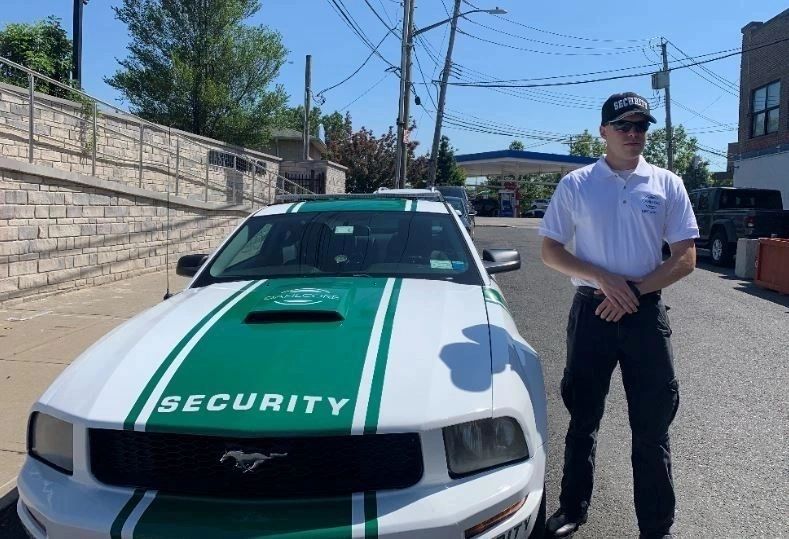
If you’re ready to put this knowledge into action and experience exactly what to expect from a security guard class, your next step is simple: enroll in a security guard training course or guard card class that meets your state’s requirements. Partnering with a professional provider like Dahlcore Security Guard Services ensures your training is practical, compliant, and directly connected to real‑world security jobs once you’re licensed.
Check other blogs:
10 Traits of a Security Guard Supervisor: Essential Qualities
