

“The Use of Non-Lethal Weapons by Security Guards”
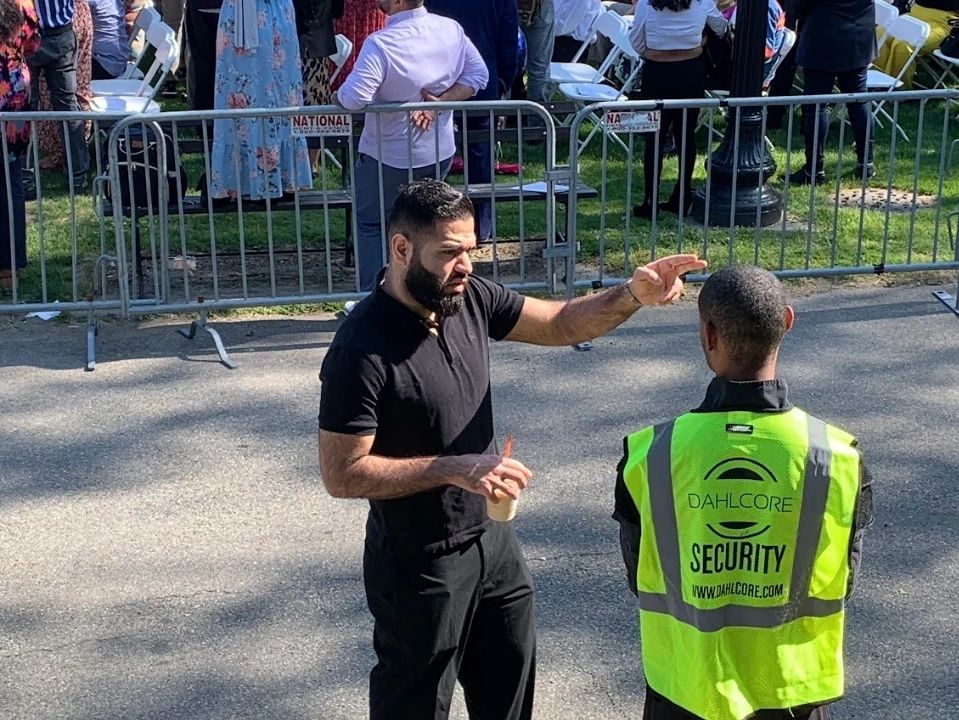
Security is a critical concern in today’s world, and the use of non-lethal weapons by security guards plays a vital role in maintaining safety without causing undue harm. These tools are designed to hinder or deter individuals while minimizing fatalities and severe injuries. Understanding the significance, types, and implications of non-lethal weapons can shed light on their role in modern security practices.
What Are Non-Lethal Weapons?
Non-lethal weapons, also known as less-lethal or non-deadly weapons, are designed to minimize the likelihood of causing death or permanent injury. These tools include a variety of devices, such as batons, pepper spray, tasers, and sound cannons. The primary purpose is to provide security personnel with options to subdue or control individuals in a manner that is less likely to result in fatal outcomes.
Types of Non-Lethal Weapons
Impact Weapons
Impact weapons such as batons and rubber bullets are designed to exert force without causing penetration to the body, making them suitable for situations requiring controlled application of force. They serve as practical tools in scenarios ranging from crowd control to personal defense, where the goal is to manage and mitigate potential threats or disturbances without lethal force. These non-lethal alternatives are essential for law enforcement and security personnel to maintain order while minimizing the risk of severe injury.
Chemical Agents
Chemical agents such as pepper spray and tear gas are utilized to induce irritation in the eyes, skin, and respiratory tract, resulting in temporary disability. They find widespread application in riot control and for personal defense purposes due to their ability to incapacitate aggressors swiftly. Despite their effectiveness, their use is controversial due to potential health risks and concerns over human rights violations in specific contexts.
Electrical Devices
Electrical devices like tasers and stun guns administer an electric shock that interferes with muscle control, effectively incapacitating individuals. Law enforcement agencies widely favor them due to their efficient and rapid means of restraining suspects without causing lethal harm. These devices work by disrupting the nervous system’s ability to communicate with muscles, causing temporary immobilization.
Acoustic Devices
Acoustic devices harness sound waves to control crowds or disorient individuals, offering a non-lethal means of managing public gatherings. LRADs, in particular, can emit intense sound at high decibel levels, making them effective for dispersing crowds or maintaining order in large-scale events. These devices serve as valuable tools for law enforcement and security personnel seeking to maintain control and safety without resorting to physical force.
History of Non-Lethal Weapons
Throughout history, non-lethal weapons have evolved from essential blunt tools and irritants to encompass a wide array of sophisticated technologies. These advancements enable security forces to effectively manage and mitigate threats without resorting to lethal force, enhancing both safety and precision in challenging situations. From stun guns to tear gas and sound cannons, these tools reflect ongoing efforts to balance security needs with minimizing harm.
Advantages of Non-Lethal Weapons
Minimizing Fatalities
Non-lethal weapons offer a significant advantage in minimizing fatalities by providing law enforcement and security personnel with effective alternatives to firearms. Their deployment supports the preservation of life by reducing the risk of lethal force in situations requiring control and restraint. This capability enhances public safety by offering a less deadly yet effective means of maintaining order and resolving conflicts.
Reducing Liability
Employing non-lethal weapons not only enhances safety but also minimizes legal risks for security firms and their staff. These tools, specifically engineered to be less injurious, significantly mitigate the likelihood of litigation stemming from accusations of excessive force. Consequently, their use aligns with regulatory frameworks aimed at safeguarding the welfare of both public and operational personnel.
Enhancing Public Safety
Non-lethal weapons play a crucial role in enhancing public safety by equipping security personnel with a range of responses beyond lethal force. This capability allows for effective de-escalation of potentially dangerous situations, mitigating the risk of fatalities and promoting a safer environment for both guards and the public. By offering alternatives to lethal force, these tools enable security teams to handle incidents with greater precision and minimize the potential for severe injury or loss of life.
Challenges and Limitations
Misuse and Abuse
One significant challenge associated with non-lethal weapons is the risk of misuse or abuse, especially when security personnel lack adequate training and guidelines. This can result in inappropriate use that may cause unintended injuries to individuals or lead to legal complications for the authorities involved. Therefore, establishing clear protocols and ensuring comprehensive training programs are crucial steps in mitigating these risks and promoting responsible use of non-lethal weapons in security operations.
Effectiveness Concerns
Non-lethal weapons are intended to reduce harm, but their efficacy can fluctuate based on several factors. These include the distance between the user and the target, the surrounding environment, and the physical state of the individual being targeted. These variables collectively impact the overall effectiveness and reliability of non-lethal weapons in diverse operational scenarios.
Training Requirements
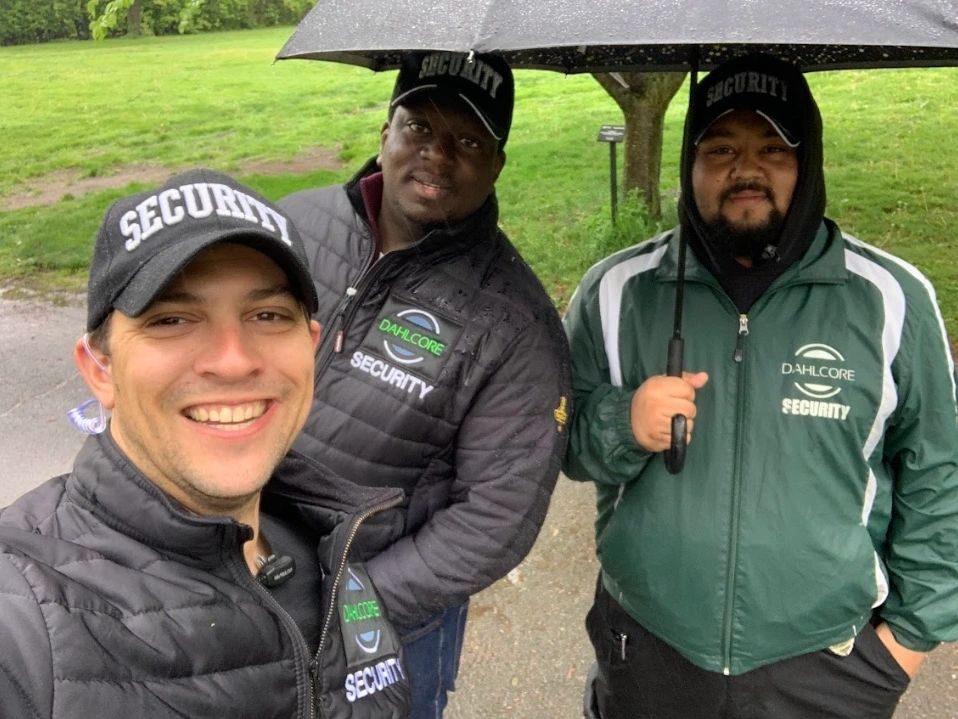
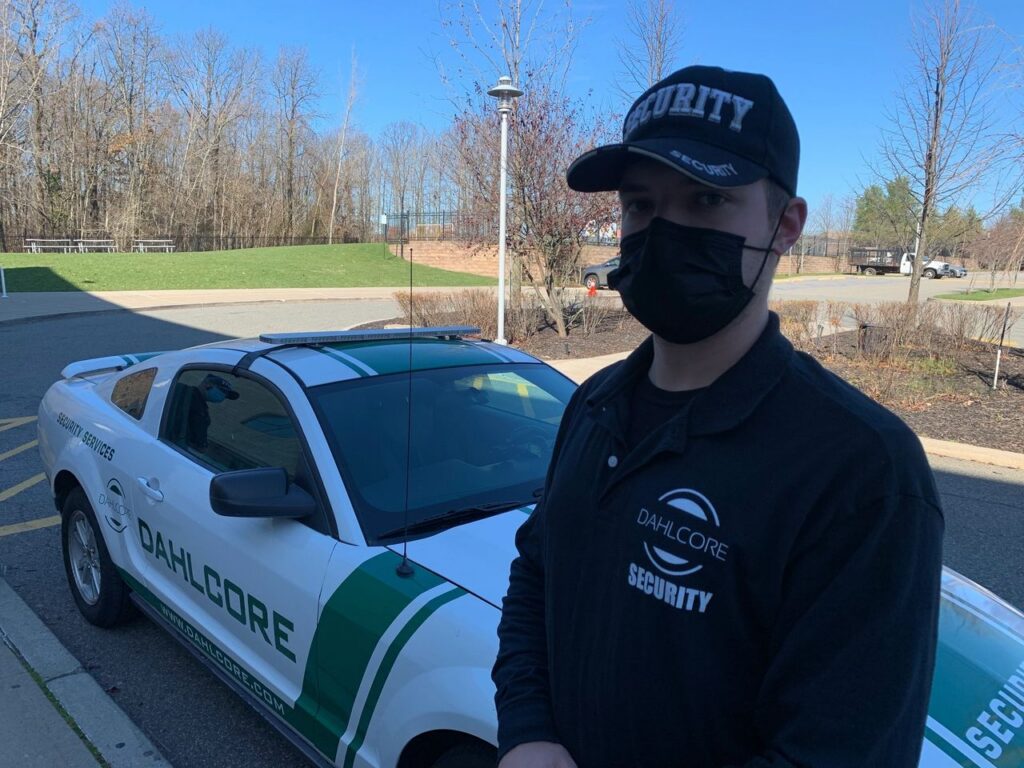
Proper training is essential in maximizing the safe and effective utilization of non-lethal weapons. Security personnel need to be thoroughly educated on the appropriate methods for deploying these tools to minimize the risk of unintended injuries. This training ensures that guards can respond appropriately to various situations while prioritizing the safety of both themselves and others.
Regulatory Framework
International Laws
Various international laws regulate the usage of non-lethal weapons, establishing guidelines to ensure their deployment aligns with human rights principles. These laws seek to strike a balance between maintaining security and safeguarding individual rights, emphasizing the ethical and lawful application of such technologies in diverse contexts globally. Adherence to these regulations is crucial in promoting accountability and mitigating potential misuse or abuse of non-lethal weapons.
National Regulations
Each country maintains distinct regulations governing the use of non-lethal weapons, stipulating which types of armaments are permissible and the specific conditions under which they may be employed. These laws are crucial in establishing guidelines that balance public safety with the appropriate use of force by law enforcement and civilians alike. Understanding and adhering to these regulations is essential to ensure compliance and mitigate potential risks associated with the deployment of non-lethal weapons.
Training for Security Guards
Importance of Training
Practical training is crucial for security guards to utilize non-lethal weapons proficiently. Through proper training, guards gain a comprehensive understanding of these tools, including their capabilities and limitations, which significantly minimizes the potential for misuse. This ensures that guards can employ non-lethal weapons safely and appropriately in various security situations.
Training Programs
Several training programs are accessible, providing extensive guidance in the utilization of non-lethal weapons. These courses encompass essential practical techniques, legal frameworks, and immersive scenario simulations. They aim to equip participants with the knowledge and proficiency needed to handle non-lethal weapons effectively and responsibly in various situations.
Certification
Certification plays a crucial role in verifying a security guard’s proficiency in handling non-lethal weapons, guaranteeing that individuals are adequately trained and capable of using these tools effectively. This credentialing process ensures that only qualified personnel are permitted to carry and employ such equipment, promoting safety and adherence to professional standards within the security industry. By requiring certification, organizations uphold accountability and mitigate risks associated with the use of non-lethal weapons in various security contexts.

Ethical Considerations
Human Rights
Ensuring the ethical and responsible use of non-lethal weapons is essential to uphold human rights principles. Safeguards must be in place to prevent misuse and to protect the dignity and safety of individuals affected by their deployment. Upholding these standards is vital for maintaining public trust and the legitimacy of those entrusted with the use of such tools.
Moral Dilemmas
Security personnel frequently encounter ethical difficulties when determining the appropriate use of force in various situations. Non-lethal weapons present a viable option that minimizes physical harm, yet their deployment necessitates thoughtful evaluation of both immediate and long-term impacts. Balancing the immediate need for control with the broader ethical implications underscores the complexity of decision-making in security operations.
Future of Non-Lethal Weapons
Technological Innovations
The future of non-lethal weapons is poised for significant advancement with the ongoing development of technologies. Newer iterations like directed energy devices and sophisticated incapacitating agents promise enhanced capabilities, potentially offering security personnel more efficient tools. These innovations may redefine how law enforcement and security operations handle situations requiring non-lethal force, aiming to improve effectiveness and minimize harm.
Trends and Predictions
Recent security trends show a clear shift towards non-lethal alternatives, reflecting a broader societal preference for minimizing harm in protective measures. With advancements in technology, these solutions are poised to enhance their effectiveness, availability, and societal adoption, potentially reshaping traditional security practices. This evolution suggests a future where non-lethal tools play a central role in ensuring safety across diverse environments.
Non-Lethal Weapons in Different Settings
Corporate Security
Non-lethal weapons play a crucial role in corporate security by providing effective defense mechanisms while maintaining a non-threatening environment. Pepper spray and stun guns are frequently employed by security personnel to swiftly neutralize potential threats, ensuring the safety of employees and visitors alike. Their strategic use enhances security protocols without generating undue anxiety among staff, contributing to a balanced and secure corporate atmosphere.
Public Events
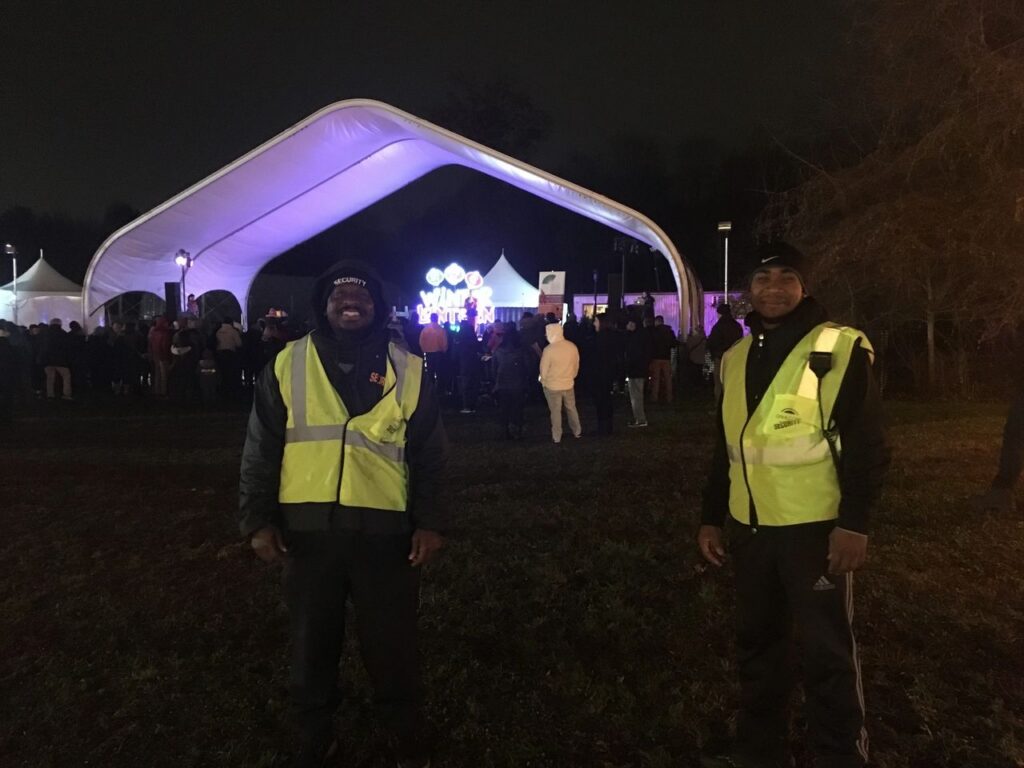
Non-lethal weapons play a crucial role in maintaining order and safety during public gatherings and events. Their effectiveness lies in their capacity to incapacitate individuals without inflicting lasting harm, ensuring minimal escalation in tense situations. These tools are invaluable for law enforcement, enabling them to manage crowds and disturbances with greater precision and reduced risk of severe injury.
Personal Protection
Non-lethal weapons are essential tools for personal protection, offering individuals effective means of self-defense while minimizing the risk of causing fatal harm. Pepper spray, known for its disabling effects on assailants, and tasers, which deliver incapacitating electric shocks, are widely adopted for their ability to deter threats without the use of lethal force. These devices empower people to safeguard themselves in potentially dangerous situations, promoting safety and peace of mind in diverse environments.
Public Perception
Media Influence
Media coverage plays a pivotal role in shaping public attitudes towards non-lethal weapons, with positive narratives highlighting their effective deployment often fostering greater societal acceptance. Conversely, adverse incidents reported in the media can breed skepticism and resistance among the public, potentially undermining the perceived benefits of such technologies. Therefore, the portrayal of non-lethal weapons in the press can heavily influence public perception and subsequent policy considerations regarding their use.
Public Opinion
Public opinion on non-lethal weapons is diverse, ranging from supporters who see them as essential for ensuring safety to critics who fear their potential for misuse. The ongoing conversation and dissemination of information play crucial roles in fostering a nuanced understanding of their benefits and risks. Educating the public about proper usage and regulations can mitigate concerns and promote responsible deployment of these tools in law enforcement and public safety contexts.
FAQs
What are non-lethal weapons used for?
Non-lethal weapons are used to control or subdue individuals in various situations, such as law enforcement, personal protection, and crowd control, without causing fatal injuries.
Are non-lethal weapons legal?
The legality of non-lethal weapons varies by country and jurisdiction. Most places have regulations governing their use to ensure they are deployed responsibly.
What is the most common non-lethal weapon?
Pepper spray is one of the most common non-lethal weapons, widely used for personal protection and by law enforcement.
Do non-lethal weapons cause permanent damage?
Non-lethal weapons are designed to minimize the risk of permanent damage, but improper use can still result in serious injuries.
How effective are non-lethal weapons?
The effectiveness of non-lethal weapons depends on factors such as the type of weapon, the situation, and the user’s training. Generally, they are effective in deterring or incapacitating individuals.
What training is required to use non-lethal weapons?
Training requirements vary but generally include instruction on the proper use, legal considerations, and practical exercises to ensure safe and effective deployment.
Conclusion
The use of non-lethal weapons by security guards is a crucial aspect of modern security practices. These tools offer a balanced approach to maintaining safety and order, providing alternatives to lethal force. With proper training, ethical considerations, and adherence to regulations, non-lethal weapons can significantly enhance the effectiveness and responsibility of security personnel. As technology continues to evolve, these options are likely to become even more integral to security strategies worldwide.
Check other blogs
The Value of Executive Security for NJ Business Leaders
Why Loss Prevention Services Are Crucial for NJ Retailers
How Hotel Security Services Enhance Guest Safety in New Jersey
Fire Watch Patrol: When It’s Required + Checklist & Log Template
