

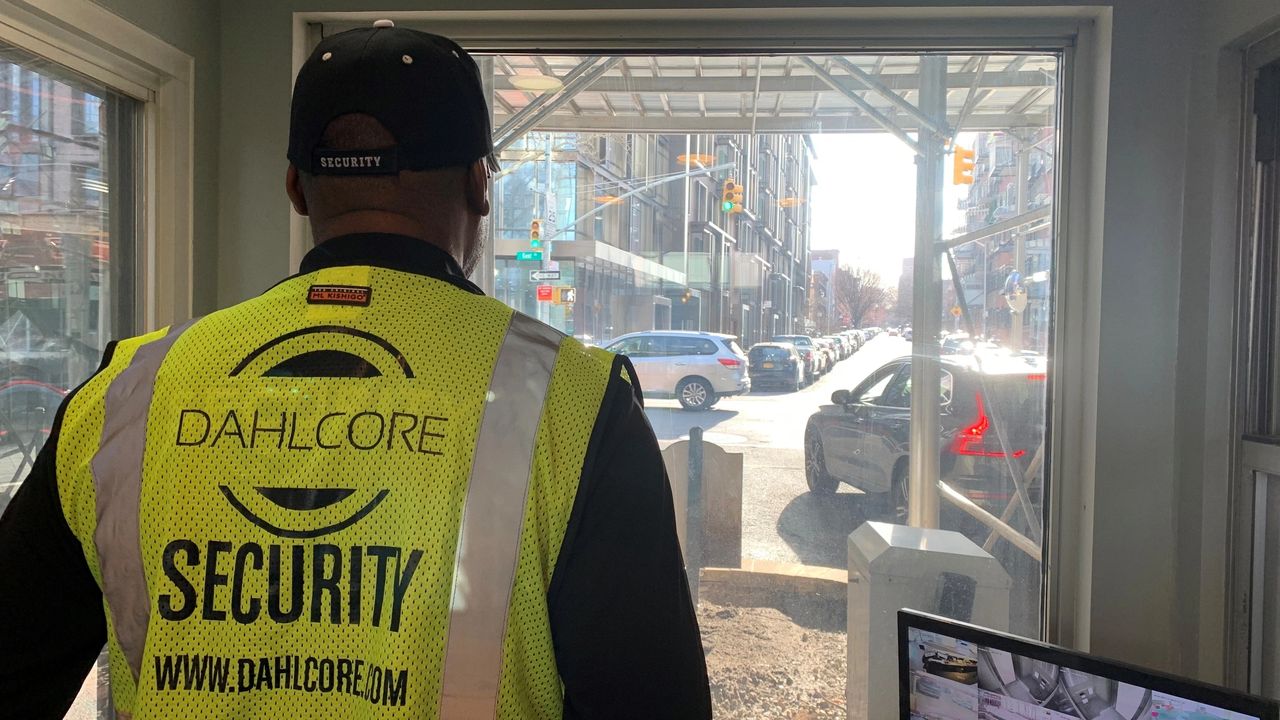
“Optimizing Security: How to Implement Short-Term Repairs in Access Control Systems”
Access Control Systems
Access control systems are integral to modern security frameworks, serving as the first line of defense in protecting assets and personnel. Understanding the basics of these systems, including their components and operation, is crucial for maintaining an effective security posture. This section will delve into the fundamental principles of access control and highlight their importance in contemporary security landscapes.
Short-Term Repairs in Access Control
Short-term repairs in access control are critical for maintaining security and functionality in any facility or digital system. These repairs typically involve quick fixes that temporarily restore access control systems until a more permanent solution can be implemented. Standard short-term maintenance includes:
- Replacing Faulty Hardware: Quickly replacing broken or malfunctioning locks, card readers, or cameras.
- Updating Software: Applying patches or temporary fixes to software to address vulnerabilities or bugs.
- Bypassing Damaged Components: Temporarily bypassing components that are only functioning correctly once they can be adequately repaired or replaced.
- Emergency Protocols: Implement or activate emergency access protocols to ensure continued security and access during repairs.
The goal of short-term repairs is to minimize downtime and maintain security without compromising the long-term effectiveness of the access control system.
Implementing Short-Term Repairs
Implementing short-term repairs requires a strategic approach to ensure that the security and functionality of the access control system are maintained. Steps typically include:
- Assessment: Quickly identifying the problem and the best short-term solution.
- Resource Allocation: Ensuring that the necessary tools and components are available for the repair.
- Execution: Repairing with minimal disruption to the system and users.
- Documentation: Recording the repair details for future reference and long-term planning.
- Monitoring: Observing the repaired system to ensure functionality and identifying when to transition to a permanent solution.
Implementation should be swift and effective, and normal operations should be restored as soon as possible.
Temporary Access Control Solutions
Temporary access control solutions are vital when permanent fixes cannot be immediately implemented. These solutions often involve:
- Manual Overrides: Employ security personnel to control entry points manually.
- Provisional Systems: Installing temporary locks or barriers that can be easily removed or replaced.
- Mobile Access Control: Utilizing mobile-based systems that can be quickly deployed and managed.
- Visitor Management: Implementing temporary visitor badges and tracking systems for enhanced oversight.
These solutions should be easy to implement, flexible, and secure enough to handle the necessary access control until permanent repairs are made.

Role of Emergency Access in Repairs
Emergency access protocols are vital components of access control systems, ensuring that security measures remain effective even during unforeseen circumstances. These protocols enable authorized personnel to swiftly address emergencies such as system malfunctions, power outages, or security breaches, minimizing downtime and potential vulnerabilities. By examining real-world scenarios where emergency access has been essential, we gain insights into the indispensable role it plays in upholding continuous security measures.
Physical vs. Digital Access Control
Physical and digital access control systems are critical components of comprehensive security strategies, each with unique challenges and repair strategies:
Physical Access Control
The security system in question appears to be multifaceted, integrating locks, barriers, biometric scanners, and card readers. Maintenance tasks would likely involve a range of activities such as physically replacing damaged components, bypassing malfunctioning mechanisms to ensure continuous operation, and implementing temporary manual controls when necessary to maintain security protocols. Such a system seems designed to provide robust protection, with repair procedures aimed at swiftly restoring functionality to safeguard the designated area or facility.
Digital Access Control
Repairing issues related to software, databases, and network permissions typically entails actions such as updating or patching software to fix vulnerabilities, resetting passwords to regain access, and configuring temporary access levels to address permissions discrepancies. These tasks are essential for maintaining system security and ensuring smooth operation within a networked environment. Effective management of these elements helps prevent security breaches and ensures the integrity and availability of data and resources.
Understanding the distinctions and interactions among preventive, predictive, and corrective controls is crucial for devising comprehensive repair and maintenance approaches. Preventive controls aim to forestall potential issues through regular upkeep, predictive controls utilize data analysis to forecast maintenance needs, while corrective controls address failures after they occur, collectively ensuring operational efficiency and longevity of systems.
Role of IT in Access Control Repairs
As access control systems become more digitally operated, IT departments play a vital role in their repair and maintenance. Their interventions and technological solutions have been instrumental in efficiently managing repairs and upgrades, ensuring the security and functionality of digital access control systems.
Access Control Maintenance Best Practices
Maintaining access control systems effectively requires adherence to certain best practices. This part of the article focuses on preventative measures and industry standards that help minimize the need for repairs and ensure the longevity and reliability of the systems. By following these best practices, organizations can significantly reduce the frequency and severity of system failures.
Challenges in Access Control Repairs
Repairing access control systems presents several challenges that must be navigated carefully:
- Minimizing Disruption: Ensuring repairs do not significantly interrupt normal operations or compromise security.
- Resource Constraints: Dealing with limited availability of parts or skilled personnel for repairs.
- Rapid Response: Responding quickly to issues to maintain security integrity.
- Complex Systems: Navigating the complexities of integrated systems that combine physical and digital elements.
- Compliance and Standards: Adhering to legal and industry standards for security and data protection during repairs.
Addressing these challenges requires a proactive approach, skilled personnel, and a clear understanding of the access control system’s importance and complexities.
Cost Analysis of Access Control Repairs
Effective budgeting and resource allocation plays a crucial role in managing the costs of access control repairs. By conducting a detailed analysis of expenses associated with different types of repairs, organizations can identify areas for cost reduction and prioritize necessary security measures. Implementing strategies such as regular maintenance, leveraging technology for remote diagnostics, and opting for scalable solutions can help achieve cost-effectiveness without compromising the security of access control systems.
Understanding the Basics of Access Control Systems
Access control systems serve as the backbone of contemporary security protocols by managing entry and exit points, thus safeguarding sensitive areas from unauthorized access. These systems incorporate various components such as identification methods (like key cards, biometrics, or PIN codes), control panels, and locking mechanisms to enforce access policies. By meticulously regulating who can enter designated premises and when access control systems play a pivotal role in maintaining the integrity and confidentiality of protected spaces.

Importance of Access Control Systems in Modern Security
In today’s interconnected world, where security breaches are alarmingly frequent, access control systems serve as essential safeguards. These systems not only thwart unauthorized entry but also uphold the safety of valuable assets and personnel within various environments. Their significance lies in their ability to adapt to evolving threats, offering a crucial layer of defense in our technologically advanced landscape.
Short-Term Repairs: Definition and Significance
Short-term repairs in access control systems are essential for swiftly resolving immediate issues or failures within the system, ensuring continued security and functionality. These quick fixes are implemented to address specific problems without requiring extensive overhauls or causing prolonged downtimes, thereby minimizing disruptions to operations. By promptly addressing issues through temporary solutions, organizations can maintain the integrity of their access control systems while planning for more comprehensive long-term solutions if necessary.
Real-World Applications of Short-Term Repairs
Short-term repairs have been crucial in scenarios such as emergency road fixes after natural disasters, ensuring safe passage for vehicles and pedestrians. Additionally, in the context of infrastructure, temporary fixes on leaking pipelines have prevented water shortages and potential contamination until permanent solutions can be implemented. Moreover, quick repairs on malfunctioning electrical systems in hospitals have safeguarded patient care and critical operations, highlighting the vital role of short-term fixes in maintaining functionality and security in various settings.
FAQs:
What are the most common types of short-term repairs in access control systems?
Answer detailing typical short-term fixes and their applications.
How do temporary access control solutions impact overall security?
Discussion on the balance between temporary solutions and maintaining robust security.
What is the role of IT in managing access control repairs?
Insight into how IT departments contribute to resolving access control issues.
How can one ensure regulatory compliance during access control repairs?
Strategies for adhering to legal standards and industry regulations during repair processes.
What future technologies are set to revolutionize access control systems?
Predictions and insights into emerging trends in access control technology.
How can customer feedback improve access control systems?
Analysis of the role of customer feedback in enhancing access control measures.
Conclusion
In conclusion, understanding and implementing short-term repairs in access control systems is a critical aspect of modern security management. This article has provided comprehensive insights into various strategies, challenges, and solutions, equipping readers with the knowledge to address immediate repair needs while considering long-term security implications effectively. As technology evolves, so too will the approaches to maintaining and repairing access control systems, underscoring the importance of staying informed and adaptable in this ever-changing field.
Check other blogs
Install a Perimeter Intrusion Detection System
How Technology is Transforming Mall Security
Commercial Security Risk Assessment: Definitive Guide
Loss Prevention Strategies & Examples (2026 Guide)
Check also our Access Control
