

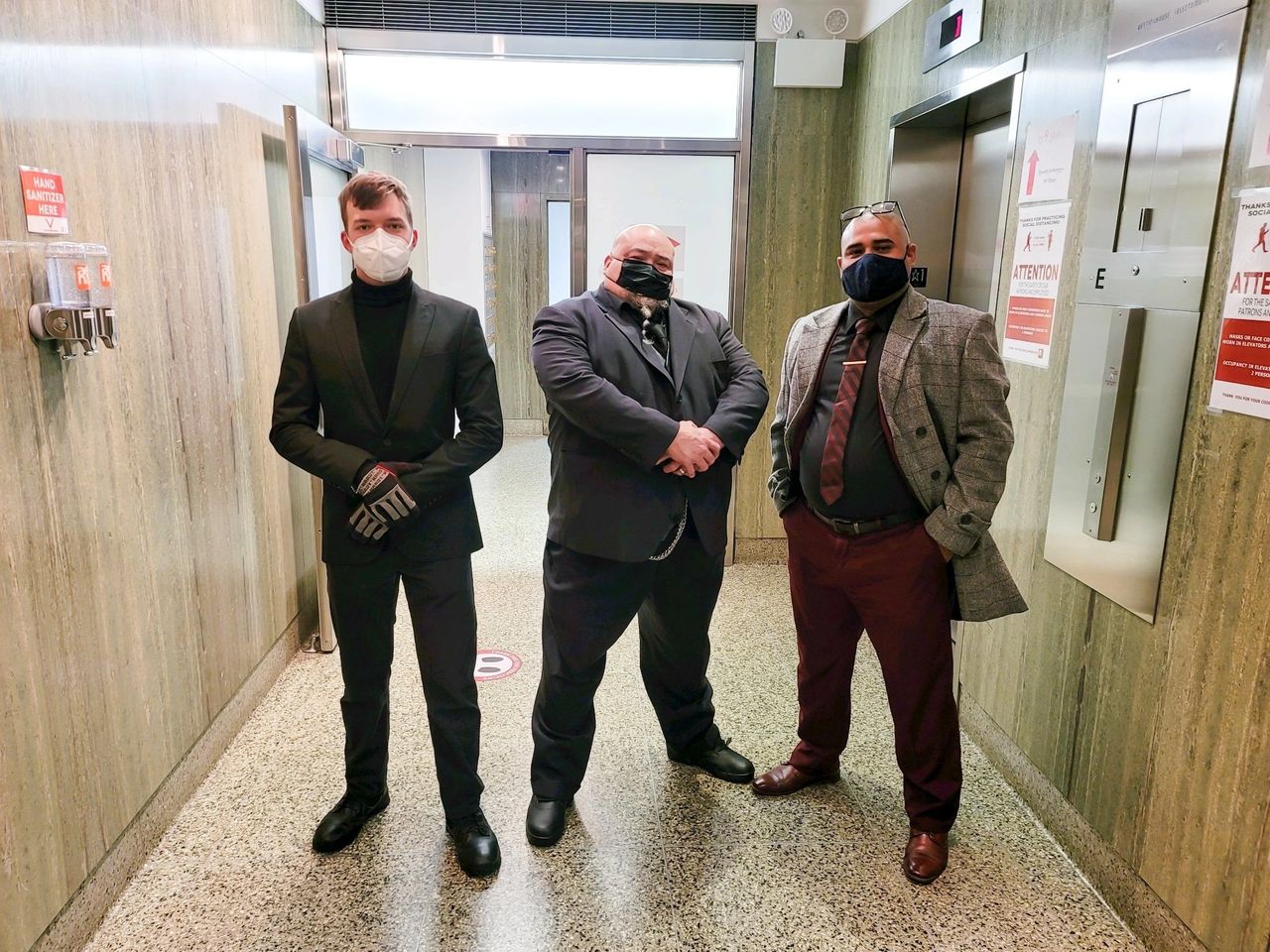
Apartment complexes have become the cornerstone of urban living, offering convenience, community, and comfort. However, with dense populations in shared spaces comes the need for robust security measures. Apartment security guards serve as the first line of defense, ensuring residents feel safe and protected at all times. Their duties extend far beyond simply watching over premises; they contribute significantly to creating a secure and orderly environment.
The Importance of Apartment Security Guards
Apartment security guards are essential for maintaining a safe and welcoming environment in residential complexes, and they often work hand‑in‑hand with broader building security guard services that protect lobbies, parking structures, and shared facilities.
Why Apartment Complexes Need Security Guards
Apartment complexes are dynamic spaces that house diverse groups of people. With such diversity, challenges such as unauthorized access, vandalism, and conflicts among residents can arise. Security guards help mitigate these issues by acting as vigilant overseers, maintaining peace, and ensuring that all activities align with building policies.
1. Monitoring Security Systems and Surveillance Cameras
One of the primary duties of apartment security guards is to monitor security systems and surveillance cameras. By keeping an eye on live feeds, they can detect suspicious activities, identify unauthorized individuals, and act swiftly to address potential threats.
Types of Security Systems Managed by Guards
Security guards often work with a range of systems, including:
- CCTV Cameras: Monitoring live footage and reviewing recordings for unusual activity.
- Access Control Systems: Ensuring only authorized individuals gain entry to restricted areas.
- Alarm Systems: Responding promptly to triggered alarms.
How Surveillance Enhances Safety
Surveillance technology significantly enhances a guard’s capacity to maintain a secure environment by providing real-time oversight of vast areas. Strategically positioned cameras allow guards to monitor multiple locations simultaneously, reducing blind spots and increasing overall vigilance. This advanced capability ensures not only a quick response to potential threats but also deters criminal activity through the visible presence of surveillance systems.

2. Patrolling the Premises to Deter Crime
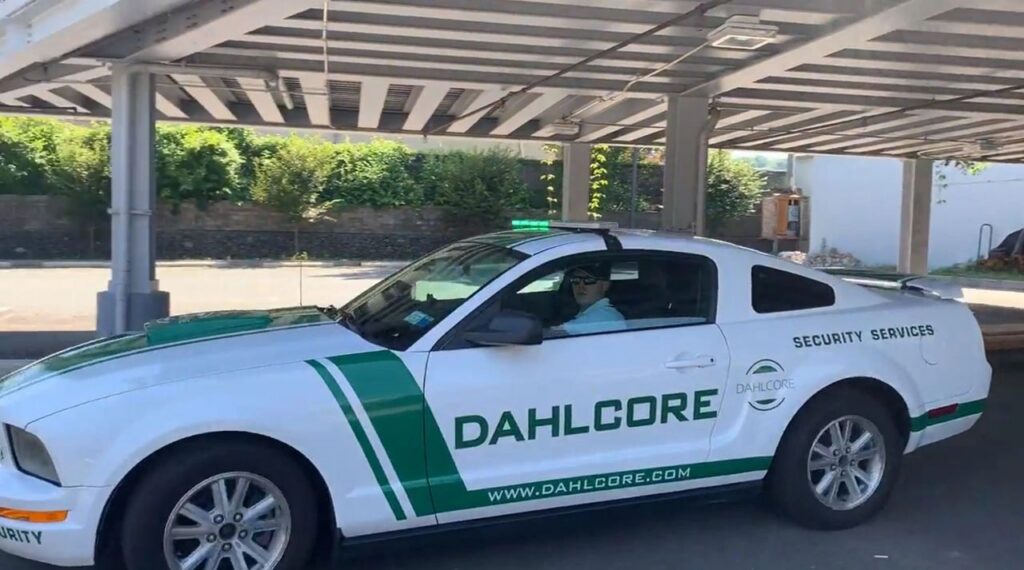
Regular patrols are vital to deterring criminal activities within apartment complexes. A visible security presence discourages potential offenders and reassures residents of their safety.
Routine vs. Random Patrols
- Routine Patrols: Scheduled checks of common areas such as parking lots, hallways, and stairwells.
- Random Patrols: Unpredictable checks to keep potential offenders guessing.
Deterring Vandalism and Unauthorized Access
Security guards patrol to identify signs of vandalism, unauthorized access, or attempts to bypass secured entry points, ensuring the safety and integrity of the premises. Their vigilance allows them to detect and address potential issues promptly, preventing small problems from escalating into significant security breaches. By doing so, they not only maintain the complex’s aesthetics and functionality but also provide peace of mind to residents, employees, and visitors.
3. Enforcing Building Rules and Regulations
Apartment complexes often have specific rules to maintain harmony among residents. Security guards play a crucial role in enforcing these rules while maintaining professionalism and tact.
Addressing Noise Complaints
Noise disturbances can significantly impact the well-being and harmony of a community, often leading to frustration among residents. Security guards play a crucial role in resolving these issues by intervening promptly, communicating with the offending party, and ensuring adherence to local noise ordinances to restore order.
Ensuring Proper Parking Management
Parking disputes are a frequent issue in apartment complexes, often leading to tension among residents over reserved or limited spaces. Security guards play a crucial role in monitoring parking areas, ensuring unauthorized vehicles do not occupy reserved spots, and addressing conflicts with professionalism and fairness to maintain harmony.
4. Managing Visitor Access and Deliveries
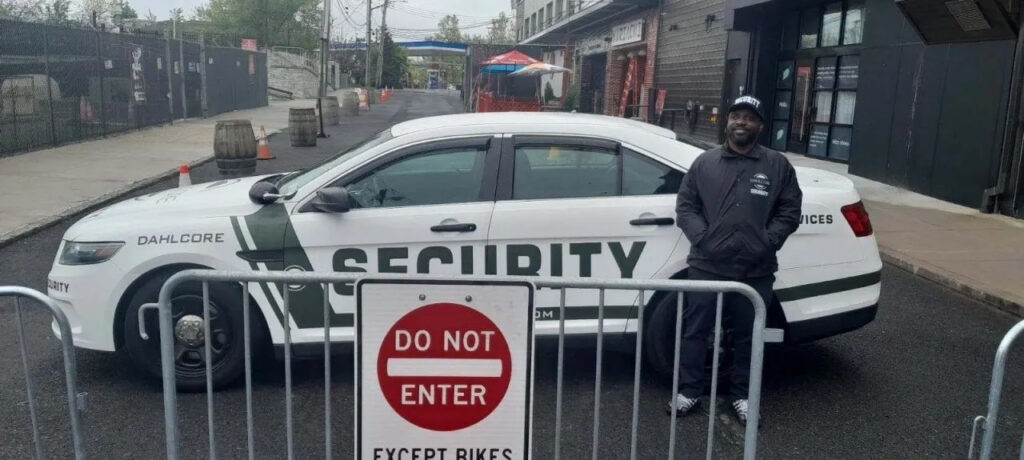
Controlling who enters and exits the property is a fundamental duty of security guards. They oversee visitor access and ensure that deliveries are handled efficiently.
Monitoring Entry Points
Guards stationed at entry points play a critical role in verifying visitor identities and cross-checking them against approved access lists to ensure that only authorized individuals gain entry. By maintaining strict control over who enters the premises, they significantly reduce the risk of unauthorized access, thereby enhancing the overall safety and security of tenants and their property.
Using Technology for Visitor Logs
Modern security systems enable guards to efficiently maintain digital visitor logs, simplifying the management of entries and exits in real-time. This streamlined approach not only improves accuracy but also enhances security by providing instant access to visitor data for audits or emergencies.
5. Assisting Tenants During Emergencies
Emergencies can arise without warning, and security guards are trained to respond effectively, ensuring the safety of residents.
Fire and Evacuation Protocols
In the event of a fire, security guards play a crucial role in ensuring the safe evacuation of residents by providing clear instructions and assistance. They guide individuals to designated safe areas, ensuring that everyone is accounted for and that no one is left behind. Additionally, guards work closely with emergency responders, providing them with vital information and helping to coordinate efforts to control the situation efficiently.
Medical Assistance and First Aid
Many security guards receive training in first aid, which equips them with the skills to handle various medical emergencies. This training allows them to assess the situation and offer immediate care, such as CPR or wound treatment until paramedics or other medical professionals arrive. Their ability to act quickly can make a crucial difference in minimizing the severity of injuries or saving lives during critical situations.
6. Handling Suspicious Activities
Security guards are trained to identify and respond to suspicious behavior, protecting the community from potential threats.
Identifying and Reporting Suspicious Behavior
Guards monitor areas for unusual behavior, like loitering or attempts to enter unauthorized areas, and if such situations occur, they immediately report these incidents to law enforcement. This proactive approach helps to prevent security breaches and ensures the safety of people and property. By quickly addressing suspicious activities, guards play a crucial role in maintaining a secure environment.
Collaborating with Law Enforcement
In situations requiring police intervention, security guards act as key witnesses and gather vital information that can aid law enforcement in understanding the situation. They document details such as suspect descriptions, events leading up to the incident, and any evidence that may be important for the investigation. By providing this crucial data, security guards help ensure a faster and more efficient resolution, allowing police to respond appropriately and take necessary action.
7. Maintaining a Visible Security Presence
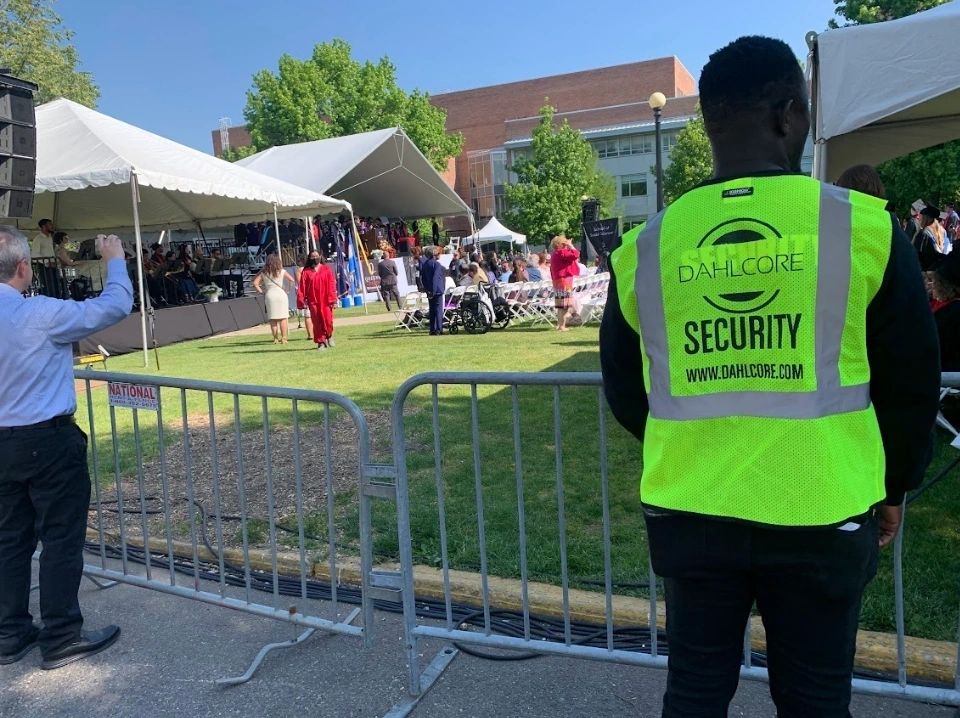
A visible security presence acts as a deterrent to criminal activities and fosters a sense of security among residents.
How Visibility Discourages Potential Threats
The presence of active security personnel acts as a powerful deterrent for criminals, as it increases the risk of being caught or confronted during unlawful activities. Visible security measures, such as patrols or stationed guards, signal to potential offenders that the area is monitored and protected, making it less appealing as a target. As a result, the likelihood of theft, vandalism, and other crimes decreases significantly in areas with a robust security presence.
Enhancing Resident Confidence
When residents observe guards patrolling, it sends a clear message that their security is being actively monitored and protected. This visible presence not only deters potential threats but also fosters a sense of comfort and peace of mind within the community. Knowing that professionals are dedicated to ensuring their well-being strengthens residents’ trust in the overall safety measures in place.
8. Conducting Security Audits and Risk Assessments
Security guards periodically evaluate the premises to identify vulnerabilities and implement preventative measures.
Identifying Vulnerable Areas
Areas with insufficient lighting or easy access points are identified as potential security risks and flagged for immediate improvement. Enhancing lighting in such locations reduces the likelihood of accidents, deters unauthorized access, and improves overall safety. Addressing these vulnerabilities also creates a more secure and welcoming environment for residents, employees, or visitors.
Implementing Preventative Measures
Guards often suggest practical measures to improve security, including the installation of surveillance cameras to monitor activity and deter potential intruders. They may also recommend reinforcing entry doors with stronger locks, steel plates, or other protective features to prevent unauthorized access. These proactive solutions not only strengthen physical barriers but also provide peace of mind by creating a more secure environment.
9. Responding to Alarms and Emergency Calls
Quick responses to alarms or emergency calls are critical for preventing escalation.
Procedures for Alarm Response
When alarms are triggered, guards promptly investigate the cause to determine if there is a legitimate threat or malfunction. Based on their findings, they take appropriate actions, such as contacting local law enforcement or emergency services to address potential security or safety concerns. If the alarm is deemed a false alert, they reset the systems and document the incident to ensure proper follow-up and avoid unnecessary disruptions.
Coordinating with Emergency Services
Collaboration with police, fire departments, or medical responders is crucial for ensuring a coordinated and timely response to emergencies. By sharing resources, expertise, and real-time information, these agencies can effectively address crises, minimize harm, and protect communities. This teamwork not only speeds up resolutions but also builds trust and improves preparedness for future incidents.
10. Writing Reports and Maintaining Records
Accurate documentation is a vital aspect of a security guard’s duties, ensuring accountability and transparency.
Incident Reports
Guards meticulously document incidents to ensure a clear and accurate record of events, including the time, location, and individuals involved. This detailed reporting highlights the actions taken to address the situation, ensuring accountability and compliance with protocols. Comprehensive incident documentation also serves as a vital resource for follow-up investigations, legal proceedings, or internal reviews, providing a reliable account of what transpired.
Daily Activity Logs
These logs serve as a comprehensive record, capturing all activities ranging from routine patrols to visitor entries, ensuring accountability and transparency in daily operations. By meticulously documenting each event, they provide a reliable reference for reviewing incidents, analyzing patterns, and optimizing operational efficiency. This clear overview supports better decision-making and enhances coordination among team members, promoting a secure and well-managed environment.
Challenges Faced by Apartment Security Guards
Security guards often face challenges such as balancing authority with approachability and adapting to the diverse needs of tenants, which can vary from guiding and enforcing rules. They must remain vigilant while demonstrating empathy and patience to foster a sense of safety and inclusivity. Maintaining professionalism in all interactions is essential for building trust within the community, as it ensures consistent communication and reinforces their role as reliable figures of authority and support.
Essential Skills for Effective Security Guards
Observation, communication, problem-solving, and conflict resolution are essential skills that enable guards to effectively manage challenging situations and ensure safety. Maintaining a high level of situational awareness allows them to identify potential risks or issues before they escalate. Staying calm under pressure and responding appropriately ensures they can handle emergencies or conflicts with professionalism, preserving order and minimizing disruption.

FAQs
What qualifications are required to become an apartment security guard?
To become an apartment security guard, candidates typically need a high school diploma, security training, and relevant certifications. Physical fitness and good communication skills are also essential.
How do security guards handle emergencies?
Security guards respond to emergencies by assessing the situation, contacting the relevant authorities, and managing the scenario until help arrives. They also assist in evacuations if necessary.
Are apartment security guards trained to use technology?
Yes, modern security guards are trained to operate surveillance systems, alarms, and other security tools. This training ensures they can monitor and respond effectively to potential threats.
What is the role of security guards in enforcing apartment rules?
Guards ensure residents and visitors follow the apartment’s rules, such as parking regulations and noise restrictions. They mediate conflicts and report violations to management.
Can security guards prevent crimes in apartments?
While no system is foolproof, the presence of vigilant security guards significantly deters criminal activities. They can identify suspicious behavior and act promptly to prevent incidents.
Why is it important to have a log of security incidents?
Incident logs provide a detailed record of events, which can be used for resolving disputes, improving security measures, or aiding law enforcement during investigations.
Conclusion
Apartment security guards play an indispensable role in creating a safe and welcoming living environment. Their varied responsibilities, from monitoring access points to resolving conflicts, ensure the smooth functioning of apartment communities. By combining vigilance with empathy, these professionals are the backbone of modern residential security.
Check other blogs
Event Security Planning: A Comprehensive Guide
Hotel Security: Success Cases – Protecting Hospitality
A Deep Dive into the Life of a Personal Protection Officer
The Essential Role of Concert Security: Insights and Experiences
