


Construction sites are vulnerable to theft, vandalism, accidents, and unauthorized access, making it crucial for contractors and project managers to prioritize construction site security. By implementing adequate security measures, construction companies can protect their assets, ensure worker safety, and minimize financial losses. This article will explore eight proven forms of construction site security that can help mitigate risks and safeguard valuable resources.
What is Construction Site Access Control?
Construction site access control refers to the systems and measures implemented to manage and monitor the entry and exit of personnel and vehicles at a construction site. The primary goal of access control is to ensure safety and security by restricting access to authorized individuals only. This system helps prevent theft, vandalism, and unauthorized entry, which could lead to accidents or disrupt construction activities. Effective access control is one part of a broader construction site security strategy.
The Components of Physical Access Control in Construction
Physical access control in construction typically involves several key components:
- Gates and Barriers: These are installed at entry points to control vehicular and pedestrian traffic.
- Turnstiles and Door Locks: These are used to manage individual access within specific areas of the site.
- ID Cards and Badges: Issued to authorized personnel to facilitate quick identification and access.
- Biometric Systems: These might include fingerprint or facial recognition technologies for enhanced security.
- Surveillance Equipment: CCTV cameras and motion detectors to monitor and record activities around the site.
- Alarms and Lighting: To deter unauthorized access and ensure safety during off-hours.
1. Physical Barriers and Fencing
One of the fundamental security measures for construction sites is the installation of physical barriers and fencing. These barriers act as a deterrent to unauthorized individuals, preventing them from gaining easy access to the site. Physical obstacles include chain-link fences, concrete walls, and barricades. These structures not only restrict entry but also serve as a visible indication that the site is secure.
2. Surveillance Systems
Surveillance systems play a crucial role in construction site security. With technological advancements, various types of surveillance cameras are available, including fixed, pan-tilt-zoom (PTZ), and thermal cameras. These cameras can be strategically positioned to provide comprehensive coverage of the site. Surveillance systems enable real-time monitoring and recording of activities, identifying potential security threats and facilitating post-incident investigations.

3. Access Control Measures
Access control measures are vital to ensure that only authorized personnel can enter the construction site. This can be achieved through access control cards, biometric systems, or keypads. By limiting access to specific areas and maintaining an electronic record of entries and exits, construction companies can enhance security and reduce the risk of theft or unauthorized entry.
4. Lighting and Alarm Systems
Proper lighting is essential to deter intruders and improve site visibility during nighttime hours. Illuminating key areas such as entry points, storage, and parking lots can discourage unauthorized access. Additionally, installing alarm systems that detect movement or breaches in restricted areas can alert security personnel and help prevent potential security incidents.
5. Security Personnel
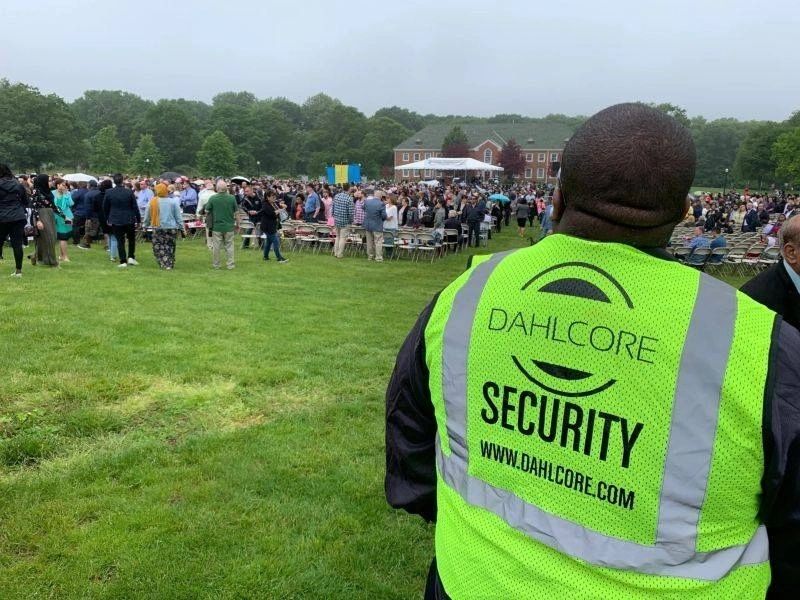
Having trained security personnel present at the construction site provides an extra layer of protection. Security guards can perform regular patrols, monitor surveillance systems, verify identification, and respond to emergencies. Hiring qualified and experienced security staff and providing them with adequate training ensures they are equipped to handle security-related issues effectively.
6. Equipment Tracking and GPS Technology
Construction equipment is a valuable asset that needs to be protected. By using tracking systems and GPS technology, construction companies can monitor the location and movement of equipment in real time. This helps prevent theft and facilitates recovery in case of theft or misplacement. GPS technology also enables efficient asset management by optimizing equipment utilization and reducing downtime.
7. Remote Monitoring and Mobile Apps
Remote monitoring systems and mobile apps have revolutionized construction site security. These tools allow project managers and security personnel to monitor the site remotely, receive real-time alerts, and access surveillance footage from anywhere. Mobile apps provide additional functionality, such as geofencing and push notifications, enabling immediate action in response to security incidents.
8. Cybersecurity Measures
In today’s digital age, construction sites are vulnerable to physical and cyber threats. Construction companies must implement robust cybersecurity measures to protect their networks, sensitive data, and communication systems. This includes regular software updates, strong passwords, encryption, and employee training to recognize and mitigate cyber risks.
By integrating these eight proven forms of construction site security, contractors and project managers can establish a comprehensive security framework. It is essential to regularly check and update security protocols as construction projects progress and new risks emerge. Prioritizing site security protects the project’s success and indicates a commitment to the safety and well-being of workers and stakeholders.

Considerations for Construction Site Access Control that Doesn’t Get in the Way
Implementing an effective construction site access control system requires balancing security with practicality. Considerations include:
- Minimizing Disruption: The system should allow for smooth entry and exit to avoid bottlenecks.
- User-Friendly Technology: Ensure the technology is easy for all workers to use, regardless of their tech skills.
- Integration with Other Systems: Access control should work seamlessly with time tracking and payroll systems.
- Scalability: The system should be able to grow and adapt as the construction project evolves.
- Emergency Protocols: Ensure that the system allows for quick evacuation or entry by emergency personnel when needed.
Efficiency Tips for Implementing Construction Site Access Control
To ensure your access control system is both effective and efficient, consider the following tips:
- Automate Where Possible: Automate systems for checking in and out to reduce manual errors and speed up processes.
- Regular Updates and Maintenance: Keep your system updated with the latest software and regularly check hardware for issues.
- Train Your Staff: Ensure all staff members are trained on how to use the access control systems effectively.
- Use Mobile Access Control: Implement mobile solutions where staff can use their smartphones to access controlled areas.
- Review and Iterate: Regularly review the system’s effectiveness and make adjustments as necessary.
How to Set Up Your Construction Site Access Control System
Setting up a construction site access control system involves several steps:
- Assess Your Needs: Based on your site’s size, location, and number of workers, determine what type of access control system is most suitable.
- Choose the Right Technology: Select the technology that best fits your needs (e.g., ID cards, biometrics).
- Install the Necessary Equipment: This includes gates, turnstiles, cameras, and any other physical hardware.
- Implement Software Solutions: Set up the software that will run your access control system, ensuring it integrates with other used systems.
- Train Personnel: Educate all employees on how to use the system effectively to ensure smooth operations.
- Monitor and Adjust: Continuously monitor the system’s performance and make adjustments as needed to improve efficiency and security.
FAQs
How does construction site security contribute to project success?
Construction site security helps protect valuable assets, ensures worker safety, and minimizes financial losses due to theft, vandalism, or accidents. Implementing adequate security measures allows construction projects to proceed smoothly and avoid costly setbacks.
What are some common challenges faced in construction site security?
Common challenges include unauthorized access, theft of equipment and materials, vandalism, worker safety concerns, and the necessity to comply with legal and regulatory requirements. Implementing comprehensive security measures addresses these challenges.
Are there any legal implications for inadequate construction site security?
Yes, insufficient construction site security can have legal implications. Failure to meet security requirements may lead to penalties, legal disputes, and potential liabilities in case of accidents or security breaches.
How can technology enhance construction site security?
Technology solutions such as surveillance systems, access control measures, equipment tracking, and remote monitoring provide real-time visibility, rapid response capabilities, and data-driven insights to improve construction site security.
What role does cybersecurity play in construction site security?
Cybersecurity is crucial in protecting construction site networks, data, and communication systems from cyber threats. It involves implementing robust measures such as software updates, encryption, and employee training to mitigate cyber risks.
Conclusion
Construction site security is paramount in safeguarding valuable assets, ensuring worker safety, and minimizing financial losses. Construction companies can significantly reduce the risk of theft, vandalism, and unauthorized access by implementing physical barriers, surveillance systems, access control measures, lighting, and alarm systems, and employing security personnel. Technology solutions such as equipment tracking, remote monitoring, and cybersecurity measures further enhance construction site security. Prioritizing comprehensive security measures throughout the project lifecycle demonstrates a commitment to safety, risk management, and the success of construction projects.
Check other blogs
What Security Guards Can and Can’t Do: Duties & Boundaries
The Art of Theft Prevention: Strategies for Dispensary Security
Cannabis Security Consultants: Unveiling Essential Insights
Cemetery Security Guard: Why Cemeteries Need Protections
