

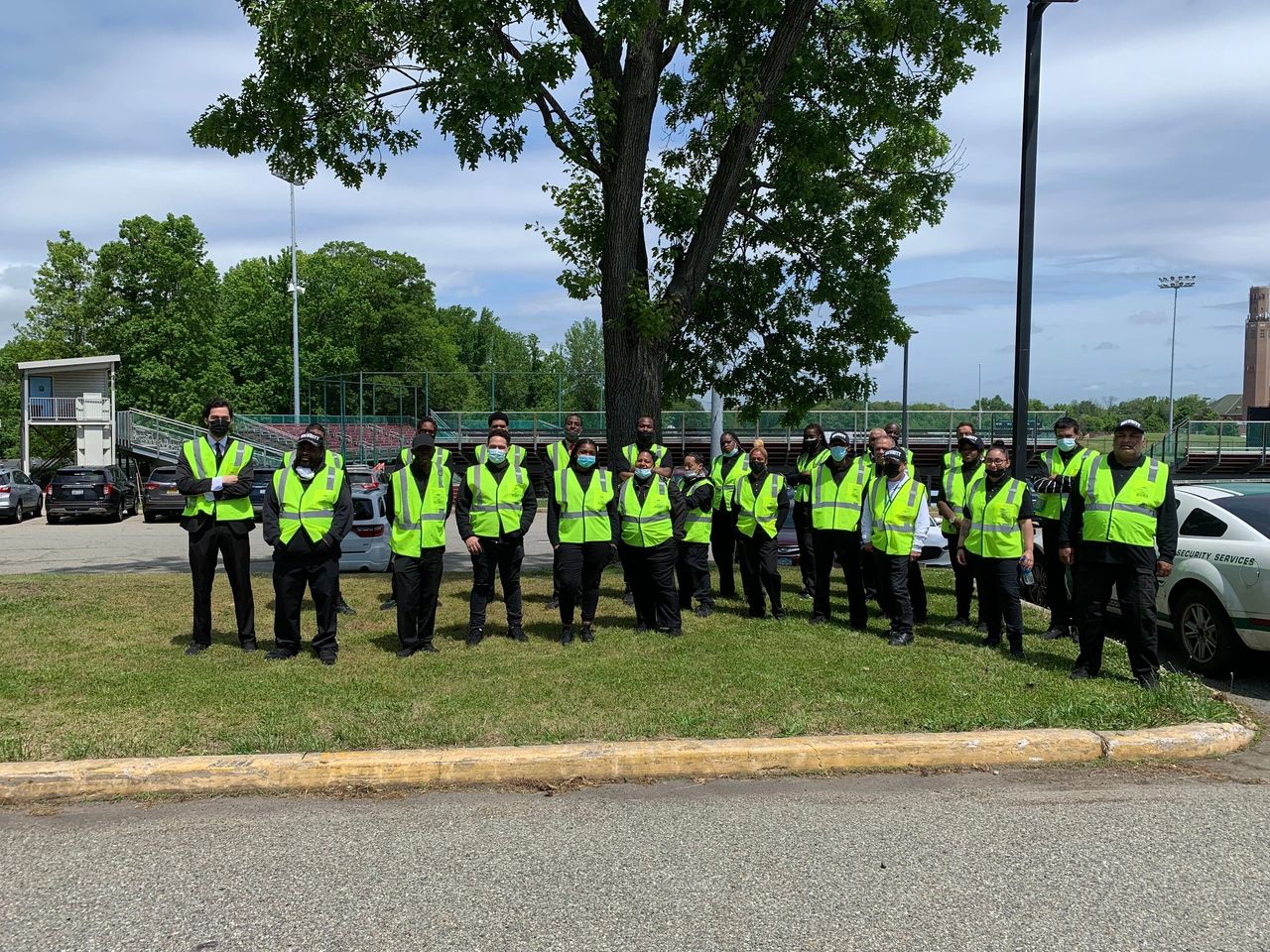
In the ever-evolving construction landscape, site security emerges as a paramount concern. Each site, with its distinctive characteristics and vulnerabilities, demands a bespoke approach to security. This comprehensive guide delves into Adapting Security Strategies for Different Types of Construction Sites, offering insights and actionable strategies to fortify your projects against a myriad of risks.
Construction sites buzzing with activity are hubs of high value, not just in terms of the physical structures being erected but also concerning the equipment and materials on site. The importance of implementing robust security measures cannot be overstated. It safeguards against theft, vandalism, and unauthorized access, which could lead to costly delays, damage, or even compromise worker safety. This guide aims to navigate through the maze of security challenges unique to different construction environments, from bustling urban centers to secluded, remote areas.
How to Enhance Security in a Construction Site
Enhancing security in a construction site involves several strategic steps to protect both materials and personnel. Initially, installing surveillance cameras at key entry points and vulnerable areas can provide real-time monitoring and deter potential theft or vandalism. Additionally, employing security personnel to patrol the site, especially after hours, ensures constant vigilance. Implementing strict access controls with ID badges and electronic gates helps manage who enters or exits the site, reducing unauthorized access. Another effective measure is the use of bright lighting to illuminate the site during non-working hours, which can significantly deter criminal activities. Finally, keeping a detailed inventory of all equipment and materials and regularly auditing this list can help quickly identify if anything goes missing, enhancing overall site security.
Understanding Different Types of Construction Sites
Residential Construction Sites
Residential construction sites, spanning from single-family dwellings to expansive apartment complexes, harbor an array of materials and tools enticing thieves. Situated in densely populated areas, these sites face heightened vulnerability to unauthorized entry and vandalism, necessitating stringent security measures to safeguard assets and maintain project integrity.
Commercial Construction Sites
In commercial construction, ensuring robust security measures is paramount due to the scale of projects such as offices, retail stores, and hotels, which attract higher foot traffic and house valuable equipment. Implementing effective security protocols not only safeguards costly assets but also fosters a secure environment for both workers and visitors, promoting productivity and peace of mind throughout the construction process.
Industrial Construction Sites
Industrial sites encompass a diverse range of facilities, such as factories, warehouses, and plants, where heavy machinery operates alongside large-scale materials and potentially hazardous substances. These environments demand specialized security protocols tailored to mitigate safety hazards, prevent theft, and safeguard against industrial accidents, necessitating stringent surveillance systems, access controls, and employee training programs.
Infrastructure Construction Sites
Infrastructure projects, encompassing roads, bridges, and utilities, traverse expansive territories and serve as vital arteries for public welfare. Given their exposed nature and the inherent value of construction materials, safeguarding these sprawling perimeters necessitates the implementation of comprehensive security strategies to deter theft and ensure uninterrupted progress.

Adapting Security Strategies for Residential Construction Sites
Securing Perimeter Fencing
Robust fencing not only serves as a physical barrier to deter unauthorized access but also acts as a formidable deterrent against potential intruders, bolstering overall site security. Its presence establishes a clear boundary, signaling to would-be trespassers the seriousness of security measures in place and significantly reduces the likelihood of breaches or unauthorized entry.
Implementing Surveillance Cameras
Surveillance cameras play a crucial role in maintaining security by continuously monitoring activities in real time, thereby acting as a deterrent to potential thieves and intruders. Additionally, their ability to capture footage serves as valuable evidence in the event of criminal activities, aiding law enforcement in investigations and ensuring justice is served.
Utilizing Security Patrols
Regular patrols by security personnel serve as a visible deterrent to potential criminals, discouraging illicit activities and promoting a sense of safety among occupants. Additionally, these patrols enable swift responses to any incidents that may occur, allowing for timely intervention and maintenance of a secure environment on the site.
Securing Entrances and Exits
Controlling access points involves implementing security measures such as keycard access systems, biometric scanners, or security guards stationed at entrances. By restricting access, organizations can mitigate security risks and protect sensitive information, safeguarding both their assets and personnel.
Adapting Security Strategies for Commercial Construction Sites
Employing Access Control Systems
Access control systems are designed to restrict and monitor entry to specific locations, employing various technologies such as key cards, biometric scanners, or PIN codes. By effectively managing the flow of individuals, these systems enhance security measures by preventing unauthorized access and providing a detailed record of entry and exit activities for monitoring and analysis purposes.
Installing Motion Sensors and Alarms
Motion sensors are sophisticated devices designed to detect any movement within a designated area, triggering alarms when unauthorized activity is detected. This instantaneous alert system enables security personnel to respond to potential breaches swiftly, enhancing the overall security of the monitored premises.
How Will You Ensure the Safety of a Construction Site
Ensuring the safety of a construction site requires comprehensive planning and adherence to safety protocols. First, conducting regular safety training sessions for all employees helps instill a culture of safety and informs them about potential hazards. Secondly, it’s crucial to ensure that all safety equipment, like hard hats, safety goggles, and harnesses, are used properly and are in good condition. Erecting clear signage around the site can alert workers to hazards and enforce safety zones. Regularly inspecting machinery and equipment for any faults and performing necessary maintenance prevents accidents caused by equipment failure. Lastly, having a clear emergency response plan that includes medical kits, fire extinguishers, and evacuation routes ensures preparedness for any incident.

Implementing Visitor Management Protocols
A formal visitor management system provides a structured process for registering and monitoring visitors, thereby creating a comprehensive record of who enters and exits a premises. This not only minimizes the potential for unauthorized access but also facilitates better security measures by enabling tracking and verification of visitor identities.
Conducting Regular Security Assessments
Regular assessments play a crucial role in the continuous improvement of security measures by pinpointing weaknesses and potential entry points for attackers. This proactive approach enables organizations to adapt and reinforce their defenses in response to emerging threats, ensuring a more robust and resilient security posture over time.
Adapting Security Strategies for Industrial Construction Sites
Deploying Specialized Security Personnel
Security staff with experience in industrial settings possess specialized knowledge of the unique risks inherent to such environments, including potential hazards related to machinery, chemicals, and large-scale operations. Their expertise enables them to implement tailored surveillance measures and develop rapid response protocols, ensuring the safety and security of personnel and assets within industrial facilities.
Implementing Strict Access Control Measures
Implementing stricter access control measures not only limits entry and exit to authorized personnel, thus minimizing the likelihood of theft and sabotage but also enhances overall security protocols, bolstering the protection of valuable assets and confidential information within site. This proactive approach not only mitigates potential risks but also instills a sense of confidence among stakeholders regarding the site’s safety and integrity.
Incorporating Advanced Surveillance Technology
Advanced technologies like thermal imaging and license plate recognition systems offer unparalleled capabilities for detecting unauthorized activity by providing real-time surveillance and identification of potential threats. By seamlessly integrating these technologies into security systems, organizations can significantly enhance their ability to monitor and respond to security breaches, ultimately improving overall safety and asset protection.
Conducting Regular Safety and Security Drills
Drills are essential for personnel as they simulate real-life scenarios, providing valuable practice in executing protocols and procedures swiftly and accurately during security breaches or safety incidents. Through regular drills, individuals can familiarize themselves with response protocols, enhancing their ability to maintain composure and act decisively in high-pressure situations, ultimately bolstering overall preparedness and minimizing potential risks.

Adapting Security Strategies for Infrastructure Construction Sites
Coordinating with Local Law Enforcement
Collaborating with local authorities allows for the pooling of resources, expertise, and intelligence, resulting in a more comprehensive approach to security. This partnership enables a coordinated and swift response to incidents, maximizing the effectiveness of security measures and ensuring the safety of communities.
Implementing Perimeter Security Barriers
Physical barriers, such as fences, walls, or gates, provide a tangible deterrent against unauthorized access across large project areas by creating a clear boundary and restricting entry points. These barriers not only safeguard valuable assets from potential threats but also serve as a visible reminder of security measures, enhancing overall protection and control of the site.
Conducting Background Checks for Personnel
Screening employees and contractors is vital to safeguarding a site’s integrity and security by mitigating potential risks associated with unauthorized access or malicious intent. By thoroughly vetting individuals before granting access, organizations can maintain a secure environment, protect sensitive information, and minimize the likelihood of security breaches or insider threats.
Establishing Emergency Response Protocols
Clear protocols serve as a structured framework, guiding personnel through step-by-step procedures in the event of a security incident, promoting efficient decision-making, and reducing the risk of errors. By establishing predetermined roles and communication channels, these protocols facilitate seamless coordination among response teams, enabling them to swiftly address threats while prioritizing the safety of the individuals involved.
Training and Education for Construction Site Personnel
Providing Security Awareness Training
Training programs serve as vital tools in educating workers and staff on identifying and mitigating potential security threats, instilling a sense of responsibility and vigilance within the workplace environment. By fostering awareness and providing practical knowledge, these initiatives empower individuals to contribute actively to the organization’s overall security posture, enhancing its resilience against various risks and vulnerabilities.

Ensuring Adherence to Security Protocols
Regular training sessions provide opportunities for personnel to familiarize themselves with security protocols, reinforcing their understanding and proficiency in adhering to established measures. Clear communication of these protocols fosters a shared understanding among all personnel, minimizing confusion and enhancing overall compliance with security standards.
Promoting a Culture of Safety and Security
By fostering a culture that prioritizes safety and security, organizations instill a mindset where employees are empowered to identify potential risks and take preemptive actions to mitigate them. This proactive approach not only decreases the likelihood of incidents but also strengthens overall site security by creating a vigilant workforce that actively participates in safeguarding the environment.
Implementing Technology in Security
The integration of drones and IoT devices into construction site security provides a multifaceted approach to monitoring and safeguarding assets. Drones offer unparalleled aerial surveillance, allowing for efficient monitoring of vast areas and quick identification of potential security breaches. Meanwhile, IoT devices enable real-time tracking of materials and equipment, enhancing inventory management and enabling swift response to theft or unauthorized access. By leveraging these technologies together, construction companies can significantly improve their security posture, mitigating risks and safeguarding valuable assets more effectively than ever before.
Regulatory Compliance and Best Practices
Adhering to both local and international security standards serves as a foundational pillar in safeguarding sensitive data and mitigating potential risks. By aligning with recognized standards, organizations not only fulfill legal obligations but also establish a structured approach to security planning, fostering a culture of resilience and preparedness. Regular benchmarking against industry leaders and staying updated on regulatory shifts enable proactive adjustments, ensuring that security measures remain robust and adaptable in the face of evolving threats.
How Secure Are Construction Sites
The security level of construction sites can vary widely based on the measures implemented by management. In general, sites equipped with advanced surveillance systems, including cameras and motion detectors, are more secure against external threats. Comprehensive training programs for security staff and construction workers enhance the site’s overall security by promoting awareness and quick responses to potential breaches. However, construction sites without adequate perimeter fencing, poor lighting, and lack of robust access control systems are often less secure and more susceptible to theft and vandalism. Ensuring high security requires ongoing evaluation of security practices and continuous improvement to address new challenges as they arise.
Insights on Construction Site Security
When it comes to enhancing construction site security, leveraging insights from authoritative sources ensures your strategies are well-informed and effective. The Occupational Safety and Health Administration (OSHA) provides comprehensive guidelines on maintaining workplace safety, including security measures tailored to construction environments OSHA’s Construction Safety Guidelines. Additionally, the National Institute of Standards and Technology (NIST) offers valuable resources on implementing advanced security technologies and risk management practices NIST’s Risk Management Framework.
By incorporating recommendations from these trusted government organizations, construction professionals can align their security protocols with industry best practices, safeguarding sites against theft, vandalism, and other risks.

FAQs
What are common security challenges on construction sites?
Common security challenges include theft of materials and equipment, vandalism, unauthorized access, and safety risks to personnel due to inadequate surveillance and access control measures.
How can technology improve construction site security?
Technology, such as surveillance drones and IoT devices, enhances construction site security by providing real-time monitoring, improving surveillance coverage, and enabling swift incident response.
What role does the local community play in construction site security?
The local community acts as an extra set of eyes, offering vigilance and reporting suspicious activities, thereby aiding in the prevention of unauthorized access and potential theft.
How can security be maintained on temporary construction sites?
Security on temporary sites can be maintained through mobile surveillance systems, temporary barriers, and rapid deployment security measures tailored to the changing needs of the site.
What are the best practices for training staff on security protocols?
Best practices include regular training sessions, clear communication of security protocols, and encouraging staff to report suspicious activities promptly.
How can construction sites ensure compliance with security regulations?
Compliance can be ensured by staying updated with local and international security standards, implementing recommended security measures, and conducting regular audits to identify and rectify compliance gaps.
Conclusion
In conclusion, adapting security strategies to suit the unique needs of different types of construction sites is not just beneficial; it’s essential for the smooth operation and successful completion of construction projects. By understanding the specific challenges each site faces and implementing tailored security measures, construction professionals can safeguard their sites, assets, and personnel against a wide array of risks. As the construction industry continues to evolve, so too will the approaches to securing these vital workplaces, ensuring they remain resilient against both current and emerging threats.
Explore our other blog posts here
Preventing and Managing Theft in Hotel Settings
Secure Your Super Yacht: Essential Safety Measures
