

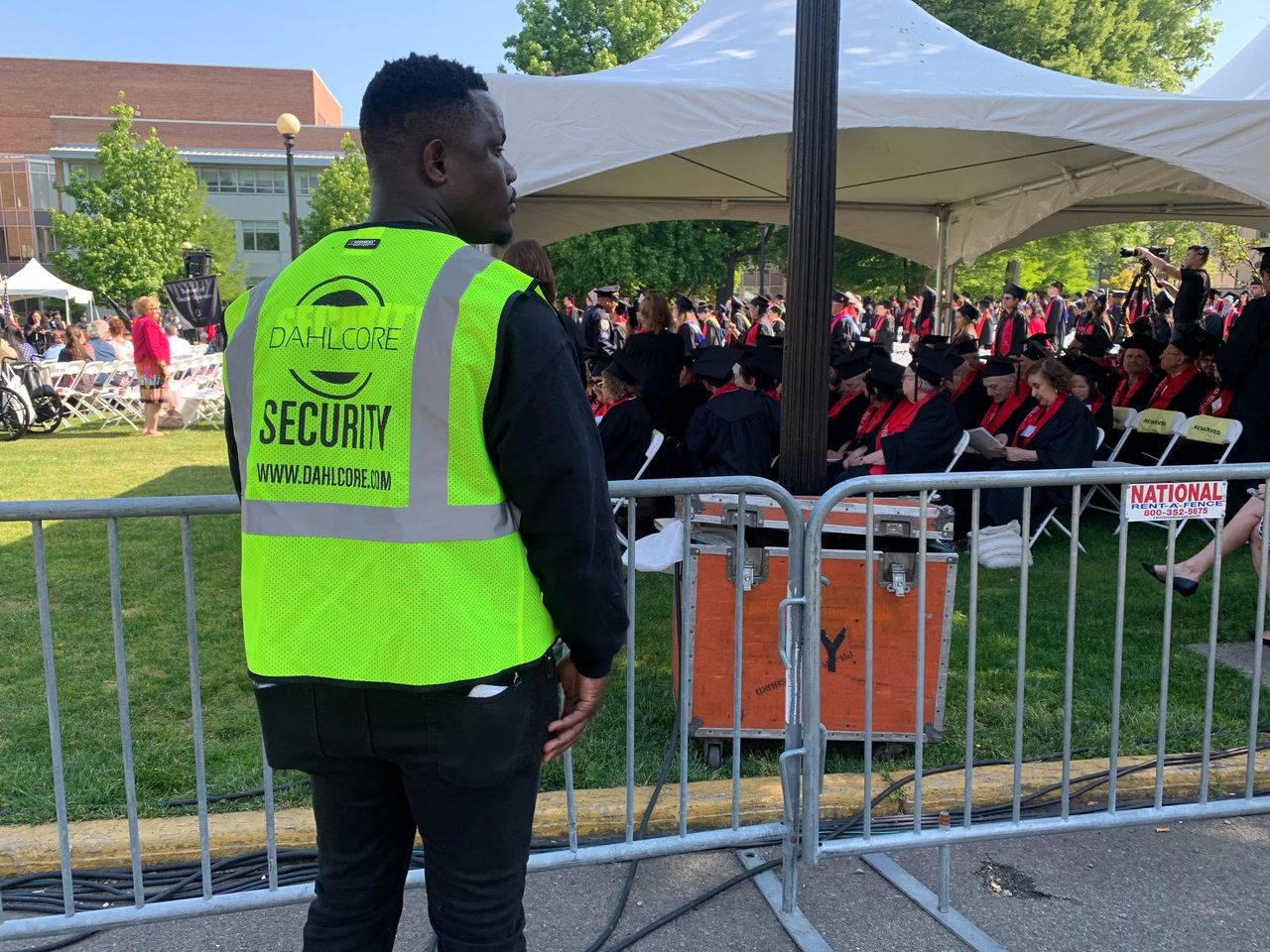
Security guard post orders in New York are written directions that define a guard’s duties, responsibilities, and procedures at a specific site such as a Manhattan office tower, a Brooklyn residential high‑rise, or a Queens warehouse. They describe what the guard does from the moment they start their shift until they clock out, including access control, patrols, documentation, and emergency response. These post orders are tailored to the building and the borough so they match real‑world conditions like crowd flow, nearby subway stops, and local risks.
Well‑written New York post orders make sure guards know exactly what “good performance” looks like on that post. Instead of relying on memory or assumptions, each guard follows the same written standard, which reduces confusion and mistakes. For property managers and owners, this also makes it easier to train new guards and keep security consistent, no matter who is on duty. In a city as busy as New York, clear post orders are one of the simplest ways to keep security organized and accountable.
Why New York Properties Need Security Guard Post Orders
New York properties face unique challenges: dense foot traffic, mixed‑use buildings, high‑rise fire risks, after‑hours deliveries, and events that can bring sudden surges of people. Without clear post orders, guards may react differently to the same situation, which can cause gaps in safety and service. Post orders give each guard a clear plan for normal days and stressful moments alike, from a crowd at the lobby desk to a fire alarm on a high floor.
For owners and managers, security guard post orders also support liability protection and insurance expectations. When something goes wrong, you can show that guards had written instructions and that your building had a documented security program. This helps during audits, client reviews, or legal questions because it proves the building took reasonable steps to protect people and property. Post orders also create a foundation you can improve over time as your New York site changes. In New York, the Security Guard Act (Article 7‑A) provides the legal framework for employing and regulating security guards.
Key Elements of New York Security Guard Post Orders
Strong New York security guard post orders are clear, concise, and practical. They should be written in simple language that any licensed guard can understand, even if it’s their first day at the site. For reference, standard New York security guard training materials also highlight duties, patrols, and emergency response expectations. Each section should focus on one topic, such as patrol routes, emergency actions, or visitor handling, so guards can find what they need fast. For New York buildings, adding borough and neighborhood context helps post orders feel grounded in the real environment.
At a minimum, your New York post orders should include: a post overview, mission and objectives, required uniform and equipment, daily duties, patrol procedures, access control rules, emergency procedures, incident reporting, communication protocols, site rules, special instructions, documentation standards, review and update process, and an acknowledgment section. When all of these pieces work together, you have a complete guide that supports safety, customer service, and compliance. That’s what turns a basic guard position into a reliable security post.
Example: Core Elements vs. New York Focus
Post overview
- New York–specific focus example: Full address with borough and cross streets, building nickname, type (office, residential, etc.)
Duties and responsibilities
- New York–specific focus example: Lobby control during rush hour, package room security, elevator management for peak periods
Patrol procedures
- New York–specific focus example: Stairwells, roof access, garage, perimeter sidewalks, nearby subway entrances
Emergency procedures
- New York–specific focus example: Fire alarms, medical calls, active threats, coordination with FDNY and NYPD
Reporting and communication
- New York–specific focus example: Daily Activity Reports, incident logs, 911 calls, supervisor and management notifications
How To Write Security Guard Post Orders in New York
To write effective security guard post orders in New York, start by understanding your building and its risks. Walk the property, including lobbies, stairwells, garages, rooftops, loading docks, and any outdoor areas. Talk with building management, engineering, and your security provider about common issues: late‑night deliveries, unruly visitors, elevator problems, or crowding on certain days. This discovery step helps you write orders that match what actually happens on site.
Next, structure the document into clear sections with headings that match how guards think on the job, such as “Daily Duties,” “Patrols,” and “Emergency Procedures.” Use short, direct sentences that tell the guard exactly what to do, like “Check the package room every 30 minutes” instead of “Watch packages.” Avoid jargon and long paragraphs that slow people down when they’re under pressure. Finally, review the draft with your New York security team and management, then adjust it to match your building’s policies and contracts.
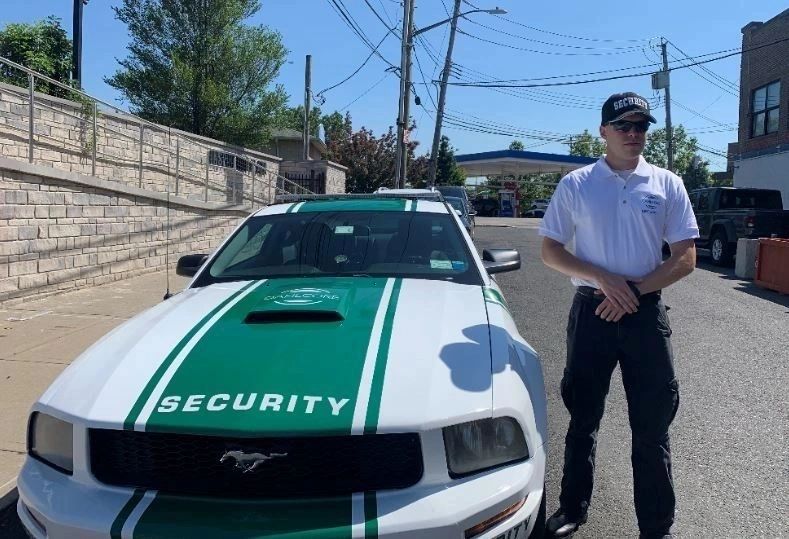
Step‑By‑Step: How To Create New York Security Guard Post Orders
- Assess New York–specific risks for your property
Look at your borough, neighborhood, building type, and tenants. Consider nearby subways, late‑night businesses, schools, or event venues and how they affect your building’s risk profile. - Define guard duties and patrols for NYC operations
List each post (lobby, garage, loading dock, exterior) and write down exactly what the guard must do, how often, and in what sequence. Include patrol routes that cover all critical areas. - Document emergency procedures for NYPD and FDNY coordination
Write clear steps for fire alarms, medical emergencies, threats, and severe weather, including when to call 911, how to guide first responders, and where to meet them. These procedures should fit within New York’s broader public safety and security framework. - Standardize reporting and logs
Decide what your guards must record in Daily Activity Reports, incident reports, and patrol logs. Set expectations for detail, timing, and how long you keep records for your New York property. - Train New York–licensed security guards and refine the orders
Walk your guards through the post orders on site, run scenario‑based drills, and ask for feedback. Adjust the document when you see confusion or gaps so it matches real operations.
New York–Focused Security Guard post Orders Template
Use this template as a starting point for your New York security guard post orders. Replace the bracketed text with details for your specific NYC property and security provider.
Post Overview: New York Property
- Site name and address: [e.g., Madison Plaza, 123 Madison Ave, New York, NY 10016].
- Borough and neighborhood: [e.g., Midtown Manhattan, Downtown Brooklyn].
- Post name/number: [Lobby Post 1, Loading Dock Post, Garage Post].
- Shift times: [e.g., 0700–1500 / 1500–2300 / 2300–0700].
- Security company: [Company name].
- Building management contacts: [Property manager, assistant manager, phone/email].
- Security supervisor: [Name, phone, radio channel].
Mission and Objectives for This New York Post
- Primary purpose: protect tenants, visitors, and property; control access; and deter theft, vandalism, and disorder in a busy New York City environment.
- Key priorities: life safety, property protection, maintaining order during peak times, and quick escalation of emergencies to management and, when required, 911.
Uniform, Equipment, and Check‑In
- Uniform: New York State–licensed guard ID visible at all times, approved company uniform, reflective gear for exterior posts during low light.
- Equipment: radio, keys and access cards, flashlight, phone or tablet, notepad, and any required PPE.
- Check‑in: report to [security office or lobby], sign in on the roster, pick up keys and radio, review any memos or new instructions, and verify your assignment.
Daily Duties and Responsibilities in NYC Buildings
- Control access at [lobby/entrance] by checking tenant badges, visitor passes, and pre‑approved visitor lists.
- Greet tenants and visitors professionally and direct them to the proper elevators or offices.
- Monitor CCTV for entrances, stairwells, elevators, loading docks, package rooms, and other critical areas.
- Record all notable activity in the Daily Activity Report (DAR), including patrols, deliveries, contractor work, and incidents.
Opening and Closing Procedures For New York Sites
- Opening: coordinate with building staff to unlock designated doors and gates, disarm alarms where authorized, and sweep the lobby and key floors for safety or security issues.
- Close: confirm visitors and non‑essential personnel have exited, verify after‑hours access lists with tenant reps, secure all doors and gates, and confirm alarm status where applicable.
- Document any tenants, contractors, or vendors remaining after normal hours, including floor, company, and expected departure time.
Patrol Procedures (Interior and Exterior in New York)
- Patrol areas: [lobby, stairwells, elevator lobbies, mechanical rooms, roof access, loading dock, garage, perimeter sidewalks].
- Patrol frequency: [e.g., every 60 minutes; high‑risk areas like garages or roof doors every 30 minutes].
- Suggested route: follow the established path (e.g., Lobby → Elevators → Floors 2–10 stairwells → Roof access → Garage → Perimeter sidewalks).
- Look for: unsecured doors, hazards, loitering, unauthorized persons, vandalism, leaks, or any condition that affects life safety or building operations.
Access Control Rules for New York Tenants, Visitors, and Vendors
- Tenants: present valid building ID or credential; after‑hours access checked against an authorized list from tenant management.
- Visitors: sign in, show valid photo ID where required, and receive a visitor badge; escorts may be required depending on building policy.
- Vendors and contractors: verify work orders, confirm with building management, enforce PPE rules if applicable, and limit access to approved areas only.
- Restricted areas: IT rooms, mechanical rooms, roof access, data centers, and high‑value or regulated tenant spaces; deny access unless explicitly authorized and document any exceptions.

Emergency Procedures in New York Security Guard Post Orders
- Fire or fire alarm
- Activate the fire alarm if not already sounding and notify building management and the security supervisor.
- Call 911, clearly stating the building address, borough, nearest cross streets, floor, and nature of the emergency.
- Direct occupants toward stairwells and designated assembly areas, keeping elevators clear for FDNY if they request it.
- Meet FDNY at the designated entrance, provide keys and elevator cards, and share relevant incident details.
- Medical emergency
- Call 911 immediately and provide the location (floor, room, area) and a basic description of the injury or illness.
- Notify building management and the security supervisor.
- Provide basic assistance within your training and company policy, protect the scene, and guide EMS to the patient.
- Security threat, active assailant, or bomb threat
- Follow the building’s emergency plan for lockdown, shelter‑in‑place, or evacuation.
- Call 911 and give specific information about the threat, including descriptions, weapons, and direction of travel if safe to observe.
- Do not attempt to disarm suspects; prioritize life safety, maintain situational awareness, and relay accurate information to NYPD.
Incident Response and Reporting in NYC
- Reportable incidents: disturbances, threats, disorderly conduct, theft, vandalism, trespassing, loitering, accidents, and safety hazards.
- Immediate reporting: notify your security supervisor and building management by radio or phone; call NYPD, FDNY, or EMS via 911 when required.
- Written reports: complete detailed incident reports as soon as possible, including who, what, when, where, why (if known), and how, plus witness details and relevant camera locations.
- Record retention: follow company and building policies for storing reports and logbooks for future reference.
Communication Protocols and Contacts in New York
- Radio channels: [Channel 1 – security, Channel 2 – engineering, Channel 3 – management].
- Internal contacts: security supervisor, property manager, assistant manager, engineer on duty, cleaning supervisor.
- External contacts: local NYPD precinct, nearby FDNY firehouse if applicable, non‑emergency 311, and emergency 911.
- Escalation order: supervisor → property manager → ownership or corporate security, unless an immediate 911 call is needed.
Site Rules and Customer Service
- Enforce building rules on smoking, deliveries, visitor conduct, photography, and noise, consistent with posted policies and management instructions.
- Provide professional, courteous service to tenants, guests, and vendors while maintaining appropriate security boundaries.
- Use de‑escalation techniques to handle disputes or conflicts and call for backup when behavior escalates beyond verbal control.
Special Instructions For This New York Property
- High‑risk areas: [e.g., cannabis dispensary tenant, jewelry showroom, financial trading floor, data center].
- Nearby risks: subway entrances, bars or clubs, schools, stadiums, arenas, or public plazas that may affect crowds or traffic.
- Regular events: tenant move‑ins/outs, building fire drills, parades, street fairs, or seasonal events that change access or patrol patterns.
Documentation and Logs
- Daily Activity Report: record time‑stamped patrols, visitor flows, contractor activities, and any irregular events.
- Patrol logs: track each patrol, including time, route, and findings, using any guard tour system provided.
- Key and equipment logs: document key check‑out/check‑in and condition of radios, flashlights, and other gear at the start and end of each shift.
- Shift handover: brief the incoming guard about ongoing issues, special instructions, and incidents that occurred during the shift.
Review and Updates
- Review these New York security guard post orders at least once a year or after any significant incident, renovation, major tenant change, or policy update.
- Guards and supervisors should recommend improvements whenever they see gaps, confusion, or recurring issues, and management should update and redistribute the post orders as needed.
Acknowledgment
- Guard name: ___________________________
- Signature: _____________________________
- Date: __________________________________
FAQs About Security Guard Post Orders in New York
What are security guard post orders in New York?
Security guard post orders in New York are written instructions that explain exactly what licensed guards must do at a specific post, including duties, patrols, access control, emergency response, and reporting. They are customized to the building, borough, and risk profile so guards can perform consistently across shifts.
How detailed should New York security guard post orders be?
New York security guard post orders should be detailed enough that any trained guard can follow them without guesswork, even on their first shift. They need to clearly describe routes, frequency of patrols, who to call in different situations, and how to handle common problems in NYC buildings, from crowding to elevator issues.
Who writes security guard post orders for NYC buildings?
Security guard post orders for NYC buildings are usually written by the security company or in‑house security director in collaboration with property management and building engineering. In many cases, owners, risk consultants, or insurance partners also provide input so the post orders support liability, compliance, and business needs.
Do New York State regulations affect security guard post orders?
New York State guard licensing and training rules don’t dictate exact wording for post orders, but they do shape expectations for what guards should know and do. When you create New York security guard post orders, they should support those training standards by covering communication, emergency procedures, situational awareness, and proper use of authority.
How often should New York post orders be updated?
New York post orders should be reviewed at least annually, and sooner if there’s a serious incident, renovation, new major tenant, or change in hours or usage. Regular updates keep them aligned with how your NYC property really operates and help guards stay ready for evolving risks.
What emergencies must New York security guard post orders cover?
New York security guard post orders should cover fire alarms, medical emergencies, active threats, suspicious packages, bomb threats, severe weather, and major utility failures. They should outline how to call 911, coordinate with NYPD and FDNY, guide occupants safely, and document what happened for management and investigators.
Explore our other blog posts here
Can a Security Guard Detain, Search, or Handcuff You?
Fire Safety Director NYC: License, Classes, Duties, and Salary
How Much Does a Security Guard Cost in NY/NJ? (Hourly Rates)
