

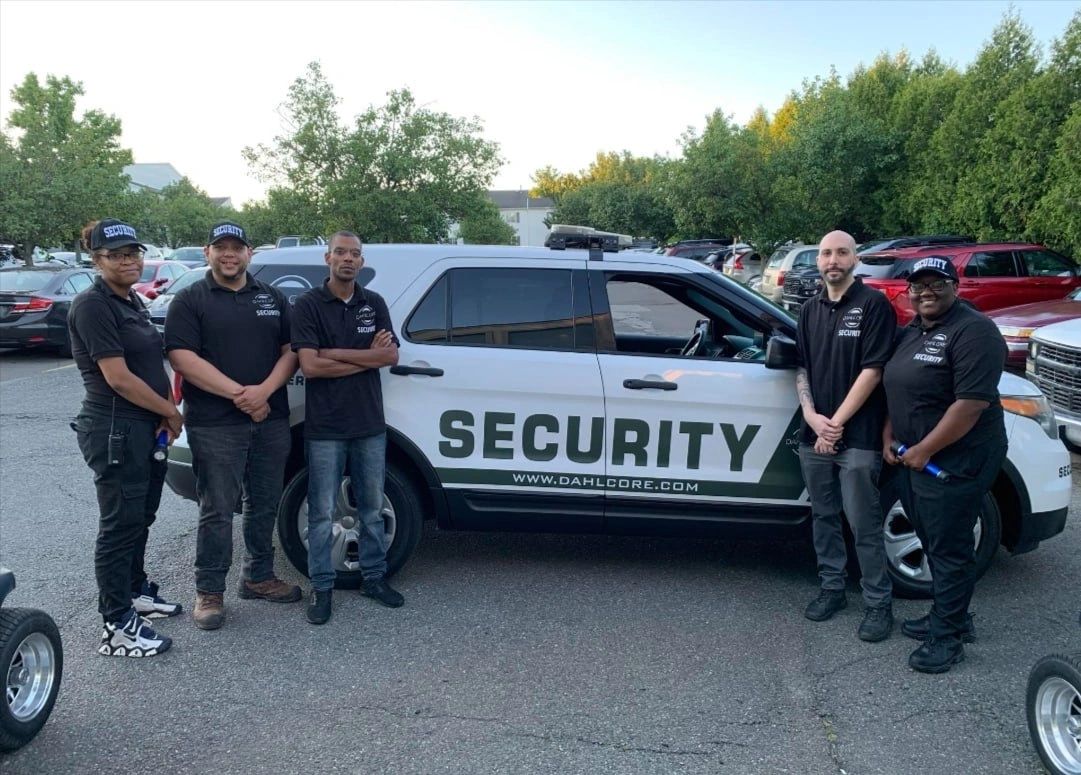
What Does It Take To Start A Security Company In NY/NJ?
To start a security company in NY/NJ, you need to choose your services, secure the right licenses in each state, carry proper insurance, and follow a clear setup checklist before deploying a single guard. You’re entering a growing industry with steady demand from New York and New Jersey businesses, residential communities, and event venues across NYC, Long Island, Newark, and Jersey City.
Because NY and NJ are heavily regulated, you can’t just open shop and send guards to posts—you must comply with strict state licensing, training, and insurance rules. In this guide, you’ll see each part broken down into simple steps, from deciding your business model to handling SORA in New Jersey and Watch, Guard, or Patrol Agency licensing in New York. By the end, you’ll know exactly how to take your security company from idea to first contract in the Tri‑State area.
How Strong Is The Private Security Market In NY And NJ?
The private security market in NY and NJ is strong and still growing, driven by crime concerns, dense urban development, and continuous event activity. Businesses in New York City, North Jersey, and surrounding suburbs rely on private security for everything from lobby access control to overnight construction site protection.
In NYC, high‑rise office buildings, hotels, luxury condos, and special events frequently contract guard services, while upstate New York leans more toward industrial, warehouse, and critical‑infrastructure security. In New Jersey, security companies often protect logistics centers near the Turnpike, hospitals, malls, schools, and expanding residential communities in places like Newark, Jersey City, and Hoboken. If you niche down—for example, construction site security in Brooklyn and Jersey City or retail loss‑prevention patrols along Route 4 and Route 17—you can stand out faster and charge higher, more stable rates. If you plan to offer high‑end executive security services in New Jersey, focus on corporate offices, VIP residential buildings, and high‑value logistics hubs in Newark, Jersey City, and Hoboken.
What Security Business Model And Services Should You Choose?
Choosing your business model is one of the most important early decisions when you start a security company in NY/NJ. Some owners focus on unarmed guards for concierge desks, residential lobbies, and retail stores, which can be simpler and less costly to insure. Others specialize in armed security for higher‑risk environments like cash‑handling sites, high‑value logistics, or executive protection details.
You can also build a mobile‑first company with marked patrol vehicles, alarm response, and drive‑by checks in neighborhoods across Brooklyn, Queens, Staten Island, Long Island, and North Jersey. Consider bundling traditional guard services with technology such as camera monitoring, remote video tours, or access control support. Many 2026 clients want a hybrid model—cameras plus a periodic patrol or on‑site guard—because it feels more comprehensive and can be more cost‑effective. Start with a core service you can deliver well, then layer in specialties like event security or VIP protection as you gain experience.
How Do You Register A Security Business In New York And New Jersey?
To legally trade and sign contracts, you must first register your security business in at least one of the two states. Most security entrepreneurs choose an LLC or corporation to separate personal assets from potential security‑related claims and lawsuits. After selecting your structure, you’ll obtain an Employer Identification Number (EIN) from the IRS and then register your company with either the New York Department of State or the New Jersey Division of Revenue, depending on your home base.
If you plan to serve clients on both sides of the Hudson River, you’ll typically form in your primary state (for example, New York) and then register as a foreign entity in the other state (New Jersey) when you start taking contracts there. Local jurisdictions—New York City, Newark, and Jersey City—may require general business licenses, office occupancy permits, or signage approvals for your marked patrol vehicles. Make sure your business name is available and does not imply that you are a government or law enforcement agency if you are a private firm.
What Are The New York Security Company Licensing Requirements?
In New York, you generally need a Watch, Guard, or Patrol Agency license from the New York State Department of State if you provide security guards to clients. To qualify as the agency principal, you must meet age requirements, have acceptable experience (often law enforcement or supervisory security experience), and pass the Watch, Guard, or Patrol Agency exam within the state’s required timeframe.
On a practical level, the process usually includes completing the agency application, disclosing residence and employment history, providing character references, undergoing fingerprinting and background checks, filing a surety bond, and showing proof of liability insurance. If you operate in New York City or nearby areas like Brooklyn, Queens, the Bronx, or Staten Island, every guard you deploy must also hold an individual New York security guard license. Large commercial buildings and sensitive facilities may impose additional vendor requirements, so being fully licensed and insured is essential to win those contracts.
What Are The New Jersey Security Company Licensing Requirements?
New Jersey regulates security companies and officers under the Security Officer Registration Act (SORA), administered by the New Jersey State Police. To run a security officer company in New Jersey, you must obtain a security officer company license, meet age and experience requirements, and pass criminal history checks. Owners or operators are typically required to have at least five years of law enforcement or comparable supervisory experience with a licensed security officer company.
The application process includes detailed business and personal information, fingerprinting, background checks, and proof that owners are no longer employed by law enforcement agencies. New Jersey also requires a security agency license bond—commonly a 5,000 surety bond—and ongoing compliance with state regulations. If you intend to offer services in cities like Newark, Jersey City, Paterson, or Trenton, proper SORA licensing for both your company and your officers is crucial for passing client due diligence checks and responding to RFPs.

What Guard Licensing And Training Do NY And NJ Require?
Even after your agency is approved, individual guards must hold the correct personal licenses in each state. In New York, anyone providing security guard services—such as controlling building access, monitoring CCTV, or patrolling a property—must have a New York security guard license from the Department of State. That usually involves an 8‑hour pre‑assignment course, fingerprinting, a state application, and recurring in‑service training, such as an annual refresher.
In New Jersey, SORA requires security officers to complete state‑approved SORA training, pass background checks, and register with the New Jersey State Police. As an employer operating in metro areas like NYC and North Jersey, you should track the license status and training dates of every officer so nobody is assigned to a post with an expired credential. If you plan to offer armed services—whether in Manhattan, Brooklyn, or Newark—you’ll add firearms qualifications, permits, and stricter requalification timelines on top of the basic guard licenses.
What Insurance Does A NY/NJ Security Company Need?
A security company in NY/NJ must carry robust insurance to protect against claims and to satisfy state licensing and client requirements. At a minimum, you’ll need general liability insurance for bodily injury and property damage, workers’ compensation if you have employees, and commercial auto if you operate patrol vehicles. Many firms also carry umbrella or excess liability and professional liability coverage, especially when they serve high‑risk sites or large commercial contracts.
In New York, agencies that employ guards must meet specific minimum liability limits—often at least six‑figure coverage per occurrence and higher aggregate totals—though many brokers recommend 1 million per occurrence and 2 million aggregate or more. In New Jersey, you’ll combine your liability insurance with the required surety bond to complete your security officer company licensing. When operating across multiple jurisdictions like NYC, Long Island, Newark, and Jersey City, working with an insurance broker who understands regional security risk can help you balance coverage with affordability.
Which Core Company Policies And SOPs Should You Create?
Clear policies and Standard Operating Procedures (SOPs) are the backbone of a professional security company. You’ll want written policies covering use of force, incident reporting, citizen detentions, searches, interactions with law enforcement, and escalation levels. These documents guide your guards’ decisions on posts in New York and New Jersey and help protect your agency if a complaint or lawsuit arises.
Every client site should have its own post orders that break down daily duties: opening and closing procedures, patrol routes, checkpoint scans, visitor screening, alarm responses, and emergency contacts. You’ll also need policies for uniforms and grooming, radio communications, cell‑phone use on post, and disciplinary procedures. As you expand from a handful of sites in Brooklyn or Newark to a portfolio spread across the Tri‑State area, consistent, enforced SOPs keep quality, safety, and legal compliance under control.
How Should You Handle Hiring, HR, And Background Checks?
Hiring the right people is critical to your reputation when you start a security company in NY/NJ. Define a clear profile for your guards: professional appearance, punctuality, strong communication, and the ability to stand, observe, and write concise reports for long shifts. Make sure applicants are eligible for the required New York security guard or New Jersey SORA registrations before investing in onboarding.
Run compliant background checks that align with state and federal laws. These may include criminal record checks, employment verification, and driving records for patrol roles. Many firms in NY and NJ also use pre‑employment drug screening, especially for armed posts or sensitive environments like hospitals and schools. Once hired, give each new guard an employee handbook, have them sign acknowledgment of your policies, and provide structured onboarding that covers both company standards and the specific expectations at local posts—from Manhattan high‑rises to suburban New Jersey communities.
How Do You Set Up Operations, Scheduling, And Field Supervision?
Operating a security company in New York and New Jersey means managing complex schedules, last‑minute call‑outs, and heavy traffic between sites. Invest in a guard management or workforce scheduling platform that lets you assign posts, track time and attendance, manage time‑off requests, and quickly plug gaps when a guard calls out. This is especially important if you cover multiple boroughs, Long Island, and North Jersey locations, where travel time affects shift planning.
Field supervision is just as important as scheduling. Many successful NY/NJ security firms deploy roving supervisors to conduct site inspections, verify uniforms and equipment, review logbooks, and coach guards on customer service. Supervisors also respond to incidents that exceed a single officer’s authority. With multiple sites spread between NYC, Newark, and surrounding communities, reliable communication tools—two‑way radios, mobile phones, and incident‑reporting apps—ensure your leadership stays connected to what’s happening on the ground.
What Technology, Equipment, And Reporting Systems Should You Use?
Modern clients in New York and New Jersey expect proof of value, not just a guard at a desk. Guard tour systems that use QR codes, NFC tags, or GPS checkpoints show where guards have patrolled and when. Incident reporting software lets officers quickly log and escalate issues, send real‑time alerts to property managers, and create professional PDF reports for sites in Manhattan high‑rises or Newark industrial parks.
Equip your teams with reliable two‑way radios, flashlights, and possibly body cameras if your policies and local laws support their use. Provide uniforms that match your brand and project trust, whether in corporate lobbies or on construction sites in Brooklyn, Queens, or Jersey City. For vehicle patrols, consider dash cameras and GPS tracking to verify patrol routes and protect against false claims. The right mix of hardware and software demonstrates accountability and makes your company more attractive in RFPs and vendor comparisons.

How Should You Price, Structure Contracts, And Target Profit Margins?
Pricing your services correctly is crucial when you start a security company in NY/NJ: licensing, insurance, policies, and setup checklist are only half the story—your numbers must work. You’ll typically charge an hourly bill rate per guard that covers wages, payroll taxes, workers’ compensation, insurance, uniforms, equipment, supervision, and profit. Because wages and costs are higher in NYC and North Jersey than in many other regions, your bill rates will also need to be higher to maintain healthy margins.
Aim to build a realistic gross margin by calculating your fully burdened hourly cost and then adding an appropriate markup—often 25–40%, depending on risk and service type. Your contracts should define the scope of work, guard type (armed/unarmed), hours per week, minimum terms, notice periods, rate‑increase mechanisms, and liability and indemnification clauses. Make sure you clearly cover holidays, special events, and emergency call‑outs, which often require premium rates in markets like Manhattan, Brooklyn, Newark, and Jersey City.
How Can You Market Your New Security Company In NY And NJ?
Marketing is where your compliant, well‑structured company becomes visible to the right local buyers. Start with a professional website that clearly states your services, target industries (residential, commercial security, construction, events), and service areas such as New York City, Long Island, Westchester, Newark, Jersey City, and surrounding North Jersey communities. Optimize your pages for phrases like “start a security company in NY/NJ,” “security guard company in New York City,” and “New Jersey security guard services” so search engines and AI tools understand your relevance.
Create and optimize your Google Business Profile for each primary office location, and encourage clients to leave honest reviews. Use local content—blog posts or guides about security considerations in NYC buildings, NJ construction sites, or Tri‑State events—to position yourself as the go‑to expert. Offline, build relationships with property managers, construction firms, HOAs, schools, and event planners. Attending local business associations and security or facilities‑management events helps you meet decision‑makers who award ongoing contracts and RFPs.
What Is The Step‑by‑Step Setup Checklist For NY/NJ Security Startups?
Here’s a practical checklist you can use as you start a security company in NY/NJ: licensing, insurance, policies, and setup checklist all in one place.
Step 1
- Task: Define services and target niches
- Notes: Decide unarmed vs armed, patrol, events, residential, commercial, etc.
Step 2
- Task: Choose business name and structure
- Notes: Confirm name availability in NY/NJ; form LLC or corporation.
Step 3
- Task: Get EIN and register with state
- Notes: Obtain EIN, register with NY DOS or NJ Division of Revenue.
Step 4
- Task: Open business bank account
- Notes: Separate personal and business finances from day one.
Step 5
- Task: Meet owner eligibility requirements
- Notes: Ensure age and experience requirements for NY and NJ principals are met.
Step 6
- Task: Complete required exams and training
- Notes: Pass New York Watch, Guard, or Patrol exam and complete SORA prerequisites.
Step 7
- Task: Apply for agency licenses
- Notes: File for NY Watch, Guard, or Patrol Agency license and NJ security officer company license.
Step 8
- Task: Obtain surety bonds
- Notes: Secure required agency license bonds for each state.
Step 9
- Task: Secure insurance coverage
- Notes: Purchase general liability, workers’ comp, auto, and umbrella if needed.
Step 10
- Task: Build core policies and SOPs
- Notes: Create use‑of‑force guidelines, incident reporting, and post orders.
Step 11
- Task: Set up HR and hiring processes
- Notes: Define hiring profiles, background checks, and onboarding workflows.
Step 12
- Task: Implement guard management tech
- Notes: Add scheduling, guard tours, and incident‑reporting tools.
Step 13
- Task: Develop pricing and contract templates
- Notes: Calculate bill rates, margins, and draft strong service agreements.
Step 14
- Task: Launch website and local SEO
- Notes: Optimize for NY/NJ keywords and set up Google Business Profile.
Step 15
- Task: Start selling and onboarding clients
- Notes: Prospect, respond to RFPs, perform site surveys, and launch posts.
You can adapt this checklist whether you launch from New York into New Jersey, from New Jersey into New York, or simultaneously across the broader Tri‑State market.

FAQs
What licenses do I need to start a security company in NY/NJ: licensing, insurance, policies, and setup checklist-wise?
In New York, you usually need a Watch, Guard, or Patrol Agency license plus individual New York security guard licenses for your officers. In New Jersey, you’ll need a SORA‑regulated security officer company license and SORA registration and training for each officer.
How long does it take to start a security company in NY/NJ: licensing, insurance, policies, and setup checklist included?
Timelines vary, but expect several weeks to a few months to handle exams, fingerprinting, background checks, bonds, insurance, and agency approvals in both states. You can speed things up by preparing all required documentation, experience records, and business registrations in advance.
How much does insurance cost when I start a security company in NY/NJ: licensing, insurance, policies, and setup checklist?
Insurance costs depend on your services, locations, and risk level, but most NY/NJ security companies carry at least 1 million per occurrence in liability, plus workers’ comp and other coverage. Higher‑risk services like armed posts or nightlife venues in NYC or North Jersey can increase premiums.
Can I run a security company in both New York and New Jersey with one license?
No. You need to meet each state’s licensing requirements separately: a New York Watch, Guard, or Patrol Agency license to operate in NY and a SORA‑regulated security officer company license to operate in NJ. If you serve both sides of the Hudson, make sure your company and guards are licensed in both states.
Do I need law enforcement experience to start a security company in NY/NJ: licensing, insurance, policies, and setup checklist?
New Jersey’s SORA framework expects owners or operators to have several years of law enforcement or comparable supervisory security experience to qualify. New York expects principals to meet experience and exam requirements, but doesn’t require every owner to be a former police officer as long as state criteria are met.
What are the common mistakes when people start a security company in NY/NJ: licensing, insurance, policies, and setup checklist?
Common mistakes include underinsuring the business, misclassifying guards as independent contractors, failing to track license and training expiration dates, and using weak contracts without clear indemnification or rate‑increase terms. Others skip formal SOPs or rely on messy, handwritten logs instead of reliable reporting tools, which hurts compliance and client trust.
Can I run my NY/NJ security company from home at first?
Many small security startups begin with a home‑based administrative office while they build their first contracts, then move into commercial space later. Check local zoning rules in your city or county—especially in New York City or North Jersey—and remember that your registered business address and licensing requirements still need to be satisfied.
What is the first step if I want to launch in New York City or Newark?
The first step is to decide your core services and target clients—such as residential buildings, construction sites, or retail—and then form your legal entity. Right after that, start the licensing process (NY Watch, Guard, or Patrol Agency or NJ SORA company license) so it runs in parallel with your planning and marketing.
Conclusion: How Do You Launch a Compliant Security Company In NY And NJ?
Launching a compliant, profitable security company in New York and New Jersey starts with understanding each state’s licensing, insurance, policies, and setup checklist requirements. When you start a security company in NY/NJ, taking the time to meet agency licensing rules, train and license your guards properly, secure strong insurance, and document your policies pays off in fewer surprises and stronger client confidence.
Once the foundations are set, you can focus on marketing, niche positioning, and building long‑term contracts across NYC, Long Island, Newark, Jersey City, and surrounding communities. With the right structure and systems, your company can grow from a single contract to a respected regional player in the Tri‑State security market.
Explore our other blog posts here
Armed Security Guard Pay in NY/NJ: What Impacts Wages
