

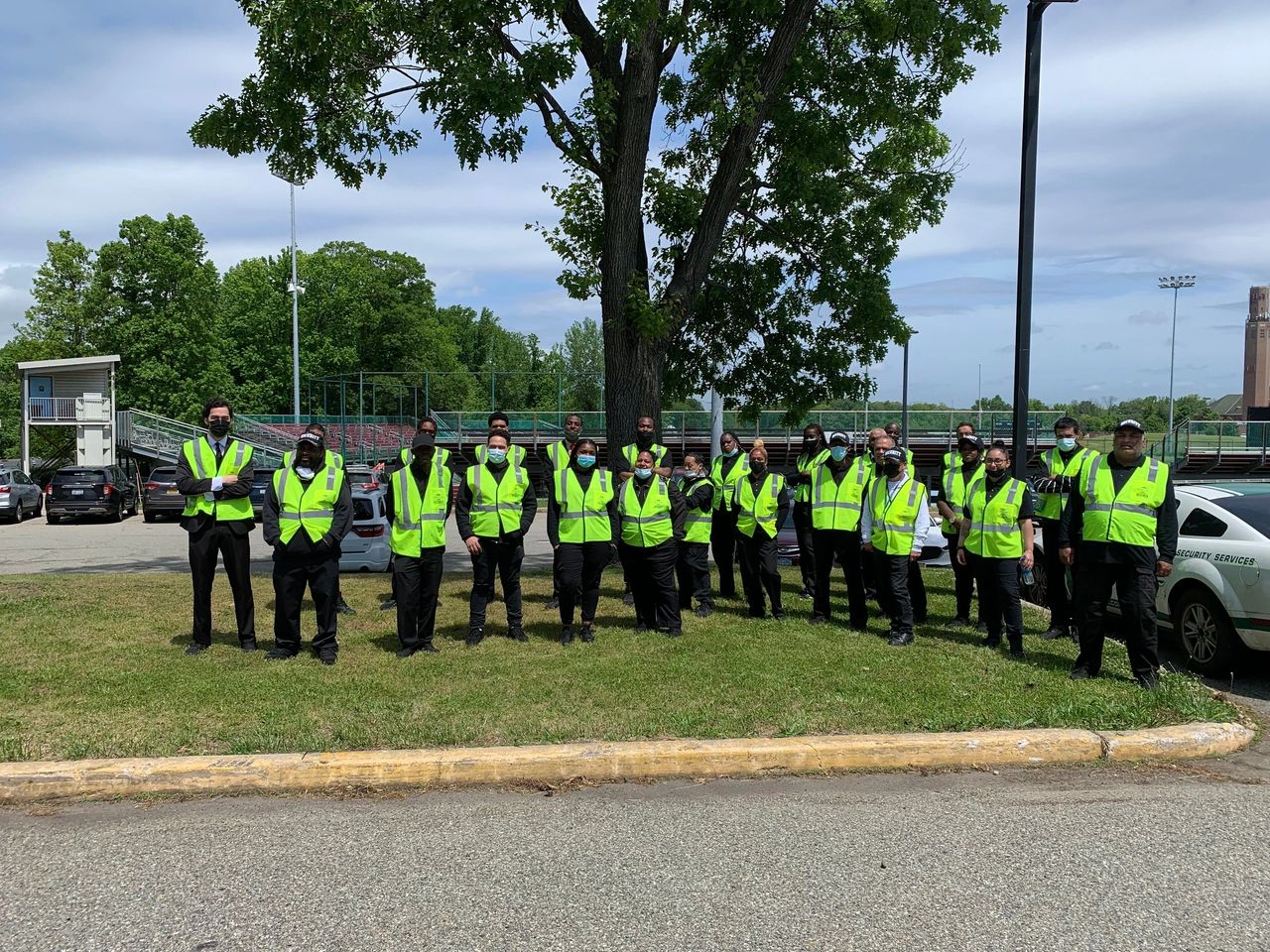
A NY Armed Security Guard License is an add‑on registration that lets a New York security guard legally carry a handgun while on duty at approved posts, once they meet state eligibility, pistol permit, and firearms training requirements as of 2026. New York’s Department of State (DOS) registers security guards, while the Division of Criminal Justice Services (DCJS) oversees guard and firearms training under Article 7‑A of the General Business Law.
NY Armed Security Guard License
If you want to work higher‑pay security posts in New York, getting a NY Armed Security Guard License is one of the biggest upgrades you can make to your career. This license is a special status on top of your regular guard registration that allows you to carry a handgun while you’re on duty, under strict state and local rules.
In New York State, all guards—armed and unarmed—must register with the DOS and follow Article 7‑A of the General Business Law. To be “armed,” you need an extra armed registration card plus a valid New York pistol permit and a long firearms course approved by DCJS. The whole system is designed to be sure only trained, screened people carry guns while working security jobs across New York City, Long Island, and upstate counties like Westchester and Erie.
Basic Eligibility Requirements for NY Armed Guards
Before you even think about carrying a gun for work, you have to qualify as a regular security guard in New York and then meet the extra armed‑guard criteria. The state checks a few basic things:
- You must be at least 18 years old.
- You need to be a U.S. citizen or have legal permission to work in the U.S.
- You must pass state and federal background checks with fingerprinting through an approved vendor.
- You can’t have certain serious criminal convictions that would block you from holding a guard card or a pistol permit.
On top of that, you’ll submit an application to the DOS, pay fees, and show proof that you completed your first training class—the 8‑hour pre‑assignment course. Only after this base layer is in place can you move toward the NY Armed Security Guard License and required firearms training.
Unarmed vs Armed Security Guard in New York
Unarmed and armed guards in New York share some duties, but their training, risk level, and pay can be very different. Unarmed guards focus on observing, reporting, controlling access, and deterring problems mainly through presence and communication. Armed guards do all of that plus protect people, cash, and property at higher‑risk sites where a firearm is part of the security plan.
Here’s a quick look at how they stack up:
Core registration
- Unarmed security guard: DOS security guard registration.
- NY Armed Security Guard License holder: Same DOS registration plus an armed security guard license endorsement in NY.
Key training
- Unarmed security guard: 8‑hr pre‑assignment, 16‑hr OJT, 8‑hr annual.
- NY Armed Security Guard License holder: All unarmed courses plus 47‑hr firearms and 8‑hr annual firearms.
Typical worksites
- Unarmed security guard: Offices, lobbies, residential buildings.
- NY Armed Security Guard License holder: Armored cars, banks, high‑value retail, some events.
Risk level
- Unarmed security guard: Lower physical risk, more customer contact.
- NY Armed Security Guard License holder: Higher risk, tighter legal rules, greater responsibility.
Pay (general trend)
- Unarmed security guard: Lower hourly rate.
- NY Armed Security Guard License holder: Higher hourly rate due to added skills and liability.
Many guards start unarmed to learn the basics, then upgrade to armed once they’re comfortable with the job and ready for more responsibility.
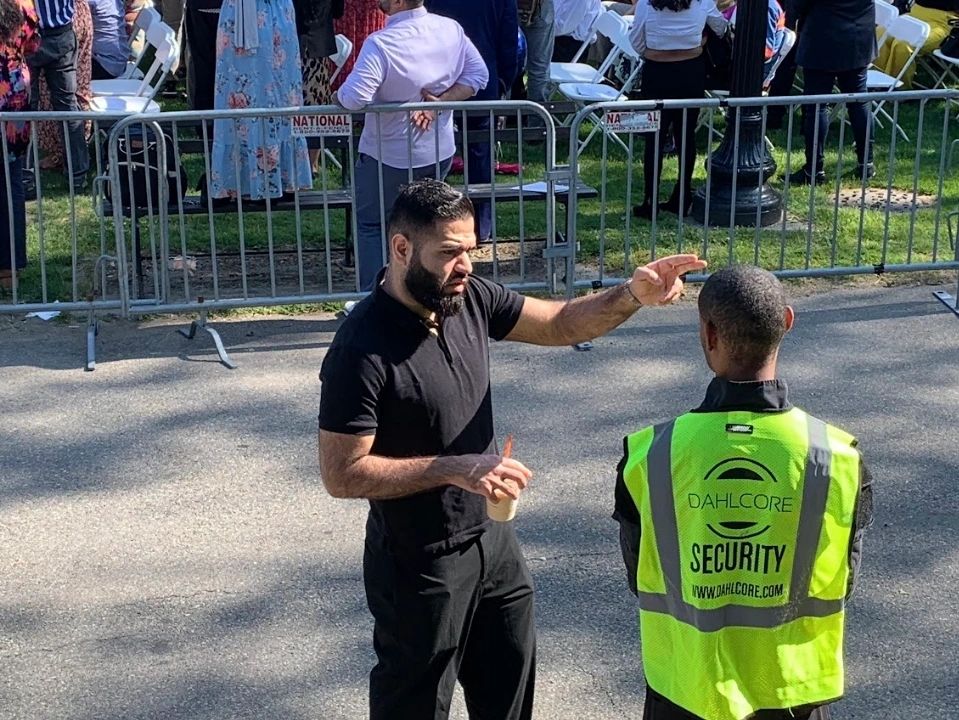
How to get a NY Armed Security Guard License (Step‑By‑Step)
Let’s walk through the journey from having no license at all to holding a NY Armed Security Guard License in an easy, step‑by‑step way. You can think of this as your roadmap.
Step 1: Meet General NY Security Guard Requirements
First, you have to be eligible to become any kind of security guard in New York. That means:
- You meet the age and work‑status rules.
- You have a clean enough record to pass fingerprint‑based background checks.
- You’re ready to complete required courses from DCJS‑approved schools.
You’ll schedule fingerprints through a state‑approved vendor and keep the receipt, which you need for your DOS application. Missing or wrong information on the forms is one of the most common reasons people see delays, so double‑check every detail before you submit.
Step 2: Complete Unarmed Security Guard Training
New York requires specific training before you can get your first security guard registration card. The core pieces are:
- 8‑hour Pre‑Assignment Course: Intro class you must finish before applying; it covers the role of a guard, legal basics, emergencies, and ethics.
- 16‑hour On‑The‑Job Training (OJT): Must be completed within 90 days after you start working as a guard, focused on your actual site duties.
- 8‑hour Annual In‑Service: A refresher you take every year to keep your license active.
Once you pass the pre‑assignment class, you send the certificate, your application form, fingerprint receipt, ID, and fee to the DOS. When approved, you get your unarmed guard card, which you must carry while working anywhere in New York State.
Step 3: Apply for Your NYS Pistol Permit
Next, you need a New York State pistol permit before you can take the 47‑hour firearms course for the NY Armed Security Guard License. This step happens at the county level (or through the NYPD in New York City), so the process and wait time vary.
Typically, you’ll:
- Fill out a detailed pistol license application.
- Provide references, photos, and proof of residence.
- Go through another background review and sometimes an interview or local safety course.
Some counties move fairly quickly, while busy areas like NYC, Kings County, and the Hudson Valley can take many months. During that period, you can keep working as an unarmed guard and finishing other training, but you can’t start the armed firearms course without a valid permit.
Step 4: Enroll in the 47‑hour Firearms Training Course
Once you have your unarmed registration card and pistol permit, you’re ready for the big piece of training: the 47‑hour firearms course required for the NY Armed Security Guard License. This class must be taken at a DCJS‑approved school.
The course usually includes:
- 7 hours of classroom instruction on New York Penal Law Article 35 (use of force and deadly force), your legal duties, and when you can and cannot fire.
- 40 hours of range work covering safe gun handling, marksmanship, loading and unloading, dealing with malfunctions, and live‑fire drills.
- Written and practical exams you have to pass to show you understand the law and can safely use a handgun.
Training centers in NYC, Long Island, and upstate often run this class in multi‑day blocks or over several weekends. Many offer package deals that combine unarmed and armed training for people planning their whole pathway from the start.
Step 5: Submit the NY Armed Security Guard License Upgrade Application
After you pass the 47‑hour course, your school will give you a certificate you need for the armed upgrade. To finish the licensing process, you’ll:
- Have your employer complete or sign the armed upgrade section or a related form showing they plan to use you as an armed guard.
- Attach copies of your security guard card, pistol permit, and firearms course certificate.
- Include a passport‑style photo and any waiver letters if you’re a retired officer using training credits.
- Pay the required fee and submit everything to the DOS, often through their online “become a security guard” portal.
After processing, the state issues a special armed guard registration card. You must carry this whenever you’re working an armed post; the regular card alone is not enough.
What “Armed” Really Means Under New York Law
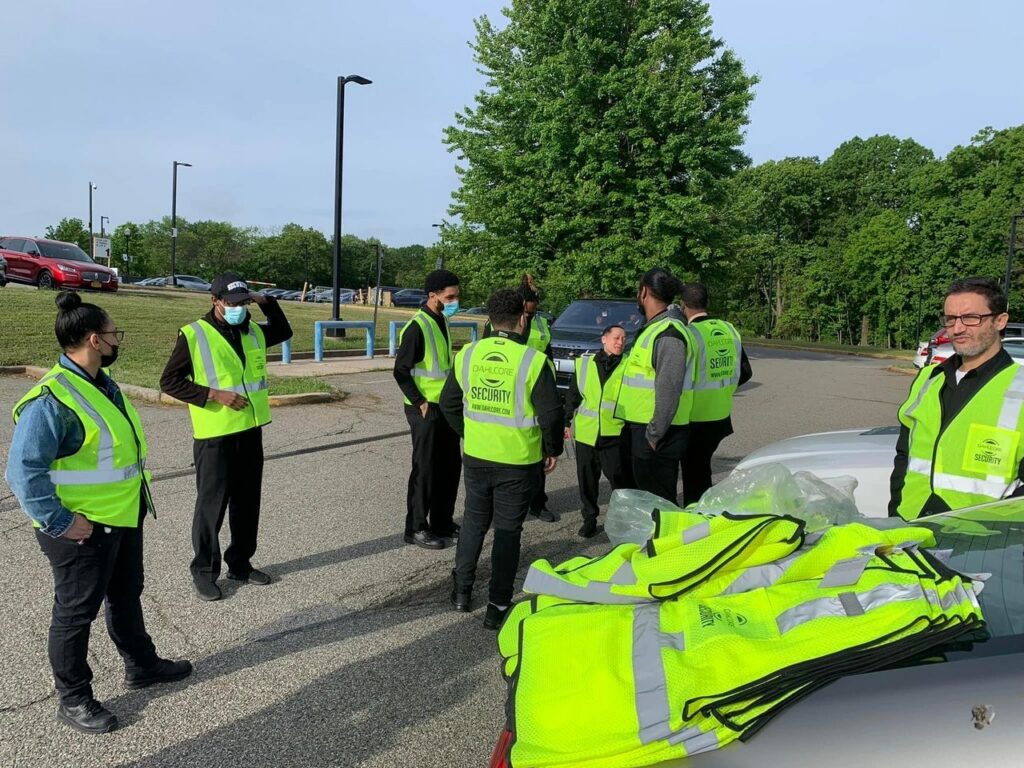
In everyday talk, “armed” just sounds like “has a gun,” but for a NY Armed Security Guard License, it has a much tighter meaning. When you’re on duty with that license, you’re allowed to carry a firearm only as part of your assigned security job, and only in places and times that match your employer’s instructions and state law.
It doesn’t make you a police officer, and it doesn’t give you unlimited carry rights all over New York. You still have to follow New York’s rules on sensitive or restricted locations, and you must obey any extra policies from your employer or the property you’re protecting. If the job or site doesn’t allow firearms, the fact that you’re an armed guard doesn’t override that.
On‑Duty vs Off‑Duty Carry for NY Armed Security Guards
A common confusion is what happens when you clock out. Your NY Armed Security Guard License only covers you while you’re working as a guard; once you’re off duty, you’re just a regular pistol‑permit holder again.
That usually means:
- On duty: You can carry a handgun as part of your assigned security role, within the scope of your post orders.
- Off duty: You must follow normal pistol permit rules, including where you can and can’t carry, how you transport the gun, and how you store it at home.
If you carry a gun in a banned place when you’re not actively on an armed guard assignment, you can still face serious charges, even if your wallet is full of guard cards. So it’s smart to ask your training school and local licensing office specific questions about locations you’re unsure of.
Use‑Of‑Force Rules for NY Armed Guards
Every armed guard class in New York spends a lot of time on use‑of‑force law, especially Penal Law Article 35. The basic idea is simple: you should always use the least amount of force needed to safely handle a situation.
Deadly force, like firing your weapon, is only allowed in very limited cases, such as when you honestly and reasonably believe someone is about to use deadly force against you or another person, and there’s no safe way to avoid it. Even then, you have to think about bystanders, your backdrop, and whether moving, taking cover, or calling police is safer.
The NY Armed Security Guard License does not give you extra “shoot first” rights. It simply recognizes that you might face situations where a firearm is part of a professional response, and it makes sure you’ve been trained to handle those moments with judgment.
Training Requirements for NY Armed Security Guards
To keep a NY Armed Security Guard License, you don’t just train once and forget it; New York expects ongoing learning so your skills and legal knowledge stay fresh. At a high level, your training path looks like this:
- Initial unarmed training: 8‑hr pre‑assignment, 16‑hr OJT.
- Initial armed training: 47‑hr firearms course.
- Ongoing training: 8‑hr annual in‑service (all guards) plus 8‑hr annual firearms course (armed guards).
Schools often send reminders when annual courses are due, but it’s your responsibility to stay on top of deadlines so your license doesn’t lapse.
Initial Training: 8‑Hour, 16‑Hour, and 47‑Hour Courses
Here’s a quick snapshot of the key initial courses for the NY Armed Security Guard License path:
8‑hour Pre‑Assignment
- Hours: 8
- When you take it: Before applying for guard card
- Focus: Guard role, law basics, emergencies, ethics.
16‑hour On‑The‑Job (OJT)
- Hours: 16
- When you take it: Within 90 days of first employment
- Focus: Site duties, reports, communications.
47‑hour Firearms Training
- Hours: 47
- When you take it: After guard card + pistol permit
- Focus: Article 35 law, range work, qualification.
Passing each course gives you a certificate that you must keep and submit at various stages in the licensing process.
Annual In‑Service and Firearms Requalification
Once you’re working with a NY Armed Security Guard License, you must complete two types of annual refreshers:
- 8‑hour Annual In‑Service for security guards: Updates on law, procedures, and best practices for all guards.
- 8‑hour Annual Firearms Training Course for armed guards: Blends three hours of Article 35 review with five hours of range time and a re‑qualification shoot.
You need to finish these courses within each registration cycle to renew without issues. If you fall behind, you may need to catch up training before the state will grant your renewal, which can leave you unable to work armed posts for a while.
Work Settings and Duties for NY Armed Security Guards
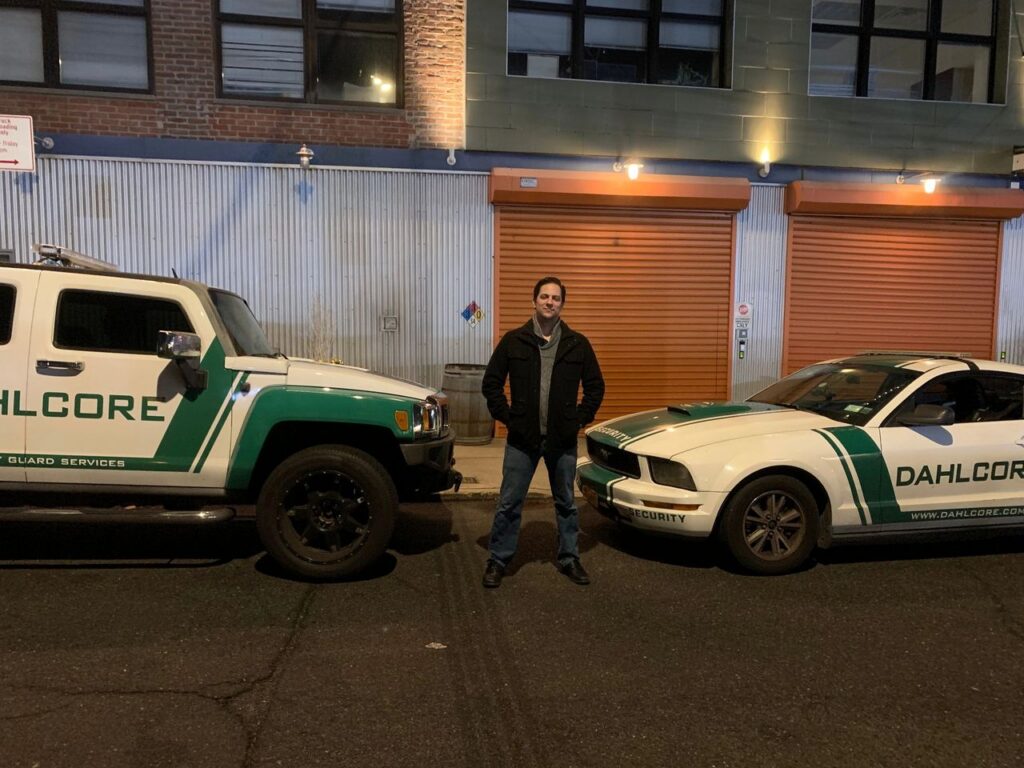
A NY Armed Security Guard License opens the door to higher‑risk, higher‑pay roles all around New York City and the rest of the state. These aren’t just standing in a quiet lobby—they often involve protecting money, valuables, or people who could be targeted.
Common settings include:
- Cash‑handling operations and armored car routes.
- Banks, jewelry stores, and high‑end retail locations.
- Large office towers, residential towers, and mixed‑use buildings in NYC.
- Special events and private details where a client requires armed coverage in the contract.
On a typical shift, an armed guard may control access, escort cash or high‑value items, monitor cameras, respond to alarms, and document any incidents in detailed reports. Good communication and a calm attitude are just as important as firearms skill.
High‑Risk Sites and Cash‑Handling Assignments
Many guards aim for cash‑handling or armored car work once they have their NY Armed Security Guard License. These jobs usually pay more but also involve real exposure to robbery attempts and fast‑moving situations.
You might:
- Ride in or escort armored vehicles moving deposits, ATM cash, or business earnings.
- Walk store managers to the bank with night deposits.
- Stand post inside or just outside high‑value retail shops.
Because of the risk, employers look closely at your training, your judgment, and your ability to follow instructions exactly. They also tend to prefer guards who arrive with clean, organized paperwork and a clear understanding of New York’s use‑of‑force rules.
Corporate, Residential, and Event Security Posts
Not every armed post is a bank or a truck. In NYC and other big New York markets, some corporate high‑rises, luxury condos, and event venues use guards with a NY Armed Security Guard License as part of their overall security plan.
You could be:
- Manning an access control desk at a Class‑A office building.
- Patrolling a large residential tower with prior security issues.
- Working an event where organizers expect high‑profile guests or big crowds.
Here, your people skills matter a lot; you’ll be answering questions, calming upset visitors, and sometimes helping coordinate with NYPD or local sheriff’s deputies when incidents happen.
2026 Trends for NY Armed Security Guard Jobs
Heading into 2026, demand for licensed guards in New York—especially armed ones—has stayed strong, driven by concerns about retail theft, workplace safety, and protection of cash and valuables. Job listings across NYC and major hubs like Buffalo, Rochester, and Albany often highlight armed roles as premium positions with higher pay ranges.
Training companies have responded by expanding DCJS‑approved programs, including blended or online theory sections for some unarmed classes and more frequent 47‑hour firearms sessions. At the same time, New York has tightened and clarified rules around carrying weapons in “sensitive” locations and public spaces, making good legal training more important than ever.
Common Mistakes when Pursuing a NY Armed Security Guard License
Plenty of people hit avoidable roadblocks on the way to their NY Armed Security Guard License. You can save yourself time and money by staying clear of these common mistakes:
- Trying to enroll in the 47‑hour firearms course without a pistol permit or a valid guard card.
- Skipping or delaying the 16‑hour OJT class after getting hired as a guard.
- Letting annual in‑service or firearms training expire, then scrambling at renewal time.
- Carrying a firearm at work before the armed upgrade is fully approved and issued by DOS.
Keeping a simple checklist—training dates, permit steps, and renewal deadlines—can keep your path smooth and your license in good standing.
How to Choose a DCJS‑Approved NY Armed Guard Training School
Your choice of training school can make a big difference in your experience and confidence as an armed guard. When comparing options, look for:
- Clear proof they’re DCJS‑approved for both guard and firearms training.
- Published course schedules, tuition, and what’s included (ammo, range fees, targets).
- Instructors with real‑world law enforcement or security experience.
- Strong reviews from past students—especially about how well they explain New York law.
Some schools in NYC and surrounding areas now offer convenient packages (8 + 16 + 47 hours) or online options for the theory parts of unarmed courses. That can help you line up your path from first training day to NY Armed Security Guard License with fewer surprises.
FAQs About the NY Armed Security Guard License
What are the requirements for a NY Armed Security Guard License?
You must be at least 18, legally allowed to work in the U.S., pass fingerprint‑based background checks, hold a NYS security guard registration, get a NYS pistol permit, and complete the 47‑hour firearms training at a DCJS‑approved school.
How long does it take to get a NY Armed Security Guard License?
If you’re starting from scratch, expect several months. Unarmed training can be finished in a few days, but pistol permits in New York often take months, and the 47‑hour firearms course runs over multiple days. After you submit your armed upgrade, DOS processing adds more time before you receive your armed card.
Does a pistol permit automatically make me an armed security guard in NY?
No. A pistol permit only lets you own and carry a handgun under permit rules; to work armed posts, you still need your guard registration, pass the 47‑hour firearms course, and receive the actual NY Armed Security Guard License upgrade from DOS.
Where can I carry with a NY Armed Security Guard License?
You can carry while on duty, at your assigned work locations, and within the scope of your guard duties, as long as you follow state law, local rules, and your employer’s policies. Off duty, you’re bound by the same pistol‑permit restrictions as any other permit holder.
How do I renew my NY Armed Security Guard License?
Your registration is valid for two years. To renew as armed, you must complete the 8‑hour Annual In‑Service and the 8‑hour Annual Firearms course during the cycle, then submit a renewal application and fees before your card expires.
Can retired law enforcement skip NY armed guard training?
Some retired police and certain peace officers can receive partial waivers if their recent firearms training meets state standards, but they still need to register as guards and usually must complete at least the armed annual firearms training to stay current.
How to Plan Your Path to a NY Armed Security Guard License
If you want a clear game plan, you can map it out like this:
- Check that you meet age, work status, and background standards.
- Take the 8‑hour pre‑assignment course and apply for your unarmed guard registration with DOS.
- Start working unarmed and complete your 16‑hour OJT within 90 days.
- Apply for a pistol permit in your county or through NYPD if you’re in NYC, and be ready for a wait.
- With your permit and guard card in hand, enroll in the 47‑hour firearms course at a DCJS‑approved school.
- After you pass, work with your employer to file the armed upgrade application and fees.
- Once your NY Armed Security Guard License card arrives, accept only those armed posts that match what the license and your permit actually allow.
This staged approach keeps you earning money as an unarmed guard while you move toward higher‑pay armed roles.
Conclusion: Is a NY Armed Security Guard License Right for You?
If you like the security field and want higher pay, more responsibility, and access to serious posts, working toward a NY Armed Security Guard License can be a smart move. It does take time, money, and discipline—but it also makes you more valuable to top employers across New York City and the rest of the state.
Explore our other blog posts here
NY Security Guard License Renewal: How Renewal Works
NYS Security Guard License: Requirements, Steps, Cost, & Timeline
