
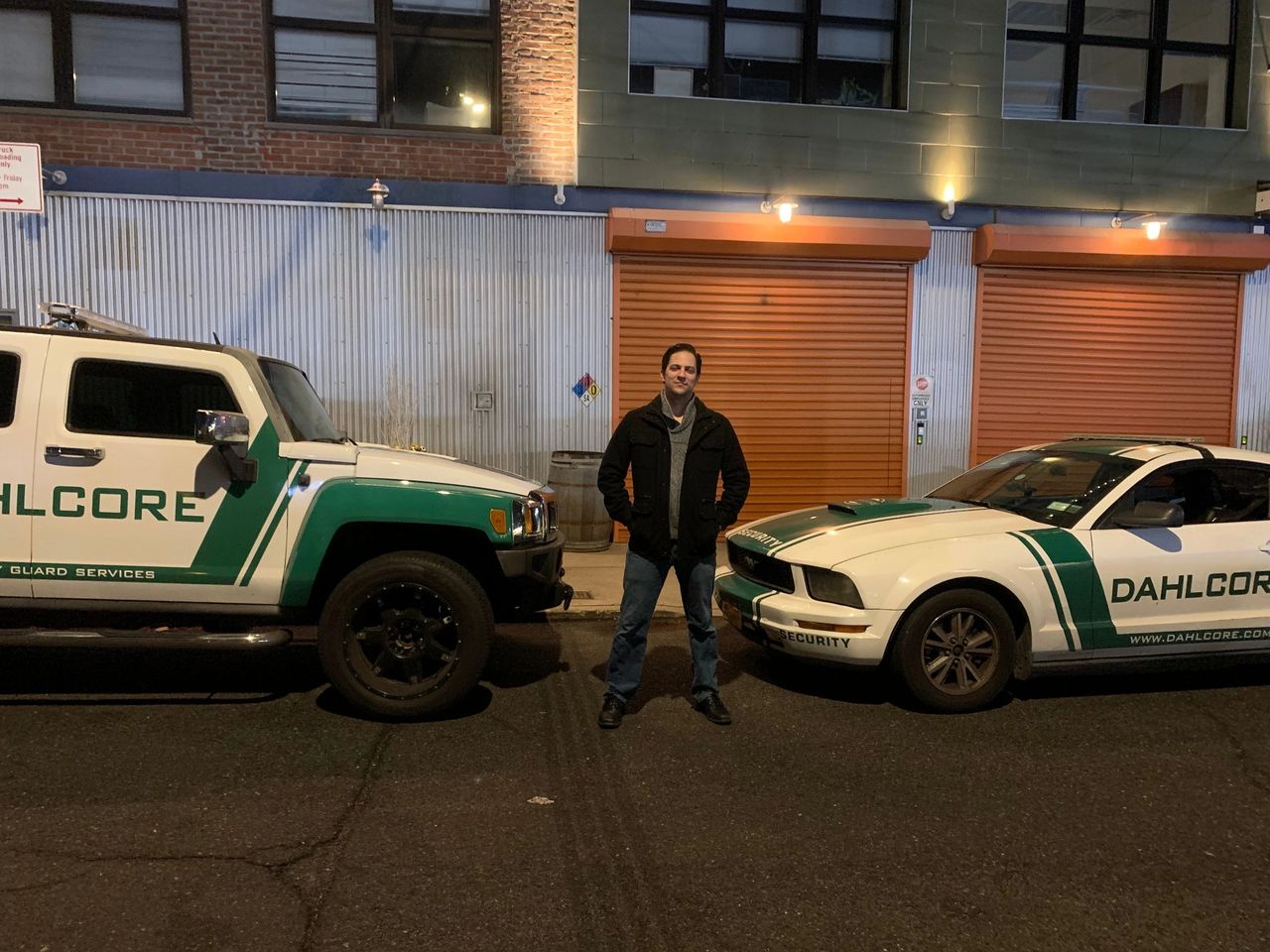
Manhattan holds most of the buildings in New York that the current NYC Fire Code requires to have a Fire Life Safety Director on duty — the multi-tenant office towers, the hotels, the mixed-use developments with an office or hotel component. In those buildings the FLSD is not a nice-to-have; it is a post the Fire Code requires to be filled during occupied hours, and an empty post is a non-compliant building. Dahlcore Security Guard Services supplies FDNY-certified Fire Life Safety Directors — holders of the F-89 Certificate of Fitness — and Emergency Action Plan Directors to Manhattan buildings, from our office at 250 Park Avenue. We are veteran-owned, were founded in 2018, and are led by Ian Dahlberg, who brings more than 23 years of security experience.
The Manhattan Buildings That Live With the Requirement
Whether a building needs an FLSD turns on its height, its occupancy classification and its certificate of occupancy under the current NYC Fire Code. These are the kinds of Manhattan buildings where the answer is usually yes.
Multi-tenant office towers
Dozens of tenants across dozens of floors, each with its own fire wardens, its own turnover, and its own idea of how a drill should go. The FLSD is the one person whose job is to make the whole building evacuate as one, and to keep the plan and the warden roster current as tenants come and go.
Hotels
Occupied around the clock by people who do not know the building, have never seen the exits, and will be asleep when the alarm sounds. The FLSD’s post is covered whenever the building is occupied, and the plan is written for guests who need to be told everything rather than staff who already know it.
Mixed-use with an office or hotel component
Residential over retail over office, or a hotel sharing a core with condominiums. Different occupancies with different rules in one structure, one Fire Command Center, and an FLSD who has to know which plan applies to which floors and how the building’s separate populations move in an emergency.
Portfolios
Owners and managers with several Manhattan buildings, each with its own FLSD requirement, its own plan, its own inspection date and its own relief problem. One provider, one account manager and one standard across the portfolio is worth more than any single post.
The post cannot be empty
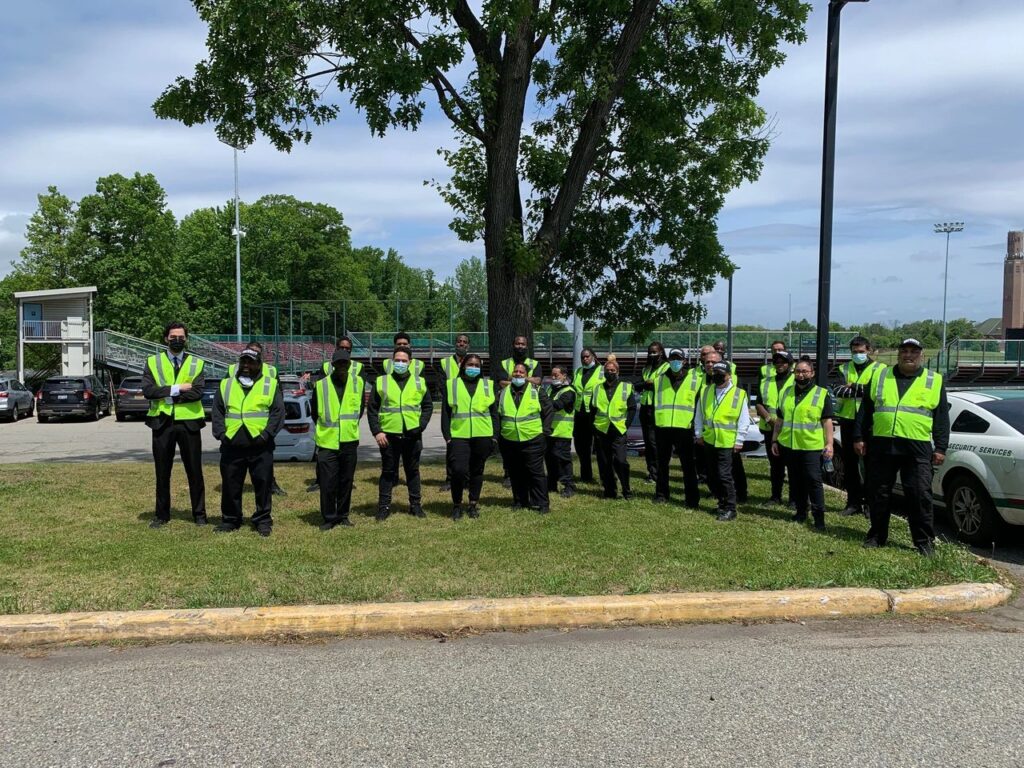
The thing that separates an FLSD from almost every other post a building buys is that the Fire Code does not care why it is empty. A director who is sick, on holiday, stuck on a delayed train or simply left last week leaves the building without the coverage the Code requires during occupied hours — and it is the owner, not the provider, who answers for that. So the question a Manhattan building should put to any FLSD provider is not “who is your director” but “who is your director on the day yours cannot come in”. Our answer is a relief bench of certified F-89 holders, run from an office on Park Avenue rather than from another borough, and a named account manager whose job includes knowing before you do that a relief is needed.
Keeping the Post Filled in a Manhattan Building
Six things that go wrong with FLSD coverage in practice, and how a provider with an office in the borough handles each one.
1. Relief cover that is certified, not just present
A relief who does not hold the F-89 is not relief; the post is still empty in the Fire Code’s eyes. Every person on our Manhattan bench holds the certificate, and reliefs are briefed on the specific building’s plan before they sit at its Fire Command Center.
2. Tenant turnover that never stops
Every new tenant is a floor with no trained wardens and a plan that no longer matches the directory. The FLSD onboards each one — wardens named and trained, the plan updated, the roster current — as a routine, not as a project.
3. Drills across forty floors
A drill that works on one floor and fails on the rest is not a drill. The FLSD schedules and runs them building-wide, coordinates the wardens, records what happened, and fixes what did not work before the next one.
4. A plan that is actually current
The Fire Safety and Emergency Action Plan on file has to match the building as it is now — its tenants, its exits, its systems, its wardens. Keeping it current is the FLSD’s job, and it is the first thing an FDNY inspector will read.
5. The inspection that is not a scramble
The FLSD is present for FDNY inspections, has the drill records and the plan to hand, and knows the building well enough to walk it with the inspector. That is only possible if the records were kept all year rather than assembled the week before.
6. One standard across a portfolio
An owner with six buildings should not have six ways of doing this. One account manager, one drill standard, one records format and one relief bench across the portfolio — so a director can cover a sister building without learning a new system.
Credentials a Manhattan Building Can Verify
What a property manager, a building’s counsel or an FDNY inspector will actually check — stated so it can be checked.
FDNY Certificate of Fitness — F-89
Every Fire Life Safety Director we place holds the F-89 Certificate of Fitness issued by the FDNY, which is the credential the Fire Code requires for the role. Emergency Action Plan Directors are supplied for buildings that require them. Certificates are produced for the building’s records and can be checked against the FDNY’s own registry.
A licensed New York security agency
Dahlcore is a licensed New York State security guard agency. Officers are registered under the New York Security Guard Act (General Business Law Article 7-A) with the NY Department of State, Division of Licensing Services, and their training is DCJS-approved. Licensed, insured and bonded, with a certificate of insurance on request and public verification of the agency licence at dos.ny.gov.
Trained for the post, not just certified
Beyond the certificate, directors are trained on operating a building’s Fire Command Center and fire alarm panel from the FLSD’s post, on building-wide communications, on evacuation and relocation procedures for high-rise and mixed-use buildings, and on CPR, AED and First Aid. Each one is then briefed on the specific building before the first shift.
Documented the way an inspector reads it
Drill records, warden rosters, plan updates and incident logs are kept as they happen, in the form an FDNY inspector expects to see, and attendance at the post is confirmed with GPS and geofenced verification. You get a reporting portal login, and a written record when something occurs.
Forty tenants, one evacuation
A Manhattan office tower is not one building for fire safety purposes; it is forty small ones that share stairs. Each tenant has its own wardens, its own new starters who have never heard the alarm, and its own manager who thinks the drill is optional. The FLSD is the only person in the building whose job is the whole building — who knows which tenant moved out last month and left a floor with no warden, which one has a lab on twelve that changes the plan, and which stairwell the wardens on the high floors keep sending people down by mistake. That knowledge is the difference between a plan on file and a building that actually empties.
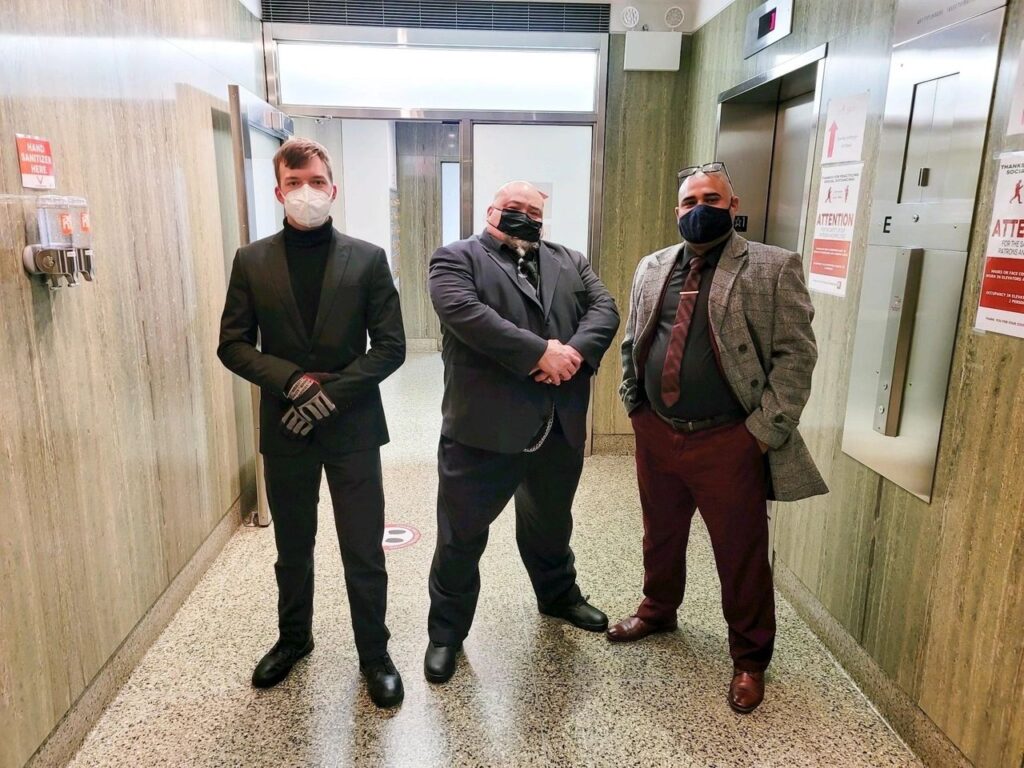
Manhattan Fire Life Safety Director FAQ
Answers for Manhattan building owners and managers. For what an FLSD is, when one is required, the F-89 credential and how coverage is structured, see our main Fire Life Safety Director page.
What happens if our FLSD is sick, on holiday, or leaves?
A certified relief covers the post. Every person on our Manhattan bench holds the F-89, and reliefs are briefed on your building’s plan before they sit at its Fire Command Center — a relief without the certificate does not count, and neither does one who has never seen your building. Your account manager’s job is to know a relief is needed before the post is empty. We do not publish a response time, but the bench is run from Park Avenue rather than from another borough.
We have thirty tenants. Who trains their floor wardens?
The FLSD does, as part of the post. Each tenant’s wardens are named, trained and recorded, and when a tenant leaves or arrives the roster and the plan are updated as a routine rather than a project. The building’s plan is only as good as its least-trained floor, and in a multi-tenant tower that floor changes every few months.
Our lobby security desk is a different contractor. How do the FLSD and the desk work together?
They have different jobs and both need to know it. The desk controls who comes in; the FLSD controls what the building does when the alarm sounds, from the Fire Command Center. We agree the line with building management at the outset — who answers the panel, who calls it in, who directs the wardens — and the FLSD is introduced to the desk on day one so the two are not meeting for the first time during an alarm.
Can one provider cover our whole Manhattan portfolio?
Yes, and it is usually the better arrangement. One account manager, one drill standard, one records format and one relief bench across all of your buildings means a director can cover a sister building without learning a new system, and you get one point of contact instead of one per address.
A new tenant moved in. Does the fire safety plan need updating, and who does it?
Yes, and the FLSD does it. A new tenant is a floor with no trained wardens and a plan that no longer matches the building directory. The FLSD onboards the tenant — wardens named and trained, the Fire Safety and Emergency Action Plan updated, the roster current — so the plan on file describes the building as it is now, which is what an FDNY inspector will read.
Do you inspect, test or maintain our sprinklers, alarms or suppression systems?
No, and we would rather say so plainly. Dahlcore supplies the certified people who staff the FLSD post and operate the systems your building already has; we do not inspect, test or maintain fire alarm, sprinkler or suppression systems, and we do not supply NICET technicians. That work stays with your fire protection contractor. If a provider offers you both from one contract, ask which licence covers the second half.
Our building is a hotel, not an office. Does that change the FLSD requirement?
It changes the shape of the coverage and the plan. A hotel is occupied around the clock by guests who do not know the building, so the post is covered whenever the building is occupied, and the plan is written for people who need to be told everything — where the exits are, what the alarm means, whether to stay or go. Whether your hotel falls under the requirement turns on the current NYC Fire Code and your certificate of occupancy; the building’s own fire safety plan and the FDNY are the authority on that, not a web page.
What does the FLSD actually do during an FDNY inspection?
Stands with the building. The FLSD is present, has the drill records, the warden roster and the current plan to hand, and knows the building well enough to walk it with the inspector and answer questions about it. That is only possible if the records were kept all year, which is the point of having the post filled by someone who treats it as their building rather than as a shift.
Manhattan neighbourhoods we cover
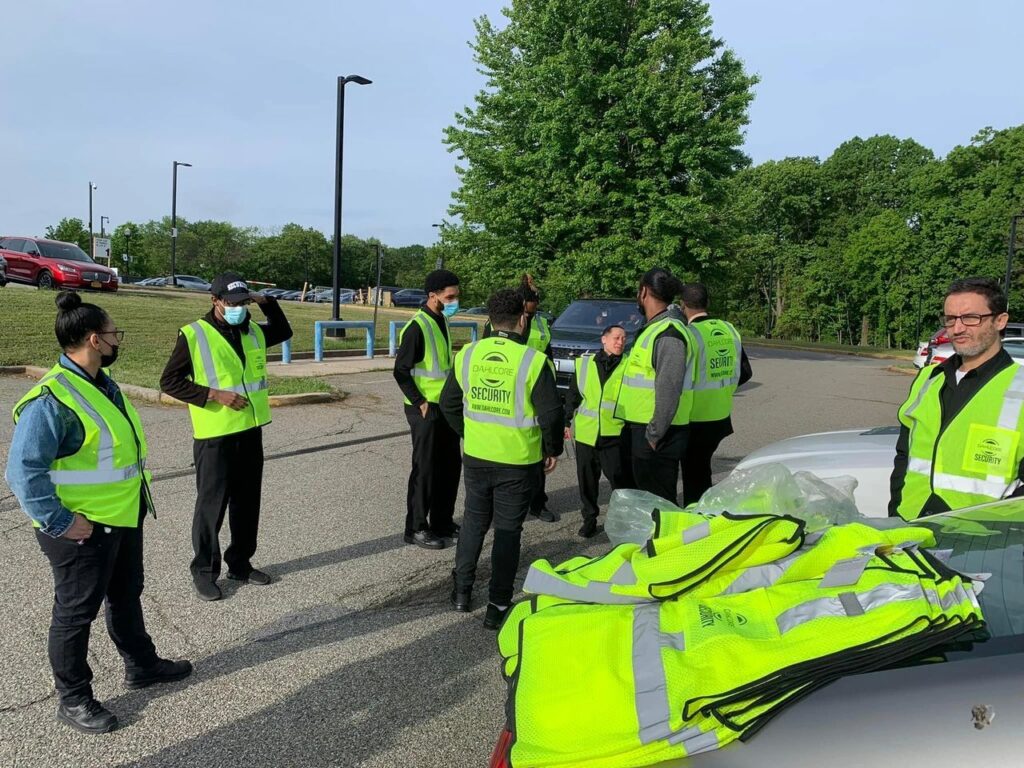
Midtown office towers and hotels; Lower Manhattan and the Financial District’s high-rise office buildings and mixed-use developments; SoHo and Tribeca’s converted commercial buildings and hotels; the Upper East and Upper West Sides’ mixed-use towers with office and hotel components; and Harlem and Central Manhattan’s commercial and institutional buildings. Different buildings, the same requirement — and the same question of who is at the Fire Command Center on the day the regular director cannot be.
What Manhattan Clients Say About Dahlcore
Explore real feedback from Manhattan clients, including the property managers who book us across their buildings.
“Amazing service we use them all the time for our properties. Highly recommended!”
“Since joining Dalhcore they’ve always provided a great experience. I genuinely recommend this security company for your needs.”
“Greatly company and friendly and understandable staff.”
Fill the FLSD Post in Your Manhattan Building
Tell us the building, its occupancy and hours, and how many tenants it holds — or how many buildings are in the portfolio. We will walk the Fire Command Center and the plan with your management team and put a coverage recommendation in front of you before you commit. Consultations are free.
Manhattan Office
212-208-0900250 Park Avenue, New York, NY 10177
Office Hours: 8:00 AM – 8:00 PM · Dispatch available 24/7
Our Offices
250 Park Avenue, New York, NY 10177
1110 South Avenue, Staten Island, NY 10314
Manhattan · Brooklyn · Queens · The Bronx · Staten Island · Long Island