


“Whose Responsibility Is Office Security? Key Insights”
Office security is more than just locking doors and installing cameras. In today’s fast-paced, tech-driven world, workplace safety and operational efficiency are critical. With data breaches and physical threats on the rise, ensuring office security has become a shared responsibility that requires cooperation across all levels of an organization. So, who’s responsible for keeping the workplace safe? Let’s dive in.
The Concept of Office Security
Definition and Scope of Office Security
Office security is a comprehensive strategy that combines physical and digital elements to mitigate potential threats and ensure the safety of employees, sensitive information, and valuable assets. Effective office security requires regular protocol updates, staff training, and investment in modern technology to stay ahead of emerging risks.
Common Threats to Office Security
Threats to office security can be both physical, such as unauthorized access or theft, and digital, including cyberattacks like phishing, ransomware, or data breaches. By identifying these risks, businesses can implement targeted security measures that protect against both physical and cyber threats, ensuring a robust defense system.
Roles and Responsibilities in Office Security
Employee’s Role in Ensuring Security
Employees serve as the first line of defense by following established access protocols, identifying suspicious behavior, and acting promptly to prevent security breaches. Comprehensive training programs equip them with the necessary skills to recognize potential threats, assess risks, and respond with confidence and efficiency.
Management’s Contribution to a Secure Environment
Leadership plays a crucial role in shaping the security environment by actively supporting and endorsing security protocols. With clear direction, adequate resources, and a commitment to safety, management fosters an environment where security measures are effectively integrated and maintained.
IT Department’s Role in Cybersecurity
The IT team plays a vital role in safeguarding digital assets by ensuring the security and integrity of data and systems. Their duties encompass maintaining secure networks, implementing timely software updates, and actively monitoring for and addressing potential cyber threats to prevent data breaches and system vulnerabilities.
Key Components of a Comprehensive Security Plan
Physical Security Measures
- Installation of access control systems (keycards, biometrics).
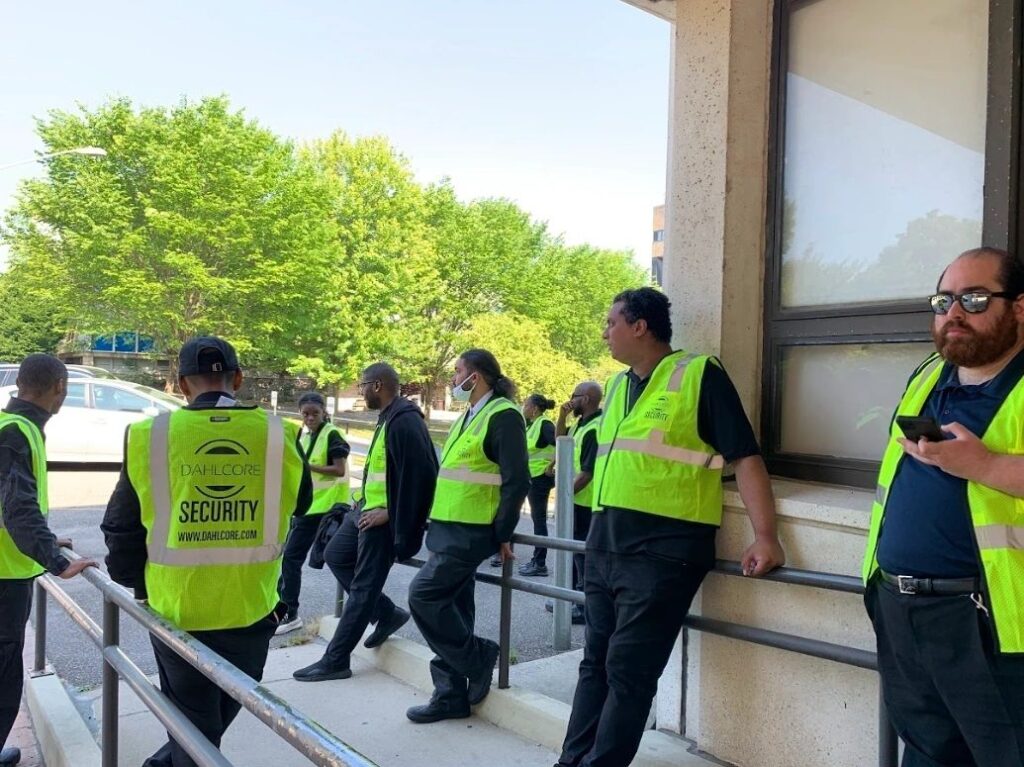
- Deployment of security personnel.
- Strategic placement of surveillance cameras.
Digital Security Protocols
- Enforcing strong password policies.
- Conducting regular system backups.
- Utilizing encryption for sensitive communications.
Training and Awareness Programs
Educating staff on phishing scams, secure internet usage, and emergency procedures helps prevent security breaches and promotes a safer work environment. This proactive approach ensures that employees are equipped to identify threats, follow proper protocols, and respond effectively in times of crisis, reducing risks to the organization.
Physical Security Responsibilities
Ensuring Secure Access to Premises
Physical access controls ensure that only authorized personnel can enter restricted areas, enhancing security and protecting sensitive information. Regular audits of entry systems, including keycards and biometric scanners, identify vulnerabilities and ensure compliance with security protocols.
The Role of Security Guards
Security guards play a crucial role in maintaining safety by monitoring premises, preventing unauthorized access, and responding swiftly to emergencies. Their presence helps reduce the risk of theft, vandalism, and other security threats, ensuring a secure environment for both employees and visitors.
Maintenance of Surveillance Systems
Routine checks help verify that cameras are functioning properly, ensuring they capture clear footage without interruption. These checks also confirm that the footage is securely stored, preventing any potential loss of critical evidence. Regular maintenance ensures that any technical issues are identified early, providing peace of mind for reliable surveillance when needed.

Cybersecurity Responsibilities
Protecting Sensitive Data
Data protection entails recognizing sensitive data, such as personal or financial information, and putting in place appropriate security measures to ensure its confidentiality. This includes encryption, access control, and monitoring systems to prevent unauthorized access, theft, or accidental disclosure.
Implementing Firewalls and Anti-Virus Software
Firewalls serve as a barrier between a trusted internal network and untrusted external sources, preventing unauthorized access or data breaches. Meanwhile, anti-virus programs continuously scan and remove harmful software, such as viruses and malware, that may infect a system or compromise its performance.
Regular Security Audits
Frequent audits are essential for identifying potential vulnerabilities in security systems and practices, allowing organizations to address weaknesses before they can be exploited. These audits also ensure that the company remains compliant with ever-evolving security regulations and industry standards. By maintaining a regular audit schedule, businesses can proactively mitigate risks and enhance their overall security posture.
Outsourcing Office Security
Pros and Cons of Outsourced Security Services
Outsourcing can provide access to specialized skills and lower operational costs, making it an attractive option for businesses seeking efficiency. However, it may lead to challenges regarding the loss of direct oversight, potential quality issues, and concerns about the reliability of external partners.
Choosing the Right Security Provider
When selecting a provider, prioritize those with a proven track record, relevant industry certifications, and positive client feedback to gauge their expertise. This approach helps ensure the provider can meet your organization’s specific requirements and deliver quality results.

Legal and Ethical Considerations
Understanding Compliance Requirements
Compliance with regulations such as GDPR and HIPAA ensures that organizations maintain the confidentiality, integrity, and security of sensitive data. Adhering to these regulations not only helps avoid costly legal penalties but also safeguards customer trust and promotes transparency. This commitment to data protection strengthens an organization’s reputation and fosters long-term success.
Balancing Security with Employee Privacy
Security measures should be implemented in a way that protects employees’ privacy and respects their rights, ensuring compliance with legal and ethical standards. Clear communication about surveillance practices and data management policies fosters trust, demonstrating the organization’s commitment to ethical behavior and accountability.
Office Security Policies
Developing Clear Security Policies
Policies should clearly define the standards of acceptable behavior within the organization, ensuring all members understand their roles and responsibilities. They should also include detailed procedures for responding to incidents, as well as the specific consequences for violations to maintain accountability and consistency.
Communicating Policies to Employees
Regular training sessions are conducted to enhance skills, clarify expectations, and ensure employees are aligned with company goals. Accessible documentation is also provided to support ongoing learning and ensure clear communication of responsibilities across all levels.
Enforcing Security Measures
Consistent enforcement of established protocols ensures that all individuals understand the seriousness of following guidelines. It creates a structured environment where expectations are clear and non-compliance is addressed promptly. Over time, this reinforces a culture of accountability, leading to improved overall performance and adherence to standards.

The Role of Technology in Office Security
Advanced Security Tools and Software
Technological innovations like biometric access controls and AI-powered threat detection systems are transforming security by providing more accurate and efficient ways to prevent unauthorized access and identify potential threats. These advancements enhance safety by offering real-time monitoring, data analysis, and quick responses to security breaches, reducing human error and increasing overall reliability.
The Growing Importance of AI in Security Systems
AI improves predictive capabilities by analyzing vast amounts of data to identify potential threats before they escalate. This allows for automated threat detection and response, enabling organizations to address real-time risks and prevent damage.
Challenges in Office Security Implementation
Common Barriers to Effective Security
Obstacles such as resistance to change can hinder progress, as individuals may be reluctant to adopt new methods or technologies. Additionally, a lack of resources and insufficient training further exacerbate the challenges, limiting the ability to effectively implement and sustain improvements.
Overcoming Budgetary Constraints
Focusing on investments in key areas will ensure that resources are allocated to the most impactful initiatives, driving long-term growth. Additionally, adopting cost-effective solutions like cloud-based security services can enhance efficiency while maintaining robust protection against evolving threats.
FAQs on Office Security Responsibilities
Who is primarily responsible for office security?
The primary responsibility for office security lies with the designated security personnel or security manager. However, all employees share a role in maintaining safety by following security protocols and reporting suspicious activities.
What are the key components of an office security plan?
An office security plan should include physical security measures, such as access control and surveillance, as well as cybersecurity protocols to protect sensitive data. Employee training and emergency response procedures are also critical components to ensure a comprehensive security strategy.
How can technology improve office security?
Technology can enhance office security through advanced surveillance systems, access control, and alarm monitoring, offering real-time alerts and data analysis. Automated systems reduce human error, ensuring more effective prevention and response to security threats.
What role do employees play in security?
Employees are responsible for adhering to security protocols and ensuring the safety of assets, information, and people. They act as the first line of defense by reporting suspicious activities and following established procedures.
Why is compliance important in security?
Compliance in security ensures that laws, regulations, and standards are followed, reducing risks of legal penalties and maintaining trust. It also helps protect sensitive information and safeguard the overall integrity of security operations.
What are the benefits of outsourcing security?
Outsourcing security allows businesses to access specialized expertise and advanced technology without the need for extensive in-house training or equipment. It also provides flexibility, scalability, and cost savings by paying for services as needed rather than maintaining a full-time security team.
Conclusion
Office security is a shared responsibility that involves active participation from employees, management, and security personnel alike. It requires a clear understanding of each party’s role, the integration of physical and digital security measures, and the adoption of advanced technology to stay ahead of emerging threats. Ongoing risk assessments, training programs, and the flexibility to adapt to new security challenges are essential to maintaining a safe workplace environment over time.
Check other blogs
Unlocking OS Decisions: The Crucial Role of Security Labels
Enhancing Data Security: DLP’s Key Role in Protecting Information
