

Updated Date: November 19, 2025
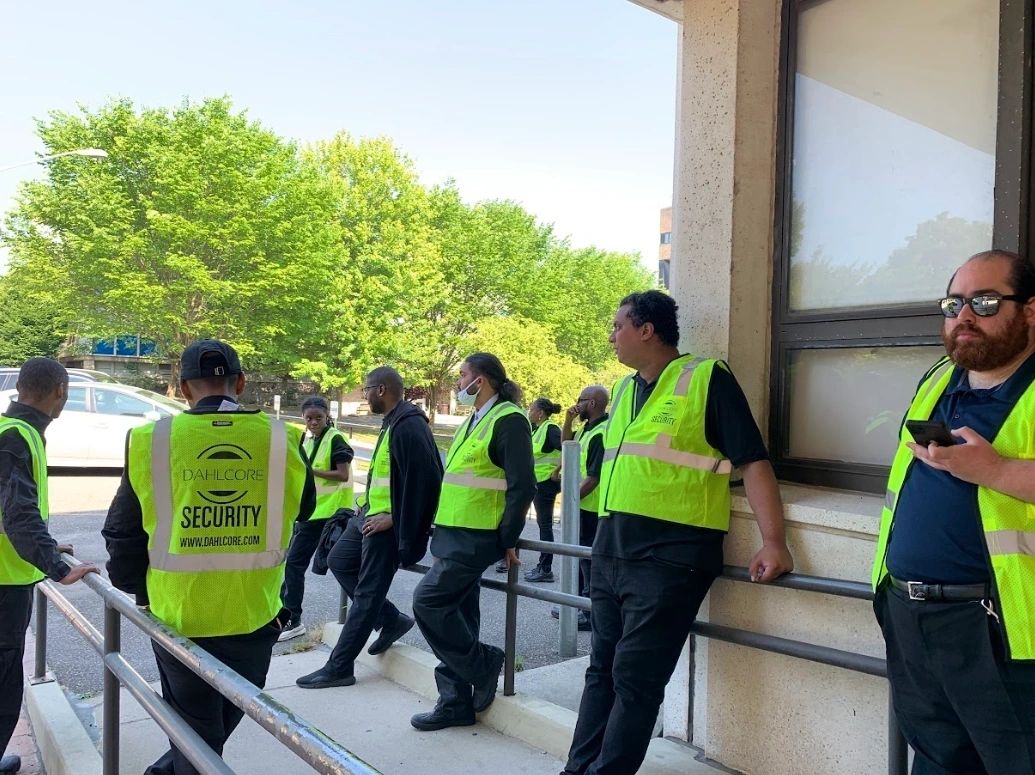
Physical security is the real‑world layer of protection that keeps people, property, and operations safe from threats like unauthorized access, theft, vandalism, and violence. It includes everything from fences, access control, and surveillance cameras to on‑site security guards, mobile patrols, and emergency response procedures working together in a coordinated way. For businesses in New York and New Jersey, physical security guards from Dahlcore provide that hands‑on protection at doors, lobbies, parking lots, and high‑risk areas where digital tools alone are not enough.
Quick Summary
- Physical security protects people, buildings, and assets from real‑world threats using barriers, surveillance, access control, and trained guards.
- It works in layers that deter, detect, delay, and respond to intruders, emergencies, and suspicious activity.
- Security guard services are the heart of physical security, providing on‑site presence, patrols, incident response, and customer reassurance.
- Modern physical security combines technology like CCTV, alarms, and intrusion detection with clear policies, training, and emergency protocols.
- Dahlcore delivers customizable physical security solutions for commercial properties, hospitals, hotels, construction sites, dispensaries, events, and more across the NYC metro area.
Definition of Physical Security
Physical security refers to the measures used to prevent, detect, and respond to physical threats against people, facilities, equipment, and other assets. These measures range from simple locks and doors to advanced surveillance systems, access control, and on‑site guards who actively monitor and intervene when something looks wrong. Unlike cybersecurity—which protects networks and data—physical security focuses on the actual locations where people work, live, shop, receive medical care, or gather for events.
Physical security is everything you do to stop someone from walking into a building, restricted area, or event and causing harm, stealing property, or disrupting operations. For businesses, this includes visible deterrents like uniformed guards at entrances, controlled access points, well‑lit parking areas, and clear procedures for handling visitors and deliveries. Dahlcore’s physical security guards add the human judgment and real‑time decision‑making that cameras and alarms alone cannot provide.
Why Physical Security Matters for Businesses
In today’s environment, businesses face a mix of threats ranging from petty theft and vandalism to workplace violence, organized retail crime, and targeted attacks. Physical security protects your employees, customers, visitors, and critical assets so you can operate without constant disruption or fear. It also supports compliance with insurance requirements, safety regulations, and industry standards that increasingly require documented physical protection.
Effective physical security does more than stop incidents; it also reduces loss, improves customer confidence, and supports business continuity. When clients and staff see professional security guard services on‑site, they feel safer and are more likely to trust your organization with their time, money, and information. For high‑risk environments like dispensaries, hospitals, hotels, and construction sites, physical security is not optional—it is a core operational requirement.
How Physical Security Works: Deter, Detect, Delay, Respond
Most effective physical security strategies are built around four core goals: deter, detect, delay, and respond. These layers work together to discourage threats, spot them early, slow them down, and give your team and law enforcement time to act.
- Deter: Visible guards, cameras, lighting, signage, and secure perimeters make your site a harder target, so many offenders decide not to attempt anything at all.
- Detect: Surveillance cameras, intrusion detection, access control logs, and trained guards help identify suspicious behavior and unauthorized access as early as possible.
- Delay: Locked doors, turnstiles, gates, and controlled entry points slow down an intruder, buying valuable time for a response.
- Respond: On‑site security guards, incident procedures, communication systems, and coordination with police or emergency services resolve the situation and protect people.
Dahlcore designs physical security plans that integrate these four layers into one practical system—combining guards, patrols, cameras, and procedures tailored to how your property actually operates.
Key Components of Physical Security
Physical Barriers and Perimeters
Physical barriers establish clear boundaries, guide traffic, and make unauthorized entry more difficult. Common examples include fences and gates around commercial properties, bollards or planters in front of building entrances, and secure doors or turnstiles at interior access points. At many Dahlcore client sites, guards control vehicle and pedestrian entry at the gate or front desk, verifying IDs and visitor passes to prevent unauthorized access from the start.
Inside the building, walls, secured doors, access‑controlled elevators, and locked storage rooms create additional layers of protection. Sensitive areas such as cash rooms, medical supply storage, server rooms, and back‑of‑house corridors should not be directly accessible from public spaces without passing through these barriers.
Surveillance Cameras and Monitoring
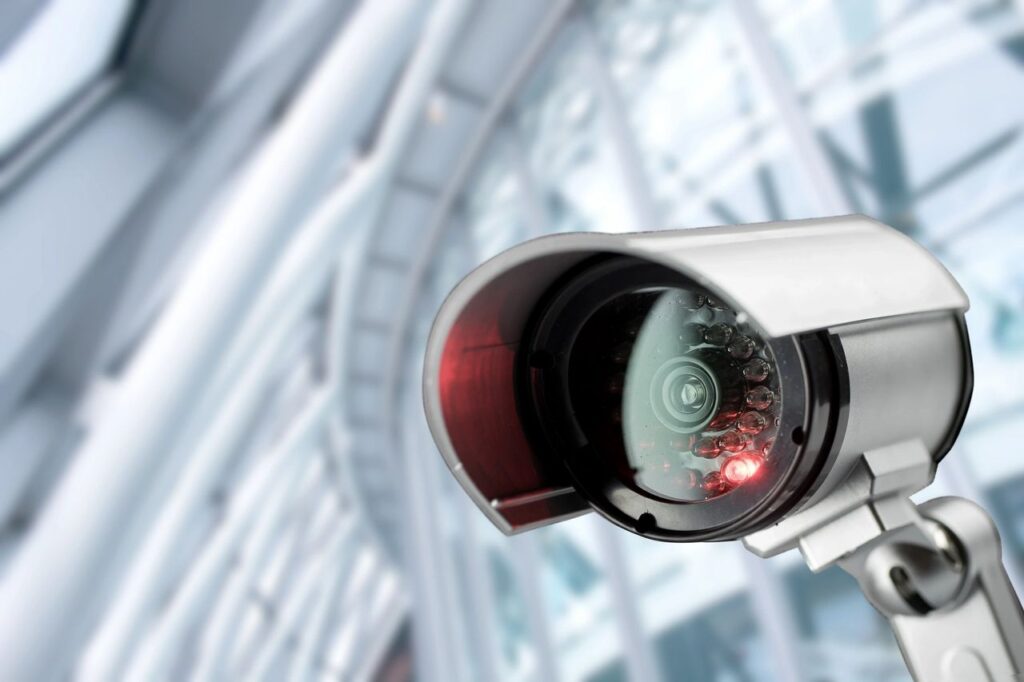
Video surveillance (CCTV) is one of the most recognizable tools in physical security, providing eyes on key areas 24/7. Cameras are typically positioned at entrances, exits, loading docks, parking lots, stairwells, corridors, and any other location where incidents are likely or visibility is limited. Modern systems can include high‑definition video, night vision, remote monitoring, and analytics to flag unusual activity for review.
However, cameras are most effective when combined with human oversight. Dahlcore guards can actively monitor live feeds, respond to alerts, and use recorded video to support investigations, incident reports, and law enforcement requests. This blend of surveillance technology and professional guard services makes it harder for suspicious behavior to go unnoticed.
Access Control and Intrusion Detection
Access control systems limit who can enter certain buildings, floors, or rooms and when they can do so. Typical technologies include keycards, fobs, PIN codes, mobile credentials, and increasingly biometric options like fingerprint or facial recognition readers. These systems log every entry and exit, allowing you to review who accessed a restricted area if an incident occurs.
Intrusion detection systems use door contacts, glass‑break sensors, motion detectors, and alarms to identify and alert staff when someone attempts to enter a protected area without authorization. When tied into a monitoring center or on‑site security team, these systems enable rapid response to after‑hours break‑ins or suspicious movements in closed areas.
Security Guards and Patrols
Security guards are at the center of most effective physical security programs because they provide real‑time presence, observation, and intervention. Dahlcore’s physical security guards can be stationed at entrances and lobbies, posted in high‑value or high‑risk areas, or assigned to patrol routes throughout the property. Their responsibilities typically include checking IDs, managing visitor sign‑ins, monitoring cameras and alarms, responding to incidents, and documenting what happens on‑site.
Mobile patrols—on foot or in vehicles—extend that protection to larger properties, parking lots, construction sites, and outdoor event venues. Randomized patrol patterns, combined with scheduled checks, help cover blind spots and make it harder for potential offenders to predict guard movements.
Policies, Procedures, and Training
Technology and guards work best when they are guided by clear physical security policies and procedures. These should define who is allowed where, how visitors are managed, how keys or badges are issued and revoked, and what steps staff should take when they see something suspicious. Emergency response plans for incidents like fire, medical emergencies, active threats, or evacuations are also part of physical security.
Training ensures that both guards and regular employees understand their roles in keeping the site safe. Dahlcore supports clients with security awareness, post orders, and site‑specific instructions so everyone knows how physical security works in practice at that location.
Types of Physical Security Threats
Physical security is designed to address a wide range of real‑world risks. Some of the most common threat categories include the following.
- Unauthorized access to buildings, restricted rooms, or event areas by people who do not belong there.
- Theft of equipment, inventory, cash, sensitive documents, or personal belongings.
- Vandalism, graffiti, property damage, or tampering with systems and infrastructure.
- Workplace violence, confrontations, or disruptive behavior from customers, patients, guests, or insiders.
- Insider threats, where employees, contractors, or vendors misuse their access or knowledge.
- Safety incidents and emergencies such as fire, medical issues, crowd surges, or severe weather impacting the facility.
A good physical security risk assessment identifies which of these threats are most likely to impact your specific business—whether that is a hospital, hotel, construction site, concert venue, or cannabis dispensary—and then prioritizes the controls needed.
Physical Security Examples by Industry
Physical security looks different depending on the type of property and the people using it. Below are example scenarios that map closely to Dahlcore’s core service categories.
Hospitals and Healthcare Facilities
Hospitals require strict control over who can access emergency areas, patient floors, pharmacies, and restricted treatment rooms. Physical security guards manage entrances, screen visitors, support staff safety, and help de‑escalate tense situations. Access control, cameras, and incident procedures work together to protect patients, staff, medications, and medical equipment.
Hotels and Hospitality
Hotels must balance a welcoming environment with the need to prevent unauthorized access to guest floors, back‑of‑house spaces, and parking garages. Physical security includes lobby guards, front‑door presence, camera coverage, and access‑controlled elevators or stairwells. Dahlcore guards can assist with guest safety, disturbance handling, and coordination with hotel management when incidents occur.
Commercial Buildings and Offices
Office towers and commercial properties often have a mix of tenants, vendors, and visitors coming and going throughout the day. Physical security typically involves lobby security guards, visitor management, badge checks, and patrols of parking areas and shared spaces. For high‑value tenants, extra measures may include escorting visitors, monitoring loading docks, and controlling access to sensitive floors or rooms.
Dispensaries and High‑Value Retail
Dispensaries and other high‑value retail locations face elevated risk for theft and robbery. Physical security measures often include armed or unarmed guards at entrances, secure entry vestibules, ID verification, camera coverage, and strict cash handling procedures. Dahlcore’s dispensary security services focus on both customer experience and risk reduction, ensuring a safe, compliant environment.
Construction Sites and Industrial Facilities
Construction sites and industrial operations are vulnerable to after‑hours trespassing, theft of tools and materials, and safety incidents. Physical security typically includes perimeter fencing, gates, lighting, equipment lock‑ups, and frequent mobile patrols. Dahlcore guards can verify contractor access, monitor deliveries, and perform overnight patrols to deter intruders and respond quickly if something happens.
Concerts, Events, and Trade Shows
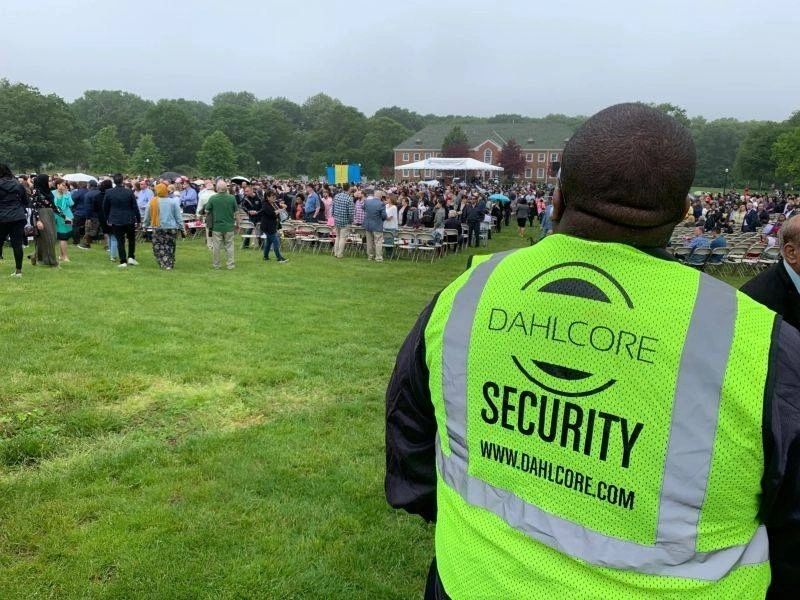
Events require layered physical security to manage crowds, control entry, screen tickets or credentials, and maintain order. Guards are typically assigned to entrances, stages, VIP areas, back‑of‑house corridors, loading docks, and crowd‑flow points. Dahlcore’s event security services combine trained event staff, concert security, and incident response planning to keep attendees safe and organizers compliant.
How Physical Security Works in Practice
In day‑to‑day operations, physical security is a mix of technology, people, and routine procedures. A typical commercial property might use access cards for staff, sign‑in processes for visitors, cameras at entrances and parking lots, and security guards who patrol and respond to calls. During emergencies or unusual situations, these elements come together to protect life and property, guide evacuations, and coordinate with public safety agencies.
For example, when an unauthorized person tries to access a restricted area, the door lock, access control system, and cameras help detect the attempt while guards move to intercept, verify, and resolve the situation. If a disturbance occurs in a lobby or storefront, guards can de‑escalate, record key details, and document the incident for management and law enforcement. Over time, incident reports and surveillance review also help refine policies and identify patterns that might require additional controls.
Physical Security Services from Dahlcore
Dahlcore Security Guard Services provides a full range of on‑site and mobile physical security solutions across New York City and surrounding areas. Core offerings include security guard services for commercial buildings, hospitals, hotels, dispensaries, construction sites, maritime operations, and residential properties. Dahlcore also supports event security services, trade show security, concert security, fire watch guards, hot work watch, access control posts, VIP bodyguards, and executive protection.
Every assignment begins with a practical review of your property, operations, and risks so that guard posts, patrol routes, and procedures match how your site actually runs. Dahlcore’s trained guards deter threats, monitor cameras and alarms, control entry points, assist employees and visitors, and respond quickly when something is not right. Whether you need temporary security guards for a short‑term project or ongoing physical security for a portfolio of properties, services can be tailored to your schedule, risk profile, and budget. Contact us today!

How to Get Started with Physical Security for Your Business
Implementing physical security at your business usually follows a few key steps.
- Identify your critical assets, risk points, and areas where people spend the most time.
- Conduct a physical security risk assessment to understand likely threats and current gaps.
- Design layered controls that combine barriers, surveillance, access control, and on‑site guards.
- Develop clear policies, emergency procedures, and training for staff and guards.
- Monitor performance, review incidents, and adjust the security plan regularly as your operations evolve.
Dahlcore can assist at every stage—from site walk‑through and risk assessment to daily guard management and ongoing improvement. This ensures your physical security solution remains aligned with your business, compliance, and insurance requirements over time.
Example Scenario: Dahlcore Physical Security in Action
Consider a mid‑size hotel property in a busy city area that has experienced unauthorized visitors on guest floors and vehicle break‑ins in the parking lot. The updated physical security plan introduces lobby security guards, patrols in the parking garage, elevator access control, and expanded camera coverage at entrances and high‑traffic areas. Within months, incident reports show fewer trespassing attempts, faster response to disturbances, and improved guest feedback on feeling safe on‑site.
A similar approach can be applied to hospitals, office buildings, construction sites, dispensaries, and event venues, with guard posts and procedures adapted to each environment. Dahlcore’s real‑world experience across multiple industries allows the team to recommend practical measures that actually work in the field—not just on paper.
Frequently Asked Questions about Physical Security
What is Physical Security?
Physical security is the protection of people, property, and operations from real‑world threats such as unauthorized access, theft, vandalism, and violence through the use of barriers, surveillance, access control, and security guard services.
How Does Physical Security Differ from Cybersecurity?
Physical security protects the actual locations where people and assets are located, while cybersecurity protects digital systems, networks, and data. In practice, both are needed: physical security stops someone from walking into a server room or office, and cybersecurity stops them from accessing information through digital channels.
What are Examples of Physical Security Controls?
Common physical security controls include fences, gates, locked doors, turnstiles, surveillance cameras, motion sensors, alarm systems, access badges, visitor check‑in desks, and on‑site security guards.
How do Security Guards Improve Physical Security at a Business?
Security guards deter potential offenders through visible presence, monitor cameras and patrols, verify identities and access, respond to incidents in real time, and coordinate with management and law enforcement when needed. They provide the human judgment required to interpret behavior, de‑escalate conflicts, and make rapid decisions that technology alone cannot.
Are Physical Security Systems Expensive?
The cost of physical security depends on the size of the property, risk level, number of guards, and technology used, but it is often less than the potential cost of significant theft, vandalism, or business interruption. Solutions can be scaled from basic coverage for small businesses to comprehensive programs for large campuses and multi‑site portfolios.
Why hire professional security guard services instead of handling it in‑house?
Professional security providers like Dahlcore bring trained personnel, supervisory oversight, established procedures, licensing, and insurance that most businesses cannot maintain internally. This ensures consistent guard quality, reliable staffing, compliance with regulations, and expert support for risk assessments and incident management.
Call to action: Need Physical Security for your Business?
If you are ready to strengthen physical security at your business, Dahlcore Security Guard Services can help you design and implement a customized solution. From commercial security and dispensary security to hospital security, hotel security, construction site protection, event security services, and fire watch guards, Dahlcore has experience across the full spectrum of real‑world environments.
Schedule a consultation to discuss your physical security needs, request a site assessment, or speak directly with a physical security expert about guard coverage options. With the right combination of trained guards, practical procedures, and proven security measures, your people, property, and reputation can stay protected—day and night.
Check other blogs:
What is Mobile Patrol Security? How It Works + Benefits
10 Basic Workplace Etiquette Rules You Must Follow
