

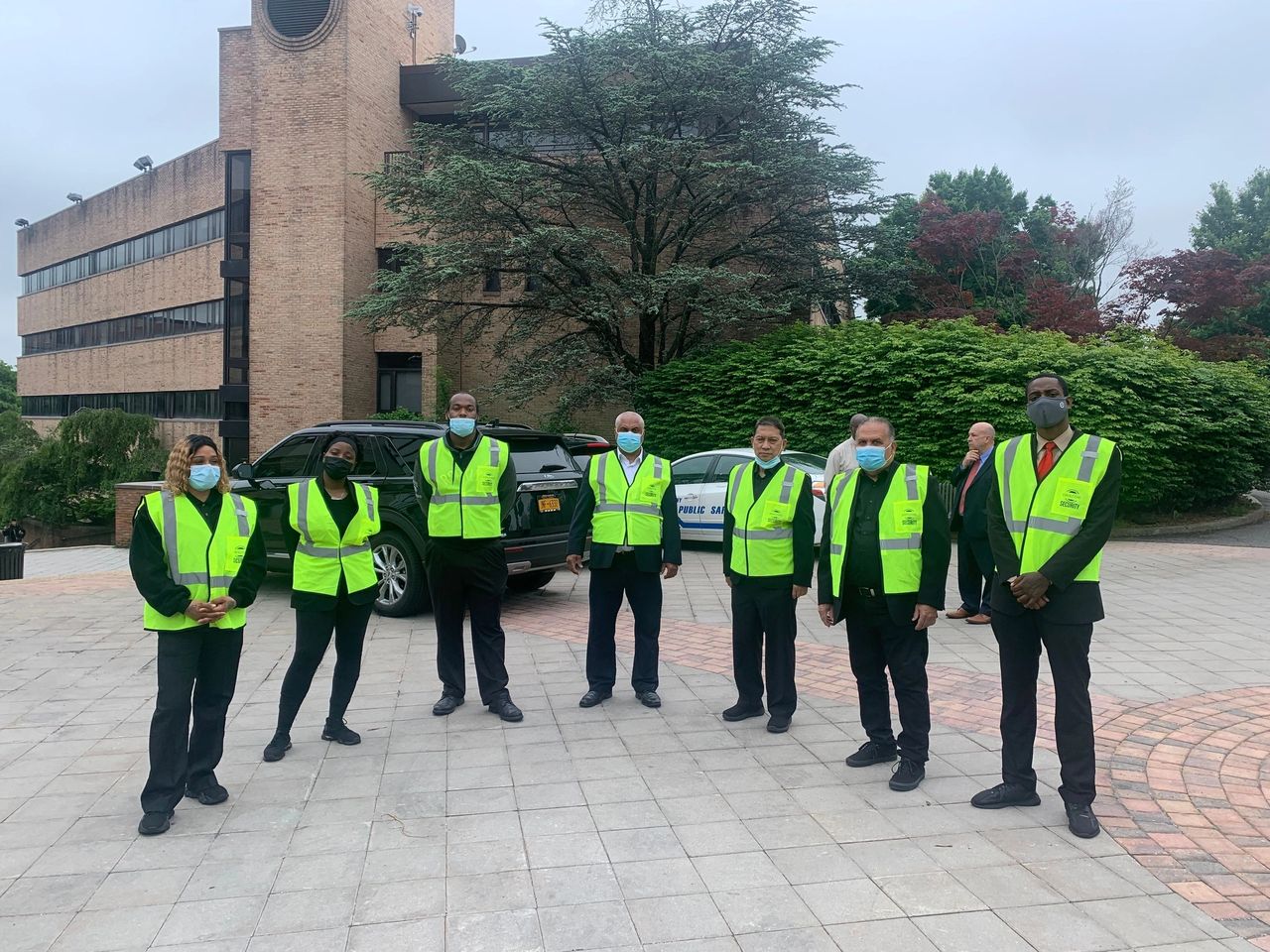
Bodyguard attire is paramount for both functionality and projecting professionalism. It should prioritize comfort and mobility, allowing bodyguards to react swiftly in any situation. A balance between practicality and style is crucial, with elements such as tailored suits, discreet earpieces, and well-maintained footwear contributing to a commanding presence while ensuring protection remains the top priority.
Understanding the Role of Bodyguards
Bodyguards, also known as close protection officers, play a crucial role in safeguarding individuals from potential threats in various settings. They are tasked with assessing and managing risks to their client’s safety, employing a range of tactics and strategies to deter or neutralize potential dangers. With extensive training in security protocols, defensive driving, and physical combat, they provide a vital layer of protection for high-profile celebrities, executives, and public figures, enabling them to navigate their daily lives with confidence and security.
What Do Bodyguards Call Their Clients?
Bodyguards often use professional and respectful terms to refer to their clients, emphasizing discretion and confidentiality. These terms can vary based on the context and client relationship:
- “Principal”: This is the most common term in the security industry, denoting the individual the bodyguard is protecting.
- “Client”: Used in general discussions, particularly when referring to the person they serve in business contexts.
- “Code Names or Initials”: For added confidentiality, bodyguards may use code names or initials, especially during radio communication.
- Titles: In formal scenarios, bodyguards may address their clients using titles such as “Mr.,” “Ms.,” or “Dr.,” depending on their preference.
Maintaining professional language fosters trust and reinforces the bodyguard’s role as a protector while ensuring communication remains clear and secure.
Practical Considerations
Comfort and mobility
Bodyguards rely on attire that prioritizes both comfort and mobility to respond to potential threats or emergencies swiftly. Their clothing must strike a balance between providing adequate protection and allowing for unrestricted movement. This ensures they can effectively execute their duties while remaining agile and responsive in dynamic environments.
Concealability of weapons and equipment
Bodyguards require specialized attire and accessories to carry weapons and equipment discreetly. Their clothing should offer ample concealment, such as hidden pockets or compartments, while still allowing for quick and easy access to their tools when required. This balance of concealment and accessibility is crucial for maintaining a low profile while being prepared to respond swiftly to any potential threats.
Climate and environmental factors
Bodyguards need attire that can withstand a range of weather conditions to ensure their ability to perform effectively in any environment. This means having clothing options that offer protection from both extreme heat and cold, such as lightweight, breathable fabrics for hot climates and insulated layers for colder regions. Additionally, versatile accessories like hats, gloves, and sunglasses can provide further protection from sun exposure or harsh winds.
The Importance of Proper Attire
Dressing for Success: The Significance of Appearance
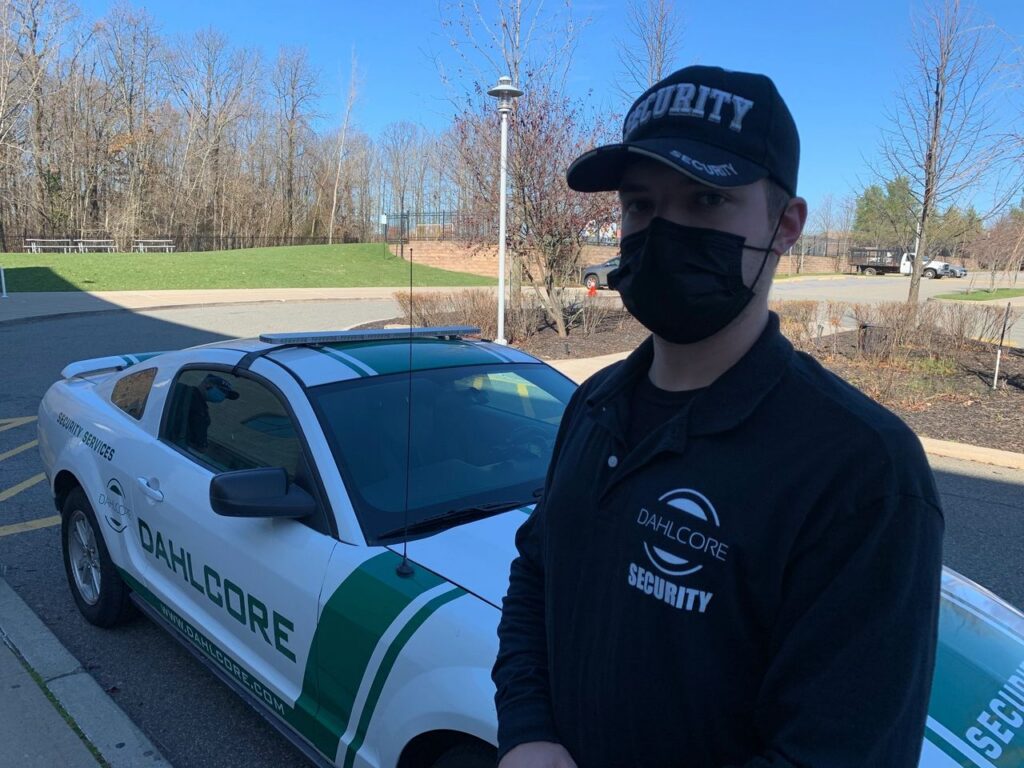
In the realm of personal security, first impressions matter. Bodyguards often serve as the face of their clients’ security detail, and their attire plays a pivotal role in shaping perceptions. A professional and well-groomed appearance not only instills confidence but also acts as a deterrent to potential threats.
Striking the Balance: Functionality vs. Fashion
While style is essential, functionality should never be compromised. Bodyguards require attire that allows for ease of movement while providing adequate protection against external threats. From bulletproof vests to discreet earpieces, each element of their attire serves a specific purpose in enhancing security measures.
Typical Bodyguard Attire
Clothing
- Suit and tie: Formal attire is often preferred for corporate or high-profile clients as it exudes professionalism and authority.
- Tactical clothing: In more casual settings or situations requiring heightened security, bodyguards may opt for tactical clothing designed for durability and functionality.
- Casual attire: Depending on the nature of the assignment, bodyguards may dress in casual clothing to blend in with the surroundings while maintaining readiness to respond to threats.
Footwear
- Dress shoes: Formal events or occasions may call for dress shoes to complement the overall attire and maintain a polished appearance.
- Tactical boots: For situations requiring ruggedness and support, tactical boots offer stability and protection, especially in challenging terrains.
Accessories
- Earpieces: Bodyguards often use earpieces for discreet communication with their team members or clients.
- Sunglasses: Not only do sunglasses protect the eyes from glare and sunlight, but they also add an air of mystery and intimidation.
- Gloves: Gloves provide protection for the hands and may also prevent fingerprints from being left behind, particularly in sensitive or covert operations
What Kind of Suits Do Bodyguards Wear?
Bodyguards typically wear suits that combine style, comfort, and functionality, ensuring they can maintain a professional appearance while performing their duties effectively. The type of suits they choose often includes the following features:
- Dark Colors: Black, navy, or charcoal are standard colors, as they project professionalism and are less likely to show dirt or stains.
- Tailored Fit: Custom-fitted suits allow for unrestricted movement, enabling bodyguards to respond swiftly if needed.
- Breathable Fabrics: Suits made from breathable materials like wool or blends with polyester ensure comfort during long hours of wear.
- Hidden Pockets: Many suits designed for security personnel include hidden pockets to carry communication devices, weapons, or other essential gear discreetly.
- Discreet Armoring: For high-threat environments, some bodyguards wear suits with built-in bulletproof or stab-resistant panels.
These suits allow bodyguards to maintain a balance between appearing professional and being prepared for any situation, reflecting their role as both protectors and professionals.
Components of Bodyguard Attire
Suiting Up: The Core Ensemble
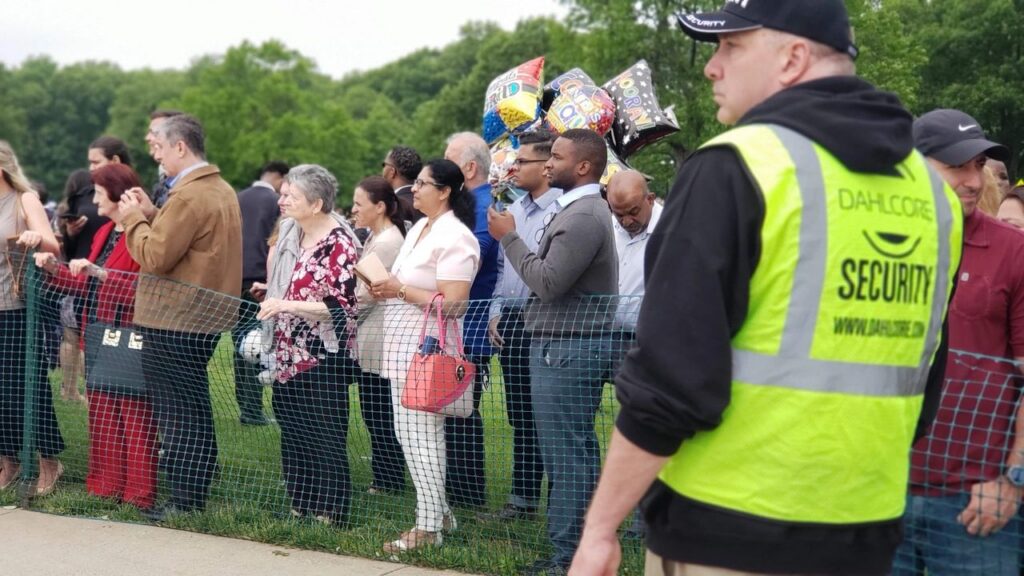
A bodyguard’s attire is anchored by a meticulously tailored suit, symbolizing both elegance and functionality. The choice of dark hues like navy or charcoal not only projects a commanding presence but also ensures adaptability across diverse settings. This classic ensemble serves as a cornerstone, seamlessly blending style with the practical demands of protection duties.
Concealed Protection: The Role of Bulletproof Vests
In high-risk situations, bodyguards depend on bulletproof vests to mitigate the potential risks posed by firearms. These vests are designed to be discreetly concealed beneath clothing, ensuring that the bodyguard maintains a professional appearance while remaining protected. The integration of bulletproof technology into everyday attire allows bodyguards to blend seamlessly into their surroundings while providing crucial protection against unforeseen dangers.
Tactical Accessories: Enhancing Preparedness
Bodyguards frequently rely on an array of tactical accessories to bolster their readiness for diverse scenarios. Sturdy boots are essential for navigating various terrains, ensuring they can swiftly move to protect their clients regardless of the environment. Tactical gloves provide added grip and protection, enabling them to maintain a secure hold on their weapons or quickly respond to physical threats with confidence.
Specialized Equipment
Firearms
Bodyguards often carry firearms as a measure of defense, particularly in high-threat environments or where local regulations permit. The presence of firearms can act as a deterrent and provide a means of protection in situations where the safety of the client is compromised. However, the decision to carry guns is typically made after careful consideration of the potential risks and legal implications.
Body armor
Body armor serves as a crucial layer of defense, mitigating the impact of potential threats and significantly decreasing the likelihood of injury. By absorbing and dispersing the force of projectiles or blunt force trauma, it provides a vital safeguard for individuals facing hazardous environments or hostile situations. Its use is paramount for law enforcement officers, military personnel, and security professionals, enhancing their safety and allowing them to execute their duties with greater confidence and security.
Communication devices
Bodyguards rely on radios or other communication devices to facilitate seamless coordination among team members, ensuring they can swiftly respond to any potential threats or changes in the environment. These devices enable real-time sharing of critical information, helping bodyguards maintain heightened situational awareness and adapt their strategies accordingly. Whether protecting a high-profile individual or securing an event, practical communication tools are indispensable for ensuring the safety and security of their clients.
Adaptations for Different Situations
High-profile events
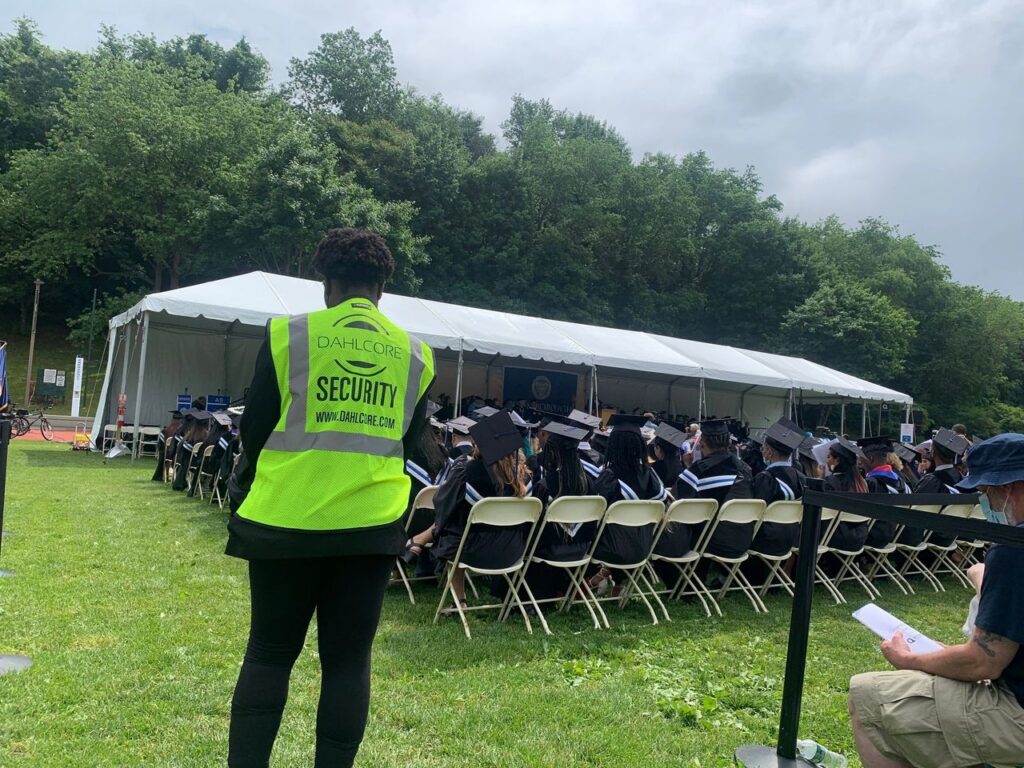
In settings where security is paramount, bodyguards may adopt more formal attire and employ heightened vigilance to ensure the safety of their clients.
B. Undercover operations: Bodyguards may need to blend into their surroundings and adopt inconspicuous attire to carry out undercover assignments effectively.
Traveling with clients
When accompanying clients on travel, bodyguards must meticulously navigate through varying airport security protocols, ensuring seamless transitions while maintaining the utmost vigilance for any potential threats. Additionally, they must remain culturally astute, understanding and respecting the customs and sensitivities of each region they visit to prevent any inadvertent offense or misunderstanding. This level of adaptability and awareness not only enhances the safety of the client but also fosters positive interactions and facilitates smooth travel experiences across diverse landscapes.
Cultural and Regional Variances
Traditional attire in certain regions
In specific cultural contexts, adhering to traditional attire is crucial for demonstrating respect and understanding of local customs. Wearing traditional clothing can facilitate smoother interactions and help avoid unintentional offense or discomfort. By embracing the local dress, individuals signal their appreciation for the culture and foster a sense of inclusivity within the community.
Cultural norms regarding appearance and demeanor
Bodyguards must be acutely aware of cultural norms regarding appearance and behavior to prevent unintentional offense or attracting undue attention. This entails understanding acceptable modes of dress, mannerisms, and communication styles in various cultural contexts. By adhering to these cultural sensitivities, bodyguards can effectively blend in and fulfill their protective duties without causing disruption or discomfort.
Maintaining a Professional Image
Grooming standards
Maintaining a neat and professional appearance is essential for bodyguards as it instills confidence and demonstrates readiness to handle any situation effectively. Grooming standards, encompassing regular haircuts, shaving, and meticulous personal hygiene, not only uphold a polished image but also ensure that distractions are minimized during critical moments. By adhering to these standards, bodyguards project an aura of reliability and competence, reinforcing their ability to protect and safeguard their clients with utmost dedication.
Posture and demeanor
Bodyguards must project an air of unwavering confidence through their demeanor and actions, instilling a sense of security in those they protect. Maintaining impeccable posture not only demonstrates physical readiness but also communicates a commanding presence that deters potential threats. Professionalism is paramount, as it fosters trust and reinforces the bodyguard’s capability to handle any situation with poise and authority.
Overall presentation
Attention to detail in attire and grooming enhances the professional image of bodyguards, instilling confidence in clients by demonstrating a commitment to excellence. By meticulously maintaining their appearance, bodyguards convey reliability and competence, fostering a sense of security and assurance among those under their protection. This meticulous attention to detail not only reflects professionalism but also serves as a visual deterrent, deterring potential threats and bolstering the overall effectiveness of the security team.
Do Bodyguards Always Wear Suits?
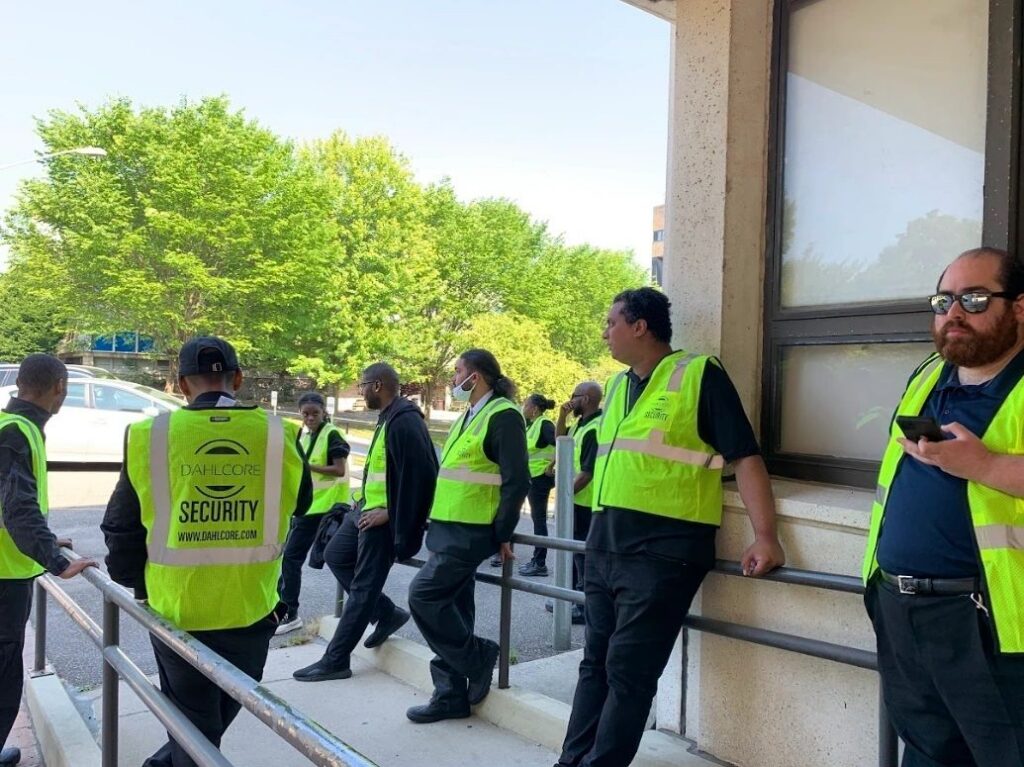
Bodyguards do not always wear suits. Their choice of clothing depends on the environment, threat level, and the preferences of their clients. While suits are common in formal settings, bodyguards adapt their attire to blend in and remain functional in various scenarios:
- Formal Events: At galas, business meetings, or diplomatic functions, suits are the standard for blending into professional environments.
- Casual Settings: For informal events, bodyguards may wear business casual attire, such as dress shirts and slacks, to ensure they are less conspicuous.
- Tactical Assignments: In high-risk situations or outdoor activities, bodyguards prioritize practicality. Tactical pants, jackets, and boots are common, offering durability and freedom of movement.
Flexibility in attire allows bodyguards to align their appearance with their client’s needs while maintaining their primary focus: protection.
Guidelines on Professional Attire
The Department of Homeland Security (DHS) emphasizes the importance of a professional image through appropriate attire. According to DHS guidelines, acceptable business casual dress includes slacks, khakis, polo shirts, and sweaters, while explicitly discouraging items like shorts, T-shirts with slogans, and flip-flops. These standards ensure that personnel maintain a professional appearance suitable for various operational contexts. U.S. Department of Homeland Security
Adaptable Protective Gear
The DHS has developed a Scalable Body Armor Carrier System designed for flexibility and situational adaptability. This modular system allows for the integration of soft or hard ballistic panels, enabling personnel to adjust their protective gear based on specific threat levels. Such innovations highlight the balance between safety and functionality in security operations. U.S. Department of Homeland Security
Addressing Common Questions
Q: Do bodyguards always wear suits?
A: While suits are a staple of bodyguard attire, the specific dress code may vary depending on the nature of the assignment. In some cases, more casual attire, such as business casual or tactical clothing, may be deemed appropriate.
Q: Are bodyguards required to carry weapons?
A: The use of weapons is contingent upon the regulations and licensing requirements of the jurisdiction in which the bodyguard operates. In certain situations, bodyguards may be authorized to carry firearms to protect their clients.
Q: How do bodyguards adapt their attire to different environments?
A: Bodyguards undergo extensive training to assess and adapt to various environments. This includes selecting appropriate attire that blends seamlessly with the surroundings while maintaining a high level of security.
Q: What role do communication devices play in bodyguard attire?
A: Communication devices, such as earpieces and radios, are essential tools for coordinating security operations. Bodyguards use these devices to maintain constant communication with their team members and respond swiftly to emerging threats.
Q: Are bodyguards trained in defensive tactics?
A: Yes, bodyguards undergo rigorous training in defensive tactics to neutralize threats and protect their clients effectively. This training encompasses a range of skills, including hand-to-hand combat and evasive maneuvers.
Q: How do bodyguards handle wardrobe malfunctions or emergencies?
A: Bodyguards are trained to anticipate and mitigate potential wardrobe malfunctions or emergencies. This includes carrying spare clothing and equipment to ensure continuity of security operations.
Conclusion
In the realm of personal security, attire is more than just clothing—it’s a symbol of professionalism, preparedness, and dedication to duty. By understanding the intricacies of bodyguard attire and its role in ensuring safety, we gain a deeper appreciation for the individuals who dedicate themselves to protecting others.
Check other blogs
Importance of Personal Safety Apps: Are You Protected?
What is Level 1 Security Guard? Roles, Duties, and Qualifications
Explore the 12 Most Challenging Neighborhoods in Manhattan, NYC
