

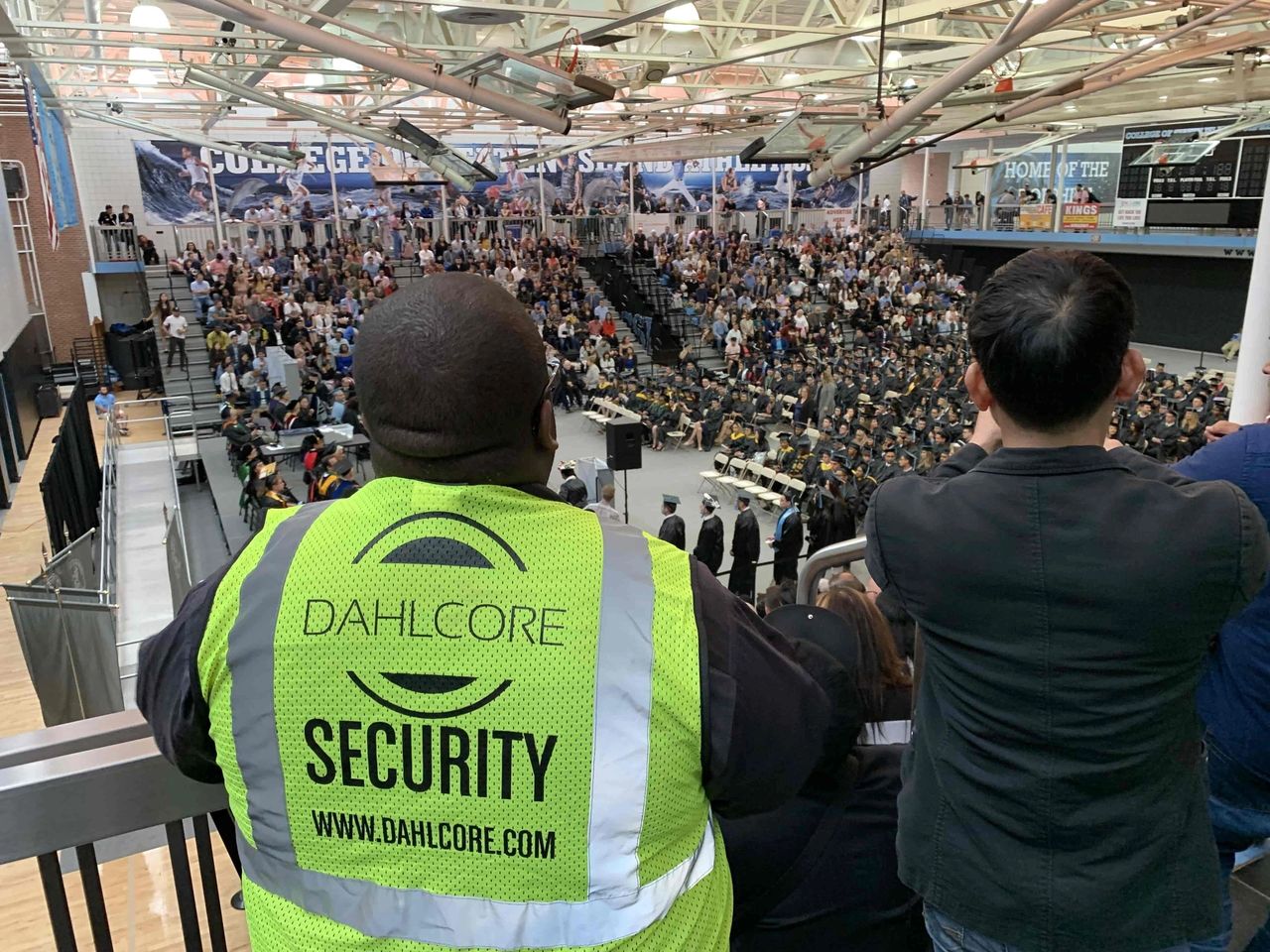
Access control is reminiscent of a plot element from a spy thriller. Still, it’s a concept that impacts each of us, particularly in the contemporary digitally-oriented society we live in today. Whether guarding a corporation’s treasures or simply keeping your social media account safe, understanding the role of access control is crucial. This article thoroughly explores the concept of access control and discusses how inadequate measures can significantly impact the security of your information.
Define Access Control. How Can Weak Access Controls Impact Information Security?
What do we mean when we talk about access control? Fundamentally, it’s a mechanism that decides who is granted access and who is denied—whether we’re referring to a brick-and-mortar structure, a digital network, or a virtual account. However, this only grazes the outer layer; let’s delve further.
What is Access Control?
Definition and Basics
Access control is a mechanism that permits or limits individuals from entering a specific area or obtaining access to particular data. It’s the bouncer at the door, the lock on your diary, or the password to your email. It can be as simple as a padlock or as complex as a biometric authentication system.
Types of Access Control
Numerous varieties of access control systems are available, spanning from fundamental lock-and-key arrangements to cutting-edge biometric scanners. Some of the most common types are:
- Physical Access Control
- Logical Access Control
- Role-Based Access Control
Importance in the Digital Age
With more and more of our lives being stored online, effective access control has never been more critical. Neglecting to safeguard access to digital assets can lead to severe outcomes like identity theft, data leaks, and financial harm.
Weaknesses in Access Control Systems
The Risks Involved
Weak access controls can compromise the integrity, confidentiality, and availability of information. Let’s say you have an invalid password for your online banking. If someone cracks it, they have the keys to your financial kingdom.
Case Studies: When Things Go Wrong
In recent years, there have been numerous high-profile cases where weak access controls led to significant breaches. For instance, the infamous Target data breach of 2013 was primarily due to ineffective access controls, allowing hackers to steal credit card information from 40 million customers.
Components of Access Control
Authentication
This is the process by which a system verifies the identity of a user who wishes to access it. Standard methods include passwords, smart cards, and fingerprint scans.
Authorization
Once authenticated, the system must decide what access level to grant. For example, an employee might be able to access general company files without financial documents.
Accounting
Also known as auditing, this aspect involves tracking user activities and keeping a record for future analysis. It’s essential for maintaining a secure environment and ensuring accountability.

Technological Solutions
Firewalls
Firewalls are a barrier between your network and potential threats, only allowing authorized traffic to pass through.
Biometric Systems
Technologies like fingerprint scanners and facial recognition provide an additional layer of security, making it difficult for unauthorized individuals to gain access.
Encryption
Data encryption ensures that even if someone gains access, the information they find will be unreadable without the correct decryption key.
Human Factors in Access Control
Employee Training
One of the weakest links in any security chain is human error. Regular training programs help employees recognize threats and take appropriate action.
Social Engineering
This involves manipulating people into giving away confidential information. It’s often easier to trick someone into giving you their password than to hack into a system.
Insider Threats
Sometimes, the threat comes from within. Disgruntled employees or contractors with access to the system can be a significant security risk.
Regulatory Guidelines
GDPR
The General Data Protection Regulation impacts businesses within the European Union, underscoring the significance of robust access control mechanisms for safeguarding user information.
HIPAA
The Health Insurance Portability and Accountability Act outlines the requirements for securing patient information in healthcare settings.
Other Global Regulations
Several countries have access control and data protection regulations, including Japan’s APPI and California’s CCPA.

The Future of Access Control
Machine Learning and AI
Due to the progress in machine learning and artificial intelligence, access control systems are becoming increasingly intelligent and flexible. They can now learn from previous activities to anticipate and stop potential breaches in the future.
Blockchain Technology
With its secure and transparent nature, blockchain offers promising avenues for developing more secure access control systems.
FAQs
What is Access Control?
It’s a system that restricts or allows individuals to enter a particular area or access specific information.
How can weak access controls impact my business?
Inadequate access controls can lead to data breaches, legal repercussions, and loss of customer trust.
What are some types of Access Control?
Some common types include physical, logical, and role-based access control systems.
What role do employees play in Access Control?
Employees are often the weakest link and must be educated about the risks and best practices.
How are technological advancements affecting Access Control?
New technologies like machine learning and blockchain make systems more secure and efficient.
Are there regulations I should be aware of?
Laws like GDPR and HIPAA are crucial to understand, as they have strict data protection and access control rules.
Conclusion
Access control is complex, yet it has immense significance in our digital existence. Despite its potentially intimidating nature, comprehending its complexities is imperative for individuals and businesses. Given the surge in technological progress and the growing expanse of global regulations, the present juncture is optimal for committing to resilient access control mechanisms. This endeavor safeguards data and assets and the invaluable commodities of trust and integrity.
Check other blogs
Effective Crime Prevention with Professional Security Patrols
