


Last updated: January 14, 2026
A disgruntled employee is a current or former worker who feels angry, frustrated, or betrayed by their employer and starts to disengage, resist policies, or act against the organization’s interests. This dissatisfaction can range from quiet withdrawal and poor performance to serious insider threats, theft, sabotage, or even workplace violence, especially during or after termination discussions.
What Is a Disgruntled Employee?
A disgruntled employee is more than just “unhappy at work.” It is someone whose dissatisfaction has hardened into resentment, hostility, or a desire to “get even” with the organization or specific people inside it. This frustration often grows from perceived unfairness, lack of recognition, or conflicts that are never resolved.
From a psychological perspective, disgruntled workers may feel humiliated, disrespected, or cornered, especially when they believe they have no voice or no safe way to air complaints. These emotions can lead to rumination, grievance–building, and a belief that the only way to regain control is through retaliation or obstruction.
Behaviorally, these employees may withdraw from teamwork, ignore instructions, push back against supervisors, or quietly undermine company goals. Over time, this can evolve into active misconduct such as policy violations, data misuse, property damage, or threats toward colleagues.
Organizationally, disgruntled employees increase risk far beyond low morale. They can damage productivity, erode culture, and create conditions where insider threats and workplace violence become more likely if warning signs are missed or ignored.
Security-Focused Definition for Guards and Managers
In a security context, a disgruntled employee is a current or former worker whose anger and grievance create a measurable risk to people, property, data, or reputation. This includes employees on the job, those going through a termination process, and ex-employees who retain knowledge or access.
Security teams treat disgruntled employees as potential insider threats because they understand systems, schedules, blind spots, and emergency procedures better than outsiders. Their familiarity can be used to bypass access controls, disable alarms, or time an incident when the site is most vulnerable.
During high-risk terminations and layoffs, the disgruntled employee profile becomes especially important. Research and industry case experience show that workplace violence incidents often follow a buildup of perceived grievances, disciplinary actions, or publicly humiliating events linked to performance or termination.
Ex-employees can remain a risk long after they leave the building, particularly if digital access, badges, keys, or vendor credentials are not shut down quickly. Even without access, knowledge of routines and security gaps can help them plan vandalism, stalking, or other forms of retaliation.
Disgruntled Employee vs Difficult vs Toxic
Not every challenging worker is truly disgruntled from a security standpoint. The table below helps clarify key differences.
Disgruntled employee
- Core attitude: Feels wronged, betrayed, or humiliated by employer
- Typical behavior patterns: Grievance-focused, resistant, may threaten complaints or “getting even,” may violate policies
- Security risk level: Medium to high: insider threat, sabotage, theft, or workplace violence if grievances escalate
Difficult employee
- Core attitude: Often argumentative or uncooperative, but not vengeful
- Typical behavior patterns: Pushes back on rules, clashes with management, complains, but still tied to job performance
- Security risk level: Low to medium: operational friction and morale issues more than direct security threats
Toxic employee
- Core attitude: Actively damages culture and relationships
- Typical behavior patterns: Bullying, harassment, gossip, undermining coworkers, creating hostile environment
- Security risk level: Medium: may trigger claims, turnover, and emotional harm; can overlap with disgruntlement over time
Disgruntled employees may start as “difficult” or “toxic,” but what sets them apart is the intensity of grievance and the willingness to harm the organization or others to express it.

Common Causes of Disgruntled Employees
- Unresolved grievances: Perceived unfair treatment, favoritism, or harassment that never receives a proper investigation or resolution.
- Discipline and termination issues: Negative performance reviews, demotions, or poorly handled terminations that feel sudden or humiliating.
- Low pay and limited growth: Long hours, modest wages, and no realistic path to advancement are common drivers in security and other blue‑collar roles.
- Toxic culture: Disrespect, constant teasing, or public criticism by supervisors strongly contributes to anger and potential violence in a subset of cases.
- Weak communication and HR processes: Confusing policies, poor feedback, and a lack of transparent grievance procedures increase the chance that minor issues become major resentments.
For security companies, these causes overlap with operational pressures: rotating shifts, high-stress posts, and limited contact with leadership can all intensify feelings of isolation and frustration among guards.
Security Risks from Disgruntled Employees
Disgruntled employees are a core category of insider threat. They can use legitimate access and knowledge to harm the organization in ways outsiders cannot.
Key security risks include:
- Physical security breaches: Propping doors open, bypassing access control, sharing badges, or disabling cameras during critical windows.
- Privilege abuse and data exfiltration: Misusing system credentials, downloading sensitive data, or leaking confidential information to competitors or the public.
- Sabotage and theft: Damaging equipment, altering logs, deleting files, or stealing inventory, tools, or intellectual property to cause loss or embarrassment.
- Workplace violence and threats: In extreme cases, disgruntled workers have committed shootings and other attacks following termination or major conflicts, with research noting termination, interpersonal problems, and teasing as common triggers.
A security program that ignores disgruntled employees focuses only on outside intruders while leaving major internal vulnerabilities exposed.
Real-World Scenarios Security Guards See
Security guards are often the first to notice when a disgruntled employee situation is brewing. Typical scenarios include:
- Terminated employee returning to the site: A recently fired worker attempts to re‑enter the building, arguing with reception or refusing to return their badge, sometimes after making threats online or to coworkers.
- Sabotage attempts on equipment or systems: An angry technician resets access control panels, disables cameras on a particular floor, or damages vehicles or tools before leaving the job.
- Theft of company assets: A resentful worker gradually removes inventory, laptops, or confidential files, justifying it as “payback” for perceived unfair treatment.
- Escalating confrontations or violent outbursts: An employee with a long‑standing grievance suddenly shouts, threatens coworkers, or hints that they will come back to “settle a score,” behavior linked in studies to some high-impact workplace violence cases.
Security officers must treat these as potential threat indicators, not just “HR problems,” and follow clear escalation and incident reporting procedures.
Warning Signs of a Disgruntled Employee
While no list can predict every incident, certain patterns should trigger concern and follow‑up.
Common early warning signs include:
- Decreased productivity: Noticeable drop in work quality, missed deadlines, or refusal to complete routine tasks.
- Negative attitude: Frequent complaints about management, angry comments, sarcasm, or blaming others for every issue.
- Isolation and withdrawal: Pulling away from coworkers, avoiding team activities, or spending long periods alone on post.
- Policy violations: Ignoring safety procedures, bypassing access control, or breaking minor rules to “send a message.”
- Fixation on grievances: Constantly revisiting a past incident, disciplinary action, or perceived slight, sometimes with talk of revenge.
- Threats or intimidation: Verbal or written threats, aggressive body language, or talk about weapons, which ASIS and other standards treat as workplace violence behaviors.
- Sabotage attempts: Damaging property, deleting files, hiding tools, or “accidentally” causing disruptions to operations.
Security guards should learn these patterns and report them through structured channels rather than dismissing them as “just venting.”
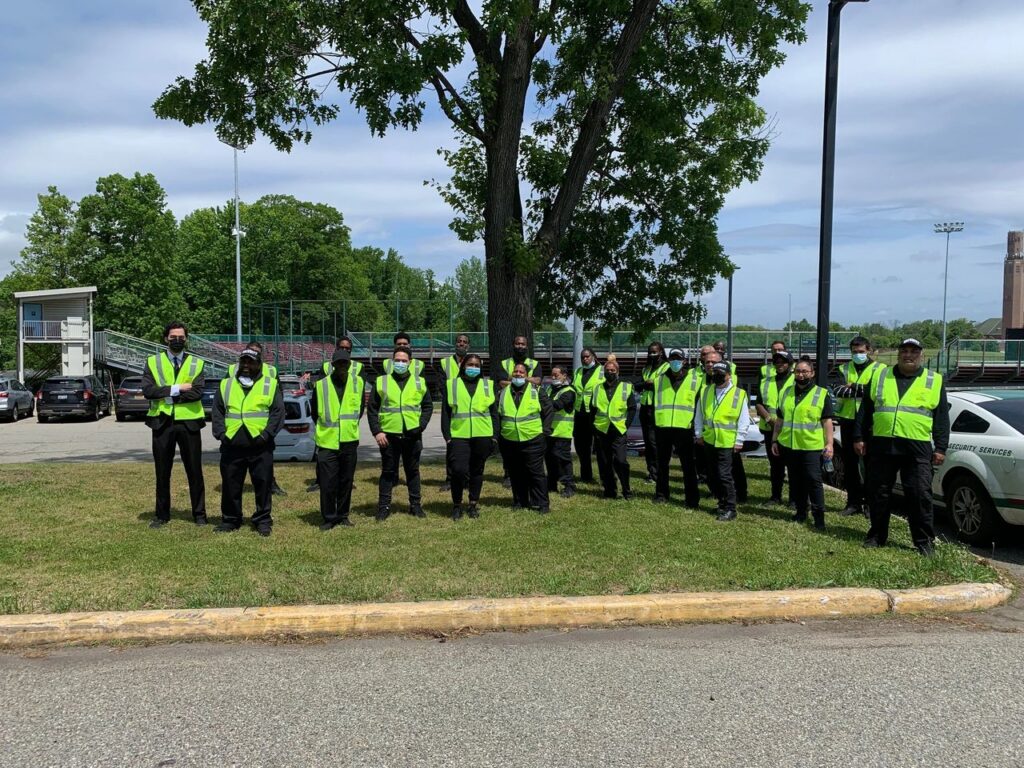
The Security Guard’s Perspective
Security guards occupy a front‑line position where they can see subtle changes in an employee’s demeanor, access patterns, and interactions long before a formal HR complaint is filed.
From the guard’s vantage point, important indicators include:
- Changes in arrival and departure times, especially visits outside normal shifts.
- Attempts to enter restricted areas or tailgate through doors where the employee has no business purpose.
- Emotional behavior at access points, including arguments about badges, keys, or visitor policies.
- Comments made to guards about “not caring anymore,” being “done with this place,” or hinting at revenge.
Training guards to document and escalate these observations gives management and HR an early-warning system for potential insider threats and workplace violence.
Disgruntled Employee vs Insider Threat
Not all disgruntled employees become insider threats, but many insider threats start with disgruntlement.
- A disgruntled employee is defined by attitude and emotion: anger, resentment, or a belief of being wronged.
- An insider threat is defined by behavior: any person with legitimate access who intentionally uses that access to harm the organization, including through violence, theft, or sabotage.
The line is crossed when frustration turns into deliberate actions that compromise safety, security, data, or operations. These actions can involve physical intrusion, digital attacks, or violent acts against coworkers.
Security programs should have protocols for detecting disgruntlement early (through reports and behavioral observation) and for transitioning to formal insider threat procedures when concrete risk indicators appear.
Action Plan for Security Guards and Managers
When dealing with a potentially disgruntled employee, security guards and managers should follow a clear, repeatable process.
1. Recognize the signs
- Train guards and supervisors to spot behavioral, performance, and access-related indicators of disgruntlement and potential violence.
2. Document incidents
- Record dates, times, locations, and specific behaviors, including any threats, access issues, or policy violations, in a standardized incident report.
3. Report to HR and leadership
- Share documented concerns with HR, security leadership, and, where appropriate, legal counsel for coordinated assessment.
4. Escalate security protocols
- Based on risk level, consider short‑term access restrictions, added security presence, and pre‑termination planning, especially for high-risk terminations.
5. Plan and secure terminations
- For employees identified as higher risk, use a controlled, neutral location; schedule security presence; and ensure immediate removal of physical and digital access.
6. Monitor post-termination behavior
- Watch for attempts to re‑enter the site, online threats, or contact with staff, and coordinate with law enforcement as needed.
7. Review and improve policies.
- After each incident, evaluate how policies, communication, and culture could be improved to reduce the chance of similar grievances escalating in the future.
This process aligns with recognized workplace violence and security frameworks that emphasize early detection, structured incident management, and coordinated response.
Security Guard Pre-Termination Checklist (Interactive Concept)
Before a potentially high‑risk termination, security managers and guards can use a checklist to evaluate risk levels and plan appropriate controls.
Key elements to review:
- Behavioral indicators: Recent threats, aggression, fixation on grievances, or fascination with weapons or prior incidents.
- Access and assets: Current keys, badges, system credentials, remote access, and any company property the employee controls.
- Location planning: Private, controlled room with clear exits and discreet security presence nearby.
- Coordination: Alignment between HR, security, and legal on timing, script, severance, and follow‑up steps.
- Post-exit controls: Immediate revocation of access, change of key codes, device collection, and monitoring for return attempts.
Converting this checklist into a downloadable “Disgruntled Employee Risk Assessment Form” gives security teams a practical tool to standardize decision‑making and documentation.
FAQs About Disgruntled Employees and Security
What is a disgruntled employee?
A disgruntled employee is a current or former worker who feels deeply dissatisfied or wronged by the organization and begins to disengage, resist policies, or act in ways that harm the company’s interests, sometimes including security breaches or violence.
What causes employees to become disgruntled?
Common causes include perceived unfair treatment, poor communication, lack of advancement, toxic culture, and badly handled discipline or termination, especially where humiliation or disrespect is involved.
What are the signs of a disgruntled employee?
Warning signs include lower performance, negative attitude, isolation, repeated complaints about the same grievance, policy violations, threats, and minor acts of sabotage or property damage.
When does a disgruntled employee become dangerous?
Risk rises when grievances intensify, threats appear, access is misused, or there is talk of revenge or weapons, particularly around performance reviews or terminations that feel unfair or humiliating.
How should security guards handle a disgruntled employee on-site?
Guards should stay calm, avoid arguing, document behavior, follow post orders, and escalate concerns to supervisors, HR, and, if needed, law enforcement rather than confronting the person alone.
What security steps are important during a high‑risk termination?
Best practices include planning the meeting with security input, using a neutral room, scheduling security presence, disabling access in real time, and escorting the former employee off-site respectfully.
How can companies prevent employees from becoming dangerously disgruntled?
Effective prevention includes clear workplace violence policies, respectful performance management, fair grievance procedures, mental health support, and a culture where employees can report issues early.
Check other blogs
5 Reasons Why Concert Security Counts: How Many Officers You Need
