

Emergency rooms are vital components of our healthcare system, often dealing with life-threatening situations and high-stress environments. In this challenging setting, the presence of security guards plays a pivotal role in maintaining order and safety. This article delves into the importance of vigilance and the multifaceted role of security guards in emergency rooms.
The Essential Role of Security Guards in Emergency Room Safety
A Shield Against External Threats:
Security guards in emergency rooms are not just personnel; they are the unsung heroes who ensure a safe environment for both patients and medical staff. They are trained to handle a variety of external threats, ranging from potential intruders to managing unexpected security breaches. Their presence is crucial in detecting and preventing incidents that could escalate into dangerous situations, thus ensuring the safety and security of everyone in the emergency room.
Maintaining Order in High-Stress Situations:
In the high-stress, fast-paced environment of an emergency room, maintaining order is paramount. Security guards are skilled in de-escalating tense situations, often caused by emotional stress or confusion. They provide a sense of calm and control, ensuring that medical staff can focus on their primary duty of saving lives without the added burden of managing security concerns.
Emergency Room Security Challenges and Strategies
Handling Aggressive Behavior:
Aggressive behavior, whether from patients, visitors, or even staff, poses a significant challenge in emergency rooms. Security guards are trained in conflict resolution and aggression management techniques. They employ strategies like verbal de-escalation and, if necessary, physical intervention to manage such situations effectively, always prioritizing the safety and well-being of all involved.
Surveillance and Monitoring:
The use of technology, such as CCTV and access control systems, plays a crucial role in the surveillance and monitoring of emergency rooms. These technologies enable security guards to monitor activities continuously, detect potential threats early, and respond promptly. This technological support not only enhances the ability of guards to maintain vigilance but also serves as a deterrent to potential wrongdoers.
Collaboration with Medical Staff for Patient Safety
Joint Efforts in Managing Patient Flow:
The collaboration between security guards and medical staff is vital for managing patient flow efficiently and safely. Security personnel assist in guiding patients and visitors, managing queues, and ensuring that emergency pathways remain clear for urgent cases. This collaboration ensures a streamlined flow of patients, aiding in effective emergency response and patient care.
Emergency Situations: The Role of Security in Medical Emergencies:
During medical emergencies, the role of security guards extends beyond traditional security duties. They often assist in clearing paths for medical staff and equipment, controlling crowds, and even providing essential first-aid support. Their quick response and assistance during such critical moments can make a significant difference in patient outcomes.
Training and Skills Required for Emergency Room Security Guards
Specialized Training for Healthcare Security:
Security guards in emergency rooms undergo specialized training tailored to the unique challenges of healthcare settings. This training includes understanding healthcare protocols, patient privacy laws, and specific emergency response techniques. Such specialized training ensures that they are well-equipped to handle the nuanced and sensitive environment of an emergency room.
Skills That Make an Effective Emergency Room Security Guard:
Effective emergency room security guards possess a unique set of skills. These include strong communication skills, empathy, alertness, and the ability to make quick decisions. Their training also emphasizes the importance of being able to work calmly under pressure and having a thorough understanding of emergency procedures.
Legal and Ethical Considerations in Emergency Room Security
Understanding the Legal Boundaries:
Security guards in emergency rooms must operate within specific legal boundaries. They need to be aware of laws related to physical intervention, patient privacy, and public safety. Regular training sessions help them stay updated on legal changes, ensuring their actions always comply with the law. This legal awareness not only protects the hospital from potential lawsuits but also ensures respectful and lawful treatment of patients and visitors.
Ethical Challenges and Solutions:
Emergency room settings present unique ethical challenges. Security guards often encounter situations requiring them to balance safety with compassion and empathy. They must make decisions that reflect ethical considerations, such as respecting patient dignity while ensuring a secure environment. Ongoing ethical training and guidance help them navigate these complex situations effectively.
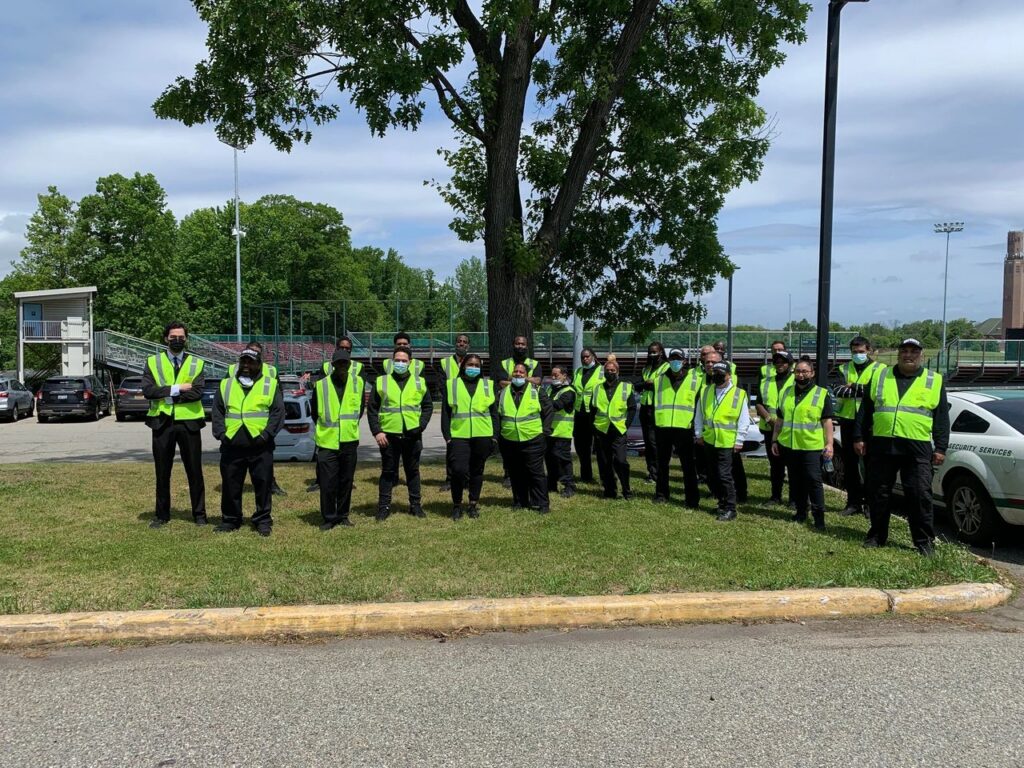
The Importance of Vigilance: Security Guards in Emergency Rooms
Proactive Vigilance: A Key to Emergency Room Safety:
Proactive vigilance is at the heart of adequate emergency room security. Security guards must constantly be alert to potential risks or unusual activities. This proactive approach involves regular patrols, monitoring surveillance systems, and staying informed about the emergency room’s current state. Such vigilance is crucial in preempting incidents before they escalate.
Case Studies: The Impact of Vigilant Security in Emergency Situations:
Real-life case studies demonstrate the positive impact of vigilant security in emergency rooms. Instances where security intervention prevented potential violence or de-escalated tense situations highlight the vital role that these professionals play in maintaining a safe healthcare environment.
Technology and Innovation in Emergency Room Security
Leveraging Technology for Enhanced Security:
Advancements in technology play a significant role in enhancing emergency room security. The integration of high-definition surveillance cameras, advanced access control systems, and emergency alert systems provides security guards with tools to protect patients and staff better. These technological solutions allow for quicker response times and more effective management of security threats.
Innovative Practices in Healthcare Security:
Healthcare facilities are increasingly adopting innovative practices in security management. These include employing artificial intelligence for threat detection, using data analytics for predicting potential security breaches, and implementing mobile security applications for real-time communication. Such innovations are setting new standards in emergency room security, making environments safer for everyone.
Addressing the Emotional Impact on Security Guards
The Emotional Toll of Emergency Room Security:
Working in high-stress environments like emergency rooms can take an emotional toll on security guards. They often witness traumatic situations and may experience stress, anxiety, or burnout. Recognizing and addressing these emotional impacts is crucial for their well-being.
Support Systems for Security Personnel:
Many healthcare facilities now offer support systems for their security staff, including counseling services, stress management workshops, and peer support groups. These resources are essential for helping security guards manage the emotional aspects of their job and maintain their mental health.
The Relationship Between Security and Patient Experience
Security Measures and Patient Perception:
The implementation of security measures in emergency rooms can significantly impact patient perception. Patients and their families need to feel safe, but overly stringent security measures can create an unwelcoming environment. Finding the right balance is crucial to ensure patient comfort and trust in the healthcare system.
Balancing Security and Patient-Centered Care:
It’s important to integrate security measures in a way that does not compromise patient-centered care. This involves training security guards to interact with patients and their families compassionately, ensuring that security protocols do not impede patient access to care, and continuously evaluating the impact of security measures on patient experience.
Community Outreach and the Role of Security in Public Relations
Building Trust with the Community:
Security guards play a significant role in building trust between emergency rooms and the communities they serve. Community outreach programs, open dialogues about safety concerns, and participation in local events help strengthen this trust. Security personnel can act as ambassadors for the hospital, demonstrating a commitment to the safety and well-being of the community.
Public Relations and Emergency Room Security:
Adequate security contributes positively to the public perception of healthcare facilities. When patients and the community feel confident about their safety in emergency rooms, it enhances the facility’s reputation. This positive perception is crucial for building long-term relationships with the community and fostering a sense of mutual respect and trust.
The Future of Emergency Room Security
Emerging Trends in Healthcare Security:
The field of emergency room security is evolving rapidly, with new trends emerging regularly. These include a greater focus on holistic security approaches that integrate physical, technological, and human factors and the use of predictive analytics to anticipate and mitigate security risks.
Preparing for Tomorrow: The Evolving Role of Security Guards:
As healthcare environments become more complex, the role of security guards in emergency rooms is expected to evolve. They will likely take on more responsibilities, requiring additional training and skills. Staying ahead of these changes and preparing for future challenges will be essential for maintaining the effectiveness and relevance of security personnel in these critical settings.
FAQs
How do security guards contribute to the safety of emergency room staff?
Security guards play a vital role in ensuring the safety of emergency room staff by managing disruptive behavior, securing the premises, and assisting in crises, thus allowing medical professionals to focus on patient care without safety concerns.
What kind of training do security guards in emergency rooms undergo?
Security guards in emergency rooms undergo specialized training in conflict resolution, emergency response, legal and ethical aspects of healthcare security, and sometimes essential medical assistance to manage the unique challenges of the healthcare environment effectively.
How does the presence of security guards impact the patient experience in emergency rooms?
The presence of security guards in emergency rooms can significantly enhance patient experience by creating a sense of safety and order, which is particularly important in high-stress environments like emergency rooms.
In what ways do security guards collaborate with medical staff during emergencies?
During emergencies, security guards collaborate with medical staff by managing crowd control, ensuring clear access for medical personnel and equipment, and assisting in crises to maintain a safe and effective environment for patient care.
What are the challenges faced by security guards in emergency room settings?
Challenges faced by security guards in emergency rooms include handling aggressive behavior, balancing security with patient care, dealing with high-stress situations, and staying updated with legal and ethical protocols specific to healthcare settings.
How is technology enhancing the effectiveness of security in emergency rooms?
Technology enhances the effectiveness of security in emergency rooms through advanced surveillance systems, access control mechanisms, emergency communication tools, and the integration of AI and data analytics for proactive security management.
Conclusion
The importance of vigilance by security guards in emergency rooms cannot be overstated. Their role is multifaceted, extending beyond traditional security duties to encompass aspects of safety management, legal compliance, emotional support, and public relations. As the healthcare landscape evolves, so will the demands on these crucial members of the emergency room team. Their ongoing training, adaptability, and dedication to their role are essential for the continued safety and efficiency of our healthcare facilities. As we move forward, the integration of technology, innovation, and comprehensive support systems will be vital in enhancing the effectiveness and resilience of security personnel in these challenging environments.
Check other blogs
11 Effective Strategies for Ensuring Construction Site Security
Why Data Loss Prevention is Vital: Safeguard Your Digital Future
Boost Commercial Security: 5 Vital Steps for the Digital Era
How Security Guards Handle Sensitive Information and Keep Records
