

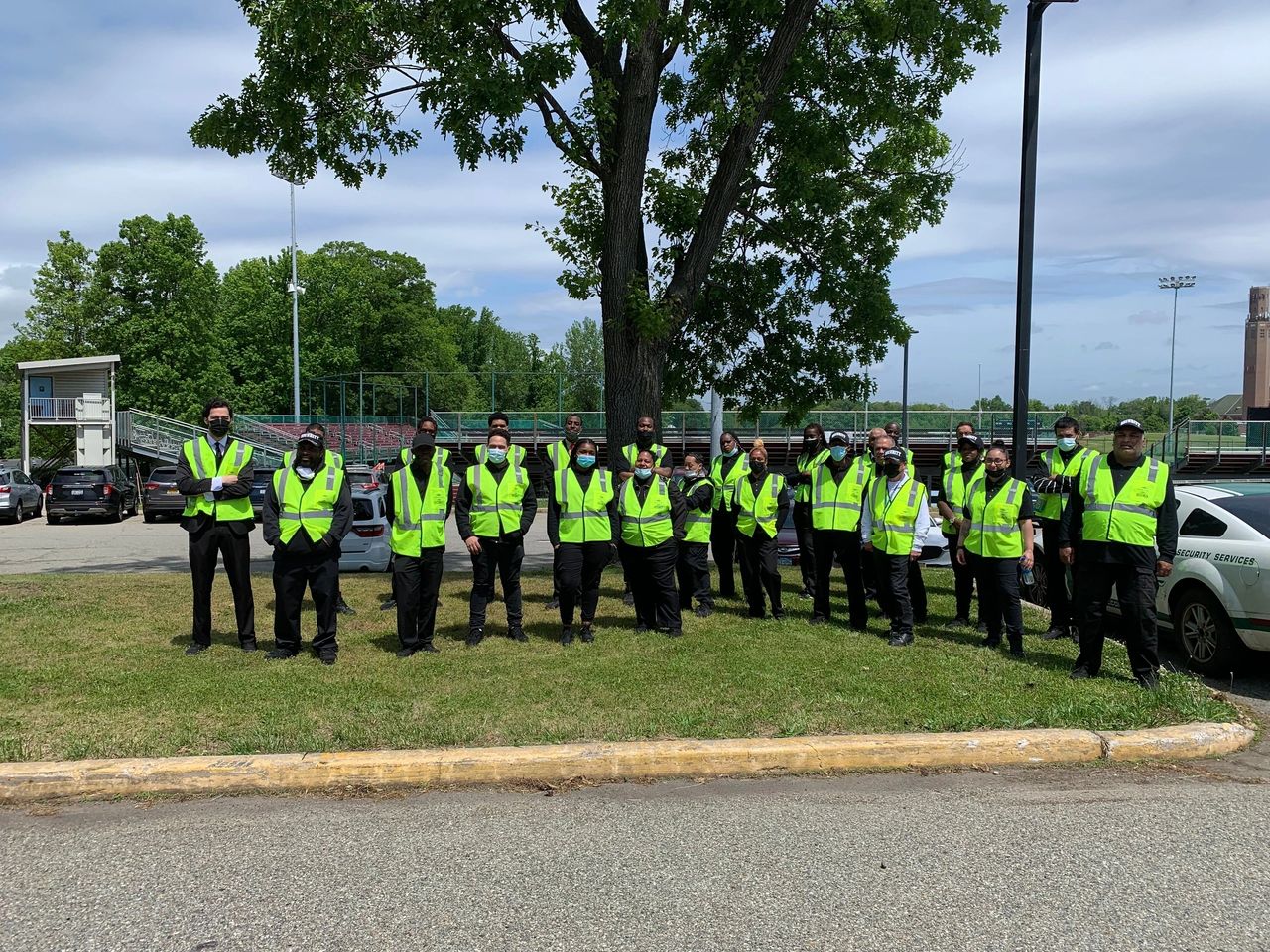
“Security Guard License Requirements: Complete State Guide”
Security guards are crucial to maintaining public safety and order. However, becoming a security professional requires more than just willingness; you must obtain a proper license. Each state has its unique requirements, making it essential to understand the specific guidelines where you plan to work.
This guide provides a comprehensive overview of security guard license requirements, equipping you with the knowledge to kickstart your security career.
What is a Security Guard License?
A security guard license is a formal authorization that allows individuals to perform security duties legally. It signifies that the holder has met the minimum standards of training and competency set by the state.
Licensed security guards are responsible for protecting property, ensuring the safety of individuals, and responding to emergencies. From patrolling premises to managing access control, a licensed guard plays a pivotal role in maintaining order.
Why is a Security Guard License Necessary?
Licensing ensures that security guards are properly trained to respond to emergencies, handle conflicts, and maintain a secure environment. It also establishes clear professional standards, creating an expectation of competence and integrity that benefits both employers and the public. Without licensing, untrained individuals may fail to perform their duties adequately, leading to potential risks that could jeopardize safety and security, which is why licensing is essential for safeguarding lives and property.
General Requirements Across States
While specific requirements vary, most states have some common criteria for obtaining a security guard license:
- Minimum Age: Applicants must typically be at least 18 years old.
- Background Check: A clean criminal record is often a prerequisite.
- Training: Most states require the completion of a basic security training program covering topics such as legal powers, emergency procedures, and the use of force.
- Application Fee: States charge a fee for processing license applications.
- Fingerprinting: Applicants are often required to submit fingerprints for a thorough background check.
Common Licensing Requirements for Security Guards
Obtaining a security guard license typically involves meeting several key requirements to ensure candidates are qualified and trustworthy. Here are the most common criteria:
- Background Checks: Most states require a thorough criminal history check to ensure candidates have a clean record. Some states may also require credit checks or drug screenings.
- Fingerprinting: As part of the background check, candidates are often required to provide fingerprints to verify their identity and confirm the accuracy of their records.
- Minimum Age: Generally, candidates must be at least 18 years old to qualify for a security guard license. For armed positions, the minimum age may be higher, depending on state regulations.
- Training Requirements: Many states mandate pre-assignment training that covers essential topics, including legal authority and limitations, observation and reporting, emergency response, and communication skills.
- Firearm Training: Candidates pursuing armed guard positions must complete specialized firearms training. This typically involves both classroom instruction and practical range qualification.
- License Renewal: Security guard licenses must be renewed periodically. Renewal often requires completing continuing education courses or refresher training to maintain competency.

State-Specific Security Guard License Requirements
Below are examples of state-specific requirements:
California
- Completion of a 40-hour training program (8 hours before employment, 16 hours during the first 30 days, and 16 hours within six months).
- Registration with the Bureau of Security and Investigative Services (BSIS).
- Pass a criminal background check through the Department of Justice (DOJ) and the FBI.
New York
- Completion of an 8-hour pre-assignment training course and a 16-hour on-the-job training course within 90 days of employment.
- Registration with the New York State Division of Licensing Services.
- Annual completion of an 8-hour in-service training course.
Texas
- Submission of fingerprints and a thorough background check.
- Completion of Level II training for non-armed security guards.
- For armed guards, Level III training is required, including firearms proficiency.
Florida
- Completion of the “Class D” security license training (40 hours).
- Application to the Florida Department of Agriculture and Consumer Services.
- Renewal of the license every two years.
Steps to Obtain Your Security Guard License
- Research State Requirements: Start by understanding the specific licensing requirements in your state.
- Complete Training: Enroll in a state-approved training program to meet educational requirements.
- Submit Application: Fill out the necessary forms and pay the application fee.
- Undergo Background Check: Provide fingerprints and consent to a criminal record check.
- Receive Your License: Once approved, you’ll receive your security guard license, allowing you to start work.
Maintaining Your License
Most states require security guards to renew their licenses periodically. This may involve:
- Paying renewal fees.
- Completing continuing education or refresher training courses.
- Updating personal information with the licensing agency.

Potential Penalties for Non-Compliance
Failure to comply with licensing requirements or violating regulations governing security work can result in significant penalties. These may include:
- Fines: Monetary penalties can range from a few hundred to several thousand dollars, depending on the severity of the violation. For example, in Illinois, employers knowingly hiring unlicensed security guards can face fines of up to $10,000.
- License Suspension or Revocation: Violations can lead to temporary or permanent loss of a security guard license, effectively barring individuals from working in the field.
- Criminal Charges: In serious cases, particularly where public safety is compromised, violators may face criminal prosecution.
Note: Licensing requirements and penalties vary by state, so it’s important to review the specific regulations in the relevant jurisdiction to ensure compliance.
FAQs
How long does it take to get a security guard license?
The time to get a security guard license varies by location, but it typically takes a few weeks to a few months. This includes completing required training, background checks, and submitting the necessary application.
Can I work in multiple states with one license?
In most cases, a professional license is issued by individual states, so you’ll need to check each state’s specific requirements. Some states have reciprocity agreements that allow professionals to work in multiple states with one license, while others may require additional certifications.
Are online training programs credible?
Online training programs can be credible if they are offered by reputable institutions or organizations with recognized certifications. However, it’s important to verify the credentials and reviews of the program before enrolling to ensure its quality and value.
Do I need a license for volunteer security work?
In most places, you generally don’t need a specific license for volunteer security work, but the organization you are volunteering with may require certain training or certifications. It’s best to check local regulations and the requirements of the organization to ensure compliance.
What disqualifies someone from getting a license?
Someone can be disqualified from getting a license if they have a criminal record related to fraud, dishonesty, or other serious offenses. Additionally, a history of substance abuse or failure to meet specific educational or professional qualifications may also disqualify an individual.
How can I upgrade from an unarmed to an armed license?
To upgrade from an unarmed to an armed license, you typically need to complete the required training and certification courses for carrying a firearm. Afterward, you can apply for an armed license through your local licensing authority or police department.
Conclusion
Obtaining a security guard license is a vital step toward building a career in the security industry. By meeting your state’s specific requirements and maintaining your credentials, you’ll position yourself as a qualified and trustworthy professional. Use this guide as a starting point, and always check with your state’s licensing authority for the most up-to-date information.
Embark on your journey as a security professional today by ensuring you meet the necessary security guard license requirements by state. Your dedication to compliance and training will pave the way for a successful and rewarding career.
Check other blogs
Tailored Security Solutions in Large-Scale Construction Projects
Where Can I Purchase Access Control Security: Your Complete Guide
