

Updated Date: November 26, 2025
What to Do if You Have a Witness After an Incident
If your business, property, or event has just had an incident and someone steps forward as a witness, your security response in the first few minutes is critical.
- Calmly move the witness to a safe, quiet area away from suspects, crowds, or media.
- Assign a security guard or manager to stay with the witness and reassure them that their safety and privacy will be protected.
- Collect only essential details at first, while preserving the witness’s ability to provide a full statement later to law enforcement.
- Coordinate with police or other authorities so they can interview the witness promptly and securely.
- Arrange a safe escort for the witness when they leave the site, and document all interactions in your incident report.
What is a Witness in Security?
A witness in security is any person who observes a crime, threat, or safety incident—such as theft, assault, workplace violence, or an active shooter situation—and can provide information that helps investigators understand what happened.
In private security contexts, this includes customers, employees, contractors, vendors, and bystanders at locations like commercial buildings, construction sites, hotels, dispensaries, or special events protected by guards.
Unlike victims or suspects, a witness in security may not be directly targeted but can still face serious risks if their testimony could expose criminals or major wrongdoing.
Because of this, smart security planning treats witnesses as critical assets that must be identified, protected, and supported from the moment an incident occurs through any later investigations or court proceedings.
Why Witnesses Are At Risk
Witnesses often face physical threats, intimidation, or retaliation from suspects, accomplices, or others who want to suppress their testimony. This risk is especially high in cases involving organized crime, workplace terminations gone wrong, gang activity, or public events where emotions and tensions run high.
Psychologically, witnesses can also experience fear, anxiety, insomnia, and trauma—especially if they observed violence, used to work with the suspect, or now worry about being “marked” for cooperating. Without clear protection and reassurance, many potential witnesses may stay silent or withdraw cooperation, which can undermine investigations and erode trust in both law enforcement and private security providers.
Before the Incident: Encouraging Reporting and Readiness
Effective protection of a witness in security actually starts before anything goes wrong, through training, policies, and a culture that encourages people to speak up.
Dahlcore can help businesses establish clear reporting procedures, visible security presence, and communication plans so employees and guests know exactly who to approach if they see something concerning.
Pre-incident preparation may include employee training on how to report suspicious activity, anonymous reporting channels, and signage reminding people that trained security guards are available to help and protect them. For higher-risk environments—like construction sites, dispensaries, or events—Dahlcore’s risk assessments identify likely incident types and outline how guards should quickly identify and secure potential witnesses.
During the incident: How Security Guards Protect Witnesses
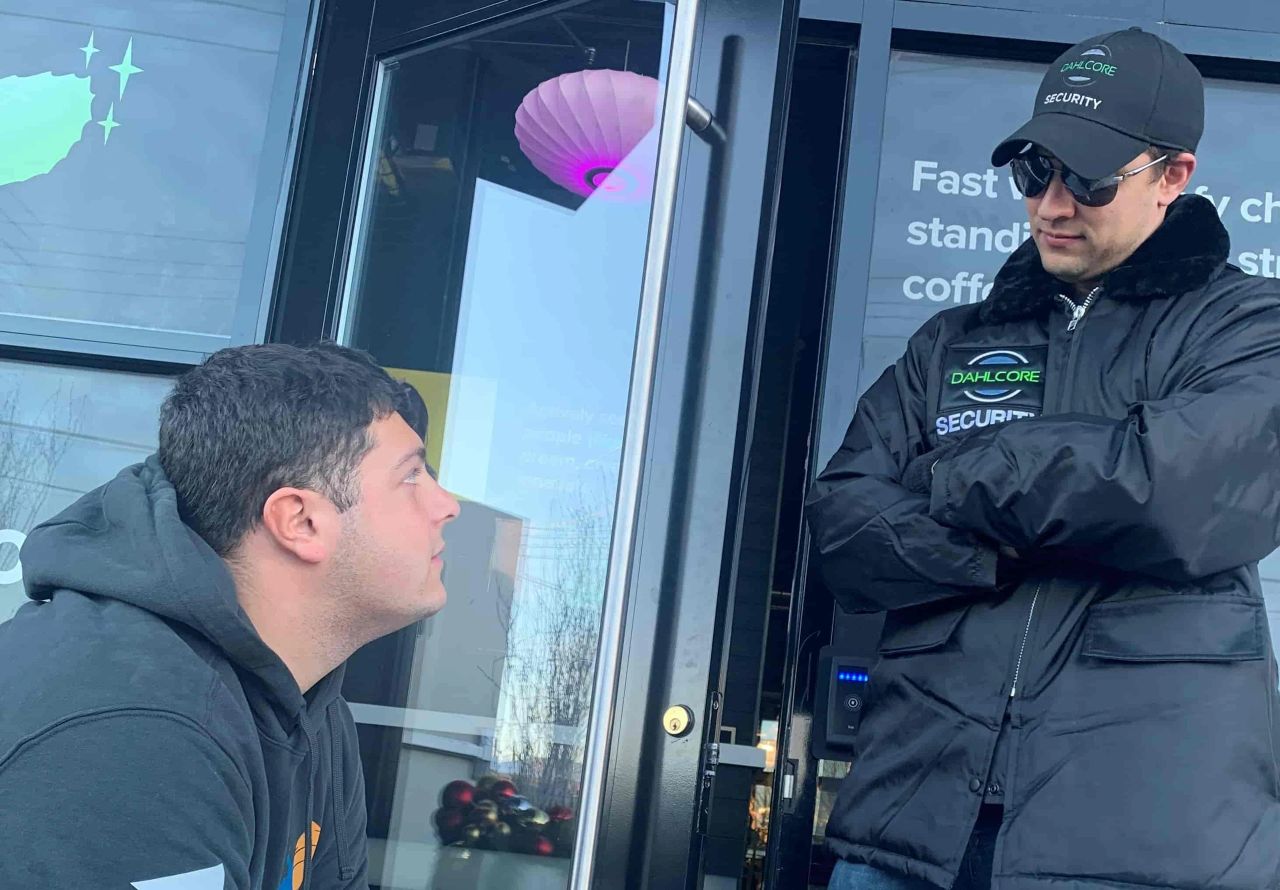
During an active incident, guards must balance immediate threat response with early identification and protection of any witness in security scenarios. In events such as fights, thefts, or workplace disputes, Dahlcore guards work to stabilize the scene, separate involved parties, and quickly note who saw what without conducting full investigations that belong to law enforcement.
Where safe to do so, guards move eyewitnesses to secure areas away from suspects, crowds, and recording devices, reducing the risk of intimidation or tampering with their accounts. In high‑risk situations like active shooter events, guards prioritize life safety—directing people to shelter or exits—then later work with police to identify and protect those who can provide critical details.
After the Incident: Escort, Documentation, and Legal Follow‑Through
Once an incident is under control, professional guard teams focus on the ongoing safety and support of each witness in security investigations. Dahlcore guards can stand by with witnesses until police arrive, accompany officers during interviews on-site, and help ensure witnesses are not pressured by other parties while they wait.
Guards document their own observations in detailed incident reports and note which witnesses spoke to whom and when, supporting a clear chain of information for legal or insurance purposes.
When appropriate, guards may arrange a secure escort to vehicles, parking structures, or transportation hubs so witnesses can leave without exposure to suspects, media, or crowds.
How Dahlcore Protects a Witness in Security Incidents
Dahlcore Security Guard Services provides a wide range of on-site, event, and executive security solutions across New York City and surrounding regions, positioning the company to protect witnesses in many different settings.
Services like commercial security, hotel security, construction site security, event security, and employee termination coverage all include protocols for handling and safeguarding eyewitnesses.
For example, after a workplace violence incident at an office, Dahlcore guards can clear the area, move employees who witnessed the event to a secure conference room, and coordinate with HR and law enforcement to collect statements safely.
At a concert or large event, Dahlcore’s event security and event staffing teams can quickly identify fans or staff who saw a fight or assault, escort them backstage or to a command post, and keep them protected from the crowd while evidence is gathered. During high‑risk employee terminations, guards can ensure that any colleagues who witness threatening behavior are discreetly separated from the terminated employee and escorted to safe exits or transportation afterward.
On construction sites or in hotels, Dahlcore guards can quietly speak with witnesses in staff-only areas, away from public view, helping protect their identities while still supporting investigations into theft, vandalism, or guest incidents.
Private Security vs Official Witness Protection Programs
It is important to distinguish private witness in security measures from formal government witness protection programs such as WITSEC. The United States Federal Witness Protection Program (often called WITSEC) is administered by the Department of Justice and operated by the U.S. Marshals Service, providing relocation, new identities, and long-term protection for high‑risk witnesses in major federal cases.
Dahlcore is a private security guard provider, not a federal witness protection program, and does not relocate witnesses or change their identities. Instead, Dahlcore focuses on immediate and short‑term safety: securing scenes, escorting witnesses, working alongside law enforcement, and maintaining a controlled, professional environment so witnesses can cooperate safely.
When police or prosecutors indicate that a witness may face ongoing danger, Dahlcore’s role is to support their directives and provide site‑level protection, not to replace any official witness security program.
Witness Rights in a Security Investigation
Any witness in security settings has the right to be treated with respect, dignity, and professionalism by guards, managers, and law enforcement. They have a right to basic safety measures—such as being kept away from suspects and threats—while on the property or at an event under security guard protection.
Witnesses should also be informed, in plain language, about what is happening next, who will speak with them, and how their information will be used, without making promises about legal outcomes. Dahlcore emphasizes clear communication, calm reassurance, and coordination with police so witnesses feel supported rather than pressured or confused during tense situations.
Checklist: How Businesses Should Handle a Witness in A Security Incident
- Ensure everyone is safe, then quickly identify anyone who saw the incident and is willing to speak.
- Move witnesses away from active danger, suspects, and large crowds into secure, monitored areas.
- Assign a specific guard or manager to each witness or small group and keep a simple log of who is where.
- Collect only preliminary details until law enforcement arrives, avoiding leading questions or arguments.
- Coordinate with responding officers, introducing each witness clearly and sharing any immediate safety concerns.
- Provide water, seating, and reassurance while witnesses wait, and avoid leaving them isolated or exposed.
- Arrange a safe escort to vehicles, hotels, or other locations once authorities approve their departure.
- Record in your incident report how each witness was handled, including any threats or intimidation they reported.
Best Practices for Different Witnesses in Security Scenarios
In workplace violence or employee termination cases, guards should be highly visible, separate parties early, and quietly identify coworkers who observed threats, ensuring they can leave safely after providing statements. During active shooter or major violent incidents, life safety comes first, but guards can later assist investigators by identifying who saw the shooter’s direction of travel, weapon type, or entry and exit points.
In hotels, hospitals, or retail settings, front‑line staff often become key witnesses, so training them in basic observation, note‑taking, and immediate reporting strengthens the entire security posture. At trade shows, concerts, or corporate events, Dahlcore’s event security teams manage access control, crowd movement, and VIP protection, which naturally positions them to spot and protect eyewitnesses quickly when something goes wrong.
Key Takeaways
- A witness in security is anyone who observes a crime or safety incident and needs focused protection so they can safely share what they know.
- Witnesses face both physical threats and psychological stress, making proactive guard procedures and calm, professional handling essential.
- Dahlcore integrates witness protection steps into its commercial, event, executive, and specialized security services, from scene control to safe escort and coordination with law enforcement.
- While federal programs like WITSEC handle long‑term relocation and identity changes, private security teams like Dahlcore provide the front‑line, on‑site safety that keeps witnesses protected at the moment of crisis.
FAQ
What is a witness in security?
A witness in security is any person who directly saw or heard something relevant to a crime, threat, or major incident on or near a protected property or event.
This includes employees, customers, vendors, and visitors whose observations can help clarify what happened and who was involved.
How do security guards protect eyewitnesses after an incident?
Professional guards protect eyewitnesses by moving them to safe areas, preventing contact with suspects, and remaining with them until police or investigators arrive.
They also provide reassurance, manage access to the witness, and support law enforcement interviews while documenting their own actions in incident reports.
Can a private security company escort a witness to court?
Private security companies like Dahlcore can, when contracted, escort witnesses to vehicles, offices, or courthouses to enhance personal safety, subject to legal and court rules. This type of escort is a short‑term protective measure and does not replace official government witness protection services.
How do you keep a witness anonymous at an event?
Event security teams can move witnesses to staff‑only areas, avoid discussing their identity over radios in public spaces, and coordinate quietly with police or event management. In some cases, witnesses may be escorted out through service corridors or alternate exits to avoid attention from crowds, suspects, or media.
What information should a witness share with security?
Witnesses should share what they saw, heard, or noticed—such as descriptions of people, vehicles, weapons, or timelines—without speculation or guesswork.
Guards typically capture basic facts and then defer detailed questioning to law enforcement to preserve the integrity of formal statements.
Check other blogs:
Navigating Security Challenges in Remote Construction Locations
The Intersection of Privacy and Security in Hospital Settings
