

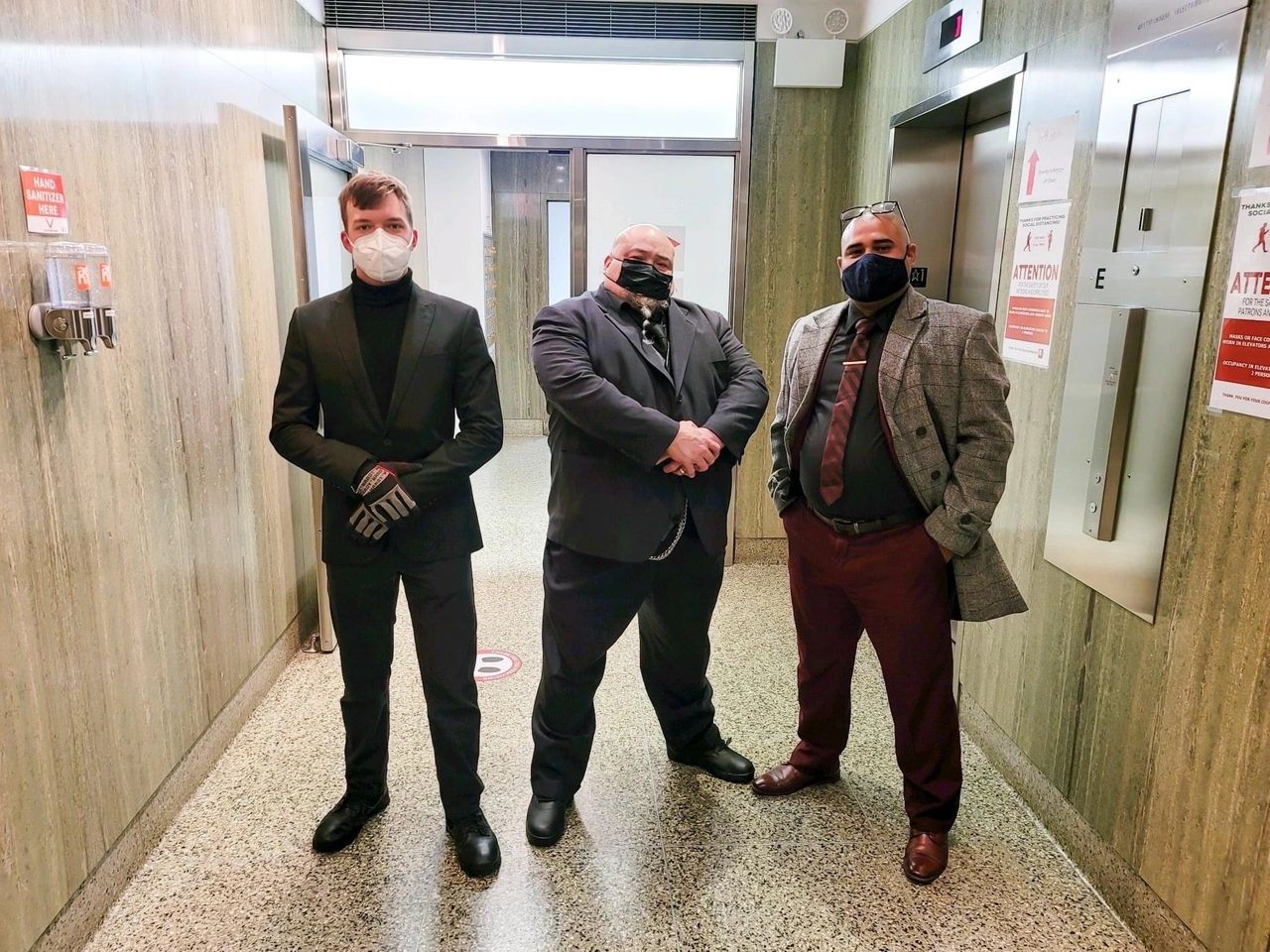
Onsite Private Security
On-site Private Security in New York means licensed security guards are physically present at your building or site to control access, monitor activity, and respond immediately to incidents. They focus on preventing crime, keeping tenants and visitors safe, and supporting building operations in real time in a busy, high-risk city environment.
In practical terms, that can mean a guard at your lobby desk, a rover patrolling stairwells and parking garages, or a team covering entrances and loading docks. In New York City, where foot traffic, deliveries, and visitors never really stop, that physical presence closes the gap between “something looks wrong” and “someone is doing something about it.”
Onsite vs. Remote Monitoring
When you rely on cameras alone, you mostly get recorded evidence and a delayed reaction. On-site Private Security gives New York properties a human decision-maker who can intervene, deny access, or guide people out of danger on the spot. Technology is still vital, but it pairs best with a professional on-site presence that can actually act when an alarm or suspicious behavior appears. This combination is especially important in NYC buildings, where dense populations and tight spaces raise the stakes.
What Onsite Officers Typically Do
On-site security officers in New York usually work from a clear set of post orders tailored to your property. Typical duties include lobby presence and ID checks, visitor and contractor logging, perimeter and interior patrols, access control at doors and docks, and immediate response to alarms, disturbances, and medical issues. They also complete daily activity reports and incident logs that your management team can review, so you see what’s happening on-site rather than guessing from camera footage alone.
Advantages of Onsite Private Security
On-site Private Security in New York is important because it deters crime, speeds up response times, and helps buildings manage access and safety in a high-traffic city environment.
Strong Deterrence and “Eyes On The Ground”
A uniformed guard in your lobby or patrolling your property sends a clear message: this building takes security seriously. In New York, where opportunistic crimes can happen quickly, a visible presence reduces the appeal of your site to would-be offenders. On-site officers notice small red flags—propped doors, suspicious loitering, unusual behavior—before they turn into full-blown incidents.
Faster Response and Safer Decisions
In a city where seconds matter, having someone already on-site is a huge advantage. On-site Private Security can respond immediately to fights, medical emergencies, suspicious packages, or unauthorized access, instead of waiting for someone off-site to see an alert and then call it in. They can stabilize the situation, call NYPD or FDNY when needed, and guide people to safety based on your building’s specific layout.
Better Access Control and Visitor Screening
New York properties often see heavy daily traffic from tenants, guests, delivery services, and contractors. On-site Private Security officers enforce your access policies at entrances, turnstiles, and loading docks, verify IDs, and keep accurate visitor logs. That level of control reduces the chance that unknown people reach restricted floors, mechanical rooms, or resident-only areas, and it makes investigations easier if something goes wrong.
De-Escalation and Conflict Handling
In New York, guards frequently handle tense situations: heated arguments at the front desk, intoxicated visitors, or people refusing to follow building rules. Trained onsite officers use de-escalation techniques—calm language, clear boundaries, and strategic positioning—to cool things down without putting staff at risk. When they do need to involve NYPD or emergency services, they can give a clear, accurate summary of what’s happening.
Customer Service and Brand Trust
Your security team is often the first and last contact point for anyone entering or leaving your building. Well-trained Onsite Private Security in New York can double as a courteous front-of-house presence—greeting tenants, directing visitors, assisting with deliveries, and escorting staff to their cars at night. That blend of safety and hospitality helps differentiate your property in a competitive market and gives tenants a reason to stay.

Costs of Onsite Private Security in New York
In New York City, Onsite Private Security typically costs more than the national average, largely because of local wage standards and new city-level rules—but those rates reflect a regulated, professional guard workforce.
Typical 2026 Pricing in New York
In New York State, average security guard pay sits in the low-to-mid $20 per hour range, with city roles usually on the higher side. For building owners hiring through a security company, unarmed on-site private security in NYC commonly costs around $25–$45 per hour. Armed security can range more broadly, often falling between $40 and $75 per hour, with rates rising for higher-risk assignments, overnight shifts, weekends, and short-notice coverage.
When you translate those hourly rates into monthly costs, a single unarmed guard at 40 hours per week can easily run into the mid-four to high-four figures per month. An armed guard on a similar schedule can reach the low to mid-five figures per month, especially in specialized or high-liability posts. That’s why it’s crucial to match guard hours to your real risk windows rather than automatically buying 24/7 coverage.
Impact of NYC’s New Wage and Benefits Law
New York City is phasing in a Security Guard Wage and Benefits Law that ties private security compensation in many buildings to standards used for city building service contracts. This means guard employers must meet specific minimum wage levels, paid vacation, paid holidays, and supplemental benefits that significantly raise total compensation over time. For building owners and managers, the practical takeaway is straightforward: guard rates in NYC are trending upward, and “too cheap” providers may not be compliant.
What You’re Actually Paying for
Your rate for Onsite Private Security in New York covers more than just a guard’s hourly wage. It typically includes wages plus mandated benefits, payroll taxes, liability and workers’ comp insurance, licensing and training costs, field supervision, scheduling and HR, and the reporting or guard-tour systems used at your site. When you see a quote that’s much lower than others, something is usually missing—either in pay, compliance, or support.
Cost Drivers You Can Control
You can still keep your security program efficient without cutting corners. Focus your Onsite Private Security coverage on the hours with the highest risk or activity, not necessarily every hour of every day. Use technology like CCTV, access control, and visitor systems to support guards and reduce wasted time. Write focused post orders so officers know which tasks matter most, and choose unarmed vs. armed coverage based on actual risk assessments, insurance guidance, and your building’s profile.
Best Use Cases for Onsite Private Security in New York
On-site Private Security in New York is especially useful in properties where risk, traffic, and expectations are high—exactly the conditions you see across the five boroughs.
Construction and Job Sites
NYC construction and renovation projects are prime targets for theft and trespassing. On-site Private Security officers control entrances, verify workers and delivery drivers, monitor tools and materials, and patrol fenced perimeters after hours. They can also help enforce safety rules and keep unauthorized people away from hazardous areas, which matters on dense city blocks where pedestrians are everywhere.
Retail and Commercial Properties
Retail corridors in Manhattan, Brooklyn, and Queens face constant pressure from shoplifting and organized retail crime. On-site Private Security in New York stores can deter theft, support staff during confrontations, and provide a trained hand for line management during peak hours or special events. In office towers and mixed-use properties, lobby and concierge-style guards protect access points and help tenants feel secure coming and going at all hours.
Residential Communities and Condos
Co-ops, condos, and rental communities around New York rely on door staff and lobby security for both safety and day-to-day convenience. On-site Private Security can manage entry systems, oversee visitor and delivery access, patrol parking areas and shared spaces, and respond to noise or disturbance complaints. For larger properties, having a rover on foot or in a vehicle can dramatically reduce loitering, vandalism, and package theft.
Warehouses and Logistics
In industrial areas of the Bronx, Brooklyn, Queens, and surrounding counties, warehouses and logistics hubs need tight control over who enters and exits their yards and loading docks. On-site Private Security logs trucks and visitors, monitors loading activity, patrols the perimeter, and coordinates with cameras and gate systems. That presence helps protect inventory, prevent unauthorized access, and keep operations running smoothly in a high-velocity environment.
Events and Crowd-Heavy Venues
From corporate events in Midtown hotels to festivals in parks, New York events call for hands-on crowd management. On-site Private Security handles bag checks, ticket verification, line control, and quick response when someone is injured or disruptive. They also work closely with venue management and can coordinate with NYPD or EMS if conditions escalate.
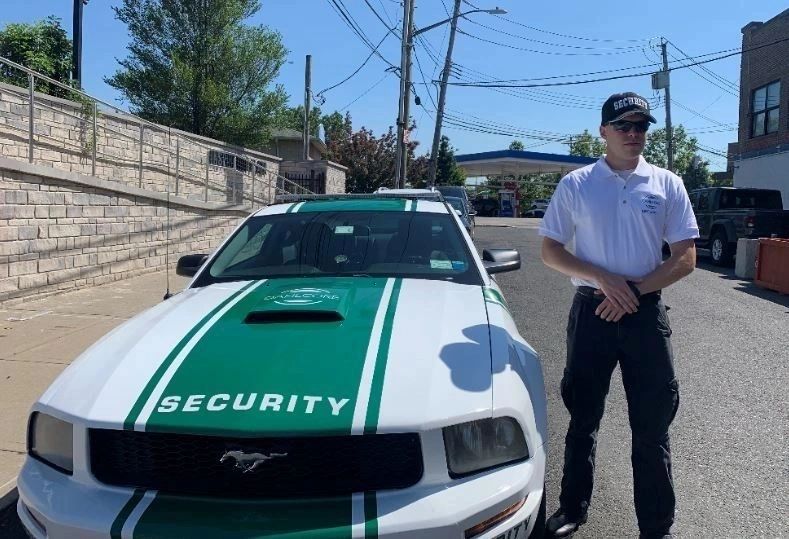
How to Choose Onsite Private Security in New York
On-site Private Security in New York works best when you treat it like a system: clear risks, clear roles, and the right partners.
How to Choose Onsite Private Security Step-By-Step
Start by listing your biggest security concerns: theft, trespassing, workplace violence, crowd control, or tenant safety after dark. Review past incidents and calls to the NYPD at your property to understand when and where issues actually occur. From there, map your critical hours, draft simple post orders for what guards should do and where, and decide whether you truly need armed coverage or if unarmed guards make more sense. Then, interview licensed New York security companies that understand both state guard regulations and NYC’s wage-and-benefit rules, set up a 30–60 day pilot, and refine based on incident reports and tenant feedback.
Questions to Ask a New York Provider
When you talk to vendors, focus on questions that reveal real capability and compliance. Ask how they verify that every guard is properly licensed in New York State and up to date on training. Clarify how they’re handling the NYC Security Guard Wage and Benefits Law and what that means for your long-term pricing. Find out how often supervisors visit your site, what happens when a guard cancels at the last minute, and which reporting or guard-tour systems they use so you can see what’s happening at your building day by day.
Compliance and Local Regulations in New York
On-site Private Security in New York is heavily regulated, and you want a provider who treats compliance as a baseline, not an optional extra.
New York State requires most security guards to be registered with the Division of Licensing Services, complete an 8-hour pre-assignment course, submit fingerprints, pass a background check, and finish an additional 16-hour on-the-job training within the first 90 days. Ongoing annual refresher courses keep guards current, and armed guards must complete further firearms-specific training and meet stricter standards. This licensing framework helps ensure that anyone working in security at your property meets consistent minimum requirements.
On top of that, New York City’s wage and benefits law is raising the floor for guard compensation, aligning private security packages in many buildings with city building-service contracts. That means a minimum combination of hourly wage, paid holidays, vacation, sick leave, and supplemental benefits that your vendors must honor. For owners and managers, this is a strong reason to favor reputable, transparent security companies that show exactly how they comply and price their services, rather than chasing the lowest possible hourly rate.
Tech That Boosts Onsite Private Security in New York
The strongest programs don’t pit guards against technology—they blend them.
On-site Private Security in New York reaches its full potential when guards work hand in hand with CCTV, access control, visitor-management systems, and guard-tour tools. Cameras give wide coverage of entrances, corridors, and high-value areas, while access systems limit who can pass through doors and turnstiles. Guards then use these tools to verify alerts, respond to incidents, and enforce rules. Guard-tour systems, with checkpoints and time-stamped scans, prove patrols are happening as scheduled and give you a documented history of activity across your site.
For example, a Midtown office might use lobby guards plus card access and elevator controls, while a logistics yard in Queens uses a gate guard, cameras on docks, and license plate capture at entrances. The common thread is clear communication between people and systems, so nothing falls through the cracks.
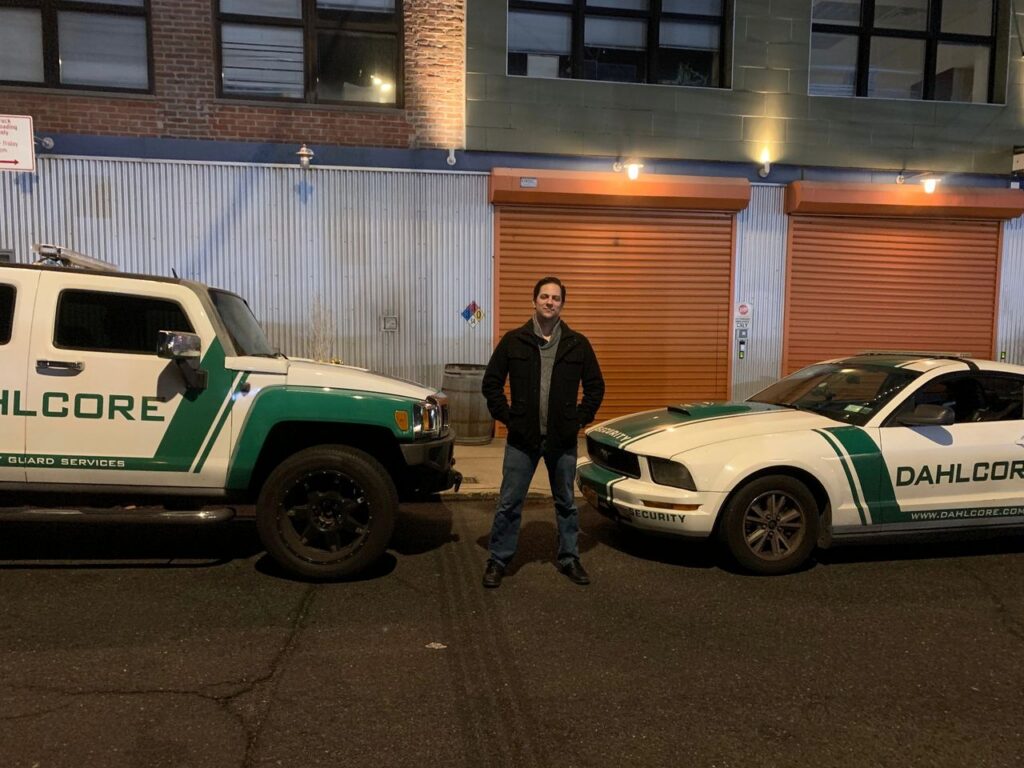
FAQs About Onsite Private Security in New York
What is on-site private security in New York?
On-site Private Security in New York refers to licensed guards physically stationed at your building, site, or event to control access, monitor activity, and respond immediately to incidents, instead of watching remotely or arriving from somewhere else.
How much does on-site private security cost per hour in NYC?
In New York City, unarmed onsite security guards typically cost about $25–$45 per hour, while armed guards usually range from about $40 to $75 per hour, depending on risk level, duties, and schedule.
What licenses do on-site private security guards need in New York?
Most onsite security guards in New York must be at least 18, complete state-approved training courses, submit fingerprints, pass a background check, and be registered with the New York State Division of Licensing Services; armed guards must meet additional training and licensing requirements.
Do I need on-site private security or just cameras in New York?
Cameras alone can record and sometimes alert you to an incident, but Onsite Private Security in New York can actually intervene, de-escalate situations, and guide people to safety in real time, which is critical in high-traffic buildings and higher-risk areas.
Is on-site private security required by law for New York buildings?
Most buildings in New York are not legally required to hire on-site private security, but many choose to do so to reduce crime, protect staff and tenants, meet insurance expectations, and manage risk in a dense urban environment with higher incident potential.
How many onsite security guards does a New York building need?
The number of onsite guards your New York property needs depends on your building size, layout, risk level, operating hours, and traffic; a typical approach is starting with at least one lobby guard and adding roving or secondary posts for parking areas, docks, or multiple entrances as risk and budget allow.
How do I ensure my New York security provider is compliant?
To ensure your Onsite Private Security provider in New York is compliant, ask for proof of guard licenses, confirm their training process, review how they meet NYC wage and benefits requirements, and request copies of their insurance certificates and sample reports or guard-tour records.
Conclusion
On-site Private Security in New York gives building owners and managers a powerful mix of visible deterrence, fast incident response, and professional access control tailored to one of the busiest cities in the world. As state licensing rules and NYC wage and benefits laws continue to raise standards, guard services are becoming more professional and better compensated, and rates are rising accordingly. If you focus on real risks, clear post orders, integrated technology, and fully compliant vendors, you’ll end up with a security program that protects people, property, and reputation—without wasting budget.
Check our other blogs here
Is Robbery a Property Crime? Legal Definition, Example & Penalty
Companies That Need Security Services | Who Should Hire Guards
Bug Sweepers & TSCM Services | How Pros Find Hidden Bugs & Camera
