


Loss Prevention vs Security
When people talk about “store security,” they often mix up loss prevention vs security as if they’re the same thing, but they play very different roles inside a retail business. Loss prevention focuses on protecting profits and reducing shrink, while security focuses on keeping people and the premises safe.
Loss prevention professionals dig into why merchandise and money go missing. They look at dishonest customers, employee theft, fraud at the till, and even mistakes in paperwork that quietly eat into profit. Security guards, on the other hand, stand at entrances, patrol the floor, and respond when something kicks off, like a fight or a shoplifter running. Both groups work toward the same big picture—protecting the store—but they come at it from different angles.
For a broader industry view on how retailers structure loss prevention and security programs, you can review the National Retail Federation’s retail safety and security resources, which compile current best practices and research for asset protection teams.
In a busy mall fashion store, for example, loss prevention might be hidden in plain clothes watching known offenders and checking camera footage, while a uniformed guard near the entrance discourages anyone thinking about snatching and running.
What Is Loss Prevention in Retail?
Loss prevention is a specialized function that targets “shrink,” the industry term for inventory that disappears without a sale. Shrink includes external theft (shoplifters and organized groups), internal theft (staff stealing or abusing discounts), vendor fraud, and plain old admin errors like mis‑scans and miscounts.
Modern loss prevention teams don’t just walk the floor; they live in the data. They review camera footage, analyze point‑of‑sale reports for suspicious patterns, and run regular inventory checks to spot where stock keeps going missing. In 2026, many large retailers also use AI‑driven video analytics and transaction monitoring to flag unusual behavior in real time, such as repeated voids or high‑value items leaving without a match in the system.
Loss prevention also works heavily with store managers and HR. They help build policies, train staff on procedures, and design controls that make theft harder and mistakes less likely. Done well, loss prevention quietly boosts profit without making honest customers feel watched at every step.
What Is Retail Security?
Retail security is all about people and space—protecting shoppers, staff, and property from harm. Security guards are the visible presence customers notice: uniforms, radios, maybe body‑worn cameras in some regions.
Their day‑to‑day work includes controlling entrances and exits, handling disturbances, watching for aggressive behavior, and stepping in during emergencies like medical issues or evacuations. They may escort staff to their cars late at night, keep an eye on cash runs, and support crowd control during big sales or product launches.
While security guards also help deter theft just by being visible, they usually don’t dive into the detailed shrink numbers or audit reports. Instead, they act as the first responders for fights, threats, or suspected shoplifters caught in the act. In many malls, you’ll see them patrolling shared areas, coordinating with multiple stores when an organized group is targeting the entire center.
7 Key Differences Between Loss Prevention and Security
Even though they sometimes work side by side, the everyday reality of loss prevention vs security is quite different.
1. Primary goal
- Loss prevention: reduce shrink and protect profit.
- Security: protect people, maintain order, and safeguard property.
2. Visibility
- Loss prevention: often plain‑clothes and low profile.
- Security: uniformed and clearly marked as security staff.
3. Main tools
- Loss prevention: data analytics, CCTV review, audits, exception reports.
- Security: patrols, radios, access control, physical intervention when necessary.
4. Types of incidents handled
- Loss prevention: suspected theft cases, refund fraud, internal theft, recurring shrink patterns.
- Security: fights, disorderly conduct, trespassing, emergencies.
5. KPIs and success metrics
- Loss prevention: shrink rate, recovered merchandise value, case closure rate, ROI.
- Security: number of incidents managed, response times, injury reduction, staff and customer safety scores.
6. Training focus
- Loss prevention: investigative interviews, evidence handling, analytics tools, policy design.
- Security: use‑of‑force limits, de‑escalation, emergency procedures, crowd management.
7. Position in organization
- Loss prevention: often linked to operations, finance, or asset protection leadership.
- Security: often under facilities, risk management, or external security vendors.
Together, they form a layered defense: loss prevention tackles why and where loss happens; security handles who and what in the moment.
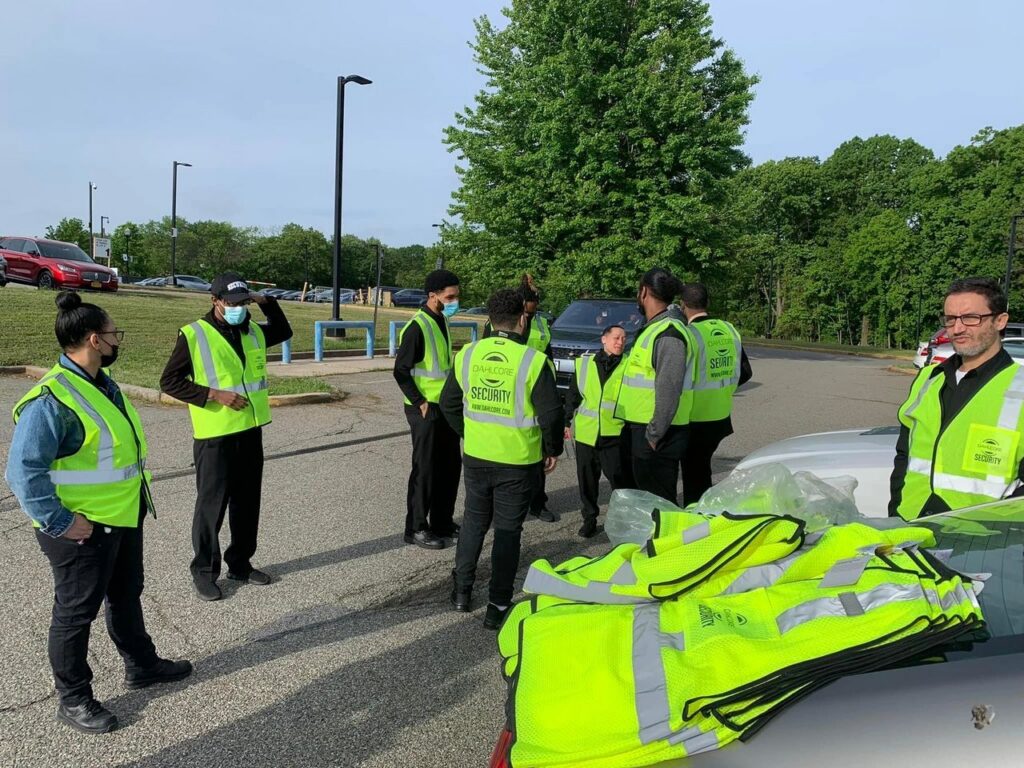
How Loss Prevention Teams Work Behind the Scenes
Loss prevention can feel invisible because much of the heavy lifting happens away from the shop floor. A typical week might include reviewing exception reports for unusual refunds, comparing inventory counts against sales, and scanning camera footage from known ‘hot zones’ like electronics, cosmetics, or liquor aisles.
When patterns stand out—say, a particular shift with high voids, or the same SKU missing every stocktake—LP digs deeper. They may interview staff, watch targeted video clips, or run controlled counts to pinpoint the issue. In cases of organized retail crime, they often build detailed case files with timestamps, images, and loss estimates to hand over to police.
They also write policies that quietly reshape the store. Examples include dual‑control for cash handling, stricter return rules, or moving high‑risk items into lockable displays. Because of this behind‑the‑scenes work, a good LP program can cut losses dramatically without making genuine customers feel as if they’re walking into a fortress. Guides on loss prevention best practices emphasize combining policy changes, regular audits, and staff training rather than relying on a single tactic.
How Security Guards Protect Stores Day to Day
Security guards are the obvious line of defense customers see every day. They greet people at the door, keep an eye on suspicious behavior, and step in when things turn ugly.
On a typical shift, a guard might patrol the car park, respond to a shoplifter running from a store, handle a dispute between customers, and guide people during a fire alarm. Many retailers now expect guards to use strong customer‑service skills alongside firm but fair enforcement, since a friendly presence can calm situations before they explode.
Guards often coordinate closely with both store management and local police. They may be the ones who call law enforcement when loss prevention detains someone, or when a banned individual returns. Their job is to keep everyone as safe as possible while respecting legal limits on force and detention.
Legal Powers and Store Detentions
When we zoom in on detentions, the law doesn’t really distinguish between loss prevention vs security—both operate under the same basic legal concept, usually called shopkeeper’s or merchant’s privilege. They’re still private citizens with limited powers.
What Is “Shopkeeper’s Privilege” (Merchant’s Privilege)?
Shopkeeper’s privilege is a legal rule that lets merchants and their authorized employees detain someone they reasonably believe is stealing, but only under strict conditions. The exact wording varies by state or country, but the core ideas stay similar.
Typically, a lawful detention must be
- Based on probable cause or “reasonable grounds” that theft is happening or just happened.
- For a reasonable time, usually just long enough to investigate, recover items, or wait for police.
- Conducted in a reasonable manner, meaning no unnecessary force, humiliation, or dangerous behavior.
For example, in California, merchant’s privilege is written into Penal Code 490.5, allowing stores to detain a suspected shoplifter reasonably to investigate. Florida has similar language under its retail theft statutes, again stressing probable cause, limited time, and no excessive force. If staff step outside these limits, the store can be sued for false imprisonment or worse.
When Can Loss Prevention Detain a Shopper?
Loss prevention staff usually follow strict internal policies that are even tighter than the law. Many chains require LP to observe a full sequence before making a stop: selecting the item, concealing it, passing all final points of payment, and heading toward the exit without paying.
Once they’re confident they have probable cause, LP might
- Approach the person, identify themselves, and ask them to come to a private office.
- Ask for the merchandise back and basic information like name and address.
- Review receipts or camera footage, and decide whether to release the person, issue a ban, or call police.
Throughout this, they’re expected to stay calm, avoid physical contact unless absolutely necessary, and keep the detention no longer than reasonably needed. Anything more—even if the person did steal—can expose the store to legal trouble.
What Security Guards Can and Cannot Do During Detention
Security guards are bound by similar limits during a detention. They may help loss prevention with the initial stop, escorting the person to an office or standing by for safety, but they don’t suddenly get extra powers just because they wear a uniform.
They generally can
- Stop someone when there’s probable cause and store policy is followed.
- Use limited, reasonable force to prevent injury or escape if absolutely needed.
- Call the police and provide statements or evidence.
They generally cannot
- Use excessive force, such as chokeholds or strikes, unless there’s a serious threat to safety.
- Hold someone indefinitely; “reasonable time” still applies.
- Carry out invasive searches of body or belongings without consent or clear legal authority.
In many places, guards are trained to back off rather than escalate once a situation becomes too risky, especially over low‑value items.
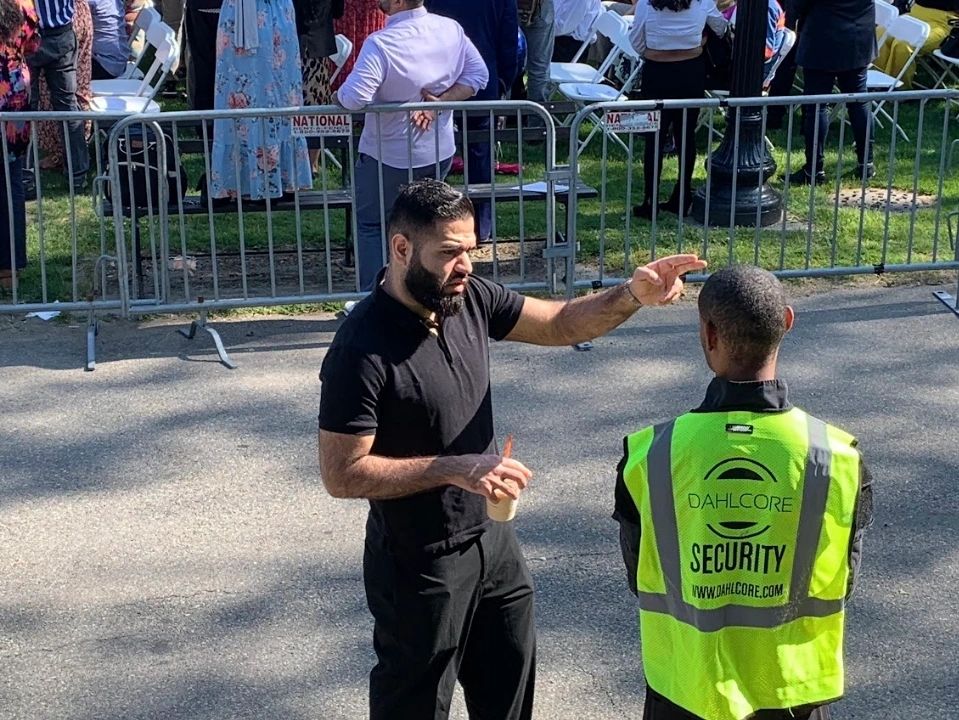
What to Expect If You’re Stopped in a Store
Being stopped by loss prevention or security can be stressful, but understanding the typical process makes it less confusing.
Most stops follow this pattern:
- Initial contact
Someone identifies themselves as store security or loss prevention and asks you to come to a private area. - Short conversation
They may ask to see your receipt or bag, explain what they believe happened, and give you a chance to respond. - Review of evidence
Staff might check CCTV, talk to colleagues, or recount what they saw. - Outcome
- If it’s a misunderstanding, you’re usually released.
- If they still believe theft occurred, they may recover items, issue a ban notice, or call police.
You can calmly ask for a manager, request clarification on why you’re being held, and avoid arguing or resisting physically—which only makes things worse and can create safety risks for everyone.
Common Myths About Loss Prevention vs Security
Misunderstandings about loss prevention vs security spread fast on social media, but many of them don’t match how the law or stores actually work.
Myth 1: “Loss Prevention Officers Are Basically Police”
Loss prevention officers are civilians, hired by retailers or third‑party security companies. They don’t have general arrest powers like police, can’t issue criminal charges on their own, and don’t carry the same legal authority.
What they do have is the same basic right any citizen has, plus merchant’s privilege when acting for the store, which allows limited detention under certain conditions. They still rely on local law enforcement to actually arrest, charge, and process suspects.
Myth 2: “Stores Can’t Legally Detain You”
Some people believe that only police can detain someone, but merchant’s privilege exists precisely to let stores protect themselves from theft—within limits. When staff have reasonable grounds and follow the rules on time and manner, a brief detention is usually lawful.
Problems arise when staff go too far: holding someone for hours, using unnecessary force, or publicly humiliating them. That’s when claims like false imprisonment or assault can come into play, and courts look carefully at whether the detention was “reasonable” or not.
Myth 3: “Security Alone Is Enough for Loss Prevention”
Uniformed guards and cameras certainly help, but data shows shrink doesn’t just come from bold shoplifters in hoodies. Internal theft, refund fraud, supplier issues, and system errors can make up a big chunk of losses.
That’s why retailers that rely only on visible security often miss quieter sources of loss, like repeated under‑ringing at a single checkout or refunds processed to the same card after hours. Combining security with a structured loss prevention program usually delivers much better long‑term results.
Myth 4: “Loss Prevention Only Catches Shoplifters”
Stopping shoplifters is just one slice of the pie. Loss prevention teams also build cases around employee theft, gift‑card fraud, sweethearting (giving friends free products), and fake or abusive returns.
They review transaction logs, audit high‑risk departments, and collaborate with HR if they suspect internal issues. In some 2026 reports, internal theft and admin errors together account for a significant share of shrink, sometimes rivaling external theft. Ignoring that side of loss is like locking your front door but leaving the back wide open.
Myth 5: “Only Big Chains Need Loss Prevention Teams”
Smaller retailers often feel they can’t afford loss prevention, but the reality is that shrink hits them harder because their margins are thinner. A handful of unpaid items each week might not destroy a big box store, but it can seriously damage a small boutique’s profit.
Even basic measures—like simple CCTV, regular inventory counts, clear refund policies, and basic staff training—can dramatically reduce loss for small shops. As more 2026 tools become affordable, like cloud‑based video and POS alerts, LP is no longer just a “big chain” game.
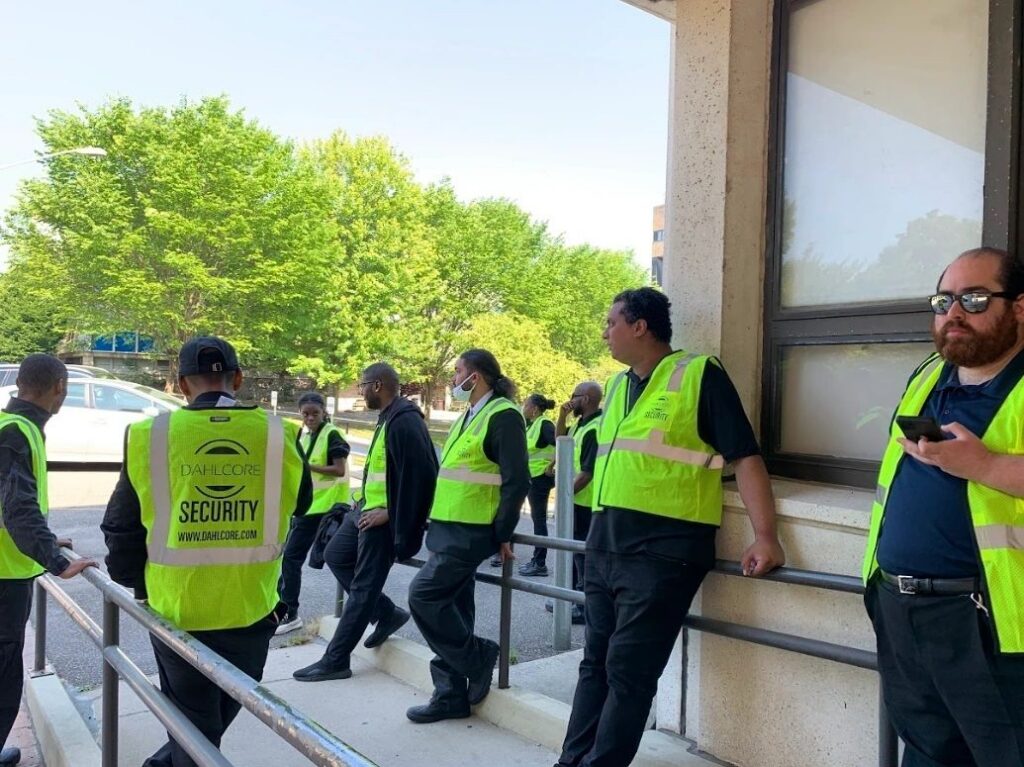
Modern Loss Prevention and Security Strategies for 2026
Retailers today face organized retail crime, flash‑mob thefts, and rising costs, so the line between loss prevention vs security is more connected than ever. Many leading brands build integrated programs that use tech, training, and strong communication.
2026 Tech: Cameras, Analytics, and Smart Alarms
Technology is reshaping how both LP and security do their jobs. High‑definition cameras now pair with video analytics that can flag suspicious behaviors, such as repeated visits to the same shelf or tailgating through staff‑only doors.
Retailers also lean on:
- Electronic article surveillance (EAS) and RFID tags to track high‑value items.
- POS analytics that look for unusual discounts, voids, or refund patterns.
- Predictive models that suggest when and where theft risk will spike, helping managers schedule staff and security more intelligently.
Some studies suggest focused tech programs can cut shrink by double‑digit percentages when combined with good staff training.
Working Together: LP, Security, and Store Staff
The strongest programs don’t treat loss prevention and security as separate islands. Instead, they share information and train together.
For example, staff might be trained to report suspicious behavior early, while LP and security use a shared incident‑reporting platform so patterns don’t get missed. Managers hold regular meetings where they review shrink data, recent incidents, and policy updates, then adjust staffing or layout accordingly.
In some regions, retailers also work with local police and other stores in the same area to track organized retail crime groups and ban repeat offenders across multiple sites.
Balancing Customer Experience with Theft Prevention
There’s a fine line between proactive protection and making honest customers feel targeted. Over‑aggressive stops, profiling, or confrontational guards can damage a brand faster than a batch of stolen goods.
Modern best practice focuses on respectful, bias‑aware training, clear policies, and a “customer‑first” tone even when handling suspected theft. Stores also invest in subtle design tricks—better lighting, clean sight‑lines, helpful staff presence—that discourage theft without making shoppers feel like suspects.
How Retailers Should Choose Between Loss Prevention vs Security
Retailers rarely pick just one; instead, they choose the right mix for their risk, budget, and brand.
Risk Assessment: Store Type, Location, and Shrink Patterns
A convenience store open 24/7 in a busy city needs a different plan than a high‑end furniture shop in a quiet suburb. Managers should review:
- Historical shrink data by department and product.
- Incident reports: assaults, threats, shoplifting, vandalism.
- Location factors: crime levels in the area, foot traffic, nearby transit.
Where violent incidents or disorder are common, more visible security might be the priority. Where the main issue is stock vanishing without a trace, you likely need stronger loss prevention and controls.
Budget, ROI, and Measuring Results
Every dollar spent on loss prevention vs security should have a clear job. Good programs track:
- Shrink rate before and after new measures.
- Number of incidents handled and prevented.
- Value of recovered goods and fraud stopped.
Some 2026 case studies suggest well‑targeted LP strategies and tech can reduce shrink by 20–30% in high‑risk environments, delivering a strong return on investment over time. Security investments often show their value in fewer injuries, fewer serious incidents, and better staff retention. These findings line up with recent retail security surveys that track both the financial impact of shrink and the results retailers see after investing in structured loss prevention and security programs.
Real‑World Scenarios: When Each Role Shines
- Electronics store in a city mall
High‑value goods, organized theft, and internal fraud risk mean you’d lean heavily on loss prevention: camera analytics, strict controls, and audits. You’d still want visible security at entrances during busy periods. - Supermarket in a suburban area
Moderate theft and frequent customer conflicts call for a balanced mix. LP tackles refund and coupon fraud; security handles late‑night disputes and crowd issues. - Small fashion boutique
Budget is tight, so you might focus on low‑cost LP basics—good layout, simple cameras, staff training—and hire part‑time or shared security only at peak times.
How To Protect Yourself if You’re Stopped by Loss Prevention
This “how to” section is aimed at regular shoppers who want to know how to stay safe and protect their rights if a store accuses them by mistake.
How to Respond Calmly and Safely During a Store Stop
If loss prevention or security approaches you, staying calm is your best move.
- Stop walking and listen. Don’t try to run or yank away; that can escalate things quickly.
- Ask who they are. You can politely ask for their name and role, like “Are you store security or loss prevention?”
- Stay polite but firm. You can say, “I’m happy to cooperate. Can you explain what you believe I’ve done?”
If they ask you to move to a private area, it’s usually safer than discussing things in the middle of the store, where tensions can rise. Avoid making sudden moves or arguing loudly. If you genuinely did nothing wrong, the facts—receipts, video, and checks—often clear things up.
How to Document the Incident and Escalate If Needed
If you feel you were treated unfairly, good documentation will help later.
- Note names and times. As soon as you can, write down who stopped you, the time, and what was said.
- Ask for store contact details. Request the name of a manager or corporate customer service channel.
- Consider legal advice. If you were held too long, handled roughly, or publicly humiliated, you may want to speak with a lawyer experienced in retail or civil rights cases.
In more serious situations, especially where someone was injured or clearly mistreated, a lawyer can help you understand local law and whether the store went beyond its legal privilege.
FAQs About Loss Prevention vs Security, Detentions, and Myths
Can loss prevention detain me before I leave the store?
In some places, concealment plus other behavior can be enough for probable cause, even if you haven’t stepped outside yet, but details vary by jurisdiction. Many retailers still train staff to wait until a customer passes all points of payment to reduce legal risk.
Do security guards have the right to search my bag?
Generally, guards can ask to look in your bag, but you can often refuse unless the law or clear conditions say otherwise. If you say no, they might still detain you briefly if they believe there is probable cause and call police to handle the situation.
What should I do if I’m wrongly accused of shoplifting?
Stay calm, ask to speak with a manager, and explain your side clearly. You can request to review receipts or point out where you paid, then document the incident afterward in case you need to complain or seek legal advice.
Is every store required to have loss prevention officers?
No, there’s no blanket rule forcing every store to hire loss prevention staff. Smaller businesses may rely on basic systems and training, while larger chains often maintain dedicated LP teams or full asset‑protection departments.
How do stores track and reduce shrink in 2026?
Retailers mix regular inventory counts, POS analytics, camera reviews, and staff tips to understand shrink patterns. They then deploy training, tech, and policy changes—like better returns rules or improved product placement—to close the gaps.
Are there limits on how long a store can hold me?
Yes. Merchant’s privilege laws typically say detentions must last only a “reasonable time,” often defined by courts based on the situation. Holding someone for hours over a small dispute can quickly become unreasonable and legally risky for the store.
Conclusion: Why Loss Prevention and Security Both Matter
In the end, loss prevention vs security isn’t an either‑or choice; healthy retail operations need both to work together. Loss prevention protects the bottom line through data, audits, and investigations, while security protects people through visible presence and rapid response.
For shoppers, understanding the rules around store detentions and common myths helps you stay calm and assertive if you’re ever stopped. For retailers, investing smartly in both functions—and training staff well—can reduce shrink, keep everyone safer, and build long‑term trust.
Explore our other blog posts here
Fire Watch vs Fire Guard vs Fire Safety Director (NYC)
Start A Security Company In NY/NJ: Licensing, Insurance, Policies
