

Updated Date: March 17, 2026
Is Jamaica, New York safe in 2026? For most people using Jamaica Station, commuting along Jamaica Avenue, or making routine daytime transfers to the AirTrain and LIRR, the answer is yes—with normal New York City street smarts. As a dense transit hub in Queens, Jamaica sees the usual mix of petty theft, occasional disputes, and late-night issues, but everyday trips for work, school, and shopping are generally uneventful when you stay alert and stick to busier routes.
Understanding Safety in Jamaica, Queens
When people ask “is Jamaica New York safe,” they usually mean a few specific spots: Jamaica Station, the Jamaica Avenue shopping corridor, Sutphin Boulevard by the AirTrain, and the busy intersections around Parsons and Archer. Safety in these areas depends heavily on timing (day vs. late night), your purpose (commute, shopping, layover, walking home), and your awareness level. Daytime hours bring heavy foot traffic and visible security presence, while quieter late-night pockets can feel more exposed if you are alone, distracted, or carrying bags.
Where Exactly Is Jamaica, Queens?
Jamaica sits in central-southeast Queens, New York City, anchored by Jamaica Station and Jamaica Center at Parsons/Archer. The neighborhood spans parts of ZIP codes 11432, 11433, 11434, and 11435, connecting to nearby areas like South Jamaica, Hollis, Briarwood, and Jamaica Estates. It’s also the main transfer gateway between Manhattan, Long Island, and JFK Airport, so many travelers “visit” Jamaica without ever leaving the station complex.
Who Watches Over Jamaica?
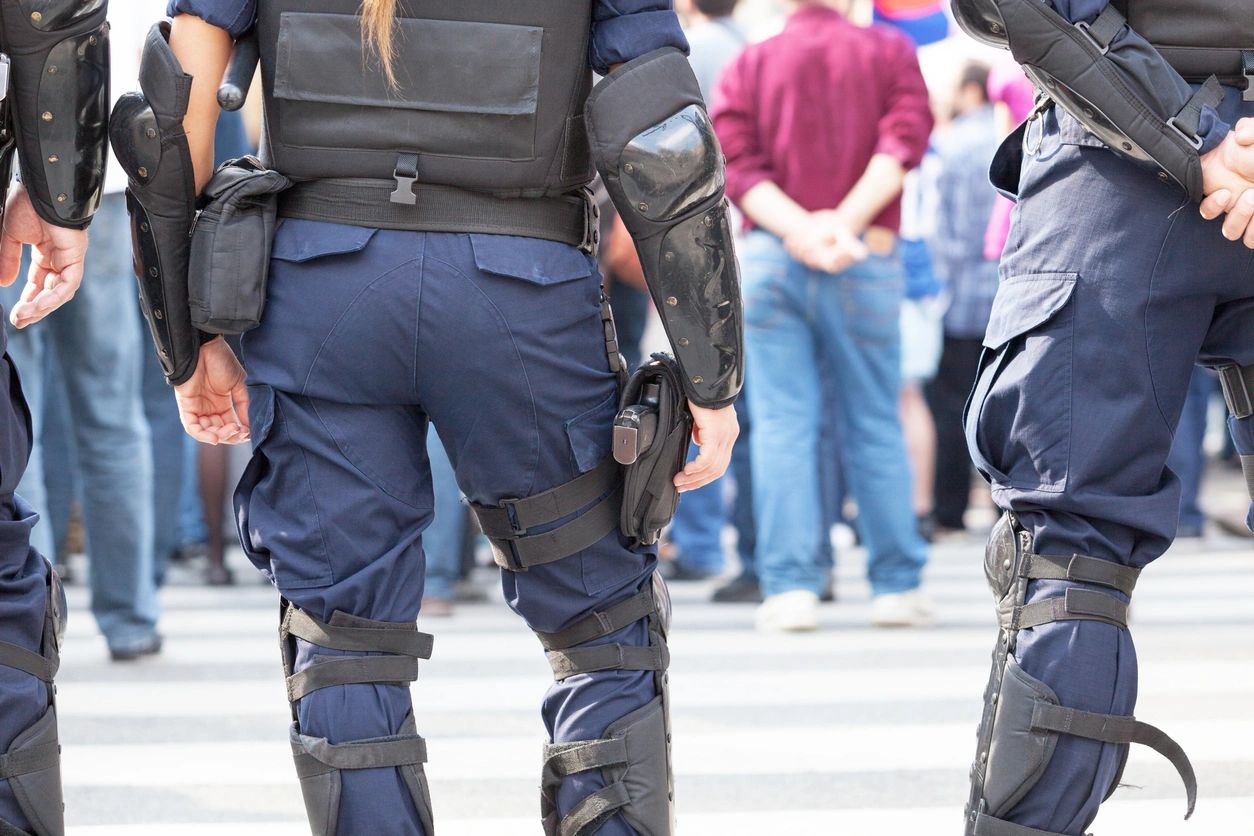
Jamaica, Queens is covered by the New York City Police Department and a network of transit staff, building security teams, and local business owners who know the rhythm of the streets. Around Jamaica Station, AirTrain entrances, and major bus bays, you’ll typically see a mix of NYPD officers, MTA personnel, and private security for buildings and retail. In the residential areas south and east of the core, safety also depends on building management, tenant associations, block groups, and informal neighborhood watch behavior.
2026 Crime Trends Around Jamaica Center & South Jamaica
As of 2026, official New York City crime data show that overall major crime in Queens has not exploded; instead, different categories rise and fall over time while long-term trends remain more stable than the headlines suggest. In and around Jamaica, transit-heavy areas tend to see more incidents of theft and opportunistic crime, while some residential blocks deal more with car break-ins or occasional disputes. The picture is nuanced: you’re not in a “tourist bubble,” but you’re also not in the most dangerous corner of New York City.
Violent vs. Property Crime: What the Numbers Suggest
In practical terms, most day-to-day risk for visitors and commuters in Jamaica, Queens centers on property crime: phones, wallets, bags, and unattended vehicles. Serious violent incidents are far less common than social media might make it seem, and are more likely to involve local disputes than random strangers. For renters and workers, the key is to treat crowded transit spaces as “high-alert zones” for pickpockets, and treat quieter late-night streets as places where you plan your route, avoid isolation, and move with purpose.
Daytime vs. Nighttime Safety Near Jamaica Station
By day, Jamaica Station, Jamaica Avenue, Sutphin Boulevard, and Hillside Avenue feel like a classic New York City commercial hub—busy sidewalks, street vendors, discount stores, government offices, and endless commuters. The main annoyance is petty theft when people walk with phones out, bags open, or wallets in back pockets. After around 10 p.m., foot traffic thins on some side streets, and the real question becomes, “Can I walk solo at midnight from Jamaica Station with headphones in?” It’s smarter to stick to well-lit main routes, walk near other people, and avoid dark, empty blocks when you’re tired or distracted.
LIRR, E/J/Z Subways & AirTrain: Staying Smart in a Busy Hub
Jamaica Station is one of New York City’s key transfer points, linking the Long Island Rail Road, E/J/Z subway lines, and the AirTrain to JFK Airport. That constant flow of travelers, luggage, and occasional confusion creates opportunities for quick grabs of bags and phones, especially near train doors, escalators, and crowded platforms. The environment is still highly monitored and patrolled, and most rides are routine; you greatly reduce your risk by zipping bags, keeping devices out of easy reach, and avoiding zoning out with everything on display near doors.
Streets and Micro-Areas: Commercial vs. Residential Blocks
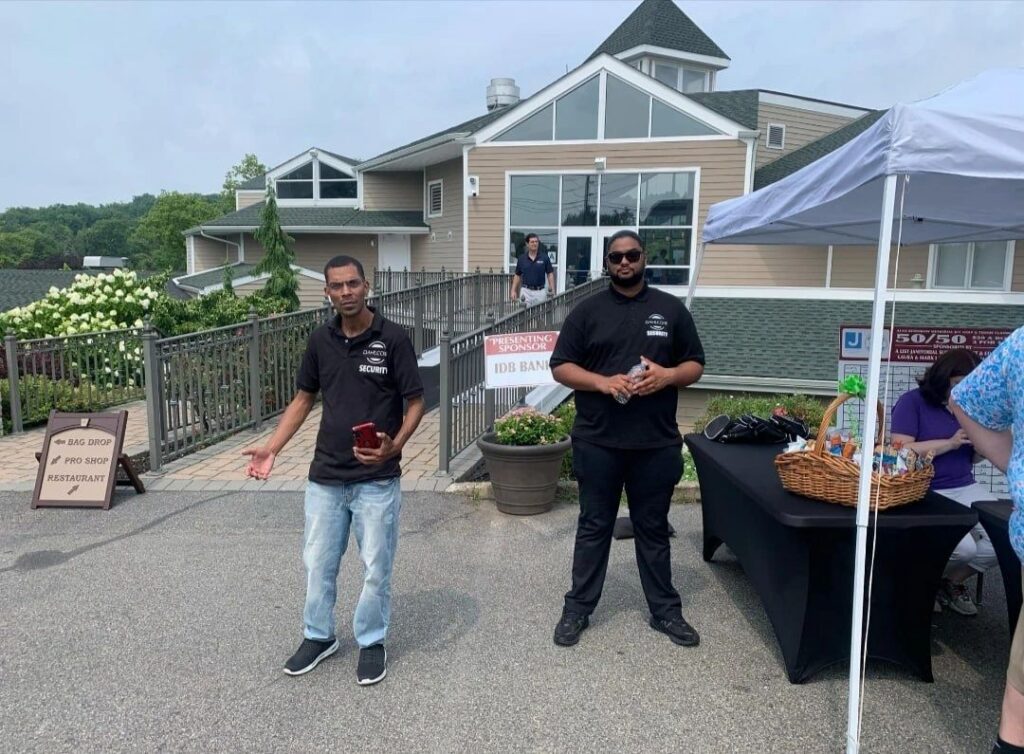
Jamaica, Queens can change block by block. Transit spines like Jamaica Avenue, Sutphin Boulevard, Parsons Boulevard, and Hillside Avenue are noisy, crowded, and usually well-covered by cameras and staff, but also attract small-time thieves looking for distracted people. Residential pockets south and east of the core are quieter and can feel more relaxed by day, though they may experience more issues like car break-ins or late-night arguments. Event nights, local festivals, and weekend nightlife can temporarily change the feel of certain blocks, so it’s worth checking what’s happening nearby before a late return home.
Schools, Parks, and Community Life
Local schools, churches, NYCHA complexes, and parks like Baisley Pond Park help set the tone for daily life in Jamaica, Queens. Active community groups, youth programs, and neighborhood events tend to put more “eyes on the street,” which usually improves the overall feeling of safety. When you see organized activities, community boards, and visible collaboration between residents and local institutions, that’s a good sign for renters weighing whether a block feels stable.
How Jamaica Compares to Other Queens Neighborhoods
Within Queens, Jamaica sits somewhere between “watch your wallet” transit hubs and quieter, more residential neighborhoods. It is busier and more hectic than many parts of northeast Queens, but it benefits from strong transit connections, a dense daytime population, and continuous investment around Jamaica Station. If you’re comparing Jamaica to nearby areas like Briarwood, Jamaica Estates, or St. Albans, think in terms of tradeoffs: transit convenience and hustle vs. a more purely residential feel.
Hotel & Layover Tips Near JFK from Jamaica Station
If you’re using Jamaica Station primarily as a transfer point to reach JFK Airport, your main exposure is the time you spend walking through the station and along Sutphin Boulevard. For late-night arrivals or red-eye layovers, choose hotels that offer a direct shuttle or a short, straightforward rideshare from Jamaica Station or directly from JFK, so you aren’t wandering with luggage after dark. Inside the station and on the AirTrain, stay near staffed areas, clearly marked platforms, and clusters of other travelers.
Renters & Homebuyers: Red Flags and Green Lights in 2026
For renters and homebuyers focused on Jamaica, Queens in 2026, it pays to zoom in on the exact block and building instead of judging by the ZIP code alone. Green lights include: well-lit entryways, controlled building access, cameras in lobbies and parking areas, visible supers or porters, and active tenant groups or co-op boards. Red flags include: poorly lit side streets, unsecured entrances, long-standing complaints about car break-ins or package theft, and buildings where no one seems to take responsibility for common areas.
Internal link anchor ideas you can use from this section:
- “apartments near Jamaica Station”
- “Jamaica Queens rentals close to Jamaica Avenue”
- “Queens security guard services for apartment buildings”
- “multifamily security in Jamaica New York”
Personal Safety Tips That Actually Work
Most locals and long-time commuters in Jamaica, Queens follow a handful of habits that quietly reduce risk. Keep your phone put away on crowded platforms and when trains are pulling into the station, secure bags and backpacks in front of you, and avoid counting cash in public. When walking at night, favor well-lit main routes between Jamaica Station, Jamaica Avenue, and bus stops, and consider using rideshare or the LIRR for very late trips, especially if you’re carrying luggage or expensive gear.
More internal link anchor ideas:
- “security guard company in Jamaica Queens”
- “Queens NY personal safety tips”
Reporting, Resources & Official Data
Before you sign a lease or commit to a new late-night commute, it’s smart to check the latest official New York City crime statistics for the Jamaica area. City crime reports break down major categories like robbery, burglary, assault, and grand larceny by neighborhood, with weekly updates. You can also review citywide reports and Queens-focused summaries to see how Jamaica fits into broader trends, then combine that data with nighttime visits to your actual block.
Helpful internal link anchors from this section:
- “Queens crime statistics 2026”
- “New York City crime data for Jamaica Queens”
What Residents Say: Perception vs. Reality
People who live and work in Jamaica, Queens tend to describe a clear pattern: daytime feels busy but fine, while late-night solo walks on empty side streets are a “know your route and stay alert” situation. That matches the experience of many transit-hub neighborhoods across New York City, where a single high-profile incident can overshadow months of uneventful days. Pairing local voices with current crime data and your own walk-throughs at the times you’ll actually be outside gives you the most realistic view.
Don’t Confuse the NYC Neighborhood with the Caribbean Nation
Search results for “Is Jamaica safe?” often mix up Jamaica, Queens (a neighborhood in New York City) with Jamaica, the Caribbean country. Those are completely different places with different laws, risks, and travel advisories. If you’re evaluating “Jamaica New York safe,” make sure you’re reading about Queens, not a tropical resort destination.
Is Jamaica New York Safe in 2026? Bottom Line
So, is Jamaica New York safe in 2026? If you’re commuting by day, shopping on Jamaica Avenue, or transferring between the LIRR, E/J/Z subway lines, and the AirTrain at Jamaica Station, the neighborhood is generally safe enough when you use normal city smarts. If you’re out past midnight on quieter blocks, carrying bags, and focused on your phone instead of your surroundings, your risk increases—just as it would in many other parts of New York City.
FAQs About Safety in Jamaica, Queens
Is it safe to walk from Jamaica Station to the AirTrain at night?
Yes, thousands of people do it daily. For late-night walks, stay inside the main station paths, follow signs to the AirTrain, stick near staffed areas, and keep valuables out of sight; if you have heavy luggage or feel uneasy, a short rideshare is a good option.
Is Jamaica, Queens more dangerous than the average Queens neighborhood?
Jamaica is more hectic and transit-heavy than quieter parts of Queens but not an extreme outlier for New York City. You trade some serenity for unmatched transit access to Manhattan, Long Island, and JFK.
What’s the biggest risk for visitors around Jamaica Station?
The biggest risk for most short-term visitors is petty theft of phones, wallets, and bags in crowded areas like platforms, stairways, and escalators. Staying aware, securing your belongings, and avoiding distractions at choke points goes a long way.
Does living near Jamaica Avenue feel different from a side street?
Yes. Jamaica Avenue and the blocks immediately around Jamaica Station feel busy, loud, and closely watched, with more foot traffic and more opportunistic theft. Side streets can feel calmer but may also be more isolated late at night, so lighting and regular activity should be part of your housing decision.
Check other blogs:
The Impact of Weather Conditions on Maritime
