

Updated Date: March 17, 2026
Harlem is a big, diverse slice of Manhattan—with different vibes and different stats from block to block. So, is Harlem safe to live in 2026? The honest answer: yes for many residents, with the usual urban caution, and some areas require more awareness than others. Fresh NYPD CompStat reports show notable declines in several crime categories in Central Harlem’s 28th Precinct this year, even as specific issues (like a small uptick in murders) remind us that safety is never uniform across a neighborhood.
What makes the difference day to day? Lighting, foot traffic near transit, the kind of building you’re in, and whether you’re around active retail corridors like 125th Street. Public health also entered the conversation in 2026 after a Legionnaires’ outbreak centered on Central Harlem; the event is now officially over and sparked tighter testing protocols for local cooling towers—important context for anyone asking, Is Harlem safe to live right now?
Below, we break down the latest numbers and the lived-experience factors you’ll feel on the sidewalk.
Is Harlem Safe to Live? A 2026 Snapshot
Short answer: Many parts of Harlem feel like typical busy Manhattan—crowded sidewalks, abundant transit, and plenty of eyes on the street. Recent city crime data continues to show improvements in key offenses in central areas of Harlem year-to-date, suggesting ongoing positive momentum. At the same time, eastern sections of Harlem have historically seen higher crime rates than the Manhattan average and still warrant extra situational awareness, especially on quieter or less-trafficked blocks at night.
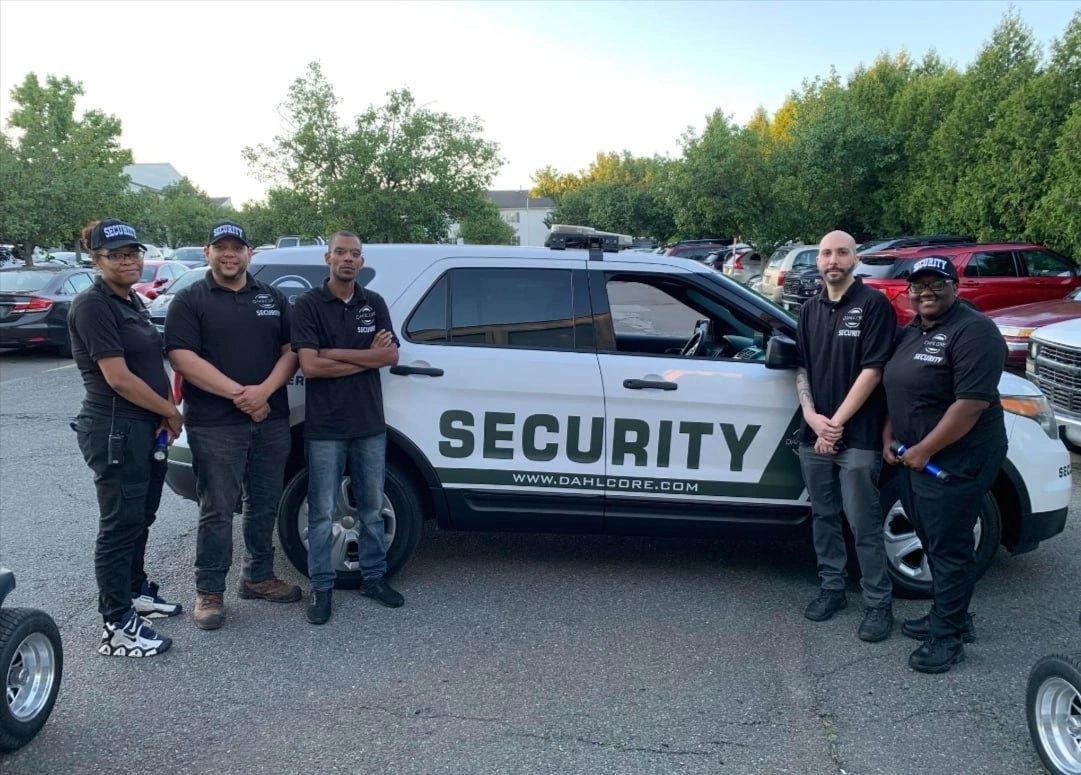
Public sentiment online largely reflects this nuance: many locals say it feels “fine” if you stay aware, avoid flashing valuables, and stick to main avenues and well-lit streets after dark—advice that really applies to most NYC neighborhoods. Anecdotal experiences aren’t hard data, but they can help you set realistic expectations about day-to-day life in the area. If you’re considering living or operating a business in Central Harlem and want professional on-site security support, our dedicated Harlem Central security guard services can help maintain a safer day-to-day environment.
Central, West & East Harlem: How Safety Varies by Area
Harlem covers several distinct areas rather than a single, uniform neighborhood:
- Central Harlem: The busy core around major landmarks and commercial corridors has seen notable declines in reported index crimes compared with recent years, which is encouraging for residents and newcomers. High foot traffic, retail activity, and transit access contribute to a “city-normal” feel for many blocks.
- West Harlem / Hamilton Heights area: This stretch benefits from a strong institutional presence (including universities and hospitals), consistent pedestrian activity, and a mix of residential and commercial uses. Standard big-city safety habits still apply—staying aware of your surroundings, avoiding isolated areas late at night, and keeping valuables out of sight.
- East Harlem: This area has long recorded higher crime rates than some other parts of Manhattan and can feel very different from block to block. Two streets that are only a few minutes apart can have different levels of activity, building conditions, and overall vibe. It is especially important here to research your specific building, intersection, and nearest avenues, and to follow “moderate caution” guidance such as using main routes, staying in well-lit areas after dark, and getting to know your immediate community.
For the most current and detailed numbers, the city’s official crime statistics portal lets you explore trends by neighborhood area and offense type over different time periods. Checking the latest data there alongside local feedback can give you a well-rounded view before making a decision about moving.
Reading NYPD CompStat: What the Latest Numbers Mean for You
Recent NYPD crime statistics for central Harlem show robberies and several other major offenses continuing to trend downward year-to-date compared with the previous year—a sign of a safer overall trajectory in 2026. Individual weeks can spike or dip, but the year-to-date view is what matters most if you plan to live in the neighborhood for the long term.
How to apply this as a renter or buyer:
- Focus on year-to-date and 28-day windows to understand both the short-term movement and the long-term direction.
- If you are choosing between nearby areas, compare neighboring zones to see which has the more favorable pattern.
- Pair the numbers with real-world checks: lighting, active storefronts, bus stops, subway entrances, and steady evening foot traffic all tend to make an area feel more comfortable.
- Before touring apartments, you can review the city’s official crime statistics dashboard and the NYC Crime Map to get a clearer sense of trends around your target blocks.
Public Health Alerts in 2026: What Changed After the Legionnaires’ Outbreak
In mid-2025, central Harlem experienced a Legionnaires’ disease outbreak tied to contaminated cooling towers at a hospital and a nearby city-run facility. That outbreak has since been officially declared over, and the city has tightened testing requirements and enforcement for cooling systems—reassuring context for anyone considering moving to the area in 2026.
What this means for you:
- Legionnaires’ disease does not spread from person to person; it is contracted by breathing in water mist from a contaminated source such as a cooling tower or poorly maintained plumbing.
- Expanded testing, stricter monitoring, and stronger enforcement around building water systems are now in place, which meaningfully lowers the risk of a similar event in the future.
Streets, Lighting, Transit & Foot Traffic: Everyday Safety Signals
Busy avenues like Adam Clayton Powell Jr. Blvd (7th Ave), Malcolm X Blvd (Lenox), Frederick Douglass Blvd, and the 125th Street corridor generally have more foot traffic, better lighting, and many open businesses—all of which improve the “eyes on the street” factor. That’s a big part of why some newcomers feel comfortable here: the sidewalks are rarely empty.
Subway access (A/B/C/D, 2/3, 4/5/6) and frequent buses also mean shorter walks and less time waiting on isolated corners—small details that add up. As always, avoid scrolling on your phone while walking and tuck laptops/earbuds away near station entrances and exits, where opportunistic thefts are more common citywide.
Rents, Buildings & Density: How Development Shapes Safety
More residents, more retail, and more eyes on the street often support a stronger sense of safety. Harlem’s wave of new buildings and renovations has brought features like doormen, cameras, and bright, modern lobbies that many renters and buyers find reassuring. Market-rate and income-restricted housing growth has been significant in recent years, with East Harlem seeing especially active development activity.
Current affordability snapshot (2026):
- Median asking rent in central Harlem sits below the broader Manhattan average but continues to trend upward as new buildings and amenities come online.
- Manhattan-wide rents remain high, which is why many people still view Harlem as a relatively more affordable way to live on the island while staying connected to transit and job centers.
- Current listings show a healthy supply of newer units and, in some cases, concessions such as months-free deals, reflecting ongoing construction and competition among buildings.
Avenues, Corridors, and “Micro-Areas” Where Behavior Shifts
As in most NYC neighborhoods, the feel of safety in Harlem can shift within just a few blocks. Major retail corridors like 125th Street and other busy avenues tend to be well-lit and active deep into the evening, with shops, restaurants, and transit stops keeping foot traffic steady. Parks and quieter side streets can feel very different late at night, especially if lighting is patchy or storefronts close early.
East Harlem has pockets with more visible street disorder at certain times, which doesn’t mean they are unsafe all the time, but it is a cue to favor main avenues and busier routes after dark and to stay alert. General safety guides still frame East Harlem as an area where “moderate caution” is appropriate, particularly for newcomers who are still learning the local blocks. Pro tip: when you tour, go back between 8–10 pm on a weeknight to check the after-dark vibe around your exact building, not just the daytime bustle.
What Changes After Dark—and How to Plan Around It
Evenings bring bar crowds, closed storefronts on secondary blocks, and commuters funneling into specific subway stations. Your game plan:
- Prefer lit, active avenues for late walks.
- Keep rideshares or Citi Bike handy for the last half-mile.
- When possible, enter/exit stations with agents or higher foot traffic.
- In summer, expect outdoor activity to run later, which often enhances foot traffic and visibility.
Doorman, Walk-Up, New Construction: Practical Safety Differences
- Doorman/elevator buildings: You get controlled entry, lobby cameras, and help with packages, which can feel especially reassuring if you receive frequent deliveries or come home late.
- Renovated walk-ups: Focus on secure vestibules, modern intercom/buzzer systems, solid front doors, and parcel lockers or package rooms.
- Newer developments (roughly 2019–2026): Often include bright LED lighting, multiple camera angles, and improved street frontage, which boost visibility for both residents and passersby and can help deter nuisance activity. A growing number of recently completed and in-progress projects in central Harlem fit this profile.
Churches, Schools, Cultural Anchors & BIDs that Boost Safety
Community institutions—from Abyssinian Baptist Church to Apollo Theater—bring regular foot traffic and organized events. The 125th Street corridor benefits from business improvement efforts that coordinate sanitation, lighting, and events—all classic ingredients for a safer-feeling public realm.
Smart Commuting, Package Safety, and Apartment Security
- Transit: Stand back from platform edges, choose cars with more riders, and avoid empty exits after midnight.
- Packages: Use Amazon Locker/UPS Access Point, or buildings with package rooms; porch piracy is mostly a daytime thing everywhere in NYC.
- Home security: A double-cylinder deadbolt (where legal), strike-plate screws, and a peephole camera/intercom go a long way.
- Bikes: Indoor storage rules—street theft is a citywide problem, not a Harlem-specific one.
Safety Tips for Parents, Grad Students, and New Arrivals
Parents:
- Map school routes and practice them.
- Choose after-school programs on the main corridors.
- Check park lighting and evening programming.
Grad students/young professionals:
- Tour at night, check the nearest 24-hour bodega/pharmacy.
- Pair ride home with a friend after late classes.
- Prefer buildings with package rooms and secured lobbies.
New arrivals:
- Introduce yourself to supers and neighbors; the human network matters.
- Save precinct and 311/911 guidance to your phone.
- Join local forums for building-level updates.
Balancing Affordability, Commute, and Safety Priorities
Harlem often delivers a sweet spot of price, space, and subway access relative to downtown Manhattan. Median rents in Central Harlem trail the borough’s overall medians, and newer stock with concessions shows up regularly. If your baseline is: close to the A/B/C/D or 2/3, lively streets at night, and a building with modern access control, Harlem can be a very comfortable choice.
What to Watch Next: Policies, Enforcement, and Local Projects
- Crime trends: Recent data shows declines in several major crime categories in central parts of Harlem; keep an eye on the official crime statistics dashboard to see how those trends evolve through 2026.
- Public health: The 2025 Legionnaires’ outbreak linked to cooling systems in the area is officially closed, with stricter citywide maintenance and testing rules now in place.
- Development: Additional housing and mixed-use projects across central and East Harlem are steadily adding residents, services, and “eyes on the street,” which can support a more active, watched streetscape over time.

Harlem Safety FAQs
Is Harlem safe to live in 2026?
Harlem is a large, mixed neighborhood where safety varies block by block, but current crime data shows improvements in several key categories and many residents consider it a normal NYC urban area with standard big-city precautions.
Which parts of Harlem generally feel safest?
Central and West Harlem’s busier corridors, with strong foot traffic, retail, and transit access, tend to feel more comfortable, while some pockets of East Harlem still call for “moderate caution,” especially late at night.
Is East Harlem safe?
East Harlem has historically recorded higher crime rates than other parts of Harlem, but conditions vary widely by block; many residents live there comfortably by sticking to main avenues after dark and staying aware of their surroundings.
Is Harlem safe at night?
Main avenues and busy commercial streets usually feel safer thanks to lighting and activity, but quieter side streets, parks, and less-trafficked blocks can feel very different, so it is wise to plan night routes along well-lit, busier paths.
Is Harlem safe for solo walkers or newcomers?
Many solo residents walk around daily without issues by following basic city habits: avoiding isolated spots late, not flashing valuables, and paying attention to the vibe of each block.
Conclusion: The Bottom Line
Yes—Harlem can be a reasonable and often appealing place to live in 2026 for many renters and buyers, especially in busier areas and well-managed buildings. The core is still micro-location: your experience will depend heavily on your specific block, building, and daily routines.
2026 Bottom Line on Safety
Harlem today combines improving crime trends in many central areas, growing residential density, and tighter oversight following recent public health issues. The safest-feeling experiences tend to be in lively corridors and secure, staffed, or well-managed buildings. With basic city smarts—staying aware, using main avenues at night, and not advertising valuables—many residents find day-to-day life feels comparable to other busy Manhattan neighborhoods.
Making Harlem Work for You
If you pair a carefully chosen address with practical habits, Harlem can offer a compelling balance of culture, commute, and community for 2026 movers. You get access to express trains, restaurants, and arts venues, often at a lower rent than many other Manhattan neighborhoods. To go deeper on crime trends, use the city’s official interactive crime statistics portal and NYC’s crime map to compare your target area with other parts of the borough.
Check other blogs
How to Get a Security Guard Card: Quick & Easy Application Tips
How High Security Guard Ensures Maximum Safety
