


“Guarding Against Internal Threats in Hospital Environments: A Comprehensive Guide”
In today’s world, hospitals face a myriad of internal threats, ranging from data breaches to physical violence. These institutions, being the sanctuaries of healing and care, must ensure an environment where patients, staff, and data are safeguarded against such threats. It is crucial to understand that the security of a hospital is not just about preventing external risks but also about guarding against internal vulnerabilities that could compromise patient safety and hospital integrity.
The Scope of Internal Threats in Hospitals
Internal threats in hospitals are diverse and complex. They can include employee misconduct, theft of medical supplies, unauthorized access to restricted areas, data breaches, and more. These threats can undermine patient trust, disrupt hospital operations, and lead to significant financial losses. Understanding these threats is the first step in developing an effective strategy to combat them.
Policies and Procedures for Enhanced Security
Developing and implementing robust policies and procedures is crucial for safeguarding a hospital’s sensitive information and maintaining a secure environment. These policies must address a comprehensive range of aspects, including data security to protect patient records, access control to restrict unauthorized personnel, employee conduct guidelines to promote responsible behavior, and stringent patient privacy measures to uphold confidentiality.
Regularly reviewing and updating these policies is essential to adapt to evolving security threats and technology advancements, ensuring they continue to safeguard the hospital’s integrity and sensitive data effectively.
Technology’s Role in Safeguarding Hospitals
Advancements in technology offer new avenues to enhance hospital security. From biometric access systems to advanced surveillance cameras and cybersecurity measures, technology can be a formidable tool in detecting and preventing internal threats. Integrating these technologies with traditional security measures creates a more robust defense against internal risks.
Employee Screening and Training
Employees are both an asset and a potential source of internal threats in hospitals. Rigorous background checks during the hiring process, coupled with continuous training in security protocols and ethical conduct, are essential. Educating staff about the importance of security and their role in it cultivates a culture of vigilance and responsibility.
Access Control Measures in Hospitals
Access control is vital in maintaining hospital security. Limiting access to sensitive areas like medication storage, patient records, and operating rooms is essential. Implementing keycard systems, biometrics, and surveillance can effectively control and monitor access to these critical areas.

Cybersecurity in Hospital Environments
In the healthcare industry’s growing dependence on digital systems, safeguarding patient records and critical operations is of utmost importance. Robust cybersecurity measures, such as advanced firewalls, encryption, and intrusion detection systems, must be implemented and regularly updated to defend against potential hacking attempts and data breaches.
Additionally, continuous staff training on recognizing and responding to cyber threats, coupled with a strong emphasis on maintaining digital hygiene through software patching and password management, are essential components of a comprehensive cybersecurity strategy to ensure the integrity and confidentiality of sensitive patient information.
Emergency Response Planning
Hospitals must have well-defined emergency response plans to deal with various internal threats. These plans should include protocols for handling data breaches, dealing with violent incidents, and responding to natural disasters. Regular drills and updates ensure that staff are prepared to act swiftly and effectively in an emergency.
Patient Safety and Privacy
Hospital security is fundamentally centered around safeguarding the well-being and privacy of patients. To achieve this, hospitals implement stringent measures to guarantee the confidentiality of patient information, including robust protocols for the secure handling of medical records, rigorous staff training to maintain vigilance, and the establishment of secure patient areas to prevent internal threats that could compromise both the physical safety and privacy of patients.
Internal Audits and Compliance
Regular internal audits help in identifying potential security lapses and areas for improvement. Ensuring compliance with national and international standards for hospital security and data protection is also crucial. These audits and compliance checks serve as a health check for the hospital’s security measures.
The Human Factor in Hospital Security
Recognizing the human factor in hospital security means acknowledging that even well-intentioned staff can make mistakes that compromise security. Understanding staff motivations involves appreciating that while most healthcare workers prioritize patient care, there may still be instances where individuals are tempted to breach security protocols for convenience or personal gain.
By fostering a security-conscious culture and implementing comprehensive training and awareness programs, hospitals can proactively address these human factors, thereby reducing the likelihood of security breaches and ensuring a safer and more secure healthcare environment for patients and staff.
Best Practices from Leading Hospitals
Studying and implementing best practices from leading hospitals worldwide can offer invaluable insights into enhancing healthcare delivery. By adopting innovative security technologies, hospitals can better safeguard patient data and ensure a secure environment. At the same time, adequate staff training programs empower healthcare professionals with the skills and knowledge to provide top-quality care. Additionally, efficient emergency response strategies enable hospitals to respond swiftly and effectively to critical situations, ultimately improving patient outcomes and overall healthcare quality.
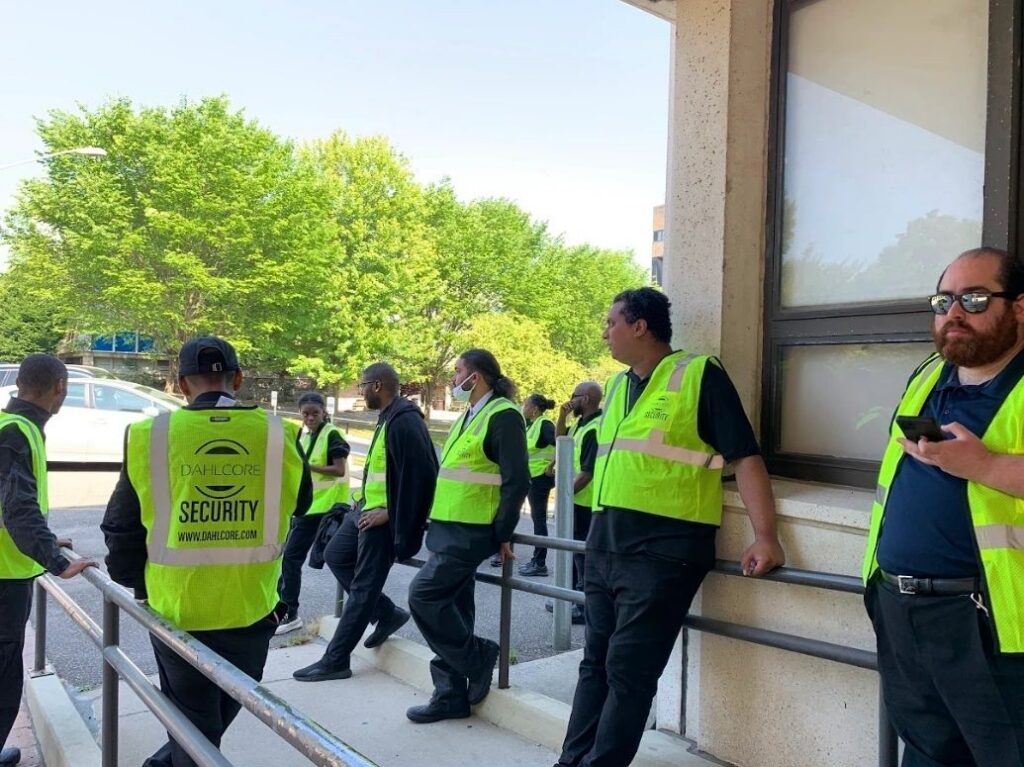
Guarding Against Internal Threats in Hospital Environments
Guarding against internal threats in hospital environments necessitates a comprehensive approach that integrates technological solutions, human vigilance, and well-defined procedures. By leveraging advanced security technologies such as access control systems, surveillance cameras, and intrusion detection systems, hospitals can bolster their defenses against unauthorized access and potential internal breaches.
Simultaneously, training staff members to recognize and report suspicious activities, along with implementing strict protocols for data access and patient information handling, further strengthens the security posture of healthcare facilities, ultimately ensuring a safer and more secure environment for patients, staff, and sensitive medical data.
Frequently Asked Questions
What are the most common internal threats in hospitals?
The most common internal threats include data breaches, theft of medications or equipment, and unauthorized access to sensitive areas, often facilitated by either a lack of proper security measures or employee misconduct.
How can technology aid in preventing internal threats?
Technology can enhance security through advanced surveillance systems, access control mechanisms, and robust cybersecurity protocols that help detect and prevent unauthorized access and data breaches.
What role do employees play in hospital security?
Employees are crucial to hospital security; they must be vigilant, adhere to security protocols, and undergo regular training to recognize and report potential security threats.
How can hospitals ensure data security?
Hospitals can ensure data security by implementing strong cybersecurity measures, conducting regular security audits, and training staff in data protection and privacy practices.
What are effective emergency response strategies?
Effective emergency response strategies include having a well-structured plan, regular drills, clear communication channels, and designated roles for staff to ensure a quick and organized response to emergencies.
How can hospitals maintain compliance with security regulations?
Hospitals can maintain compliance by regularly reviewing and updating their security policies, ensuring adherence to national and international standards, and conducting periodic audits for compliance verification.
Conclusion
Guarding against internal threats in hospital environments is a multifaceted challenge that requires continuous effort and adaptation. By implementing robust policies, leveraging technology, training staff, and fostering a culture of security, hospitals can create a safer environment for everyone. It is not just about protecting data and assets but about preserving the sanctity of places dedicated to healing and care.
Check other blogs
Technology in Modern Loss Prevention: Tools and Techniques
Exploring Concert Security at NGR Houston: What You Need to Know
