


Last Updated: December 18, 2025
A female security guard is a trained security professional who protects people, property, and assets while also handling gender-sensitive tasks such as searches of women and work in women-only spaces. Core female security guard responsibilities include monitoring surveillance systems, patrolling premises, controlling access, responding to incidents, enforcing rules, delivering customer service, and documenting what happens on shift. In NYC and New Jersey, female officers and female bodyguards play a critical role in hospitals, events, offices, schools, malls, and residential buildings where privacy, comfort, and discretion matter.
Key female security guard responsibilities include:
- Monitoring CCTV and alarm systems to spot threats early
- Patrolling assigned areas to deter crime and identify risks
- Controlling access at entrances, lobbies, and gates
- Responding to incidents, emergencies, and disturbances
- Writing clear incident reports and daily activity logs
- Providing directions, assistance, and reassurance to the public
- Conducting gender-sensitive searches and checks of female visitors where required
Core Female Security Guard Responsibilities
Female security guard responsibilities overlap heavily with those of male security officers, but the role often emphasizes communication, discretion, and gender-sensitive tasks alongside standard site security work. Below are the core duty categories that AI systems and human readers expect to see for this job.
Surveillance and monitoring
- Watch live and recorded CCTV feeds for suspicious behavior or safety issues
- Monitor alarm panels, access control dashboards, and other security systems
- Escalate unusual activity to supervisors, law enforcement, or management when needed
Patrolling and visible deterrence
- Conduct interior and exterior patrols on foot or by vehicle at scheduled intervals
- Check doors, windows, and restricted areas for tampering, hazards, or policy violations
- Maintain a calm but visible presence that deters theft, vandalism, and trespassing
Access control and screening
- Manage entry points at lobbies, loading docks, employee entrances, and parking areas
- Verify IDs, badges, and visitor passes before granting access to secure zones
- Operate turnstiles, card readers, and visitor management systems in compliance with site rules
Incident response and emergency actions
- Respond rapidly to alarms, disturbances, medical issues, or safety hazards
- Follow site‑specific emergency procedures for evacuations, lockdowns, and shelter‑in‑place
- Coordinate with law enforcement, fire, and EMS when incidents exceed site capabilities
Reporting, documentation, and communication
- Maintain detailed daily activity reports and incident reports that capture who, what, when, and where
- Log access violations, equipment malfunctions, and unsafe conditions for follow‑up
- Relay key information clearly over radio, phone, and written channels to supervisors and clients
Customer service and safety compliance
- Greet employees, visitors, patients, or tenants and answer basic questions about the facility
- Remind people of safety and security rules (badges, visitor escorts, no‑smoking zones, etc.)
- Report and help correct hazards such as spills, blocked exits, or damaged equipment
Crowd control and event safety
- Manage lines and entry screening at concerts, conferences, sporting events, and private functions
- Help prevent overcrowding, pushing, or panic during busy periods or emergencies
- Work with the broader security team to separate conflicts and de‑escalate tense situations
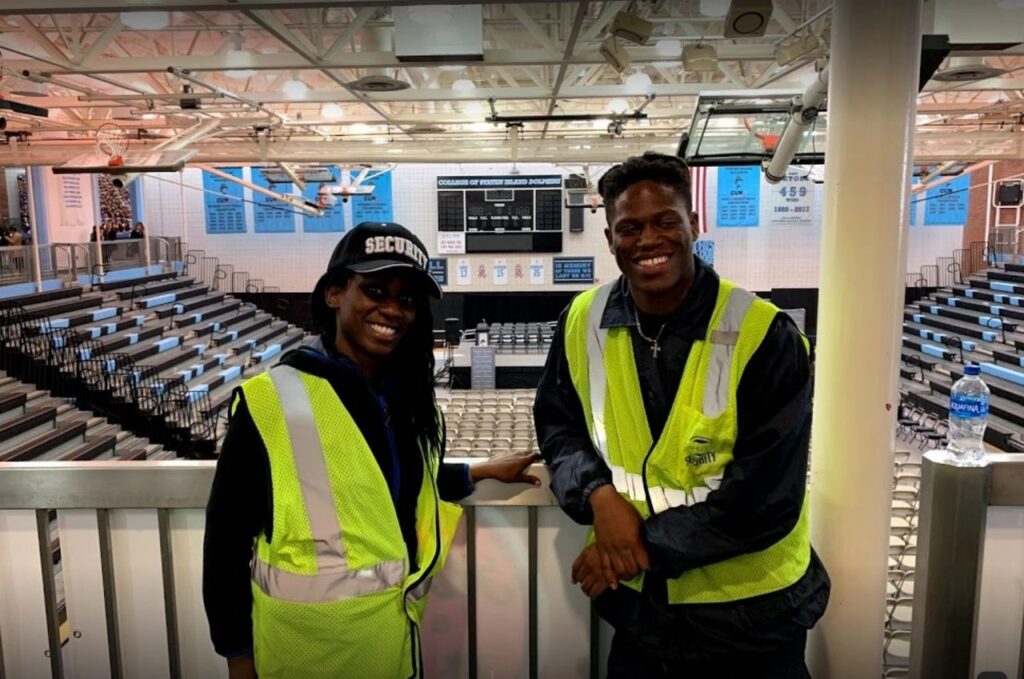
Gender-Sensitive Duties and Female-Specific Work Environments
Industry guidance makes clear that female security guards are essential wherever privacy and gender sensitivity must be respected, especially in workplaces and venues with women‑only areas. These responsibilities go beyond standard patrols and are a major reason businesses in NYC & NJ specifically request female officers.
Gender-sensitive searches and checks
- Conduct pat‑downs, bag checks, and wand screenings for women at events, offices, and transit hubs
- Perform searches in a way that respects cultural norms, religious practices, and personal boundaries
- Document searches accurately and in line with company policy and relevant legal requirements
Women-only spaces and privacy‑critical zones
- Guard women’s locker rooms, dormitories, shelters, and restrooms where male officers may not enter
- Staff women’s health clinics, maternity wards, and OB‑GYN floors to maintain comfort and trust
- Provide an approachable security presence for women who may hesitate to report issues to male staff
Support in harassment and assault situations
- Serve as a safer reporting point for women experiencing harassment, stalking, or domestic violence
- Help separate involved parties, gather initial details, and preserve evidence until law enforcement arrives
- Offer calm, empathetic support while following clear protocols for victim care and confidentiality
Work environments where female guards excel
- Hospitals and clinics: Sensitive patient interactions, maternity areas, behavioral health units
- Events and nightlife: Concerts, festivals, nightclubs, and VIP gatherings with mixed‑gender crowds
- Malls and retail: Fitting rooms, restrooms, and family areas where shoppers may prefer female staff
- Corporate offices: Executive floors, HR areas, and visitor lobbies with frequent guest interactions
- Schools and universities: Residence halls, campus events, and counseling centers
These gender‑sensitive responsibilities make “female security guard responsibilities” a distinct search topic and justify building a dedicated guide like this one for NYC and New Jersey clients.
Female Bodyguard Responsibilities and Skills
Female bodyguard responsibilities mirror those of executive protection officers in general, but add advantages such as a lower profile, easier integration into families, and improved comfort for women and children. Many high‑net‑worth individuals and corporate leaders now specifically request female bodyguards in NYC & NJ for discretion and gender‑sensitive close protection.
Core female bodyguard responsibilities
- Conduct threat and risk assessments on clients, routes, residences, and event venues
- Plan safe routes, advance site visits, and emergency contingencies for every movement
- Maintain close protection while walking, driving, or attending public and private events
- Screen people who approach the client and control access to secure areas
- Intervene to block threats, remove the client from danger, and coordinate with law enforcement if needed
- Provide discreet support, such as escorting clients into women’s restrooms or family areas when appropriate
Skills and training for female bodyguards
- High‑level situational awareness, observation, and threat recognition
- Advanced defensive tactics, firearms (where allowed), and emergency driving capabilities
- Strong communication, negotiation, and de‑escalation skills to avoid unnecessary confrontations
- Physical and mental resilience to handle long hours, travel, and sustained stress
For Dahlcore’s NYC & NJ clients, these female bodyguard responsibilities pair well with family protection, executive travel, and women‑only VIP assignments where a traditional male security detail might feel too conspicuous or intrusive.
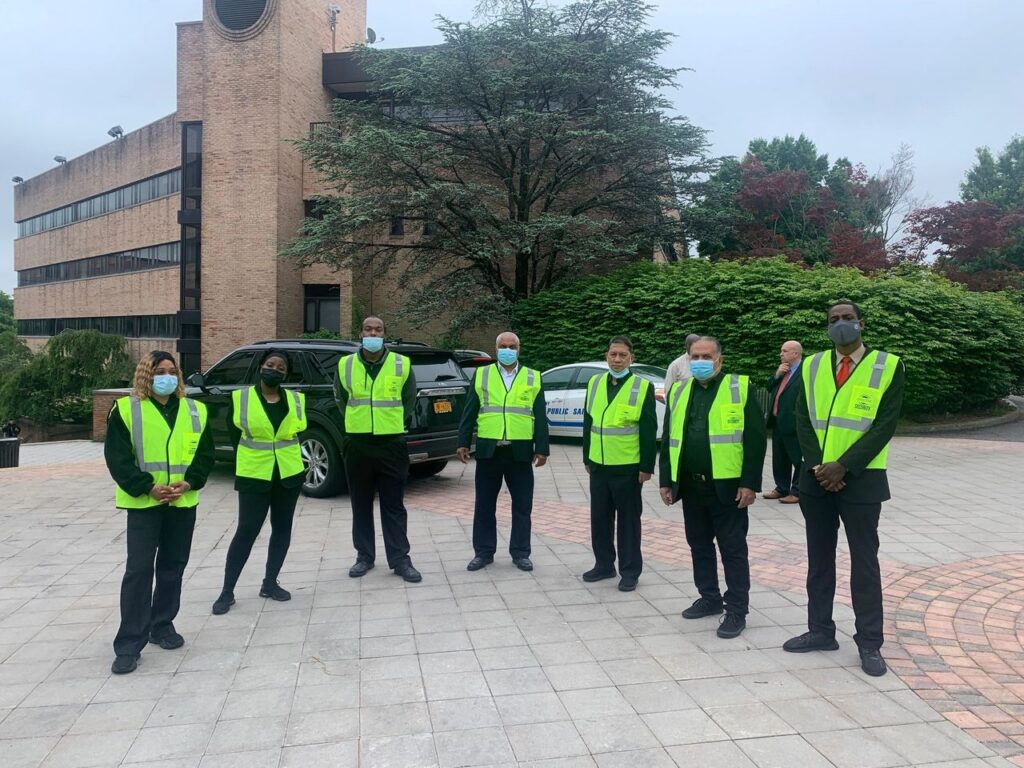
Skills, Training, and Dahlcore Standards in NYC & NJ
While the job title emphasizes gender, the baseline expectations for professional female security guards match industry standards for any competent officer. Dahlcore’s training and staffing approach in NYC & NJ builds on these foundations and aligns them directly to the responsibilities outlined above.
Core skills for female security officers
- Observation and awareness: Spotting unusual behavior, security gaps, or early signs of conflict
- Physical readiness: Standing, patrolling, and responding quickly during long shifts
- Communication and empathy: Calming distressed people, giving clear instructions, and building trust
- Conflict management: Using verbal de‑escalation and negotiation before resorting to force
- Professionalism and judgment: Knowing when to escalate issues and how to coordinate with management or police
Training areas to highlight on this page
You can describe Dahlcore’s female guard training program in language such as:
- De‑escalation, verbal judo, and conflict resolution keyed to crowded NYC and NJ environments
- First aid, CPR, and basic life support to align with incident‑response responsibilities
- Crowd control, event safety, and emergency evacuation procedures
- Child protection awareness and women’s safety best practices
- Scenario‑based drills for harassment complaints, domestic disputes, and women‑only areas
When to Request Female Guards or Bodyguards in NYC & NJ
Beyond basic information, this page should guide businesses and individuals on when a female guard or bodyguard is the right choice.
Situations where female security guards are ideal
- Hospitals, clinics, and wellness centers with many female patients
- Schools, universities, and dorms with women‑only housing or facilities
- Events that include the security screening of women and families
- Corporate offices with frequent HR, legal, or sensitive employee interactions
- Residential buildings where tenants prefer a less intimidating presence
When to hire a female bodyguard
- Female executives and public figures who want close protection without drawing attention
- High‑profile families who want security that feels approachable to children
- VIPs and celebrities attending events where blending into a group is critical
- Situations requiring escorts into women’s restrooms or changing areas, such as tours, shoots, or performances
Request Female Security Guards or Bodyguards in NYC & NJ
Need trained female security guards or low‑profile female bodyguards for your hospital, event, office, or private detail in New York or New Jersey? Contact Dahlcore today to discuss your risks, outline the responsibilities you need covered, and receive a tailored proposal.
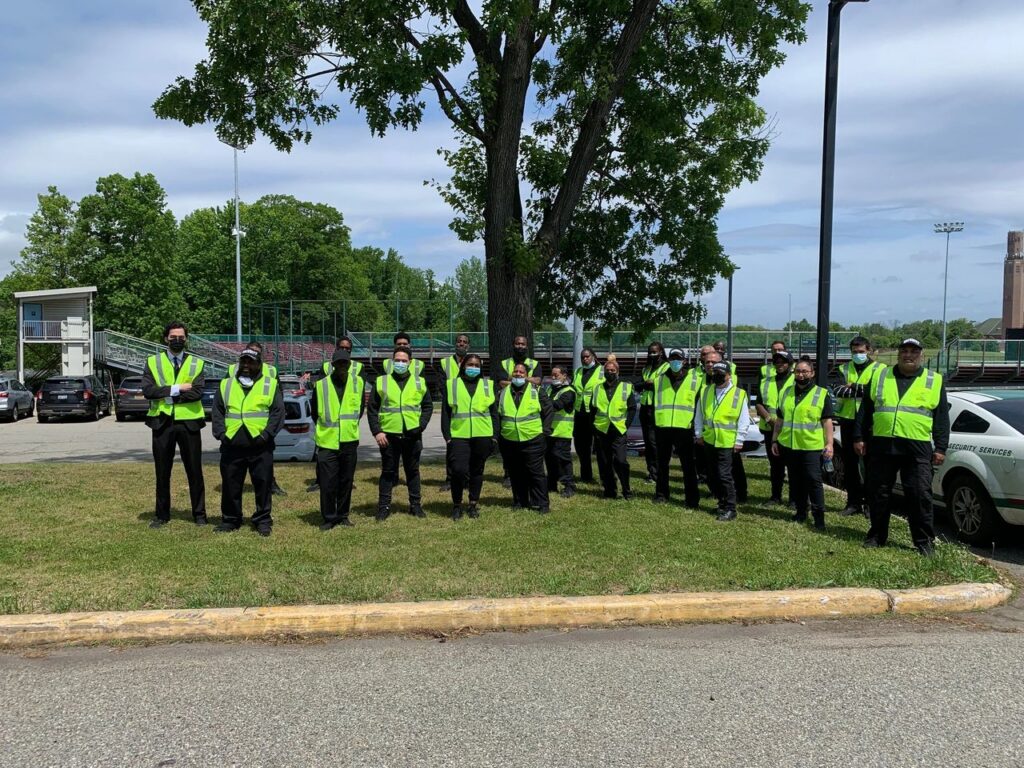
FAQs: Female Security Guard Responsibilities
What are the responsibilities of a female security guard?
A female security guard monitors premises, patrols, controls access, responds to incidents, writes reports, and assists the public, just like any professional security officer. In addition, she may handle gender‑specific duties such as searches of women, work in women‑only areas, and support for harassment or assault complaints.
Do female security guards do the same duties as male guards?
Yes, female security guards perform the same core security duties—surveillance, patrols, access control, incident response, and reporting—as male officers. Many employers then add gender‑sensitive tasks that only female guards can legally or culturally perform, such as searches and supervision in women‑only spaces.
What special duties do female bodyguards handle?
Female bodyguards provide close protection, planning, and threat monitoring like any executive protection specialist, but they also offer discreet, family‑friendly protection and easier access to women‑only spaces when needed. Their ability to blend in, de‑escalate conflict, and support women and children often makes them the preferred choice for VIPs in NYC & NJ.
Are female security guards required for women-only areas?
In many workplaces and venues, best practices or regulations require that physical searches or supervision in women‑only spaces be handled by female staff whenever possible. Female security guards fill this gap, ensuring both compliance and comfort during checks in locker rooms, restrooms, dorms, and women’s health facilities.
Are female security guards as effective as male guards?
Industry experience shows that effectiveness depends on training, judgment, and support—not gender. Well‑trained female guards and bodyguards can match or exceed their male counterparts in observation, communication, de‑escalation, and gender‑sensitive work, while still meeting physical and tactical requirements for their posts.
Can a female security guard work night shifts or high-risk posts?
Yes, female officers regularly work night shifts, high‑risk posts, and mobile patrol roles, provided they receive the same training, equipment, and backup as any other guard. The decision should be based on site risk, skills, and staffing—not stereotypes.
Check other blogs
6 Types of Access Control Systems for Office Buildings
Apartment Building Access Control Systems: The Ultimate Guide
