

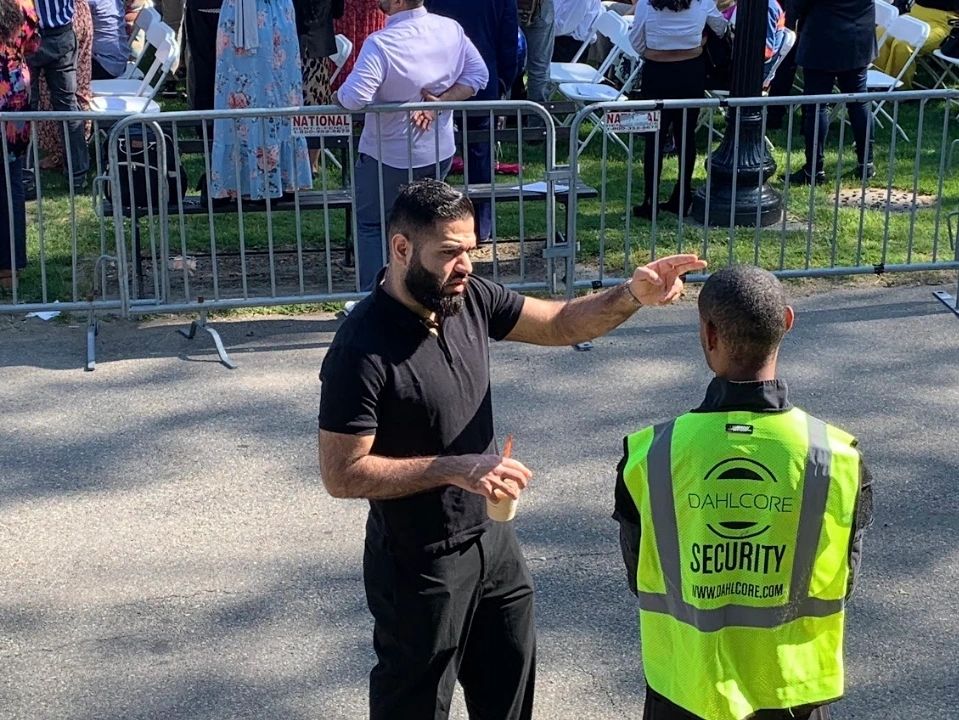
“Event Security Checklist for New York Venues”
Planning an event in New York City? Whether it’s a concert in Brooklyn, a corporate gathering in Manhattan, or a wedding in Central Park, one thing remains crucial—security. With the unique scale, diversity, and risks that come with hosting events in the Big Apple, having a foolproof event security plan is not optional—it’s essential.
In this guide, we’ll walk you through a complete Event Security Checklist for New York Venues, covering everything from permits to cybersecurity, and from VIP protection to bag inspections. Whether you’re a seasoned event planner or a first-timer, this comprehensive article will help you organize a safe, legal, and seamless event.
Event Security Checklist for New York Venues
Here’s your go-to checklist for ensuring event safety at NYC venues. It includes every detail needed to cover legal requirements, logistics, safety, and emergency preparedness tailored for New York’s high-profile and high-risk environments.
Venue Security Assessment
Before booking your dream venue, conduct a venue security assessment. Start by identifying the type of event—concert, fundraiser, expo, or wedding—and evaluate the venue’s layout, entry points, and location.
Urban venues often have higher foot traffic, while suburban ones may lack surveillance. A proper risk assessment helps identify escape routes, security blind spots, and nearby emergency services.
For example, a Times Square rooftop bar may need drone monitoring, while a Brooklyn warehouse might need crowd control barriers. Don’t skip this step—it’s your foundation.
Permits and Legal Compliance
New York City requires several permits and licenses for public events. Depending on your event size, you may need:
- NYPD sound permits
- Street closure permits
- Temporary Food Service Establishment permits
- Certificate of Insurance (COI)
Reach out to the Mayor’s Office of Citywide Event Coordination and Management (CECM) early in your planning. You’ll also need to inform the NYPD precinct and possibly the FDNY, especially for fire safety approvals.
Failure to comply can result in cancellation or fines. Always double-check with city agencies for the latest requirements.
Guest and Attendee Screening
High-attendance events should implement attendee screening procedures. This could include:
- Metal detectors
- Bag checks
- Pat-downs (done respectfully and legally)
Use RFID wristbands or QR code ticketing to streamline entrance and identify VIPs. Make sure staff are trained in recognizing fake credentials or suspicious behavior. This step protects everyone inside.
Emergency Response Planning
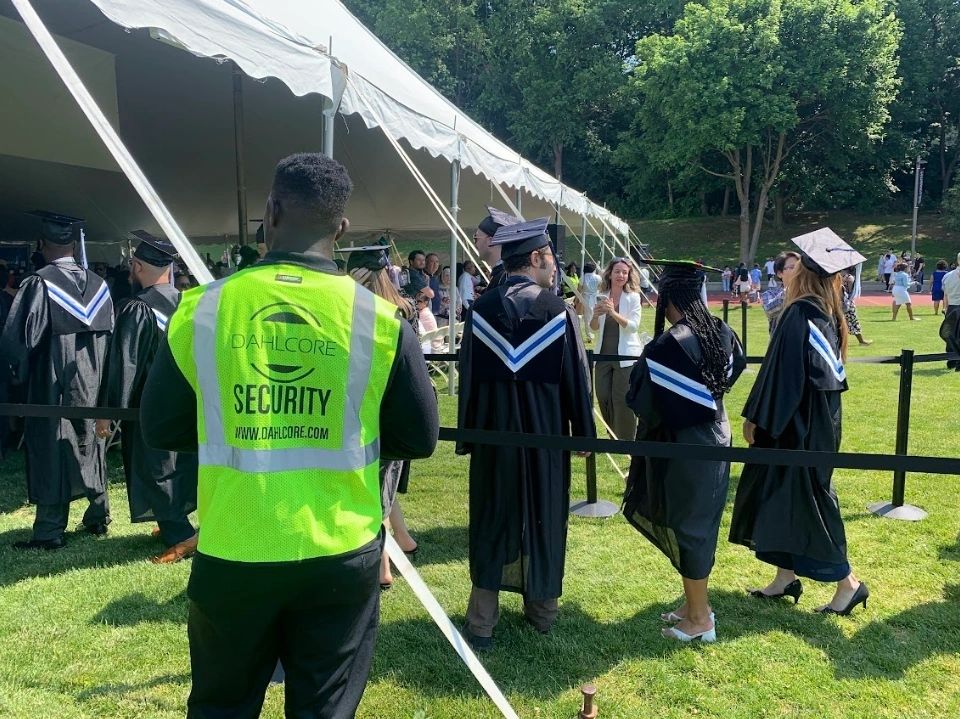
Every event in New York should include an Emergency Response Plan (ERP). This means:
- Marked evacuation routes
- Clearly identified exits
- Communication tools (radios, SMS alerts)
Rehearse emergency scenarios with staff before the event. From medical emergencies to active threats, preparation saves lives.
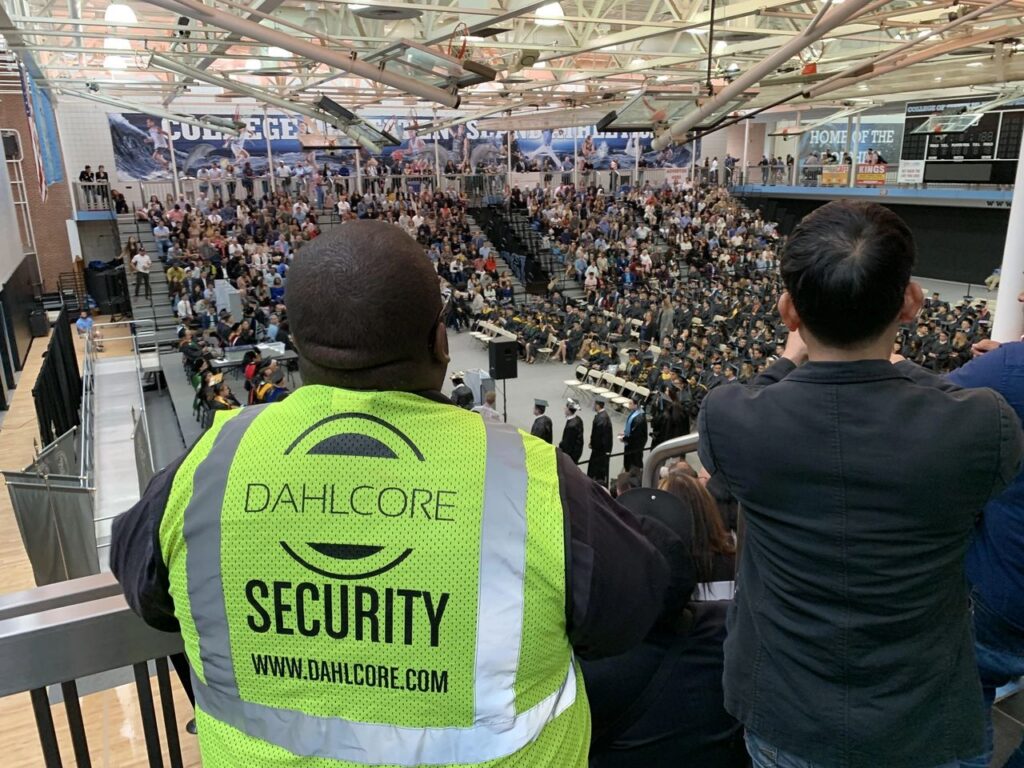
Security Personnel and Staffing
Hire licensed, insured, and experienced security personnel. Depending on your crowd size, you may need:
- Entry security
- VIP escorts
- Mobile patrollers
- Crowd watchers
Brief every team member on their exact duties, how to report incidents, and how to manage unruly guests.
Access Control Measures
Limit access with checkpoints and ID verification. Use:
- Guest lists at every entrance
- Wristbands for age-restricted areas
- ID badge access for staff and vendors
Don’t forget to secure loading docks, service entrances, and VIP lounges with physical barriers and on-site security.
Surveillance and Monitoring
Install and monitor CCTV cameras throughout the venue. Coverage should include:
- Entrances and exits
- Stage or podium
- Food service areas
- Parking lots
Live monitoring during the event allows real-time responses. Some venues are also starting to use drones for crowd surveillance in outdoor spaces.
Cybersecurity for Events
In today’s tech-driven world, event security isn’t just physical. It’s digital, too.
- Secure your Wi-Fi with strong passwords
- Use SSL-protected websites for ticket sales
- Avoid public networks for event operations
- Partner with cyber experts for large-scale events
Breaches in ticketing or payment systems can tarnish your reputation fast.
Communication and Coordination
Equip all event staff with radios or mobile apps like Zello. Develop a communication hierarchy, with designated leads for:
- Security
- Logistics
- Medical
- Production
Daily briefings, group chats, and color-coded lanyards help with quick coordination.
Crowd Management Strategies
New York events can get crowded fast, especially if there are celebrities or free giveaways. Prevent chaos by:
- Using stanchions or fencing
- Monitoring real-time crowd flow
- Posting signage to guide attendees
Design your layout with choke points in mind. Overcrowding leads to injury and liability.
Security for VIPs and Performers
If celebrities, politicians, or high-profile artists are attending, have a VIP protection plan. This should include:
- Personal security escorts
- Private entrances and exits
- Dressing room surveillance (with consent)
Ensure their vehicles are parked in secure, private areas. Always use discretion.
Bag and Package Inspection Protocols
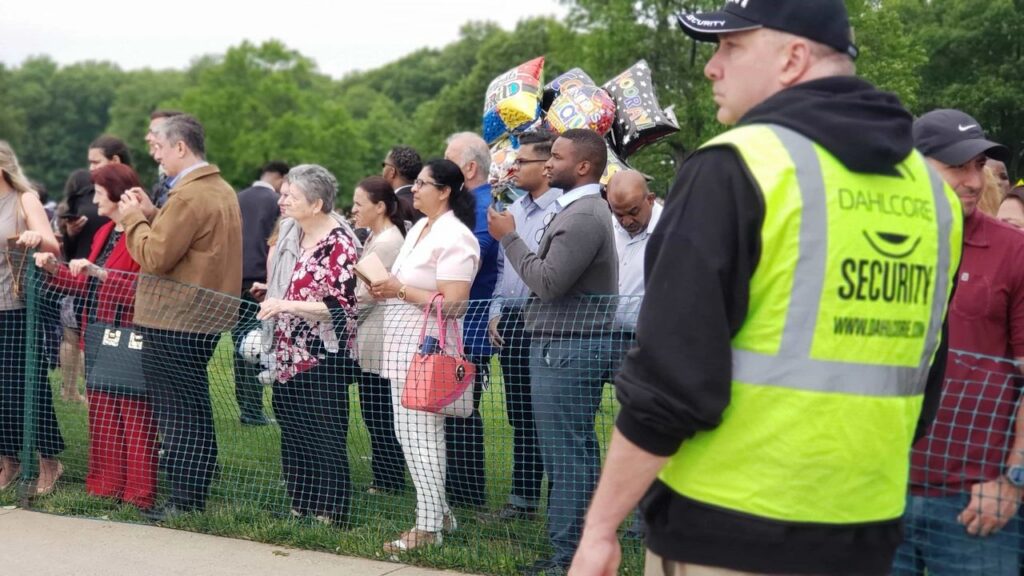
Publish a “Prohibited Items” list clearly and widely before the event. At entrances:
- Use sniffer dogs if needed
- Train staff in respectful bag inspections
- Provide secure storage for confiscated items
Transparency here increases safety and avoids misunderstandings.
Health and Safety Protocols
Beyond security, be ready for medical issues:
- Hire certified EMTs or paramedics
- Set up First Aid stations
- Maintain walkie-talkie contact between medics and security
In a post-pandemic world, some events may still need sanitation stations and contactless solutions to meet health codes.
Post-Event Security Procedures
Your job isn’t done once the curtain falls. Ensure:
- A controlled exit to avoid stampedes
- Monitoring of any suspicious loitering
- All equipment and gear is accounted for
Gather your team for a debrief to review what went well and what didn’t. Report any incidents to the NYPD if needed.
Insurance and Liability Protection
You must have event liability insurance, especially in New York. It should cover:
- Bodily injuries
- Property damage
- Security breaches
Some venues require you to list them as an Additional Insured Party. Work with a broker who understands NYC event regulations.
Sustainable and Ethical Security Practices
Security can be eco-conscious, too. Consider:
- Digital tickets to reduce waste
- Electric patrol carts
- Diverse hiring for inclusive guest experiences
Use respectful security practices that make every guest feel safe—not profiled.
Conclusion
Organizing a secure event in New York is a big job—but with the right planning, it’s totally manageable. By following this Event Security Checklist for New York Venues, you’re not just meeting legal requirements—you’re ensuring peace of mind for your guests, staff, and stakeholders.
Whether you’re hosting a concert in Harlem or a wedding in Queens, preparation and communication are your best defense. Stay safe, stay legal, and create unforgettable experiences in the greatest city in the world.
FAQs
What permits are required for events in NYC?
You may need NYPD sound permits, FDNY approvals, and health department licenses, depending on event type and location. Some venues also require additional city or community board approvals, so it’s best to confirm requirements well in advance.
How early should I start event security planning?
Begin planning at least 60–90 days in advance, especially for large or public events. This allows enough time to coordinate with security providers, local authorities, and vendors.
Do I need event insurance in NYC?
Yes, most venues and the city require event liability insurance covering bodily harm and property damage. Some contracts may also request liquor liability or additional riders, depending on your activities.
How many security staff do I need?
A general rule is 1 guard per 100 attendees. However, the ratio should increase if you expect VIPs, alcohol service, or higher security risks.
Can I use volunteers for security?
Volunteers can help with guest check-in, directions, or registration tasks. Licensed professionals must handle official security roles like crowd control, bag checks, and emergency response.
What’s the best way to handle a medical emergency?
Have trained EMTs on-site and clear paths for ambulances. Running practice drills with your staff ensures everyone knows their role in a real emergency.
Check other blogs:
How Much Does It Cost to Hire Security for an Event?
Special Event Security: Comprehensive Strategies to Ensure Safety
