


The modern world faces an ever-evolving array of security challenges, from sophisticated cyberattacks to vulnerabilities in physical security. Hiring a consultant for security allows organizations to identify and address these weak points with precision. These experts bring specialized knowledge and tools to the table, ensuring comprehensive protection for businesses, institutions, and individuals. In this article, we’ll explore the crucial role of security consultants, their methods, and how they help fortify against potential threats.
What is a Security Consultant?
A security consultant is a professional who assesses, identifies, and mitigates risks in both physical and digital environments. They analyze vulnerabilities, devise strategies, and recommend solutions to protect assets, whether it’s a company’s data or its physical premises. These experts act as a bridge between current security practices and optimal safety standards.
Security consultants typically specialize in areas such as cybersecurity, physical security, or a combination of both. Their primary goal is to ensure that their clients remain protected from potential threats and breaches.
Why Hire a Security Consultant?
Security consultants offer several advantages, including:
- Expertise in Risk Mitigation: They bring years of experience to identify weak points that might be overlooked.
- Tailored Solutions: Each organization has unique needs, and consultants provide customized strategies.
- Cost Efficiency: Proactively addressing vulnerabilities saves businesses from costly breaches or damages.
- Regulatory Compliance: Security consultants ensure adherence to industry regulations, protecting against legal penalties.
The Best Local Security Consultants
When it comes to safeguarding your business or property, choosing the right local security consultants is crucial. These experts assess vulnerabilities, provide actionable recommendations, and implement robust solutions tailored to your specific needs. Here’s what sets the best local security consultants apart and why investing in their services is a smart decision:
What Makes the Best Security Consultants?
1. Experience and Expertise:
Top-notch security consultants bring years of experience in risk management and security planning. They are often certified in areas like threat analysis, cybersecurity, and physical security.
2. Customized Solutions:
Each property or business has unique risks. The best consultants craft bespoke strategies rather than offering one-size-fits-all solutions.
3. Comprehensive Assessments:
They perform detailed evaluations, identifying vulnerabilities in areas like physical access, cybersecurity, or employee protocols.
4. Strong Network of Resources:
High-quality consultants have established relationships with local authorities, security technology providers, and emergency services.
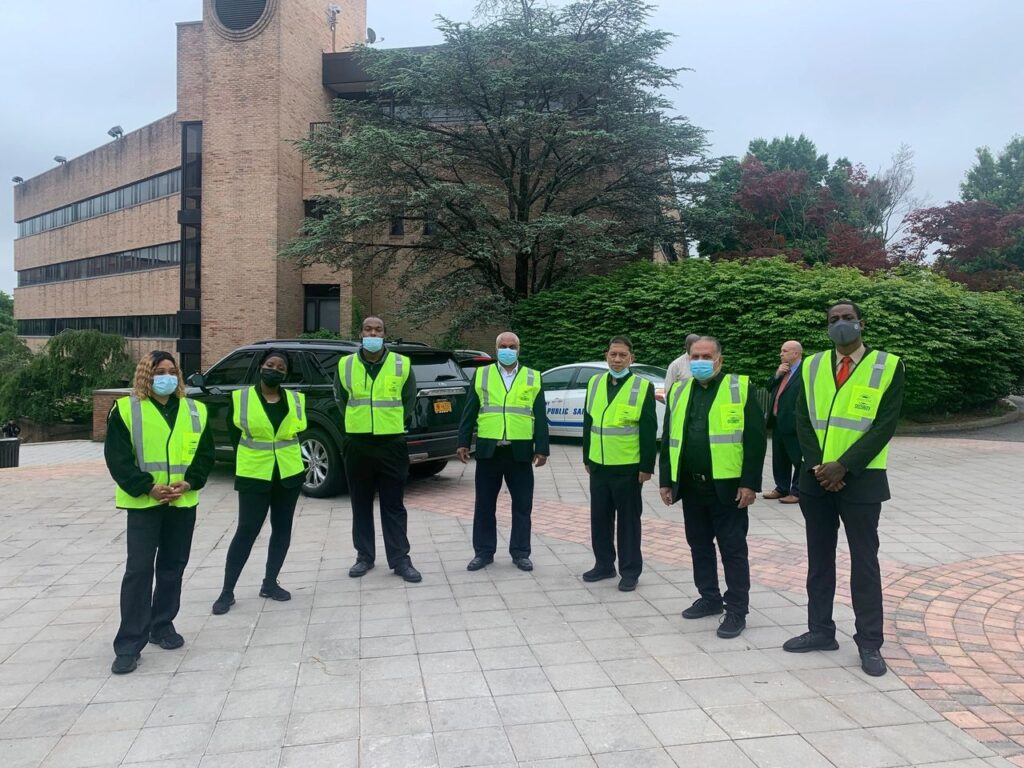
Types of Security Vulnerabilities
Physical Security Vulnerabilities
Physical vulnerabilities such as poor lighting, unsecured entry points, or inadequate surveillance create opportunities for criminals to exploit weaknesses in security. These gaps can result in unauthorized access, theft, vandalism, or sabotage, compromising the safety and integrity of the premises.
Cybersecurity Vulnerabilities
These vulnerabilities often arise when organizations fail to regularly update their software, implement strong password policies, or secure their networks properly. Cybercriminals take advantage of these gaps through tactics like phishing and ransomware, which can lead to unauthorized access, data breaches, and significant financial losses.
How Security Consultants Work
Initial Assessments and Audits
Consultants begin by thoroughly evaluating existing security measures to identify potential vulnerabilities and areas for improvement. This comprehensive process includes physical inspections of facilities, in-depth analyses of security systems, and interviews with key stakeholders to gain insights into the effectiveness of the current security framework.
Risk Analysis and Mitigation Plans
Following the assessment, consultants prioritize the identified risks and craft a comprehensive action plan. This strategic blueprint specifies the necessary resources, technologies, and best practices to effectively mitigate threats and strengthen security measures.
Physical Security Solutions
Identifying Weak Points in Premises
A consultant thoroughly evaluates critical areas, including doors, windows, and potential surveillance blind spots, to identify vulnerabilities in security systems. Based on this assessment, they provide expert recommendations for structural improvements or the integration of advanced technologies, such as motion detectors and surveillance cameras, to enhance overall protection.
Surveillance and Access Control
Advanced surveillance systems, including high-definition cameras and motion sensors, provide real-time monitoring, enhancing security by detecting and recording suspicious activity. Biometric access controls, such as fingerprint and facial recognition, combined with keycard systems, ensure only authorized personnel can enter sensitive areas, adding an extra layer of protection.

Cybersecurity Solutions
Threat Detection and Response
Cybersecurity consultants design and implement advanced monitoring systems that track network activity in real-time, identifying unusual behavior or potential vulnerabilities. This proactive approach allows them to respond immediately to threats, minimizing damage and ensuring the security of critical data and infrastructure.
Network and Data Security Protocols
By implementing robust encryption techniques, firewalls, and intrusion detection systems, consultants create multiple layers of security to safeguard sensitive data. These measures help minimize vulnerabilities by detecting and preventing unauthorized access or potential threats in real-time, ensuring a more secure environment.
Penetration Testing and Ethical Hacking
Penetration testing and ethical hacking simulate attacks to expose vulnerabilities in systems. These techniques allow consultants to test the robustness of security measures and recommend fixes for discovered loopholes.
Qualities of an Expert Security Consultant
When hiring a consultant, look for:
- Certifications: Credentials like CISSP or CEH indicate advanced knowledge.
- Analytical Skills: The ability to assess complex systems and identify vulnerabilities.
- Experience: Proven expertise in handling similar security challenges.
Top Tools Used by Security Consultants
Physical Security Tools
- Surveillance cameras
- Motion detectors
- Biometric scanners
Cybersecurity Software and Frameworks
- Firewalls and antivirus software
- Penetration testing tools like Metasploit
- Security Information and Event Management (SIEM) systems
Creating a Security Plan
Developing a security plan involves:
- Conducting a comprehensive risk assessment.
- Prioritizing identified vulnerabilities.
- Implementing solutions tailored to risks.
- Regularly updating and testing the plan.

Cost of Security Consulting Services
The cost of hiring a security consultant depends on factors such as:
- Scope of the project.
- Level of expertise required.
- Tools and technology involved.
While these services might seem expensive, the long-term benefits far outweigh the initial investment.
Future Trends in Security Consulting
Innovations in the Field
AI-driven threat detection systems are enhancing the speed and accuracy of identifying potential risks, while drone surveillance provides real-time monitoring in areas that are otherwise difficult to access. Additionally, blockchain technology is ensuring the integrity and immutability of security data, bolstering trust and transparency in security operations.
Adapting to New Threats
As cybercriminals develop more advanced strategies, security consultants must constantly refine their skills and tools to effectively counteract these evolving threats. This proactive approach ensures that organizations remain protected against emerging vulnerabilities and cyberattacks.
How to Choose the Right Security Consultant
To find the right consultant, ask:
- What is your experience in handling similar projects?
- What certifications do you hold?
- Can you provide case studies or references?
- How do you stay updated with evolving threats?
FAQs
What does a security consultant do?
A security consultant assesses and advises businesses or individuals on how to protect their assets, personnel, and information. They provide recommendations for security systems, policies, and procedures to mitigate risks.
How much does a security consultant cost?
The cost of a security consultant typically ranges from $100 to $500 per hour, depending on their expertise and the complexity of the project. Some consultants may charge a flat fee for specific services, such as risk assessments or security audits.
What is penetration testing?
Penetration testing is the practice of evaluating the security of a system or network by simulating cyberattacks. Its goal is to identify vulnerabilities before malicious hackers can exploit them.
Why are security audits important?
Security audits are crucial for identifying vulnerabilities and ensuring that systems comply with industry standards and regulations. They help organizations proactively address risks, enhance security measures, and maintain the trust of clients and stakeholders.
What tools do security consultants use?
Security consultants use tools like risk assessment software, surveillance systems, and cybersecurity platforms to evaluate and enhance security measures. They also rely on physical security tools, such as access control systems and alarm systems, to protect assets.
How often should security measures be updated?
Security measures should be updated regularly, at least annually, or whenever significant changes occur in technology or operations. Frequent reviews help address new threats and ensure the effectiveness of existing protocols.
Conclusion
Investing in a consultant to expose security vulnerabilities is a proactive step toward safeguarding your assets. These experts provide comprehensive solutions tailored to your needs, ensuring robust defenses against both current and emerging threats. Whether it’s a cyberattack or a physical security breach, the right consultant can make all the difference in keeping you secure.
Check other blogs
Effective Crime Prevention with Professional Security Patrols
Security for Dispensaries: Top 5 Tips to Protect Your Dispensary
