

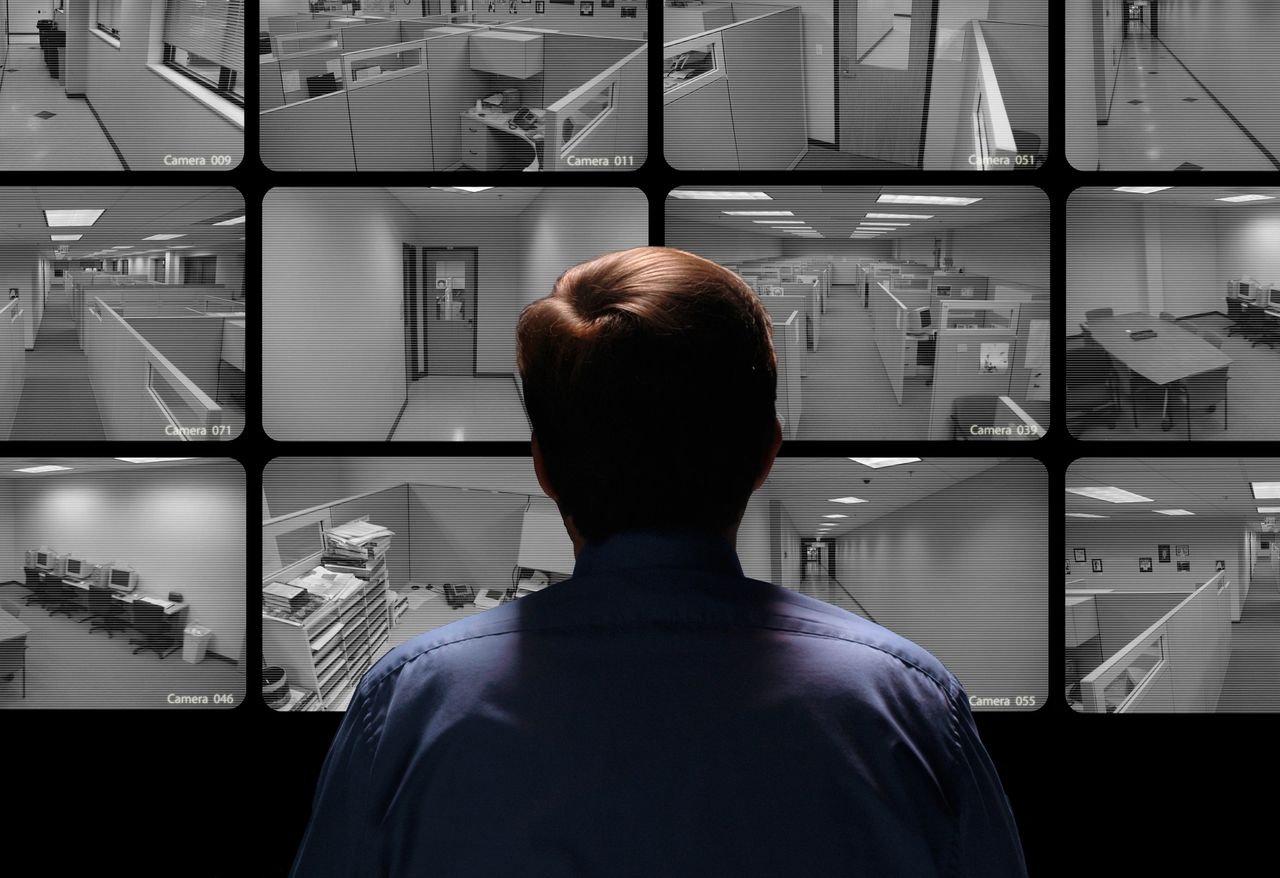
“Camera Monitoring System for Business | Enhance Security & Surveillance”
Importance of Business Security
Security is one of the top concerns for business owners. Whether you operate a small retail store, a large office, or an industrial facility, protecting your assets, employees, and customers is crucial. Security threats such as theft, vandalism, and unauthorized access can lead to significant financial losses and reputational damage.
A strong security system not only prevents crime but also creates a safe and productive work environment. One of the most effective security measures is a camera monitoring system, which helps businesses maintain control over their premises while ensuring peace of mind.
How Camera Monitoring Enhances Protection
A camera monitoring system for business serves multiple purposes. It acts as a deterrent for potential criminals, helps monitor employee activities, ensures compliance with safety regulations, and provides real-time surveillance for business operations. The ability to monitor locations remotely through cloud-based access makes these systems even more powerful and convenient.
What is a Camera Monitoring System?
A camera monitoring system is a network of security cameras that capture and store footage of a business’s premises. These systems help owners and managers keep an eye on operations, deter unauthorized activities, and provide evidence in case of incidents.
Types of Camera Monitoring Systems
- Analog Cameras: Traditional CCTV cameras that transmit video signals to a DVR.
- IP Cameras: Modern digital cameras that connect via the internet and offer better resolution.
- Wireless Systems: Cameras that transmit footage wirelessly, reducing installation complexity.
- Wired Systems: Hardwired cameras that provide stable and secure connections.
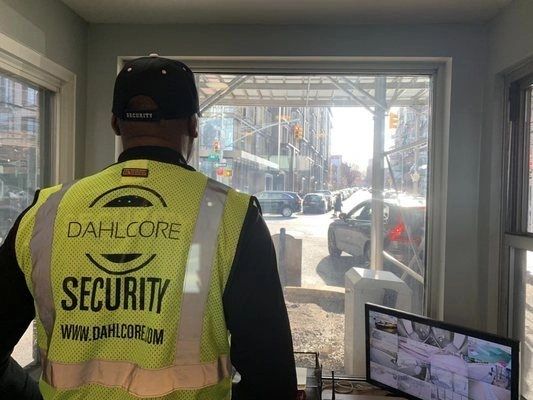
Why Businesses Need a Camera Monitoring System
Investing in a surveillance system is essential for maintaining security and ensuring business continuity.
Protection Against Theft and Vandalism
One of the biggest threats to businesses is theft, whether from external criminals or internal employee misconduct. Surveillance cameras act as a deterrent, reducing the chances of shoplifting, break-ins, and vandalism.
Employee and Customer Safety
A camera monitoring system improves workplace safety by preventing workplace harassment, violence, or unauthorized access. It also reassures customers that they are in a secure environment.
Compliance with Regulations
Many industries require businesses to install security cameras to comply with local laws, insurance policies, and safety regulations. Surveillance footage can serve as legal evidence in case of disputes or accidents.
Types of Camera Monitoring Systems for Businesses
Different businesses have unique security needs. Choosing the right camera system depends on factors like coverage area, budget, and security risks.
Analog vs. IP Cameras
- Analog cameras offer basic security and are cost-effective.
- IP cameras provide higher resolution, remote access, and AI-powered features.
Wireless vs. Wired Systems
- Wireless systems are easy to install but may suffer from signal interference.
- Wired systems require professional installation but offer reliable performance.
Indoor vs. Outdoor Cameras
- Indoor cameras monitor workspaces, offices, and cash registers.
- Outdoor cameras provide surveillance for parking lots, loading docks, and building perimeters.
Key Features to Look for in a Business Camera Monitoring System
When choosing a surveillance system, consider these essential features:
- High-Resolution Video Quality: Ensure clear footage for identifying faces and objects.
- Night Vision and Low-Light Performance: Capture clear images even in dark conditions.
- Motion Detection and Alerts: Receive notifications when unusual activity is detected.
- Remote Access and Cloud Storage: Monitor your business from anywhere using a smartphone or computer.
How Camera Monitoring Improves Business Security
Preventing Criminal Activities
Visible security cameras act as a strong deterrent, as criminals tend to avoid businesses with clear surveillance. Knowing that their actions are being recorded makes potential offenders think twice before attempting illegal activities.
Real-Time Monitoring and Response
With live monitoring, security teams can quickly assess situations as they unfold, allowing for prompt action when necessary. This immediate response reduces the chances of damage or loss, as well as provides valuable evidence for investigations.
Strengthening Access Control
Security cameras play a crucial role in monitoring entry and exit points, ensuring that only authorized personnel access restricted areas. By providing real-time surveillance and recorded footage, they help deter unauthorized access and support investigations when security breaches occur.
Best Locations to Install Security Cameras in a Business
Security cameras play a crucial role in monitoring restricted areas, ensuring only authorized personnel gain entry. They provide a clear record of who accessed sensitive locations, helping prevent unauthorized entry or tampering.
- Entry and Exit Points: Monitor who enters and leaves the premises.
- Workspaces and Offices: Prevent unauthorized access to sensitive areas.
- Storage Rooms and Inventory Areas: Reduce theft and stock manipulation.
- Parking Lots and Outdoor Premises: Enhance employee and customer safety.
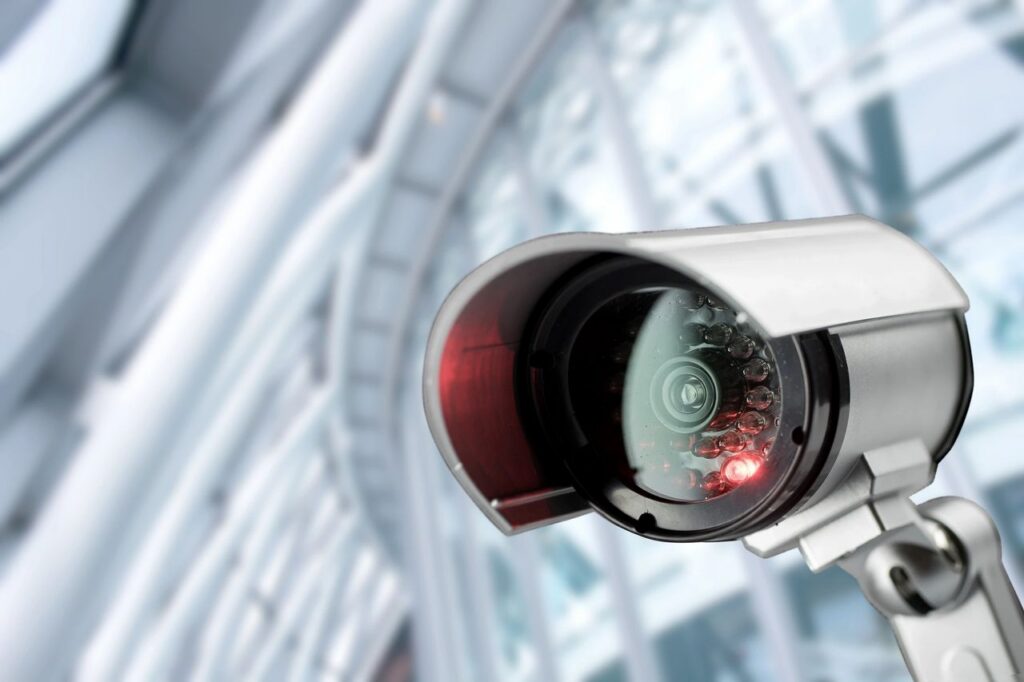
Integrating AI and Smart Technology in Camera Monitoring
AI-Powered Motion Detection
Artificial intelligence reduces false alarms by distinguishing between humans, animals, and inanimate objects, ensuring more accurate threat detection. This capability minimizes unnecessary alerts, allowing security personnel to focus on genuine concerns.
Facial Recognition for Access Control
Advanced security systems use facial recognition to restrict access by identifying authorized individuals and denying entry to unknown faces. This technology enhances security in sensitive areas while streamlining entry for approved personnel.
Smart Alerts and Automation
AI-enabled cameras analyze real-time footage and automatically trigger alarms or send alerts when unusual activity is detected. This automation improves response times and ensures swift action in potential security breaches.
Legal Considerations for Business Surveillance
Before installing cameras, businesses must follow legal guidelines:
- Privacy Laws and Compliance: Ensure you’re not violating employee privacy rights.
- Signage Requirements: Inform employees and customers about surveillance.
- Data Storage and Handling: Securely store and manage video footage to prevent misuse.
Choosing the Right Camera Monitoring System for Your Business
Assessing Security Needs and Risks
Identify critical areas that need surveillance, such as entry points, cash registers, or storage rooms. Consider potential threats like theft, vandalism, or unauthorized access to determine the necessary security level.
Scalability and Future Upgrades
Opt for a system that supports additional cameras and advanced features to accommodate future expansion. Ensure it is compatible with newer technologies to avoid costly replacements later.
Budget Considerations
Compare different camera systems to find one that offers essential security features without exceeding your budget. Look for cost-effective options that provide long-term reliability and minimal maintenance costs.

FAQs
What is the best camera system for small businesses?
The best camera system for small businesses depends on security needs, but popular choices include Arlo Pro, Ring, and Lorex for easy installation and remote access. For higher security, systems like Hikvision or Axis offer advanced features like AI detection and high-resolution recording.
How much does a camera monitoring system cost?
The cost of a camera monitoring system depends on factors like the number of cameras, features, and installation requirements. Prices vary based on brand, quality, and whether it’s a DIY or professional setup.
Can business security cameras be hacked?
Yes, business security cameras can be hacked if they have weak passwords, outdated software, or unsecured network connections. To prevent this, businesses should use strong passwords, enable encryption, and regularly update firmware.
How long should businesses store security footage?
Businesses should store security footage long enough to meet legal requirements and operational needs. The retention period depends on factors such as industry regulations, security risks, and storage capacity.
Are there tax benefits for installing security cameras?
Yes, installing security cameras may provide tax benefits, such as deductions or credits for businesses and homeowners under certain conditions. Eligibility depends on factors like business use, local tax laws, and available incentives.
Conclusion
A camera monitoring system for business is a powerful tool for enhancing security, improving employee productivity, and ensuring compliance. Investing in the right system helps protect your assets, prevent crime, and create a safe working environment. Whether you opt for an AI-powered IP camera or a simple wired setup, prioritizing security is a step toward business success.
For more information, consider consulting a professional security expert or exploring advanced surveillance technologies. 🚀
Check other blogs:
Fire Safety Director: What It Is and How to Become One
