


Security in office buildings has always been a top priority for companies. Traditionally, security guards have been the go-to solution for ensuring the safety of employees, assets, and information. However, with technological advancements, many companies are now exploring alternatives that can provide equal, if not better, security coverage. These alternatives not only offer improved efficiency but also help reduce costs and enhance overall security protocols. In this article, we will delve into the best office-building security guard alternatives for companies, focusing on technology-based solutions and their benefits.
Rising Security Concerns and the Need for More Effective Solutions
In recent years, the surge in security threats has underscored the need for more robust and effective solutions. Urban areas, in particular, have witnessed a notable increase in security challenges due to a variety of factors:
- Increased Urban Population: As more people flock to cities, the density and complexity of urban environments make traditional security measures less effective.
- Technological Advancements: While technology has improved many aspects of life, it has also introduced new vulnerabilities, such as cyber threats and sophisticated criminal tactics.
- Global Connectivity: Increased global interactions mean that local incidents can have international ramifications, requiring more comprehensive security strategies.
- Rising Crime Rates: Many cities worldwide have seen a rise in crime rates, emphasizing the need for enhanced security protocols.
To address these concerns, there is a growing demand for innovative security solutions that can adapt to the evolving landscape. This includes the integration of advanced technologies such as AI-driven surveillance, biometric systems, and real-time response mechanisms. These technologies not only enhance security but also improve the efficiency and scalability of responses to threats.
Technology-Based Security Solutions
The rise of technology has revolutionized the way we think about security. From advanced surveillance systems to automated access control, modern office buildings are increasingly relying on technology to safeguard their premises. These solutions not only provide 24/7 monitoring but also integrate seamlessly with other security measures, creating a comprehensive security ecosystem.

Access Control Systems
Keyless Entry and Smart Locks
Keyless entry systems and smart locks are becoming standard in modern office buildings. These systems eliminate the need for traditional keys, reducing the risk of unauthorized access. Employees can use keycards, smartphones, or even wearable devices to gain entry, ensuring that only authorized personnel can access specific areas. This technology also allows for easy tracking of entry and exit, providing detailed logs that can be crucial in case of a security breach.
Biometric Access Control
Biometric systems take security a step further by using unique physical characteristics like fingerprints, facial recognition, or iris scans for access control. These systems are nearly impossible to bypass, offering a higher level of security. In addition to preventing unauthorized access, biometric systems can also be used to monitor employee attendance and movement within the building, ensuring that sensitive areas are only accessed by those with proper clearance.
Surveillance Cameras
CCTV and Remote Monitoring
Closed-circuit television (CCTV) has been a staple of security for decades, but modern advancements have taken it to new heights. High-definition cameras, night vision capabilities, and remote monitoring options allow security personnel to monitor the premises from anywhere in the world. These systems can be integrated with mobile apps, enabling real-time alerts and live streaming, which enhances responsiveness to potential threats.
Artificial Intelligence-Powered Surveillance
AI-powered surveillance cameras are the future of building security. These systems can automatically detect unusual activity, recognize faces, and even predict potential security breaches. AI algorithms can differentiate between normal and suspicious behavior, reducing the number of false alarms and ensuring that security teams are alerted only when necessary. This technology not only improves efficiency but also allows for proactive security measures.
Alarm and Intrusion Detection Systems
Smart Alarms and Instant Alerts
Traditional alarm systems have evolved into smart alarms that offer instant notifications and remote control. These systems can be connected to smartphones, allowing business owners and security teams to receive real-time alerts if an intrusion is detected. Smart alarms are often integrated with other security measures, such as cameras and access control systems, to provide a layered defense against potential threats.
Motion Sensors and Glass Break Detectors
Motion sensors and glass break detectors are essential components of a modern security system. These devices can detect unauthorized movement and the sound of breaking glass, triggering an alarm and notifying security personnel immediately. By placing these sensors strategically around the building, companies can ensure that every entry point is monitored, reducing the chances of undetected intrusions.

Security Drones
Role of Drones in Office Building Security
Security drones are an emerging technology that is transforming how companies monitor large office buildings. These drones can patrol the perimeter, scan for threats, and provide real-time video feeds to security teams. Equipped with thermal imaging and night vision, drones can operate in various conditions, ensuring that no corner of the property is left unmonitored.
Advantages of Drone Surveillance
Drones offer several advantages over traditional security measures. They can cover large areas quickly, respond to alerts in real-time, and provide aerial views that are impossible to achieve with ground-based cameras. Drones can also be programmed to follow specific patrol routes, ensuring consistent coverage without the need for human intervention.
Remote Security Monitoring Services
Professional Monitoring Services for Office Buildings
Outsourcing security monitoring to professional services is becoming increasingly popular among companies. These services employ trained security personnel who monitor the premises remotely, responding to alerts and coordinating with local law enforcement if necessary. Remote monitoring offers the same level of vigilance as on-site guards but at a fraction of the cost.
Benefits of Outsourcing Security Monitoring
Outsourcing security allows companies to focus on their core business activities while ensuring that their buildings are protected around the clock. Professional monitoring services often use advanced technology to detect threats, providing a higher level of security than traditional methods. Additionally, these services offer flexibility, allowing companies to scale their security efforts according to their needs.
Visitor Management Systems
Streamlining Visitor Check-In Process
Visitor management systems are an essential tool for modern office security. These systems streamline the check-in process by allowing visitors to pre-register online, scan their IDs, and receive temporary access badges. This reduces wait times and ensures that all visitors are accounted for, enhancing overall security.
Integrating Visitor Management with Security Systems
When integrated with access control and surveillance systems, visitor management becomes even more powerful. Companies can monitor visitor movements, restrict access to sensitive areas, and maintain detailed logs of all visits. This integration provides a comprehensive security solution that not only protects the building but also ensures a smooth visitor experience.

Cybersecurity Measures
Protecting Digital Assets in Physical Spaces
As companies digitize more of their operations, the line between physical and digital security is blurring. Cybersecurity measures, such as servers and network infrastructure, are crucial for protecting digital assets stored within office buildings. Implementing firewalls, encryption, and secure access protocols ensures that both physical and digital security are maintained.
Cybersecurity and Physical Security Integration
Integrating cybersecurity with physical security creates a holistic approach to protecting office buildings. For example, access control systems can be linked with network security to ensure that only authorized devices can connect to the company’s network. This integration helps prevent data breaches that could arise from physical security lapses.
Security Robots
Autonomous Robots for Patrolling and Surveillance
Security robots are a cutting-edge alternative to traditional security guards. These robots can patrol office buildings autonomously, detect intruders, and even engage with potential threats. Equipped with cameras, sensors, and communication devices, security robots provide continuous surveillance and can alert human operators when necessary.
How Security Robots Enhance Safety
Robots offer several benefits over human guards. They are tireless, capable of operating 24/7 without breaks, and can cover large areas more efficiently. Security robots can also be equipped with non-lethal deterrents, such as sirens or strobe lights, to dissuade intruders. Their presence alone can act as a strong deterrent, reducing the likelihood of security incidents.
Physical Barriers and Deterrents
Installing Bollards and Barriers
Physical barriers, such as bollards and barriers, are traditional yet effective security measures. These installations can prevent unauthorized vehicles from accessing the premises and create a controlled environment for foot traffic. When combined with other security measures, they form a solid first line of defense.
Implementing Controlled Access Points
Controlled access points, such as turnstiles and security gates, are crucial for managing who enters and exits the building. These systems can be integrated with access control technologies to ensure that only authorized individuals can pass through. Controlled access points also help in monitoring traffic flow, making it easier to spot suspicious behavior.
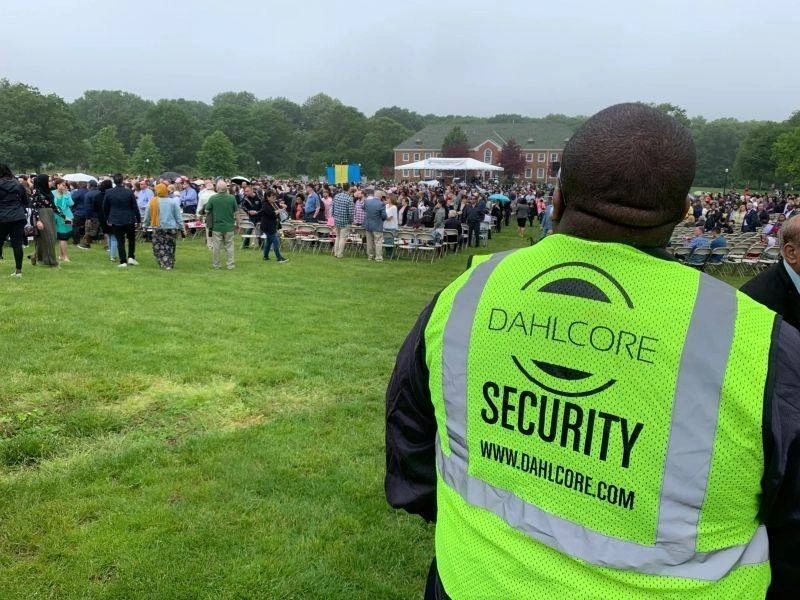
Training Employees on Security Protocols
Importance of Security Awareness Training
While technology plays a crucial role in security, human vigilance is equally important. Training employees on security protocols ensures that they are aware of potential threats and know how to respond to emergencies. Regular training sessions can help employees recognize suspicious activity, properly use security systems, and follow evacuation procedures if necessary.
Developing Effective Security Policies
Effective security policies are the foundation of a secure office environment. These policies should outline the company’s approach to security, including protocols for access control, incident reporting, and emergency response. By clearly communicating these policies to all employees, companies can create a culture of security awareness that enhances overall safety.
Limitations of Traditional Office Building Security Guards
While traditional security guards have been a staple in office building security, several limitations have become apparent, particularly in complex urban environments:
- Limited Coverage: Security guards can only be in one place at a time, which may lead to gaps in coverage, especially in larger office complexes.
- Human Error: Even the most diligent guards are prone to human error, which can include everything from lapses in attention to misjudgment of situations.
- Lack of Technical Skills: Traditional guards may not be trained to handle sophisticated security systems or cyber threats, limiting their effectiveness against modern criminal tactics.
- Cost Inefficiency: Employing a large number of guards to cover every potential security gap can be cost-prohibitive for many businesses.
To overcome these limitations, many organizations are turning to a hybrid security model that combines traditional human guards with advanced technological solutions. This approach not only enhances security but also ensures more efficient resource allocation and greater adaptability in the face of dynamic threats.
Cost-Benefit Analysis of Security Alternatives
Comparing Costs of Traditional Guards vs. Alternatives
One of the main reasons companies are exploring alternatives to security guards is cost. While hiring security personnel can be expensive, technology-based solutions often provide more value for money. For instance, a one-time investment in advanced surveillance or access control systems can offer long-term savings compared to the recurring costs of salaries, benefits, and training for security guards.
Long-Term Savings with Advanced Security Systems
Advanced security systems, such as AI-powered cameras and biometric access control, not only reduce costs but also offer enhanced security. These systems require minimal maintenance and can operate continuously, providing a higher return on investment. In the long run, companies can achieve significant savings while maintaining or even improving their security posture.

Challenges and Considerations
Addressing Common Concerns with Technology-Based Security
Despite the benefits, technology-based security solutions come with their own set of challenges. For instance, there may be concerns about privacy, especially with surveillance systems. Companies must carefully consider these issues and implement measures to protect employees’ privacy, such as anonymizing data or limiting camera coverage to public areas.
Ensuring Compliance with Security Regulations
Compliance with local and international security regulations is essential for any company implementing new security measures. This includes adhering to data protection laws, safety standards, and industry-specific regulations. Companies should work closely with legal advisors and security experts to ensure that their security systems meet all necessary requirements.
FAQs
What are the best alternatives to security guards for office buildings?
The best alternatives include AI-powered surveillance cameras, biometric access control systems, security drones, and remote monitoring services.
How do biometric access control systems work?
Biometric systems use unique physical characteristics, such as fingerprints or facial recognition, to grant or deny access to specific areas within an office building.
Can security drones replace traditional surveillance methods?
Security drones can enhance traditional surveillance by providing aerial views and covering large areas quickly, but they are often used in conjunction with other security measures.
What are the cost benefits of using technology-based security solutions?
Technology-based solutions often require a one-time investment with lower ongoing costs, leading to long-term savings compared to the recurring expenses of hiring security guards.
Are there privacy concerns with using advanced surveillance systems?
Yes, there are privacy concerns, particularly with AI-powered cameras. Companies need to implement measures to protect privacy, such as limiting surveillance to public areas and anonymizing data.
How can companies ensure compliance with security regulations?
Companies should work with legal and security experts to ensure that their security systems comply with all relevant data protection laws, safety standards, and industry-specific regulations.
Conclusion
The future of office building security lies in a balanced approach that combines traditional methods with advanced technology. While security guards have long been the cornerstone of office security, modern alternatives like AI-powered surveillance, biometric access control, and security robots offer enhanced protection and efficiency. By adopting these alternatives, companies can create a safer and more secure environment for their employees and assets while also benefiting from long-term cost savings and improved operational efficiency.
Check other blogs
Strategies for Dealing with Trespassing and Vandalism
Managing Access Control in Sensitive Construction Areas
Unarmed vs Armed Security Guards: Choosing What’s Best for You
Armed Transport Guard Services: Safeguarding Valuables in Transit
