

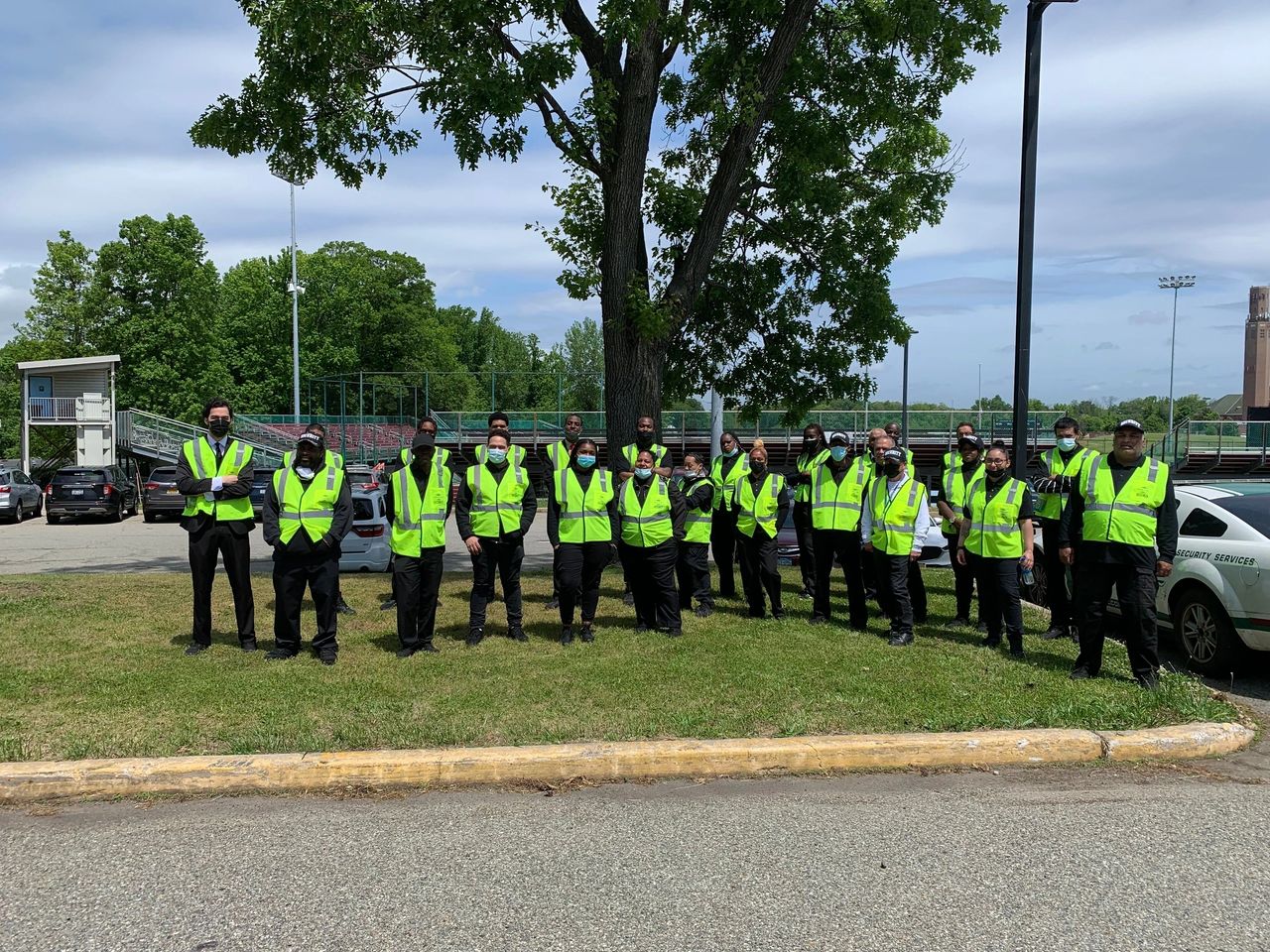
“8 Essentials To Be A Professional Security Guard”
Being a professional security guard goes far beyond simply standing at a post; it requires vigilance, quick decision-making, and strong communication skills. Security guards protect people, property, and sensitive information while proactively identifying and responding to potential risks. Whether new to the field or advancing in your career, mastering the fundamental principles of security and maintaining a commitment to ongoing training is essential for success and growth in this vital profession.
What Defines a Professional Security Guard?
A professional security guard embodies trustworthiness, vigilance, and a proactive attitude, ensuring high safety and security. They must remain alert, communicate clearly with team members and clients, and make sound decisions. By consistently demonstrating integrity and reliability, they protect lives and property and foster a sense of trust and confidence within the community and their clients.
Essential Skills for a Security Guard
Physical Fitness and Endurance
A security guard often requires physical activity, from patrolling vast areas to responding quickly to emergencies. Staying physically fit ensures that guards can perform these duties effectively without fatigue. Regular exercise and proper nutrition are foundational.
Critical Thinking and Decision-Making
Security guards often encounter high-pressure situations that require immediate and effective action. The ability to assess threats, recognize potential dangers, and respond appropriately is crucial for maintaining safety. By making quick, informed decisions, security professionals ensure that they protect both people and property while minimizing risks.
Mandatory Training and Certifications
Basic Security Guard Training
Most jurisdictions mandate that security guards undergo foundational training, which includes safety protocols, effective communication, and emergency response techniques. This comprehensive training equips guards with the skills to handle common and emergencies efficiently while on duty.
Advanced Certifications to Stand Out
Earning certifications in areas such as first aid, defensive tactics, or cybersecurity enhances your professional skill set and demonstrates your commitment to continuous learning and improvement. These specialized credentials make you a more competitive candidate, increasing your chances of standing out in a fast-paced job market.
Understanding Security Guard Equipment
Tools Every Security Guard Must Master
Using standard equipment, such as radios, surveillance cameras, and metal detectors, is essential for security guards to ensure a quick and appropriate response. A deep understanding of each tool’s purpose enables guards to adapt effectively to various security challenges and maintain a safe environment.
Proper Use and Maintenance of Equipment
Regular equipment maintenance is essential to ensure both safety and optimal performance, reducing the risk of unexpected breakdowns. By conducting routine inspections, potential malfunctions can be identified and addressed before they interfere with security operations.

Effective Communication Skills
Handling Conflict Calmly
Security guards frequently find themselves in situations where they must mediate between conflicting parties, acting as neutral figures to restore order. By staying composed and communicating assertively and respectfully, they can defuse tension and resolve issues peacefully, preventing escalation into physical confrontations.
Reporting and Documenting Incidents
Accurate documentation of events is critical for maintaining clarity and accountability in any workplace. Incident reports serve as legal records and offer valuable information that can guide improvements and prevent similar issues from occurring in the future.
Legal Knowledge and Compliance
Key Laws and Regulations for Security Guards
Guards should familiarize themselves with relevant laws to ensure they understand their authority and limitations, particularly concerning trespassing, property rights, and the use of force. Adhering to legal guidelines not only safeguards the security guard but also mitigates the risk of legal issues for the employer.
Ethical Guidelines to Follow
Adhering to ethical standards fosters trust and credibility, essential for maintaining a positive relationship with clients and the community. Security guards must avoid biases, respect privacy, and act professionally, ensuring their actions align with legal and moral expectations at all times.
Building Strong Observational Skills
The Art of Situational Awareness
Being alert to subtle changes in the environment allows for the early detection of potential threats or hazards, giving time to take proactive measures. Developing this heightened awareness through consistent practice sharpens the ability to notice even the smallest details, ensuring a more effective response in high-stress situations.
Improving Attention to Detail
Guards are responsible for maintaining constant vigilance, from recognizing potential threats to monitoring access points such as gates and locks. Their thorough oversight creates an environment where criminal activity is less likely to occur, which signals a heightened security presence.
Personal Presentation and Professionalism
Importance of a Neat Appearance
A professional appearance enhances the guard’s credibility and instills confidence in those they are protecting. By maintaining clean uniforms and a polished demeanor, security guards reinforce a sense of trust and responsibility, benefiting both themselves and the organization they represent.
Maintaining a Professional Demeanor
Respectful behavior, punctuality, and a calm attitude are essential elements of professionalism that help establish trust and credibility. These qualities foster positive relationships, ensuring smooth communication and successful outcomes with clients, colleagues, and the public.

Handling Emergencies with Confidence
Responding to Medical Emergencies
Security guards are frequently the first to arrive at the scene of an emergency, making their role critical in ensuring a timely response. By being trained in basic first aid and CPR, they can effectively stabilize individuals and potentially save lives while waiting for medical professionals to arrive.
Dealing with Security Breaches
Guards must quickly assess the situation and respond with well-established procedures to ensure safety during security breaches. Effective communication with team members and following established protocols are essential to minimizing risk and maintaining control of the situation.
Developing Interpersonal Skills
Collaboration with Team Members
Security relies heavily on teamwork, as it allows for diverse skills and expertise pooling. When team members collaborate effectively, it enhances both operational efficiency and overall security coverage, making it easier to address challenges and respond to threats swiftly.
Building Rapport with Clients and the Public
Interacting positively with people fosters trust and contributes to creating a safe and welcoming environment for all. Combining a friendly demeanor with a firm stance can maintain respect and ensure effective communication in any situation.
Mastering Time Management
Balancing Patrolling Duties and Administrative Tasks
A successful security guard must prioritize tasks effectively, ensuring that urgent matters are addressed promptly while maintaining attention to less immediate duties. Striking the right balance between urgency and routine responsibilities enables them to perform their job efficiently and effectively.
Avoiding Burnout with Proper Scheduling
Taking regular breaks allows security guards to recharge, reducing the risk of mental and physical fatigue. Proper shift management ensures that guards remain alert, maintain their focus, and effectively respond to security challenges.
The Role of Technology in Modern Security
Leveraging Surveillance Systems
Mastering CCTV and alarm systems is essential for improving security strategies and response times. Security guards must stay well-informed about the latest technological advancements and training to operate these systems efficiently and detect potential threats swiftly.
Staying Updated with Emerging Security Trends
Staying updated with the latest technologies, such as AI-driven monitoring and biometric access controls, enhances a security guard’s ability to respond to emerging threats effectively. Embracing these advancements improves safety and helps guards remain adaptable and proficient in a rapidly evolving security landscape.
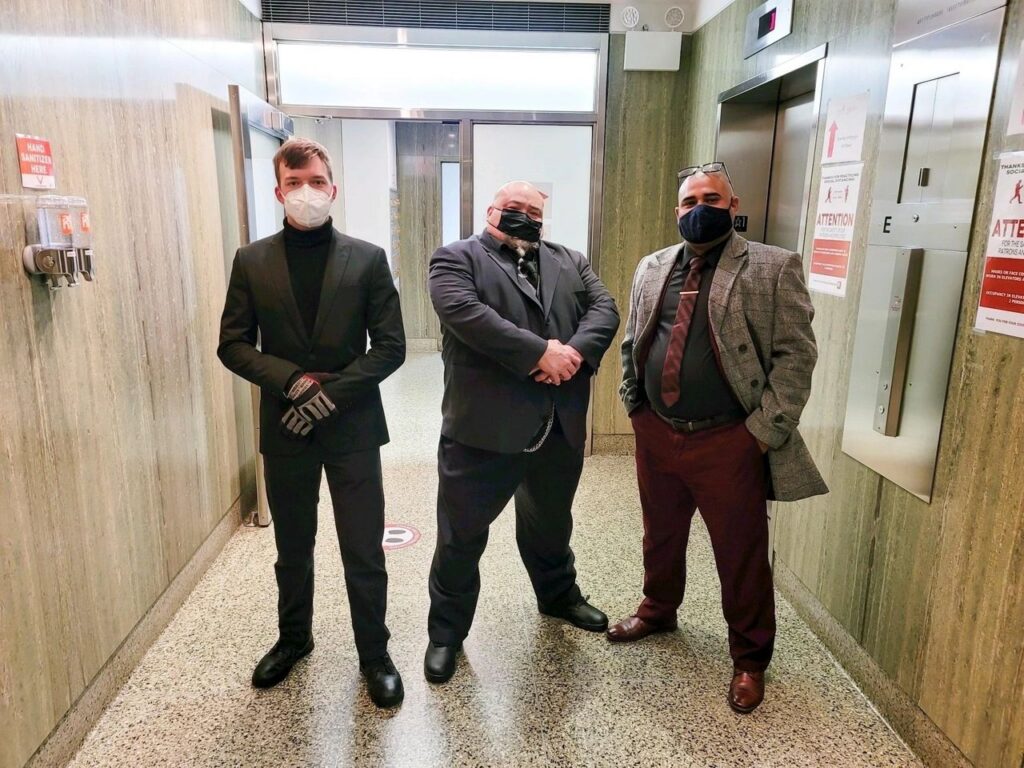
Challenges Faced by Security Guards
Dealing with Stressful Situations
In high-stress situations such as managing large crowds or responding to potential threats, it is essential to maintain composure and resilience to ensure effective decision-making. Utilizing stress management techniques, such as deep breathing or strategic pauses, helps to maintain focus and reduce the impact of stress on performance.
Handling Aggressive Individuals
Guards are trained to employ conflict resolution techniques to de-escalate potentially violent situations while maintaining professionalism and composure. If physical restraint is required, it must be done by established legal and ethical standards to ensure safety and protect individual rights.
Tips for Career Growth in the Security Field
Networking and Continuous Learning
Attending industry events and joining professional organizations can provide valuable networking opportunities, helping to establish connections with key players in the field. Staying informed about current trends and innovations enhances your skills and positions you as a competitive candidate in the ever-evolving job market.
Exploring Opportunities for Advancement
Specialized roles such as corporate security and cybersecurity provide opportunities for career advancement and foster skill development in highly sought-after fields. By obtaining advanced certifications, individuals can enhance their expertise, positioning themselves for leadership and management roles within the security industry.
FAQs
What qualifications are needed to become a security guard?
To become a security guard, you typically need a high school diploma, basic training, and a license in most regions. Advanced certifications can enhance your qualifications and employability.
How can a security guard improve their observational skills?
Improving observational skills involves practicing situational awareness and paying attention to details. Regular training and mindfulness exercises can sharpen this ability over time.
Why is physical fitness important for security guards?
Physical fitness helps security guards perform their duties effectively, especially in physically demanding situations. It also boosts endurance and ensures they can respond swiftly to emergencies.
What role does technology play in modern security?
Technology enhances security through advanced tools like surveillance cameras, alarms, and biometric systems. Staying updated with emerging technologies improves efficiency and effectiveness.
What are the ethical responsibilities of a security guard?
Security guards must act with integrity, avoid discrimination, and respect privacy. Following ethical guidelines fosters trust and ensures professionalism.
How can a security guard handle aggressive individuals?
Guards should use de-escalation techniques to calm aggressive individuals. If necessary, they must rely on training and legal protocols to manage the situation safely.
Conclusion
Becoming a professional security guard requires more than just meeting basic qualifications; it involves continuous development of specialized skills such as communication, conflict resolution, and attention to detail. Staying physically fit and mentally alert is crucial to handle the dynamic challenges in the field. By mastering these essential traits and maintaining a commitment to ongoing improvement, you can differentiate yourself as a highly effective and respected security professional.
Check other blogs
Hotel Guards: Effective Scenario Handling Training
What Do Bodyguards Wear: Ensuring Security in Style
How Much Do Security Guards Make an Hour? The Unseen Benefits
