

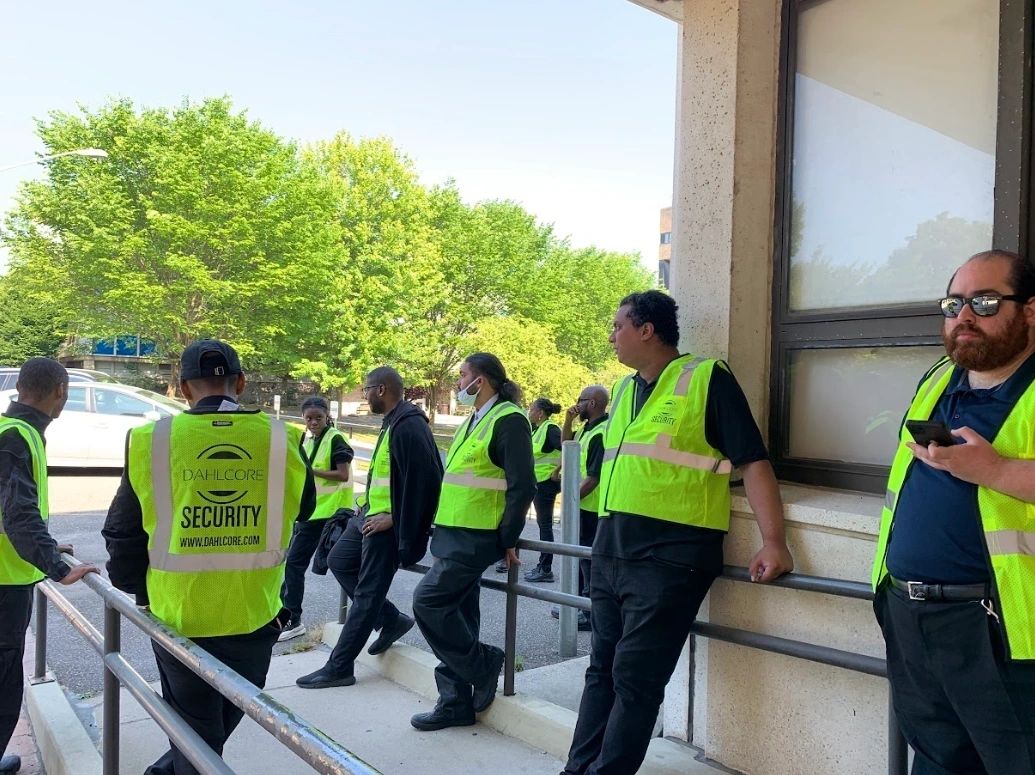
“11 Effective Strategies for Ensuring Construction Site Security”
Construction Site Security
Construction sites are dynamic environments where the coordination of workforce, machinery, and materials is essential for both efficiency and safety. The preservation of construction project integrity and progress hinges on the crucial role of security. Addressing concerns such as theft prevention, vandalism deterrence, and worker safety, the issue of “Who bears the responsibility for construction site security?” is intricate and of paramount importance. This article explores the diverse dimensions of construction site security, elucidating duties, tactics, and cutting-edge advancements within the domain.
Key Stakeholders in Construction Site Security
In the realm of construction, Security is paramount, with multiple stakeholders holding the keys to a safe and secure site. Let’s delve deeper into who holds responsibility:
Construction Managers
Frequently taking the lead, construction managers oversee every aspect of a project, which also includes security. Their role involves creating and putting into action safety and security procedures, as well as making sure that all workers are informed about and comply with these guidelines.
Security Personnel
These are the individuals on the ground, monitoring the site for any irregular activities. They patrol the area, manage access points, and respond to incidents, ensuring that the site is protected against unauthorized access, theft, and other potential security breaches.
Contractors and Subcontractors
While primarily focused on their specific tasks, contractors also bear responsibility for securing their work areas and materials. They must follow the site’s security procedures and report any suspicious activities.
Local Authorities and Law Enforcement
In many cases, especially for larger projects, local law enforcement may be involved in overseeing site security, particularly in response to incidents or as part of routine checks.
The Community
Local communities can act as eyes and ears, particularly in areas where the construction site is in close proximity to residential or business districts. Community vigilance can be instrumental in preventing and reporting crimes.
Legal and Regulatory Framework
Construction site security is not just a matter of best practices but also of legal compliance. Different regions have varying regulations that dictate the minimum security measures required at construction sites. Understanding and adhering to these laws is crucial for all stakeholders involved.
Understanding Legal Obligations
It’s essential for those responsible for construction site security to be aware of the legal requirements in their jurisdiction. This includes worker safety regulations, building codes, and any specific security mandates.
Regulations and Compliance Standards
Regulations like OSHA in the United States offer safety and security guidelines and rules for construction sites. Adhering to these standards is essential not only to avoid legal consequences but also to guarantee the safety and security of all individuals and assets engaged in the construction project.
Strategies for Effective Security Management
With an understanding of the stakeholders involved and the risks faced, effective management strategies can be developed:
Planning and Implementing Security Measures
This involves a thorough assessment of the site, identifying potential security weak points, and then implementing measures such as fencing, lighting, CCTV, and access control systems.

Latest Technologies in Securing Construction Sites
The use of technology, including surveillance drones, biometric scanners, and GPS tracking for machinery and materials, is becoming increasingly common in enhancing site security.
Continuous Monitoring and Assessment
Security is not a one-time effort but requires ongoing monitoring and adaptation to changing circumstances and emerging threats.
The Human Element in Construction Security
Security measures are not just about technology and regulations; the human element plays a crucial role. Ensuring that all individuals involved are aware, trained, and committed to the site’s Security is vital.
Training and Awareness for Staff
Consistent training sessions play a crucial role in ensuring that every employee remains well-informed about the most current security procedures and fully comprehends their responsibilities in upholding site security. This encompasses recognizing the significance of reporting any suspicious activities and being proficient in responding to emergencies.
Community Engagement and Support
Engaging with the local community can be a powerful way to enhance Security. Informing neighbors about the project, its duration, and whom to contact if they notice anything unusual can create a network of vigilance around the site.
Evaluating Security Service Providers
For many construction projects, especially larger ones, hiring a professional security service may be necessary. Evaluating and selecting the right provider is a critical decision.
Criteria for Selecting Security Partners
Look for providers with experience in construction site security, positive references, and the ability to offer a comprehensive security plan tailored to the specific needs of the site.
Collaboration for Enhanced Security
Once a provider is selected, maintaining open lines of communication and collaboration is key. The security service should work closely with the construction team to understand the project’s specific needs and adapt as those needs change.
Innovative Practices in Construction Site Security
As technology evolves, so do the tools and practices for securing construction sites. Staying abreast of these developments can provide significant advantages.
Utilizing Drones and Surveillance Technologies
Drones can offer a bird’s-eye view of the site, providing real-time monitoring of hard-to-reach areas and the ability to respond to alerts quickly.
Intelligent Access Control Systems
Technologies such as biometric scanners and electronic badges ensure that only authorized individuals can enter the site, reducing the risk of theft and vandalism.
Cost Considerations and Budgeting for Security
Investing in Security is a necessary part of construction project management, but it must be done wisely to ensure that costs do not outweigh the benefits.
Budgeting for Adequate Security Measures
Understanding the balance between the level of risk and the necessary level of investment is critical. Security should be seen as an integral part of the project, not an optional add-on.
Cost-Benefit Analysis of Security Investments
Reviewing the effectiveness of security measures against their cost helps in making informed decisions about where to invest in security enhancements.

The Future of Construction Site Security
Looking forward, the field of construction site security is likely to continue evolving, with new challenges and solutions emerging.
Predicting Trends and Innovations
Staying informed about developments in construction technology and Security will be crucial for adapting to future changes and maintaining adequate security practices.
Preparing for Tomorrow’s Security Challenges
Future-proofing Security involves not just adopting new technologies but also fostering a culture of security awareness and continuous improvement among all stakeholders.
Frequently Asked Questions about Construction Site Security
Who is primarily responsible for construction site security?
The primary responsibility for construction site security typically lies with the construction manager, who coordinates all aspects of the project, including security measures. However, it’s a shared responsibility with security personnel, contractors, and sometimes local law enforcement.
What are the most common security threats to construction sites?
The most common threats include theft of materials and equipment, vandalism, unauthorized access, and safety hazards to workers and the public.
How can technology improve construction site security?
Technology such as CCTV, drones, access control systems, and alarms can significantly enhance Security by providing real-time surveillance, deterring theft, and ensuring only authorized personnel enter the site.
What role does the local community play in construction site security?
The local community can act as additional eyes and ears, reporting suspicious activity and helping to deter crime by increasing the perceived risk of detection for potential offenders.
How often should security measures be reviewed and updated?
Security measures should be reviewed regularly, at least at the beginning of each project phase or whenever there are significant changes to the site layout, workforce, or local environment.
Are there specific training programs for construction site security?
Yes, there are specific training programs available that focus on construction site security, covering topics such as risk assessment, security technology, and emergency response procedures.
Conclusion
Adequate construction site security is not just about deterring theft and vandalism; it’s about creating a safe, efficient, and compliant environment for all involved. By understanding the roles of various stakeholders and implementing strategic security measures, construction sites can significantly mitigate risks and enhance productivity. As the industry continues to evolve, so too will the approaches to maintaining secure and safe construction sites.
Check other blogs
Top Things to Do in The Bronx: Must-See Attractions & Activities
Hire Nightclub Security Services
