

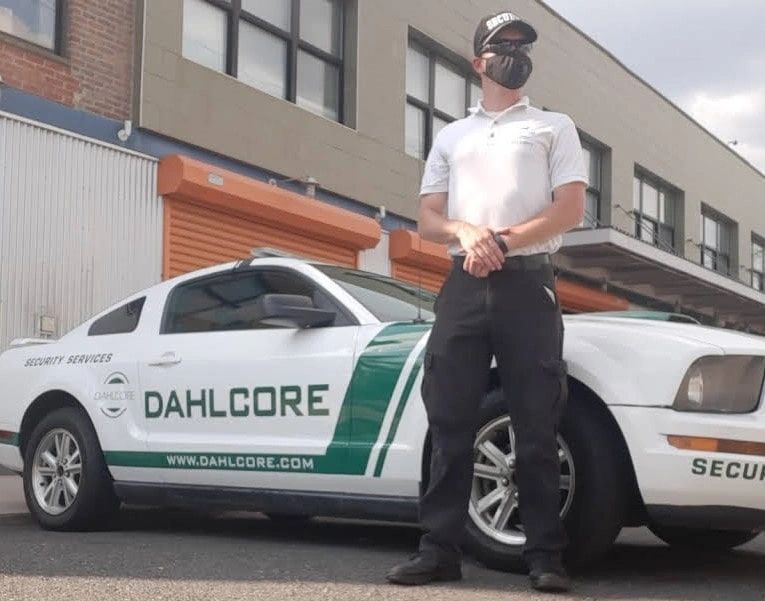
“Dispelling Myths: Can Private Security Carry Guns?”
In the tapestry of modern security measures, the question of whether private security personnel can carry firearms stands out as a significant thread of inquiry and misunderstanding. This article aims to dismantle the confusion surrounding this topic, offering clarity and insight into the actual legal frameworks, training requirements, and operational guidelines that dictate the circumstances under which private security can be armed. By exploring this subject, we aim to provide a comprehensive understanding that dispels myths and sheds light on the realities faced by private security professionals.
What is the Top Salary for Private Security?
The top salaries in private security can vary widely depending on the sector, geographical location, and level of expertise. For instance, in the United States, top executive protection specialists can earn upwards of $100,000 annually, while cybersecurity experts might receive even higher, sometimes exceeding $150,000 if they hold senior positions or possess rare skills. In high-risk regions, maritime security professionals can also command similar high wages due to the dangerous nature of their job.
Understanding Private Security
Definition and Role of Private Security
Private security services encompass a diverse range of offerings tailored to meet various needs, including safeguarding residential properties, providing security for events such as concerts or conferences, ensuring the protection of corporate assets and personnel, and managing security measures for transportation systems and facilities. These services are designed to offer specialized protection and risk mitigation strategies, often customized to the unique requirements of each client or situation.
Types of private security services
Private security services encompass a wide range of specialized offerings tailored to various needs, such as safeguarding residential properties, ensuring the smooth operation of events, protecting corporate assets and personnel, and providing secure transportation solutions. These services aim to mitigate risks, prevent unauthorized access, respond to emergencies, and maintain a secure environment for clients across diverse settings and situations.
Legal framework governing private security
In many regions, the legal framework surrounding private security firms encompasses rigorous licensing procedures to verify personnel competency and reliability. Additionally, training requirements are often mandated to ensure that security personnel possess the necessary skills and knowledge to handle various situations effectively. At the same time, operational limitations are imposed to uphold standards of conduct, accountability, and respect for legal boundaries.
Dispelling Myths: Can Private Security Carry Guns?
The historical evolution of regulations governing private security’s use of firearms reveals a complex interplay between societal needs for protection and concerns over potential misuse of force. Legal frameworks established over time have sought to balance the right to self-defense with the necessity of ensuring public safety and preventing undue escalation of violence. Clarifying these legal intricacies is essential to understanding the parameters within which private security personnel may be authorized to carry firearms, helping to dispel common misconceptions and provide a clearer understanding of the legal landscape surrounding this contentious issue.
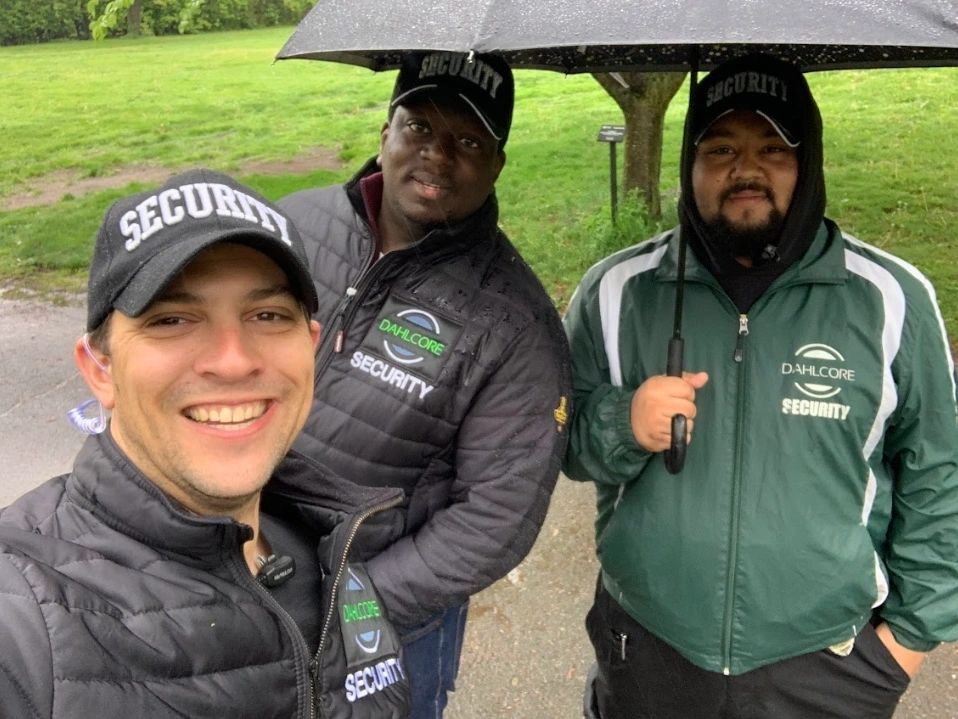
Myth 1: Private security personnel are not trained to handle firearms
- Training requirements for private security personnel typically include firearms handling, legal issues, and tactical skills, varying by jurisdiction.
- Accreditation and certification processes ensure that private security personnel meet established standards before they can carry firearms.
Myth 2: Private security lacks accountability and oversight in firearm use
- Regulations and standards, often established by governmental bodies, govern the use of firearms by private security.
- Oversight mechanisms include internal audits, regulatory agency inspections, and public reporting systems.
Myth 3: All private security personnel carry firearms
- The distinction between armed and unarmed security personnel depends on the specific job requirements and client needs.
- Factors influencing the decision include the level of risk, client preferences, and legal regulations.
Benefits and Concerns
Benefits of allowing private security to carry firearms
- Enhanced deterrence against criminal activity and better protection capabilities.
- Ability to respond swiftly and effectively to security threats, providing a critical layer of defense.
Concerns associated with arming private security
- Potential for misuse or excessive use of force, leading to legal and ethical issues.
- Public safety concerns and negative perceptions may arise from the presence of armed personnel.
How Much Do Private Security Owners Make?
Owners of private security companies can earn significantly, depending on their business’s size and scope. Earnings can range from $50,000 to well over $200,000 annually. Factors influencing these earnings include:
- Number of Contracts: More contracts typically mean higher earnings.
- Specialization: Companies specializing in high-demand services like cyber or executive security tend to earn more.
- Geographical Location: Companies in larger cities or high-risk areas may have higher earnings due to increased demand.
Successful security company owners often combine industry experience with strong business acumen to maximize their profits.
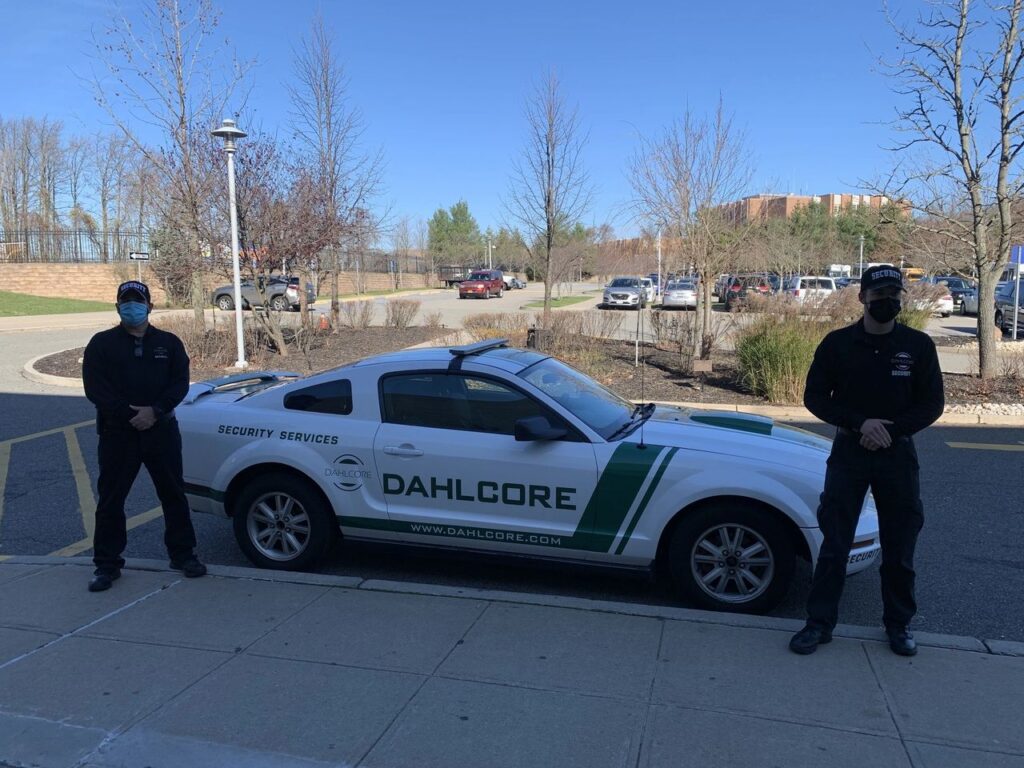
Licensing and Training Requirements
In order to arm private security guards, various licenses must be obtained, typically including a firearms license and a security guard license, which vary in name and requirements depending on the jurisdiction. Applicants generally are required to undergo extensive training covering areas such as firearm safety, legal regulations, conflict resolution, and de-escalation techniques, often exceeding the training mandated for law enforcement officers. Certification processes are in place to assess the competence of applicants, ensuring that only those who demonstrate sufficient proficiency and judgment are authorized to carry firearms while fulfilling security duties.
Safety Measures and Accountability
In the private security industry, safety protocols are meticulously designed and implemented to safeguard both the public and security personnel. These protocols often involve rigorous training programs, adherence to regulatory standards, and the utilization of advanced technology for surveillance and response. Regular monitoring, evaluation, and audits ensure that these standards are consistently met. At the same time, accountability measures, such as incident reporting and disciplinary actions, are enforced to address any lapses or breaches in safety protocols promptly and effectively.
Debunking Common Misconceptions
Despite common misconceptions, private security personnel undergo extensive training and background checks before being authorized to carry firearms, often surpassing the requirements of law enforcement. Real-life data indicates that armed private security can effectively deter crime and protect property in various settings, including commercial establishments and residential areas. Expert opinions emphasize the importance of proper regulation and oversight to ensure the responsible use of firearms by private security, mitigating the risks associated with their deployment.
What types of weapons can security guards carry?
Security guards are often the first line of defense in protecting property, assets, and people. The types of weapons that security guards can carry vary depending on local laws, regulations, and the specific requirements of their employers. Here is a list of standard weapons that security guards may be allowed to carry:
- Firearms: In some regions, security guards are permitted to carry handguns or other firearms. This typically requires a special license, background check, and completion of a firearms training course.
- Batons: Also known as nightsticks or billy clubs, batons are commonly carried by security guards. They are used for self-defense and to subdue attackers or unruly individuals in a non-lethal manner.
- Pepper Spray: This non-lethal weapon is used to temporarily blind or incapacitate an assailant. It is effective for self-defense and is often chosen for its ability to stop an attacker without causing permanent injury.
- Tasers or Stun Guns: These electronic devices deliver a high-voltage, low-current electrical charge to disrupt voluntary muscle control, temporarily incapacitating an attacker.
- Handcuffs: While not a weapon per se, handcuffs are regularly carried by security guards to restrain individuals until law enforcement arrives.
- Flashlights: Though primarily used for illumination, heavy-duty flashlights can also serve as a means of self-defense.
Security guards must receive proper training and certification for each weapon they are authorized to carry. Additionally, the use of any firearm by a security guard is usually governed by strict rules of engagement and legal standards.
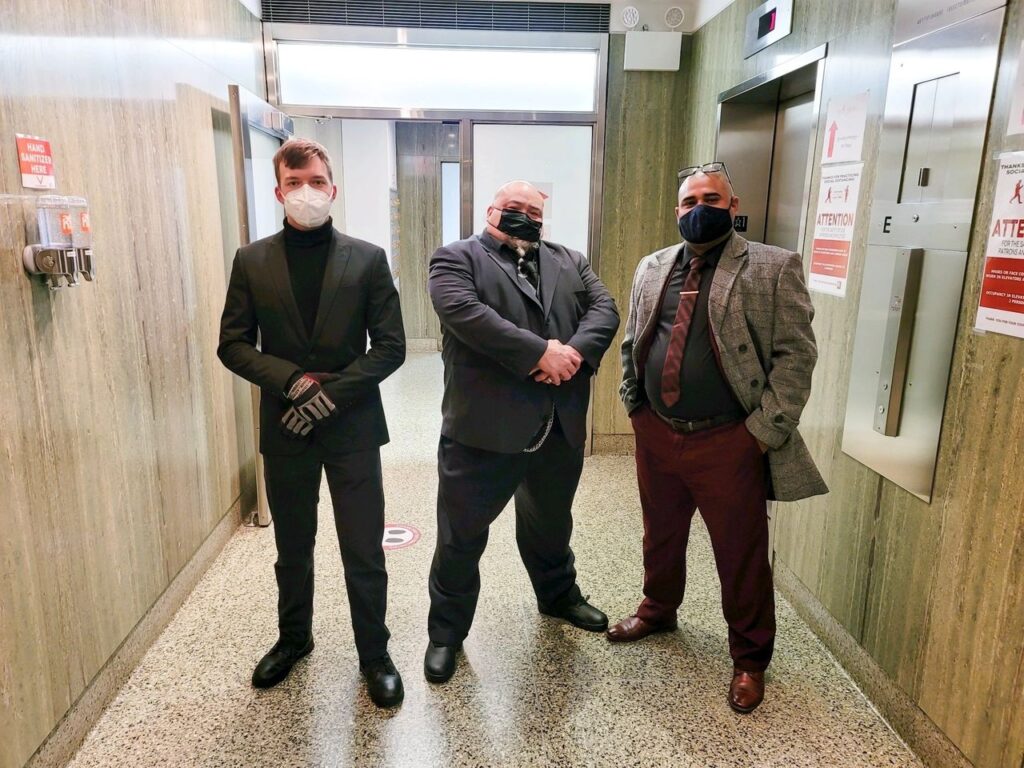
Can security guards carry guns outside of their work?
The ability of security guards to carry guns outside of their work hours is subject to local laws and regulations, as well as the policies of their employers. Here are some considerations:
- Licensing and Permits: Security guards who are licensed to carry firearms might be permitted to take them off-duty, but this is highly dependent on the region’s laws and the specific conditions of their gun permit.
- Employer Policies: Some security companies may have policies restricting the carrying of company-issued weapons outside of work hours. Guards must comply with these policies to avoid disciplinary action.
- State and Local Laws: The laws regarding concealed carry and open carry vary significantly from one jurisdiction to another. Security guards must understand and comply with these laws to legally carry a gun outside of work.
- Personal Firearms: If a security guard wishes to carry a personal firearm while off-duty, they must comply with all local laws regarding personal firearm ownership and carry permits.
- Training and Responsibility: Carrying a firearm, whether on or off duty, comes with a significant responsibility. Security guards must ensure that they maintain their training, understand the legal implications, and practice safe handling and storage of the weapon at all times.
Some security guards may have the legal right to carry guns outside of work, but it is highly dependent on various factors, including local laws, licensing requirements, and employer policies. Security guards need to be fully informed and compliant with all relevant regulations.
Is Private Security a Good Career?
Pursuing a career in private security can be highly rewarding for those interested in law enforcement or protective services. Advantages of a career in private security include:
- Variety of Opportunities: From retail security to VIP protection, there are roles for different interest and skill levels.
- Potential for Advancement: With experience and additional training, individuals can move into higher-paying positions.
- Contribution to Safety and Security: This career offers a tangible sense of contributing to public safety and order.
However, the job can also involve high stress, irregular hours, and potential risk, particularly in more specialized positions. Those considering this field should be prepared for the physical and psychological demands it entails.
Verifying Firearms Regulations for Private Security
In order to provide readers with reliable and authoritative information on the legal aspects of firearms use by private security personnel, it is beneficial to reference government sources that detail these regulations comprehensively. The Bureau of Alcohol, Tobacco, Firearms and Explosives (ATF) provides extensive information on the national legal framework governing the carrying of firearms by security personnel ATF. Similarly, the National Institute of Justice (NIJ) offers research and analysis on various security policies, including the use of firearms in the private security sector, which can be accessed at NIJ. These resources ensure that the content not only adheres to high standards of accuracy but also remains aligned with current legal standards and practices.
FAQs
What are the main requirements for a private security guard to carry a gun?
The main requirements typically include obtaining a specialized firearms license, completing mandatory training programs, and passing background checks to ensure suitability for carrying a weapon.
Is there a difference between the gun laws for private security and those for the general public?
Yes, private security personnel often face stricter regulations and oversight compared to the general public, including additional licensing, training requirements, and limitations on where and when they can carry firearms.
Can private security guards use their guns whenever they feel threatened?
No, private security guards must adhere to strict rules of engagement. They can only use their guns under specific circumstances, typically only when there is a clear and imminent threat to life.
Do all countries allow private security guards to carry firearms?
No, the regulations surrounding armed private security vary significantly from one country to another, with some countries allowing it under strict conditions and others prohibiting it altogether.
How does the presence of armed private security impact public safety?
The presence of armed private security can deter criminal activity and enhance public safety. Still, it also requires rigorous oversight to ensure that it does not lead to unnecessary violence or escalate conflicts.
Are there any alternatives to arming private security guards?
Yes, alternatives include using non-lethal weapons, investing in advanced surveillance and alarm systems, and focusing on preventive measures such as risk assessment and security planning.
Conclusion
In conclusion, the question of whether private security can carry guns involves a complex web of legal, ethical, and practical considerations. It’s clear that while armed security can play a crucial role in certain situations, it comes with heavy responsibilities and strict regulations to ensure public safety and accountability. By understanding the myths and realities surrounding this topic, we can better navigate the discussions and decisions regarding the role of firearms in private security. Always remember that the goal is to create a safe and secure environment for everyone.
Check other blogs:
Temp Security Guards in New Jersey | Reliable Protection
Maritime Security in New Jersey: Ensuring Safe Coastal Waters
Construction Site Security in New Jersey: Protect Your Site
Unlocking the Role: How to Become a Loss Prevention Associate
